How A24 Turned a Viral Wisconsin Furniture Store Photo Into a 2026 Box-Office Phenomenon Through Groundbreaking Hybrid VFX

What began in 2022 as a single, eerie photograph of a vacant, yellow-carpeted room inside a Wisconsin furniture store has officially blossomed into one of the most unexpected cultural milestones and box-office powerhouses of 2026. A24’s psychological horror feature film Backrooms has taken cinematic landscapes by storm, realizing a massive commercial and critical triumph. Directed by 19-year-old digital phenom Kane Parsons in his feature-film directorial debut, the project successfully scales up the filmmaker’s viral, web-native YouTube series into a sprawling, anxiety-inducing cinematic nightmare.
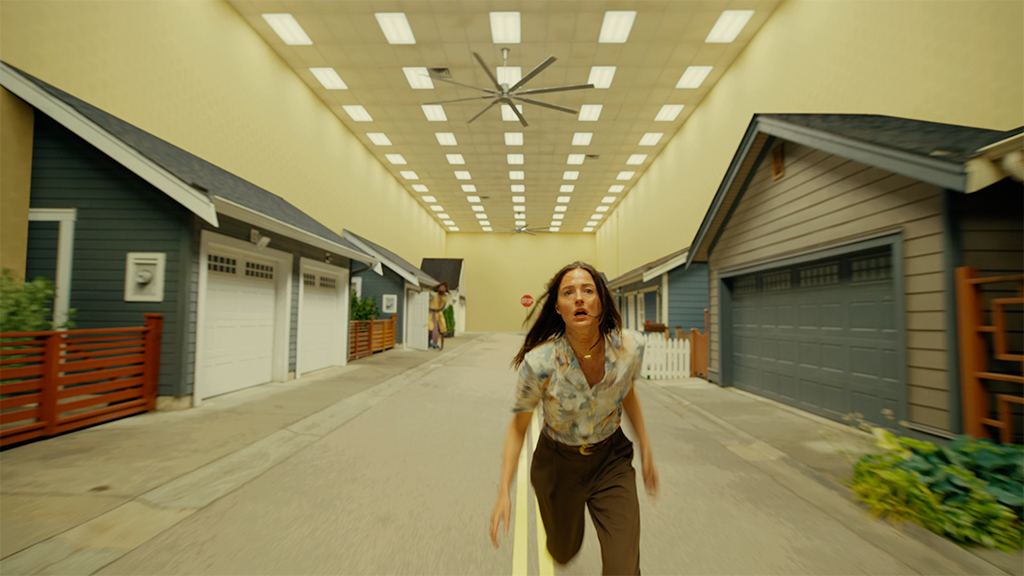
The narrative centers on Clark, played by Chiwetel Ejiofor, a struggling furniture store proprietor whose luck has run completely dry. Beneath the worn linoleum and showroom displays of his failing business lies a breach—a surreal, impossible portal dropping unsuspecting souls into an infinite, labyrinthine expanse of monotonous yellow corridors. When Clark vanishes into this architectural abyss, his therapist, Mary (portrayed by Renate Reinsve), takes it upon herself to trace his steps, plunging headfirst into a subterranean purgatory governed by its own hostile geometry.
The journey from a teenager’s bedroom hobbyist project to a polished $10 million studio release represents a watershed moment for modern filmmaking. It highlights how contemporary indie cinema can honor internet lore while employing Hollywood-grade production pipelines to achieve an uncanny, dreamcore aesthetic that has captivated millions of moviegoers worldwide.
From Blender to the Big Screen: The Genesis of a Digital Nightmare
Long before A24 greenlit the feature, Kane Parsons was merely a teenager in suburban Dallas building digital spaces using open-source 3D creation software. When Parsons was just 16 years old, he began constructing his signature iterations of the Backrooms inside Blender. These lo-fi, VHS-grained digital shorts exploded across YouTube, cultivating a massive global fanbase and eventually catching the attention of major studio executives.
Rather than discarding Parsons’ early digital assets in favor of a clean slate, the production made the radical choice to integrate his adolescent work directly into the feature film’s visual effects (VFX) pipeline. Visual Effects Supervisor Edward Douglas recalled the surreal experience of opening the original project files created years prior.
"There were certain moments where we were literally taking the Blender file he built when he was 16 and working off it, enhancing it, getting it ready for cinematic quality and then moving it into a production pipeline," Douglas explained.
This deep-rooted digital background heavily influenced Parsons’ approach to physical production. Eschewing the common stereotype of digital-first directors who rely entirely on green screens, Parsons maintained an uncompromising dedication to tactile, in-camera reality. Across four sound stages, the production constructed roughly 30,000 square feet of physical sets. These physical environments stood in stark contrast to the approximately 100,000 square feet of spaces Parsons had mapped out digitally, creating a seamless symbiosis between real-world construction and computer-generated imagery.
A Hybrid Approach: Marrying Practical Gags with Advanced VFX
For Douglas and his visual effects crew, the philosophy governing Backrooms was simple: VFX should never be used as a lazy substitute for what can be captured in-camera. Instead, visual effects served as an invisible safety net to solve logistical impossibilities.
"I don’t think of visual effects as computer things. I think of visual effects as figuring out what tricks we need that we can’t film for real," Douglas noted. "My job as a supervisor is to make sure that whatever we can’t film for real ends up in the movie."
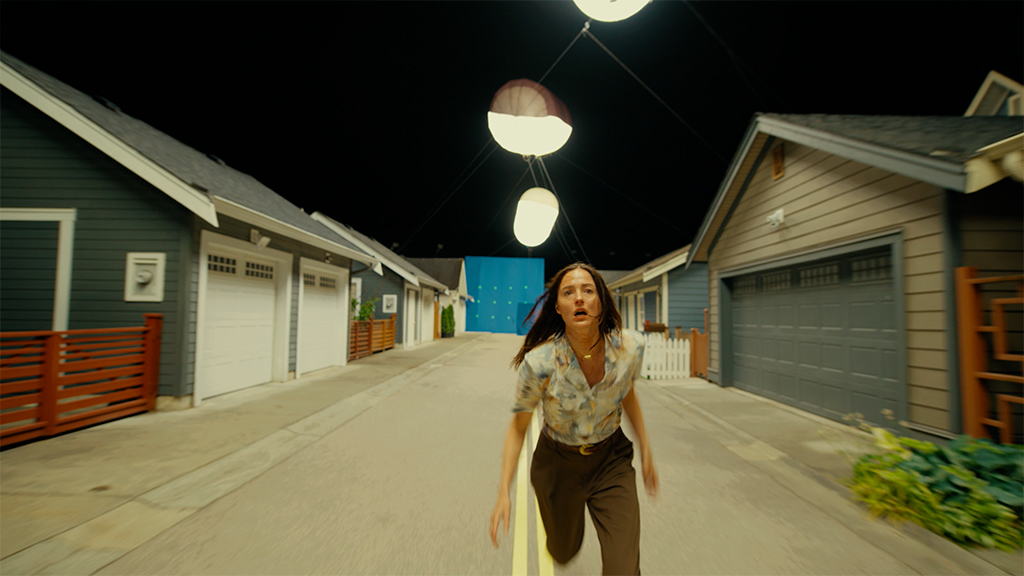
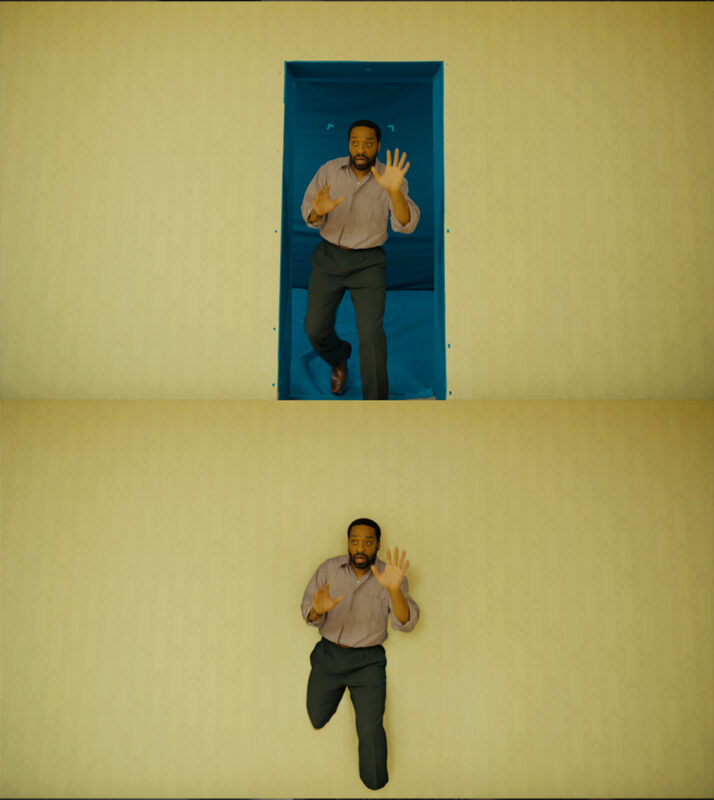
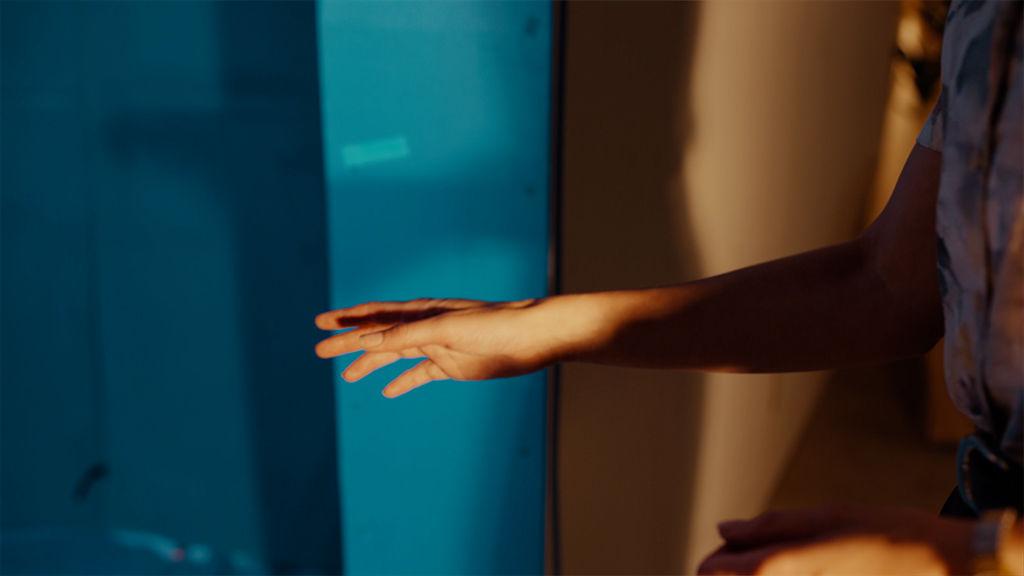
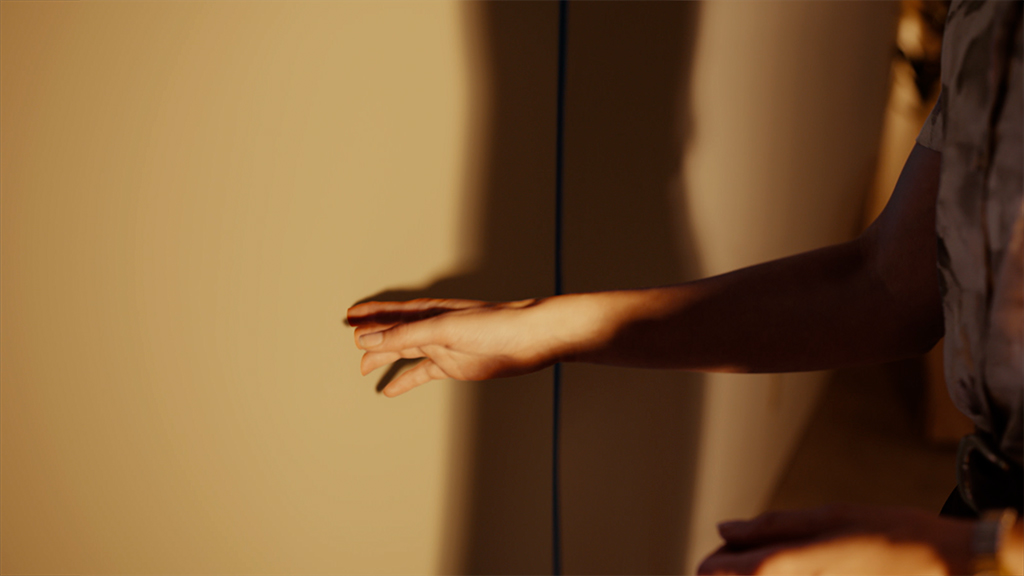
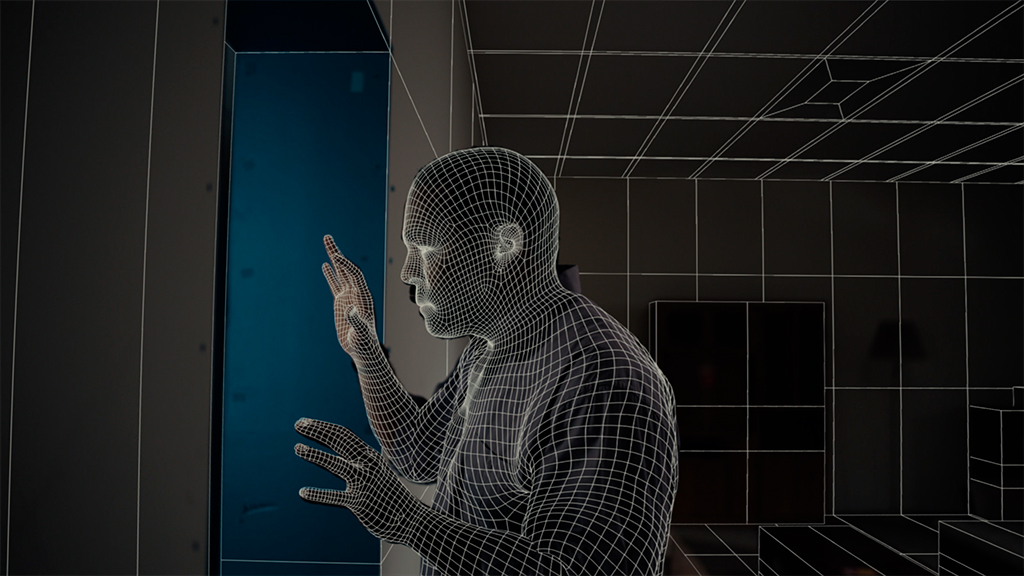
This ideology was put to the test during the film’s signature "clipping" sequences—the visual manifestation of characters passing through solid architectural boundaries as they slip between dimensions. While actors physically walked through specially designed openings in the physical sets, vendors like Mr. Wolf VFX stepped in during post-production to digitally restore the walls around them.
The illusion relied heavily on complex technical choreography. The team utilized a meticulous mix of rotomation, geometric intersection, and hand rotoscoping to refine the boundaries. However, the true secret to selling the impossible visual lay in lighting and depth. By projecting CG shadows dynamically from animated geometry onto the physical walls, the team grounded an utterly fantastical concept in convincing optical physics.
The production’s dedication to practical wizardry extended deep into creature and makeup design. Makeup Effects Supervisor Werner Pretorius and his team at Amazing Ape spearheaded the creation of the film’s eerie entities, known as "Still Lifes," delivering a much higher volume of practical prosthetic work than the VFX supervisors initially anticipated.
The redheaded Still Life, inspired by the distorted, smeared facial sculptures of artist Evan Penny, required actress Rhiannon Roberts to endure grueling physical conditions. Fitted with specialized prosthetics featuring hidden viewing holes, Roberts stood motionless on high heels in a tight corner for three consecutive days of principal photography.
Similarly, the striped-shirt Still Life relied on 90% practical prosthetic makeup, enhanced subtly by digital intervention. Because the physical glass eyes embedded in the prosthetic lacked depth and independent movement, VFX artists replaced them with CGI counterparts to match coordinated sightlines. The team then engineered a deeply unsettling cascading blink effect, staggering the motion of the redundant eyes to maximize psychological dread.
The practical effects were so convincing that even veteran artists were fooled. When plates were sent to external vendors to execute the eye replacements, technicians asked if they could see the raw, unedited footage, genuinely believing the baseline prosthetics were computer-generated.
Bringing ‘Pirate Clark’ and Massive Scale to Life
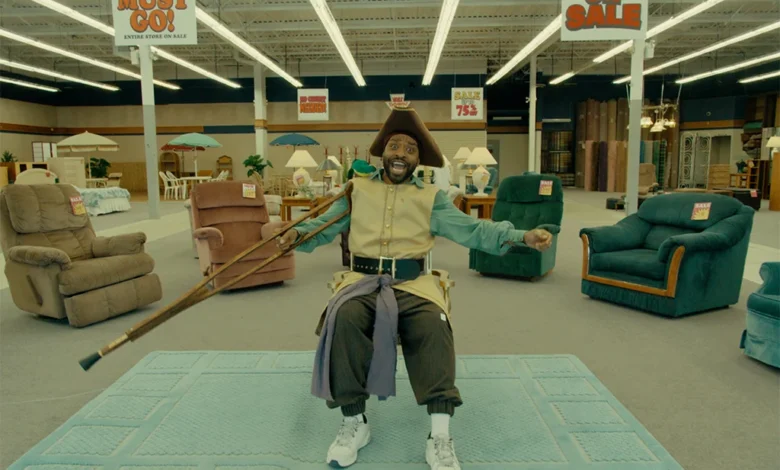
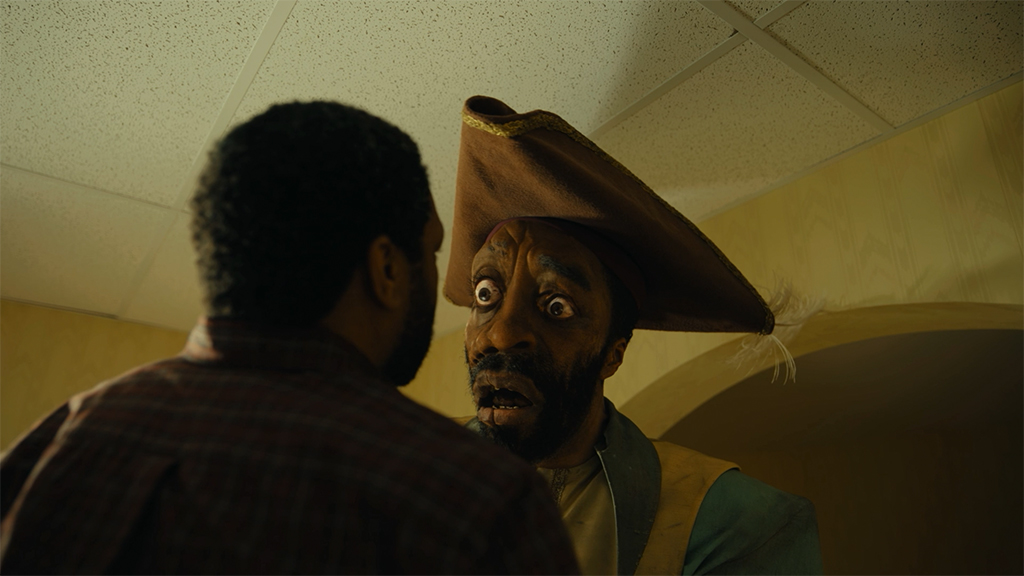
Among the most formidable challenges of the production was "Pirate Clark," an 8.5-foot-tall monstrous duplicate of the protagonist. Early production meetings floated the idea of utilizing stunt performers on stilts, but the team quickly realized the logistical drag would severely compromise shooting schedules.
Salvation arrived when the production suggested casting towering performer Robert Bobroczkyi—who previously terrified audiences in Alien: Romulus—alongside veteran puppeteer Richard Darwin. Cast on a Thursday, Bobroczkyi arrived on set by Monday, establishing a performance anchored entirely in physical presence rather than digital simulation.
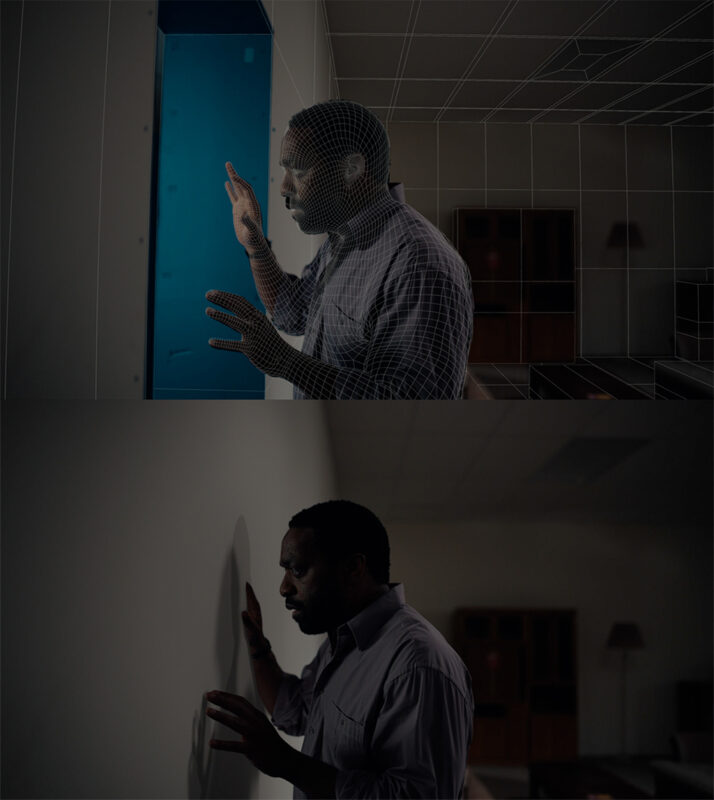
Because the character’s physical mask could not provide the required range of facial articulation, Zoic Studios constructed a digital face derived from a high-resolution 3D scan of Chiwetel Ejiofor. Rather than opting for standard, aggressive monster tropes—such as furrowed brows and snarls—the creative team consciously chose restraint. They infused the digital face with expressions of profound fear and sadness, requiring constant micro-animation to ensure consistent lighting and emotional resonance as the camera drifted across different angles.
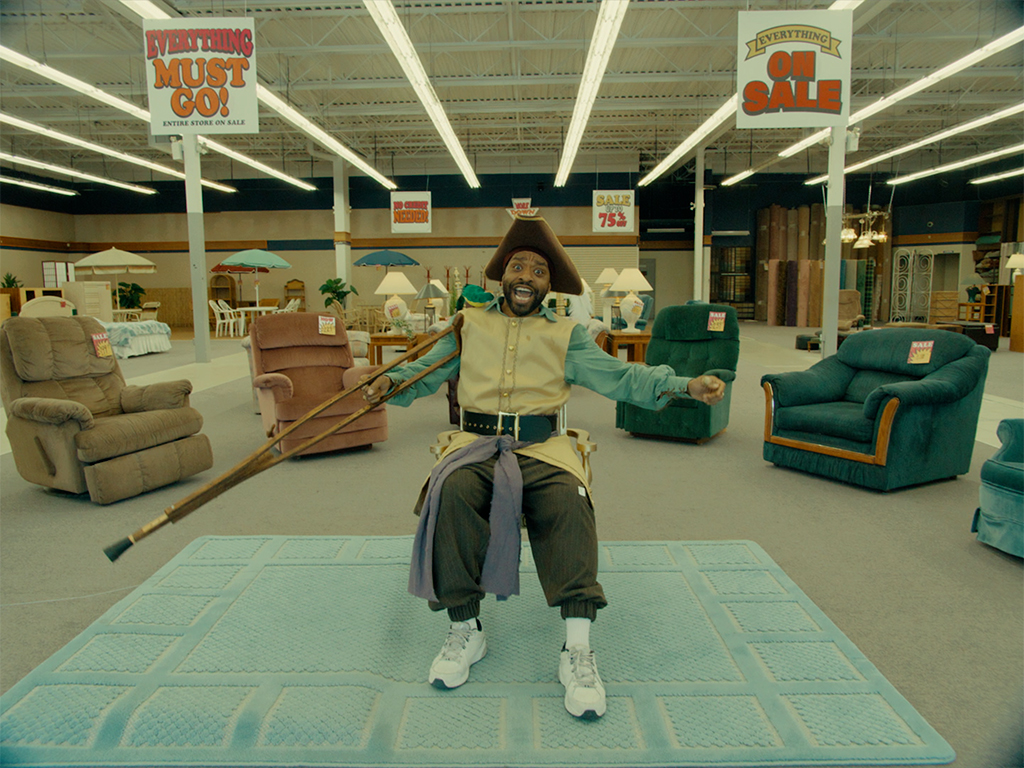
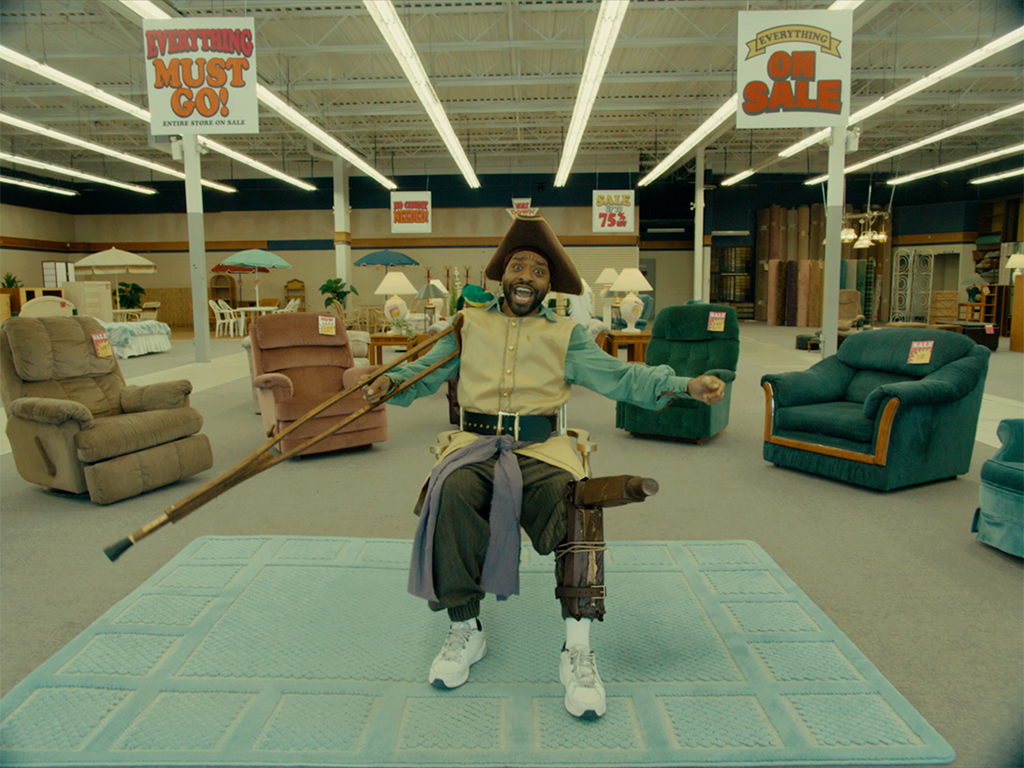
Safety also dictated several practical interventions throughout the shoot. In a sequence featuring Clark starring in a commercial for his furniture store, the character’s peg leg was rendered entirely via digital replacement. Hopping around a collapsing set on a physical peg leg presented unacceptable safety risks for the actor, prompting Roxel Creative and the VFX team to execute seamless pant and leg replacements.
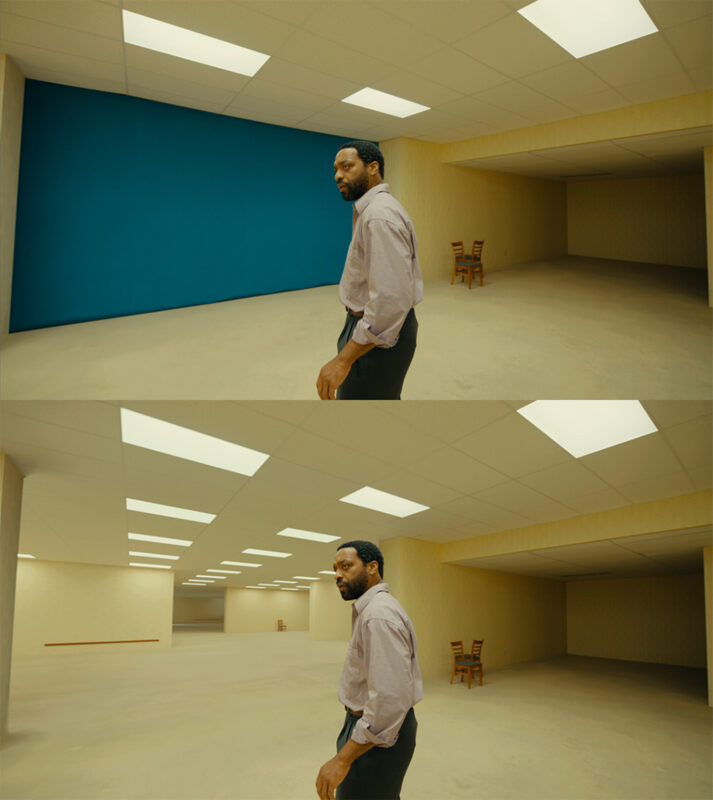
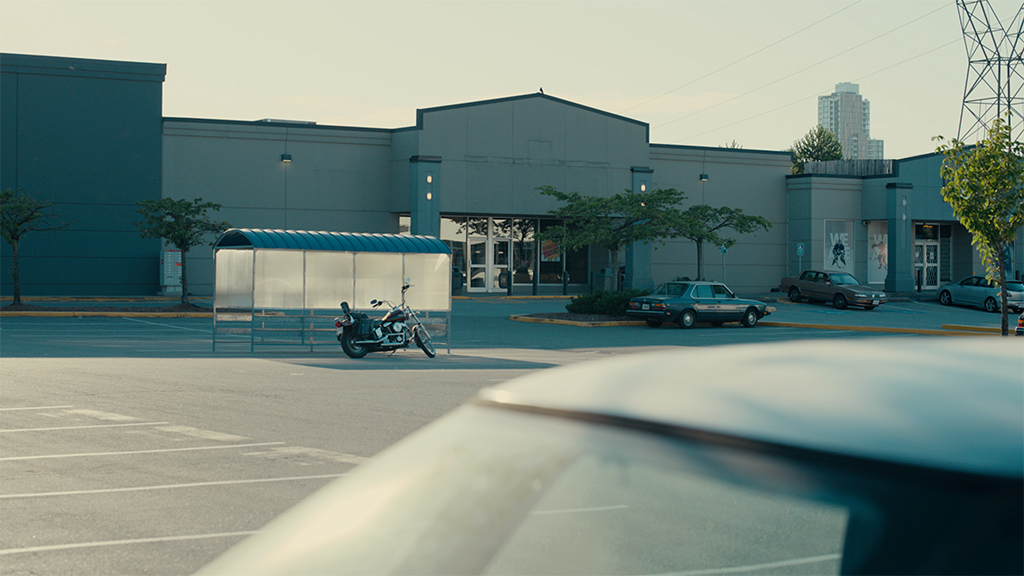
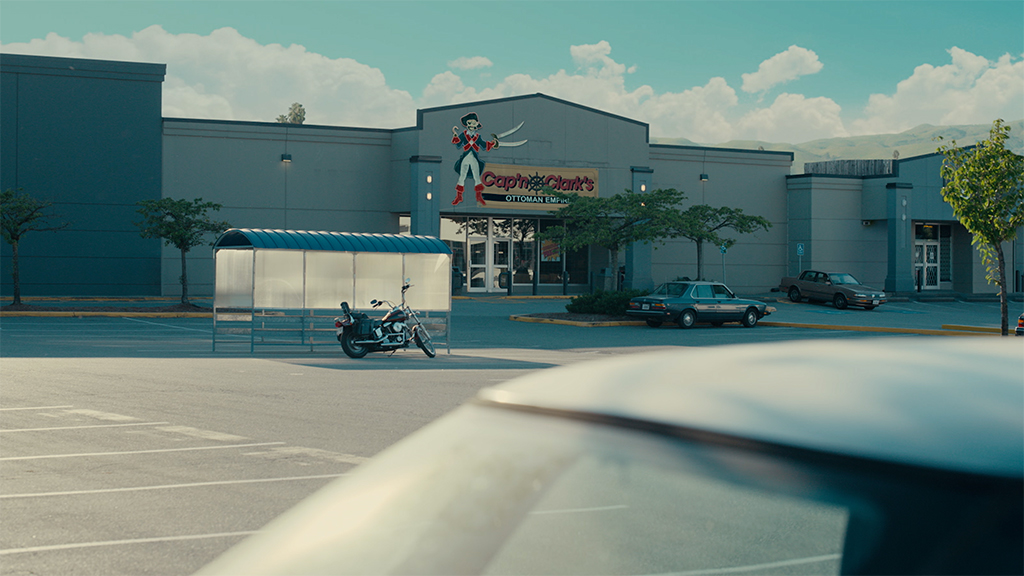
Similarly, exterior sequences required extensive digital face-lifts. Modern Vancouver streetscapes were meticulously scrubbed and replaced with period-accurate San Jose views, adjusting atmospheric skies and cloud layers to construct what Douglas characterized as an "uncanny dreamcore feeling."
A Monumental Indie Undertaking
The scale of visual effects intervention in Backrooms is staggering for a contemporary independent feature. Operating on a modest $10 million budget, the film features a total runtime of one hour and eighteen minutes, boasting 600 VFX shots out of a total 830 cuts across the entire picture. This massive undertaking required close collaboration across an unprecedented coalition of 11 external visual effects studios alongside an in-house team.
Partners including Stormborn VFX handled catastrophic digital simulations—such as an excavator crashing through the period-accurate interior of Mary’s childhood home—while CoSA VFX brought Parsons’ original 16-year-old Blender vision to life by up-resing the iconic "Threshold Chamber" set, blending minimal physical set pieces with sweeping virtual architecture.
Furthermore, the production leaned heavily into analog authenticity for its found-footage and VHS aesthetics. Eschewing digital simulation plugins, the crew ran footage physically through actual VHS playback hardware, manipulating frame-rate conversions, tape speeds, and tracking parameters. Director Kane Parsons even utilized a physical distortion box—functioning much like a guitar effects pedal—to manually jam visual degradation into cables transmitting signals between computers and VCR decks.
Industry Implications and Box Office Legacy
The unprecedented commercial explosion of Backrooms in 2026 has fundamentally altered industry perceptions regarding internet-born intellectual property. By entrusting a massive financial asset to a young digital creator while surrounding him with seasoned industry veterans, A24 has pioneered a new blueprint for translating viral internet lore into high-art cinematic horror.
The film’s success demonstrates that audiences are ravenous for hybrid filmmaking approaches. By marrying the tactile authenticity of practical prosthetics, physical set construction, and analog video manipulation with cutting-edge digital enhancement, the production team achieved a textured, tactile nightmare that strictly digital-first features often struggle to replicate.
As Backrooms continues to shatter box office expectations, its legacy will undoubtedly resonate throughout the halls of Hollywood. It stands as a testament to the power of cross-generational collaboration, proving that when raw internet ingenuity meets seasoned technical execution, the boundaries of modern cinema can expand into uncharted, terrifying dimensions.