Coyote vs. Acme crosses 50 million domestic box office milestone as long-shelved film finds redemption in theaters.

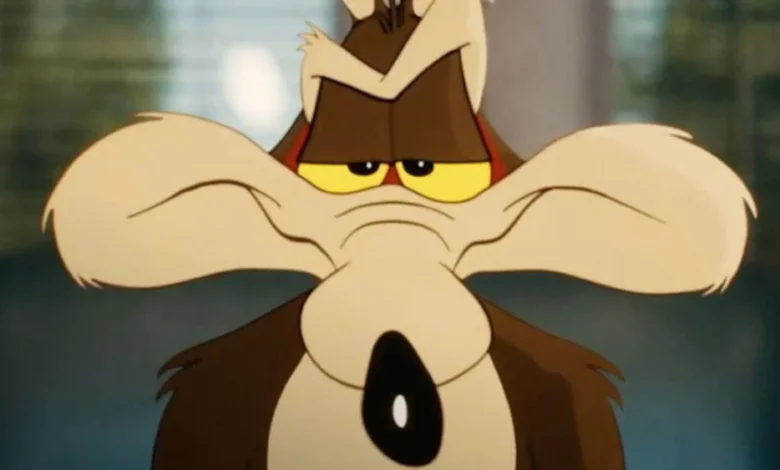
The hybrid live-action and animated feature Coyote vs. Acme has officially surpassed the $50 million mark at the North American box office, reaching a domestic total of $50,304,066 after 21 days of release. The film, directed by Dave Green and featuring the iconic Looney Tunes character Wile E. Coyote, has defied the odds, transitioning from a high-profile corporate tax write-off candidate to a commercial success story. According to data provided by Box Office Mojo, the film earned $434,090 on its most recent Thursday, securing a fifth-place position in the daily domestic rankings.
While the $50 million figure is a significant symbolic achievement, it represents a complex intersection of studio accounting, creative advocacy, and the shifting landscape of film distribution. The film’s journey from a completed project gathering dust in a Warner Bros. vault to a theatrical release under Ketchup Entertainment serves as a case study in how industry pressures and public sentiment can influence the fate of creative works.
A Chronology of the Coyote vs. Acme Controversy
The path to the big screen for Coyote vs. Acme was fraught with unprecedented industry turbulence. The project, which was fully completed in 2023, became a flashpoint for creative tension within Hollywood.
In late 2023, Warner Bros. Discovery announced its intention to shelve the film, citing a strategy to utilize the project as a tax write-down. This decision sparked immediate and widespread backlash from the creative community. Filmmakers, visual effects artists, and animation historians argued that treating a finished piece of art as a line item on a balance sheet was detrimental to the industry’s integrity. The outcry was bolstered by the film’s cast and crew, who noted the dedication of hundreds of artists who had spent years bringing the project to life.
Following weeks of intense pressure and social media campaigns, Warner Bros. reconsidered its decision to bury the film, instead allowing the production team to shop the project to other distributors. In a move that surprised many industry analysts, Ketchup Entertainment stepped in to acquire the worldwide distribution rights. Reports indicate the acquisition cost was approximately $50 million, a figure that the film has now effectively matched in domestic box office receipts alone.
Analyzing the Financials and Industry Implications
To understand the financial performance of Coyote vs. Acme, it is necessary to move beyond the headline figure of $50 million. While the film has effectively “earned back” the reported acquisition cost in domestic ticket sales, this does not translate directly into profit for Ketchup Entertainment.
The traditional theatrical revenue split dictates that cinemas retain a significant percentage of ticket sales, often ranging from 40% to 60% depending on the territory and the duration of the run. Furthermore, Ketchup Entertainment has incurred substantial marketing and distribution costs associated with bringing the film to the public.
However, domestic ticket sales are only one component of the film’s total revenue potential. According to estimates from Comscore, the film had already reached $82.8 million in worldwide box office gross as of last weekend. With several international markets still scheduled to debut the film, the final global tally is expected to rise. Beyond the theatrical window, the film will likely generate additional revenue through international licensing, home media, and streaming rights, which are standard components of a modern film’s long-term monetization strategy.
The Human Element of Film Production
The decision to move forward with the release of Coyote vs. Acme has been hailed as a victory for the hundreds of artists, animators, and technicians involved in the production. The narrative surrounding the film’s release has shifted from one of corporate erasure to one of creative preservation.
In the contemporary media environment, the commoditization of art has become an increasing point of friction between studio executives and creative talent. The practice of "shelving" completed films for tax purposes—a strategy used by several major studios in recent years—has been criticized for disregarding the cultural value of cinema. By successfully bringing the film to audiences, the distribution team behind Coyote vs. Acme has demonstrated that there is a tangible market for projects that studios may otherwise deem expendable.
Industry experts note that the success of this release may influence future studio decisions. When a film with a clear, established brand—such as the Looney Tunes franchise—proves capable of drawing millions in revenue, it complicates the argument that such projects are inherently unprofitable. The audience engagement with the film suggests that there remains a strong consumer interest in theatrical animation, particularly when it combines traditional slapstick comedy with modern production values.
.png)
The Broader Impact on Animation and Distribution
The trajectory of Coyote vs. Acme serves as a reminder of the volatility inherent in the current film distribution model. With the rise of streaming platforms, theatrical windows have become more precarious, and the risk-aversion of major studios has intensified. However, the intervention of independent distributors like Ketchup Entertainment highlights a growing secondary market for studio-discarded assets.
As the film continues its theatrical run, the focus for analysts will shift toward its long-term viability. The film’s performance has been steady, showing resilience against newer releases in a crowded September market. This stability is often attributed to the enduring popularity of the Wile E. Coyote brand, which appeals to a multi-generational audience.
Furthermore, the public reception of the film has been largely positive, with critics and audiences alike noting that the final product does not reflect the "unreleasable" status it was initially assigned. This contrast between the studio’s internal evaluation and the public’s reception has fueled further discourse regarding the quality control processes within large media conglomerates.
Looking Ahead
As of mid-September 2026, the future of Coyote vs. Acme is secure as a distributed, consumer-facing product. While the film may not result in the astronomical profits expected of summer blockbusters, it has cleared a significant hurdle that once seemed insurmountable.
The lasting legacy of this event may not be found in the total dollar amount, but in the precedent set for the handling of finished creative works. The success of the film at the box office acts as a validation for the artists who fought to ensure that their work was seen rather than destroyed. Whether this leads to a permanent shift in how studios view their "shelved" assets remains to be seen, but for now, the story of Coyote vs. Acme remains a definitive example of how audience support and creative advocacy can change the trajectory of a film’s history.
For now, the focus remains on the final weeks of the theatrical run, as the film looks to solidify its standing in the 2026 box office landscape. The data provided by Box Office Mojo and Comscore will continue to be monitored as the film expands into remaining international territories, providing a more comprehensive picture of its global impact. As the industry continues to navigate the complexities of post-pandemic distribution, the story of this particular production will undoubtedly be cited as a pivotal moment in the ongoing conversation between art, commerce, and corporate governance.
Related posts: