The Grand Opening of the Lucas Museum of Narrative Art Celebrates the Universal Power of Visual Storytelling in Los Angeles

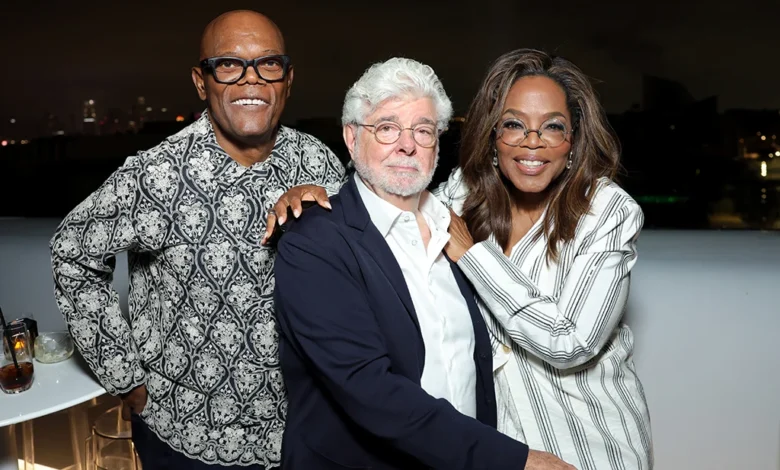
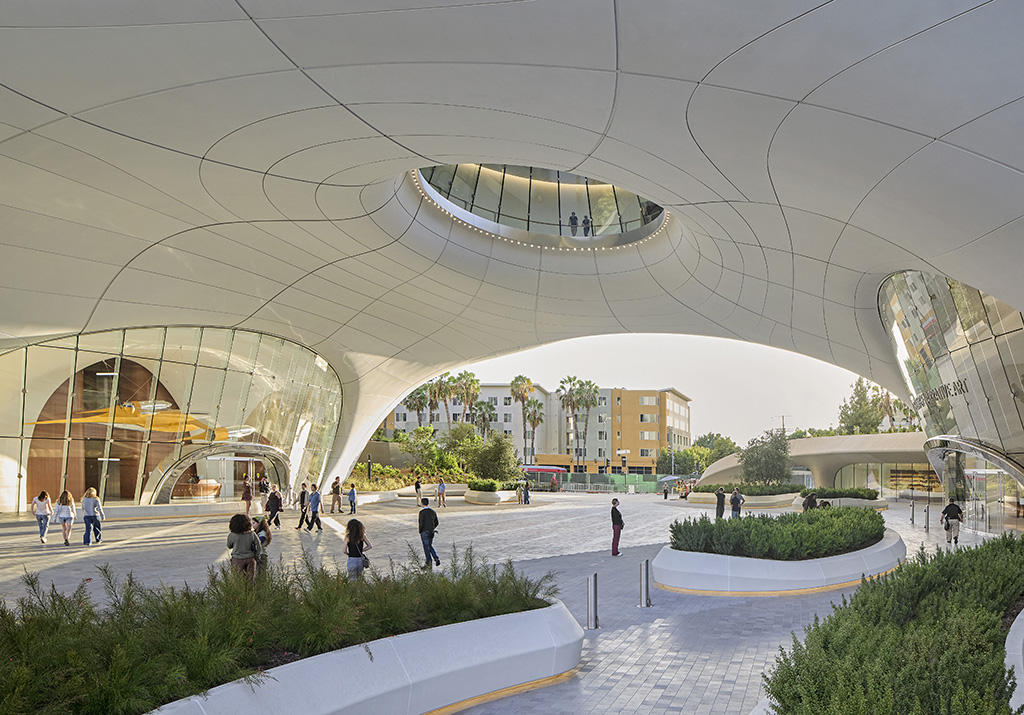
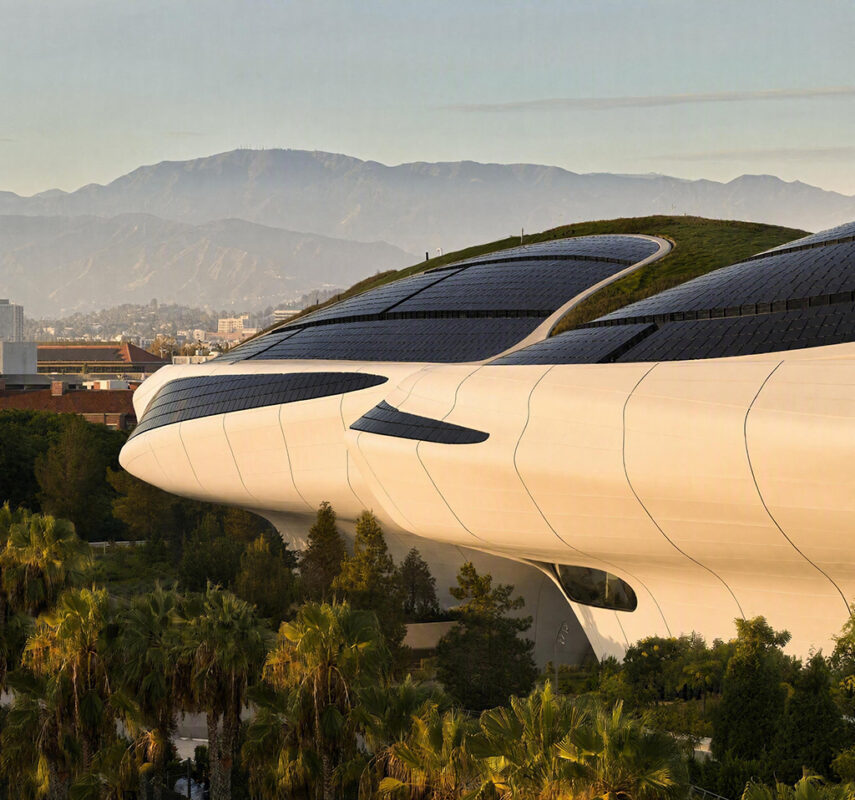
The cultural landscape of Southern California has expanded significantly with the official debut of the Lucas Museum of Narrative Art (LMNA). Situated in the heart of Los Angeles’s Exposition Park—directly adjacent to the University of Southern California (USC), the film-school alma mater of the institution’s famous founder—the museum represents the realization of a nearly two-decade vision shared by legendary filmmaker George Lucas and his wife, businesswoman and corporate leader Mellody Hobson. Encompassing a sprawling 300,000-square-foot architectural marvel designed by Ma Yansong of MAD Architects in collaboration with Stantec, and surrounded by a 13-acre campus park designed by Mia Lehrer of Studio-MLA, the institution is dedicated entirely to exploring the profound impact of visual storytelling across history, cultures, and mediums.
A Long-Awaited Vision Realized
The journey to establish the Lucas Museum of Narrative Art was marked by years of strategic planning, architectural refinement, and site relocation. Conceptualized nearly twenty years ago by Lucas and Hobson, who married in 2006, the institution initially faced the challenge of finding a permanent, fitting home for Lucas’s massive, ever-expanding private art collection. Lucas, who has consistently maintained that selling portions of his collection was never an option, originally eyed San Francisco’s historic Presidio for the project. When those plans stalled, the initiative shifted to Chicago, where legal hurdles ultimately prompted the founders to look elsewhere.
The final chapter of the site selection process brought the project to Los Angeles. Choosing Exposition Park placed the museum in a vibrant cultural hub alongside institutions like the California Science Center and the Natural History Museum of Los Angeles County, while deepening Lucas’s lifelong ties to USC. The resulting facility—frequently described by its founders as a "temple of the people’s art"—is designed to bridge elite artistic movements and popular culture, treating both with equal scholarly and aesthetic reverence.
Architectural Innovation and Campus Design
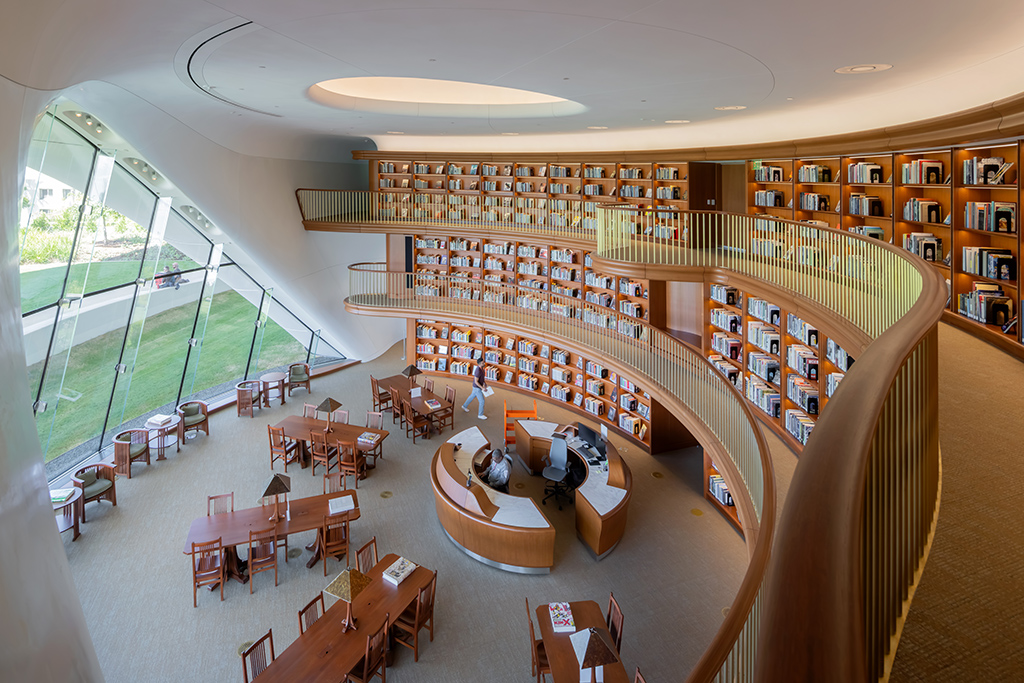
The physical structure of the LMNA is an organic, futuristic statement piece that mirrors the forward-looking nature of the art housed within. MAD Architects conceived the building to evoke a sense of emotional connection and wonder, departing sharply from traditional, box-like museum architecture. Visitors entering the campus are greeted by expansive green spaces, tranquil water features, and walking paths designed by Studio-MLA to offer a seamless transition from the urban environment of South Los Angeles into an oasis of reflection.
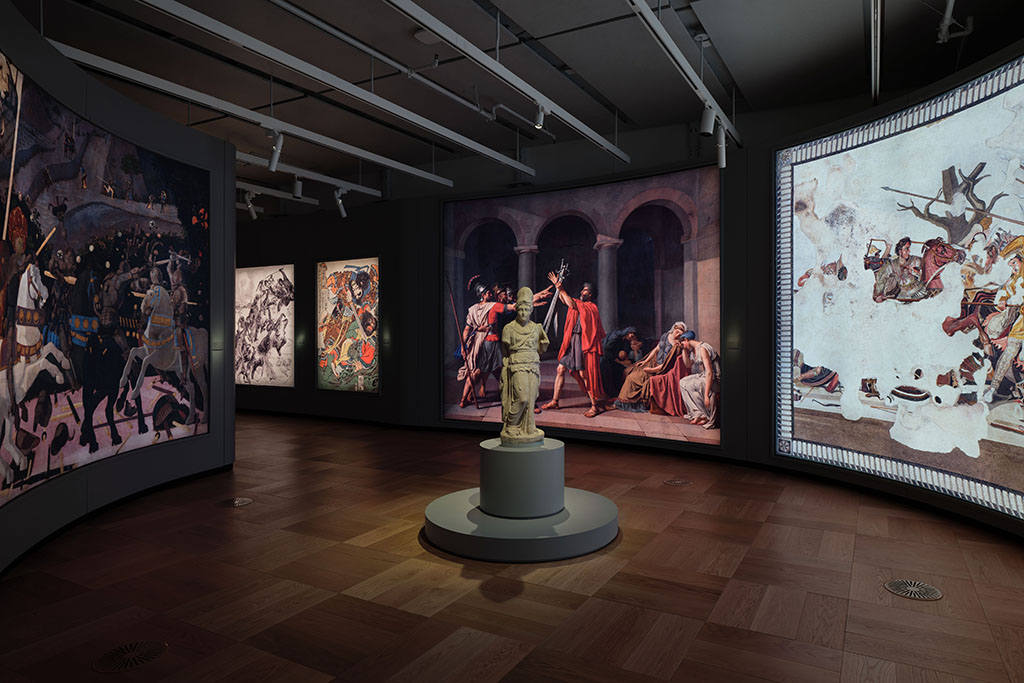
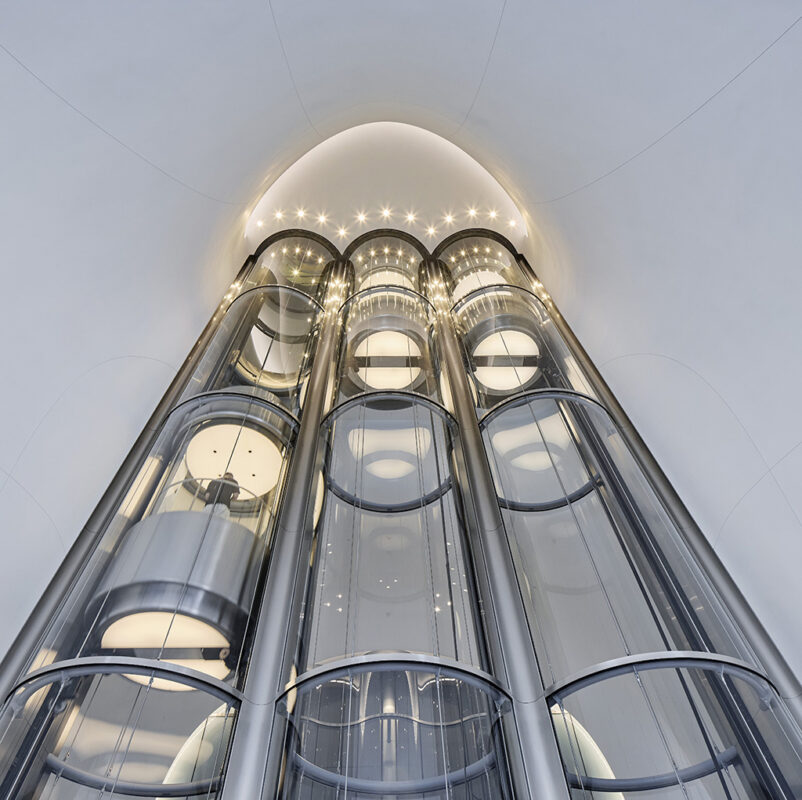
Upon entering the main building, patrons encounter pneumatic-style glass elevators that provide a futuristic ascent to the upper levels. These architectural choices set the stage for an immersive institutional experience. Inside, the museum features approximately 100,000 square feet of dedicated gallery space spread across 33 distinct galleries. The inaugural exhibitions alone showcase more than 1,200 objects drawn from an archival trove comprising over 40,000 individual works.
Exploring the Universal Language of Art
The conceptual framework of the museum finds its intellectual roots in the theories of eminent mythologist Joseph Campbell. Lucas, a devoted admirer of Campbell’s seminal 1949 work The Hero with a Thousand Faces, famously integrated Campbell’s exploration of monomyths and universal motifs into the narrative architecture of Star Wars. This philosophical undercurrent permeates the museum’s curatorial approach.
Ryan Linkof, Senior Curator and Head of Film Programs at the Lucas Museum, emphasizes that Campbell’s influence is evident in how the galleries are organized around fundamental human experiences. Across the 33 galleries, exhibitions explore enduring themes such as family, love, childhood, and community. By displaying these concepts side-by-side, the museum demonstrates how storytellers and artists across different eras and geographies utilize shared motifs to communicate core truths about the human condition.
The breadth of the permanent collection is staggering, encompassing multiple artistic disciplines that have historically been segregated by traditional art historical institutions. The holdings feature masterworks of fine art and illustration by Norman Rockwell, N.C. Wyeth, Frida Kahlo, and Thomas Hart Benton; monumental murals by Diego Rivera, Judith Baca, and JR; and groundbreaking photography by Dorothea Lange, Robert Capa, Gordon Parks, and Alfred Eisenstaedt. Furthermore, the museum validates and elevates popular illustration, comic books, and graphic novels, displaying original works by industry pioneers such as Frank Frazetta, Jack Kirby, Moebius, R. Crumb, Frank Miller, and Winsor McCay.
Cinematic Innovation and Dedicated Theater Programming
While the visual arts hold a commanding presence, film is given a uniquely prominent role within the institution. The museum houses two state-of-the-art cinematic venues: the Robert Flaherty Theater and the Slavko Vorkapich Theater. Named after foundational figures in documentary and experimental filmmaking, these theaters break from traditional museum screening formats by operating on a continuous, drop-in basis throughout the day.
According to museum leadership, this flexible architecture allows visitors to engage with cinema organically. Patrons can step into a screening for a few minutes or remain for a 90-minute program, matching the cadence of their gallery walkthroughs.
The Robert Flaherty Theater focuses on the documentary tradition and the meticulous process of artistic creation. Its inaugural programming features episodes of Seeing is Believing: The Story of Narrative Art, a newly commissioned documentary series directed by Robin Dashwood. It also showcases episodes of the 2024 television series The Power of Film—created by Howard Suber, Doug Pray, and Laura Gabbert—alongside biographical documentaries profiling legendary creators whose work is featured in the museum, including Charles Schulz, Maurice Sendak, J.C. Leyendecker, Weegee, and Jim Lee, as well as Ron Mann’s classic documentary Comic Book Confidential.
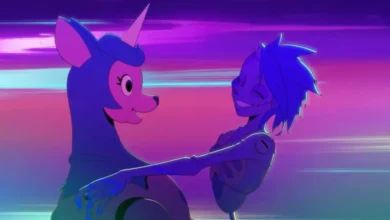
Meanwhile, the Slavko Vorkapich Theater is dedicated to "the emotion of motion," highlighting cinematic experimentation, special effects, and early montage techniques. The programming traces the evolution of moving images from the earliest silent experiments by Georges Méliès, Émile Cohl, W.K.L. Dickson, and Edwin S. Porter to the pioneering animations of Winsor McCay, Walt Disney, and Max and Dave Fleischer. Modern and avant-garde works are equally represented, with abstract "visual music" films by Mary Ellen Bute, Oskar Fischinger, and Jordan Belson; experimental shorts by Man Ray, László Moholy-Nagy, Stan Brakhage, and Kenneth Anger; and contemporary anime selections, including episodes of Star Wars: Visions and Cowboy Bebop. Notably, the theater also screens rare student films created by George Lucas between 1965 and 1969.
A Destination for Star Wars Aficionados and Scholars Alike
Given its founder’s legacy, the museum naturally holds immense appeal for devotees of the Star Wars franchise and film history buffs. Beyond the foundational theoretical connections to the hero’s journey, the institution provides rare access to physical artifacts from the Lucas Archives.
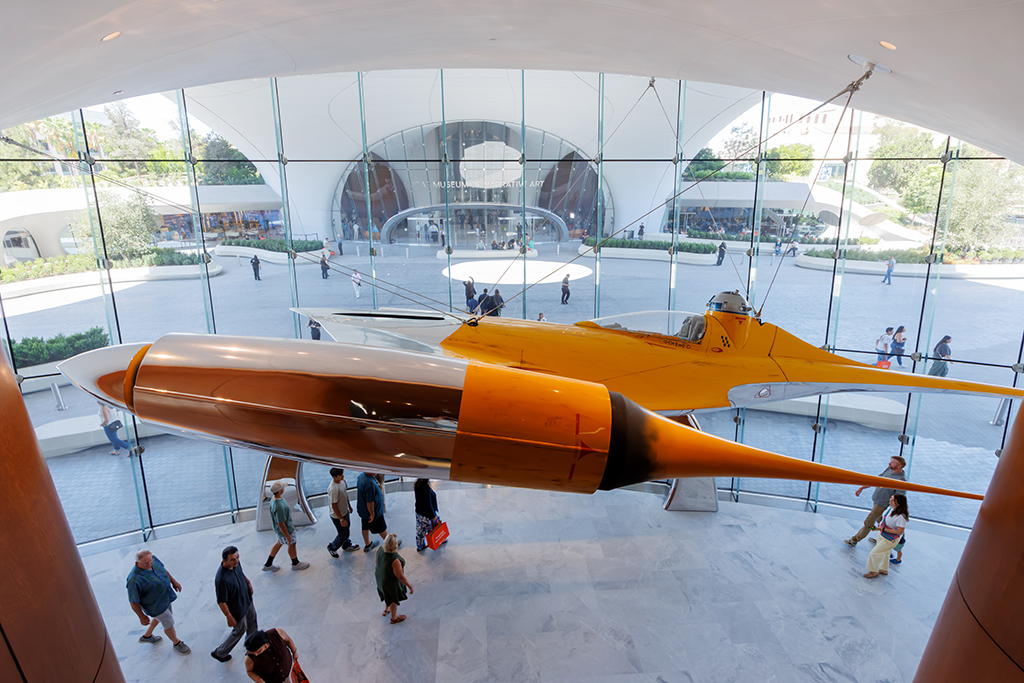
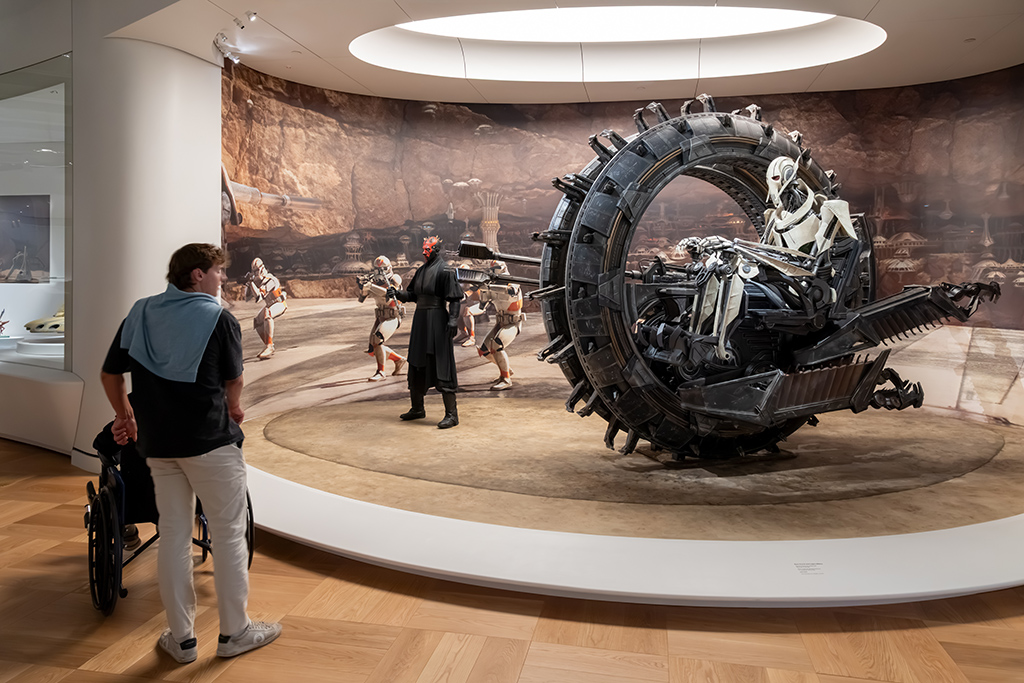
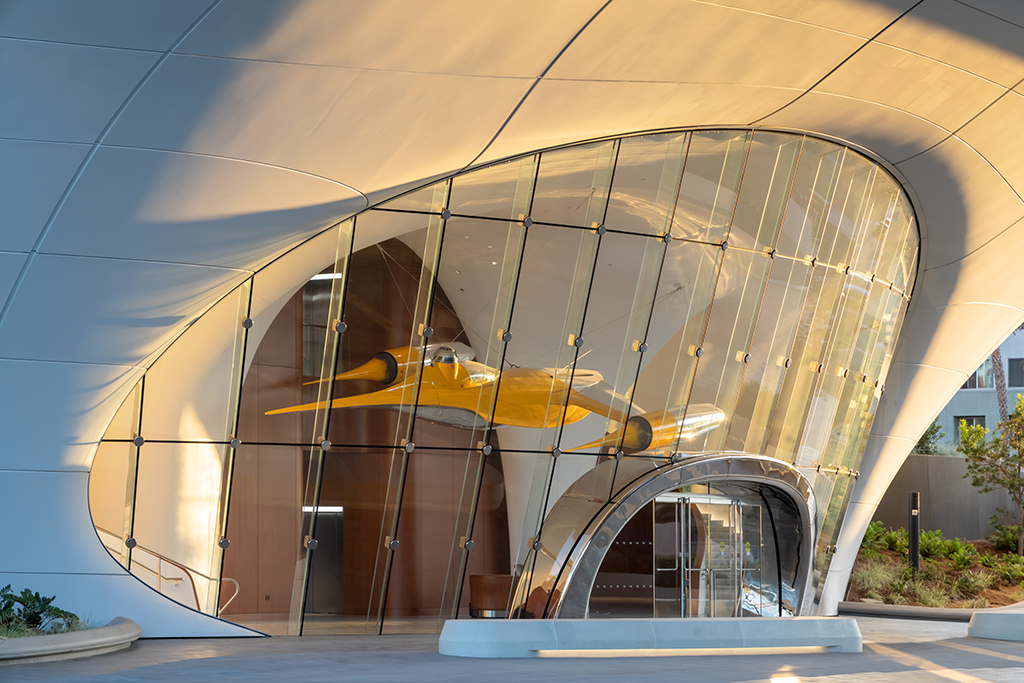
The Star Wars in Motion exhibition anchors a significant portion of the pop-culture programming, displaying iconic, screen-used items such as Darth Vader’s costume from Revenge of the Sith and a life-size Naboo N-1 Starfighter suspended dynamically in the lobby. Furthermore, the programming includes rare archival screenings, such as episodes of Star Wars Detours, the previously unaired animated series created by Lucas alongside Seth Green and Matt Senreich.
Broader Economic and Cultural Implications
The opening of the Lucas Museum of Narrative Art is expected to generate profound cultural and economic ripple effects throughout Los Angeles. By anchoring itself in Exposition Park, the museum contributes to the ongoing revitalization of South Los Angeles as a premier educational and cultural destination. The institution’s commitment to public educational programming, accessible gallery spaces, and community outreach is projected to draw hundreds of thousands of local, national, and international visitors annually.
From an academic perspective, the LMNA challenges traditional hierarchies within the art world. By placing comic book art, conceptual illustration, cinematic storyboards, and digital visual effects on the same architectural plane as oil paintings and classical photography, the museum legitimizes narrative art as a primary vehicle for global communication and cultural cohesion.
As the Lucas Museum of Narrative Art opens its doors to the public, it stands as both a monument to an unprecedented private collection and an inclusive civic space. By honoring the artists who shape our collective imagination—from ancient storytellers and 20th-century illustrators to modern experimental filmmakers and digital animators—the institution fulfills its foundational promise: to demonstrate that narrative art remains the most powerful tool humanity possesses for connecting individuals to something larger than themselves.