Top-Rated Werner Ladders for Home Improvement: A Comprehensive Consumer Guide

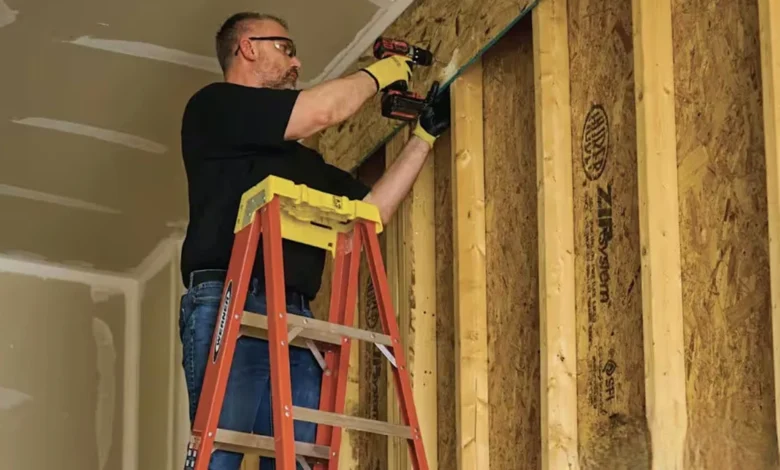
When undertaking routine home maintenance, property renovations, or basic DIY tasks, selecting the correct equipment is a fundamental requirement for both efficiency and personal safety. Among the numerous tools considered essential for residential upkeep, the ladder remains universally indispensable. Whether homeowners are clearing seasonal debris from roof gutters, painting interior walls, trimming overgrown foliage, or accessing high-ceiling light fixtures, a reliable ladder provides crucial vertical reach. While the home improvement marketplace features a wide variety of brands, manufacturers, and structural configurations, Werner Co. has established a dominant market presence. Frequently featured on top-tier tool recommendation lists and heavily stocked by major national home improvement retailers such as The Home Depot and Lowe’s, Werner ladders have consistently earned high consumer confidence, with many models maintaining aggregate customer approval ratings of 4.5 stars and above out of thousands of verified reviews.
The Evolution and Market Standing of Modern Ladders
The modern consumer ladder market has evolved significantly from the simple wooden and heavy metal designs of the mid-20th century. Today’s manufacturing standards emphasize lightweight portability, enhanced structural integrity, and strict adherence to safety certifications established by organizations such as the American National Standards Institute (ANSI) and the Occupational Safety and Health Administration (OSHA). Choosing the proper ladder requires evaluating several technical factors, including maximum load capacity, working reach height, material composition—typically aluminum, fiberglass, or a hybrid combination—and the specific operational environment. For instance, professionals and knowledgeable DIYers working near electrical lines universally prioritize non-conductive fiberglass rails over conductive aluminum. Meanwhile, homeowners managing storage constraints often weigh the benefits of compact step ladders against versatile multi-position configurations. Within this competitive commercial landscape, Werner Co. has maintained its reputation for durability and engineering innovation, capturing a substantial share of consumer preference across diverse product categories.
Analysis of Top-Rated Werner Ladder Models
To provide consumers with an objective overview of the marketplace, an evaluation of user data, retail pricing, and structural specifications highlights several standout models from Werner’s extensive catalog. These models span extension ladders, compact step stools, multi-position apparatuses, and standard folding ladders, each addressing specific residential maintenance needs.
16-Foot Fiberglass Extender Ladder
For exterior maintenance tasks requiring elevation beyond the capabilities of standard folding step models, extension ladders are the industry standard. Werner’s 16-Foot Fiberglass Extender Ladder (Model FE1016-2) is designed specifically for tasks such as second-story gutter cleaning, roof inspection, and high tree-limb management. Priced at approximately $209 through major home improvement retailers like The Home Depot, this Type I duty-rated ladder features a 250-pound load capacity and utilizes a lightweight fiberglass and aluminum construction.
Consumer reception for this model has been largely positive, reflected in a 4.7-star aggregate rating derived from hundreds of verified reviews. Safety features are frequently highlighted in positive feedback, with users noting the effectiveness of the non-slip treads and the proprietary Alflo anti-twist rung joints, which mitigate the structural flex often associated with leaning extension ladders. However, some newer users note that extension ladders can feel inherently less stable than self-supporting folding models, and a minor subset of reviews pointed to shipping-related cosmetic damage as a logistical drawback.
Two-Foot Aluminum Step Ladder
Conversely, interior projects often demand compactness rather than extended vertical reach. Utilizing a large extension or tall A-frame ladder inside confined residential spaces can result in accidental damage to walls, door moldings, and light fixtures. To address these scenarios, the Werner 2-Foot Aluminum Step Ladder (Model 150B) offers a compact, cost-effective solution. Retailing at approximately $79.97, this Type IA duty-rated ladder supports up to 300 pounds while weighing a mere 5.5 pounds.
Certified to meet ANSI and OSHA standards, the 3-step aluminum apparatus features a wide top step, slip-resistant treads, and pinch-proof spreaders. With over 1,300 reviews on major retail platforms maintaining a 4.7-star average, the model is frequently praised for its robust build quality, lightweight portability, and easy storage footprint. As with many large consumer goods purchased online, sporadic delivery issues have been reported, prompting recommendations for in-store procurement when feasible.
Five-in-One Multi-Position Aluminum Ladder
For homeowners seeking maximum versatility across a broad spectrum of projects, multi-position ladders offer multiple configurations within a single unit. Werner’s 5-in-1 Multi-Position Pro 26-Foot Reach Aluminum Ladder (Model MT-26IAAXTHD) represents the higher end of the consumer pricing spectrum, retailing at approximately $389. Despite its premium cost compared to budget alternatives found at discount wholesale clubs, the ladder functions as a standard A-frame step ladder, a stairway stepper, a 90-degree wall ladder, a 25-foot extension leaner, and a two-base scaffolding system.
Built to support up to 375 pounds (Type IAA duty rating), the unit incorporates Powerlite rails, slip-resistant feet, and shatter-proof J-locks while maintaining a total weight under 50 pounds. Consumer response remains strong, registering a 4.7-star average across nearly 1,500 reviews. Users frequently cite its exceptional versatility and heavy-duty construction as primary benefits, though some caution that the transformation mechanism requires physical effort and familiarity, and suggest purchasing the unit during promotional retail sales.
Six-Foot Fiberglass Step Ladder
For standard household and painting tasks requiring a balance of reach, stability, and electrical safety, the Werner 6-Foot Fiberglass Folding Step Ladder (Model NXT1A06xAC27) serves as a traditional workhorse. Retailing around $184.96, this model often includes bundled accessories such as a Lock-In Paint Cup and liner system.
Engineering features include non-conductive fiberglass rails suitable for electrical work, a 300-pound load capacity, and an overall weight of 22 pounds. Furthermore, the ladder incorporates integrated carabiner points for securing tools during elevated work. Garnering thousands of reviews with a 4.8-star average, the model is praised for its rigid platform stability and practical accessory integration, with minor criticisms primarily focusing on transit logistics rather than product design.
Four-Foot Fiberglass Step Ladder
Representing one of the most thoroughly reviewed consumer ladders in the manufacturer’s catalog, the Werner 4-Foot Fiberglass Step Ladder (Model FS104CZ) is widely recognized for its high volume of positive user validation. Retailing at approximately $109, this Type I duty-rated ladder supports up to 250 pounds and boasts an average rating of 4.7 stars derived from more than 6,500 customer reviews, with an overwhelming majority indicating they would recommend the product to others.
Safety and ergonomic enhancements distinguish this model, featuring extra-large stability feet that provide increased gripping surface area compared to standard designs, and ComfortZone aluminum steps that expand standing surface area by approximately 30 percent. The top cap includes 12 specialized Lock-In slots designed to accommodate hand tools, hardware, and painting supplies. While negative feedback remains minimal—comprising roughly one percent of total reviews and occasionally citing durability expectations or delivery friction—the sheer volume of positive consumer consensus establishes it as a benchmark in compact residential ladder design.
Safety Protocols and Regulatory Compliance
Regardless of the specific brand or model selected, industry experts and regulatory bodies emphasize that ladder safety is fundamentally dictated by proper usage, inspection, and maintenance. According to OSHA guidelines, falls from elevation remain among the leading causes of serious work-related injuries and fatalities in both occupational and residential settings.
Consumers are strongly advised to adhere to fundamental safety protocols before every use:
- Pre-Inspection: Check all structural components, including rungs, rails, feet, spreaders, and locking mechanisms, for signs of wear, cracks, corrosion, or mechanical failure. Damaged ladders should be immediately removed from service.
- Load Limitations: Never exceed the combined weight of the user, clothing, tools, and materials specified by the ladder’s duty rating (e.g., Type I for 250 lbs, Type IA for 300 lbs, Type IAA for 375 lbs).
- Placement and Angle: Ensure extension and leaning ladders are placed on stable, level ground utilizing the standard 4-to-1 rule (one foot out from the base for every four feet of height to the support point). Step ladders must be fully opened with spreaders securely locked.
- Three-Point Contact: Maintain three points of contact (two hands and a foot, or two feet and a hand) while ascending or descending, and avoid overreaching beyond the side rails while positioned on the rungs.
Economic Implications and Consumer Decision-Making
The market for residential ladders reflects a broader consumer trend toward durability, safety certification, and multi-functionality over initial cost savings. While budget-oriented alternatives are readily available through discount outlets and private-label hardware brands, consumer review trends indicate a strong willingness among homeowners to invest in established brand names with proven safety records.
From an economic perspective, purchasing a higher-quality, ANSI-compliant ladder mitigates long-term replacement costs and significantly reduces the probability of structural failure or injury-related liabilities. Furthermore, the inclusion of integrated accessory systems—such as paint cups, tool trays, and secure fastening points—enhances workflow efficiency, reducing the frequency of unsafe worker movement up and down the rungs. As homeowners increasingly take on complex DIY maintenance projects, the demand for reliable, certified climbing equipment is expected to remain robust, reinforcing the market position of legacy manufacturers who prioritize rigorous testing, ergonomic design, and transparent consumer feedback.