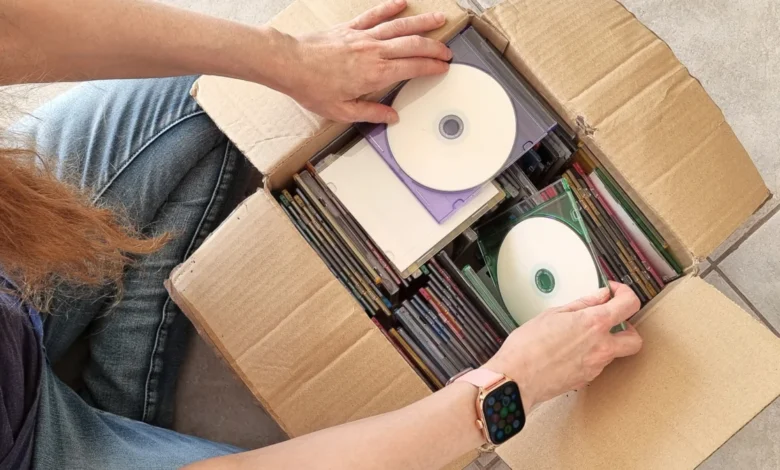
The capacity of a Compact Disc (CD) to store music is not a static figure but rather a dynamic variable influenced by several key factors, primarily the length of individual tracks and the format in which the audio is encoded. While a standard audio CD, adhering to the Red Book standard, has a maximum theoretical playback time of 80 minutes, the actual number of songs it can accommodate can fluctuate significantly. This variability stems from the diverse lengths of musical compositions and the differing data footprints of various audio file formats. Understanding these nuances is crucial for anyone looking to curate playlists or archive their music collection onto this once-ubiquinary digital medium.
The Standard Audio CD: A Time-Based Limit
At its core, a standard audio CD is designed to hold a specific duration of uncompressed audio. The Red Book standard, established by Sony and Philips in 1980, dictates that a CD can store up to 74 minutes of audio. However, advancements in manufacturing allowed for an extended capacity of 80 minutes on many later pressings. This 80-minute limit is the primary constraint when considering how many songs can fit on a CD in their pure, uncompressed audio format, typically found in formats like WAV or AIFF.
To estimate the number of songs within this 80-minute window, analysts have examined trends in popular music. A study by UCLA, which analyzed popular songs on streaming platforms like Spotify, found that the average song length falls between three and a half to five minutes. Taking a midpoint of approximately four minutes and fifteen seconds per song, an 80-minute audio CD could theoretically hold around 18 to 19 songs. This figure serves as a useful benchmark for users looking to burn traditional audio CDs from their digital music libraries.
The Rise of MP3 CDs: Data Storage and File Compression
The advent of digital audio compression, most notably the MP3 format, revolutionized how music was stored and shared, and consequently, how many tracks could fit onto a CD. Unlike uncompressed audio, MP3 files utilize lossy compression algorithms to significantly reduce file size while aiming to minimize perceptible loss in audio quality. This efficiency transforms the CD’s capacity from a time-based limitation to a data-based one.
A standard CD-ROM, the type commonly used for data storage, has a capacity of approximately 700 megabytes (MB). When audio is encoded into MP3 files, the number of songs that can be stored becomes highly dependent on the bitrate of those MP3 files. Bitrate, measured in kilobits per second (kbps), directly correlates with file size and audio quality.
For instance, a common bitrate for MP3s is 128 kbps, which strikes a balance between file size and acceptable audio fidelity for many listeners. At this bitrate, an average song file might be around 4 MB. With a 700 MB CD capacity, this would allow for approximately 175 songs (700 MB / 4 MB per song). If higher quality MP3s are used, such as those encoded at 256 kbps or 320 kbps, the file sizes increase, and consequently, the number of songs that can fit on the disc decreases. Conversely, using lower bitrates, like 64 kbps or 96 kbps, could potentially fit over 300 songs, albeit with a noticeable degradation in sound quality.
Beyond MP3, other lossless or near-lossless audio formats like FLAC (Free Lossless Audio Codec) offer superior audio fidelity but result in larger file sizes than MP3s. A FLAC file of a song of similar duration might be 20-30 MB or even larger, drastically reducing the number of tracks that can fit on a 700 MB CD. This highlights the trade-off between audio quality and storage capacity when creating data CDs for music.
Exploring Advanced Storage and "Overburning"
While standard capacities are well-defined, there have been methods and disc types designed to push the boundaries of CD storage. Some recordable CDs were manufactured with slightly higher capacities or were designed to accommodate "overburning." Overburning is a technique that involves writing more data to a CD than its officially rated capacity. This is achieved by overriding the usual safety margins and buffer zones that the CD writing software and hardware adhere to.
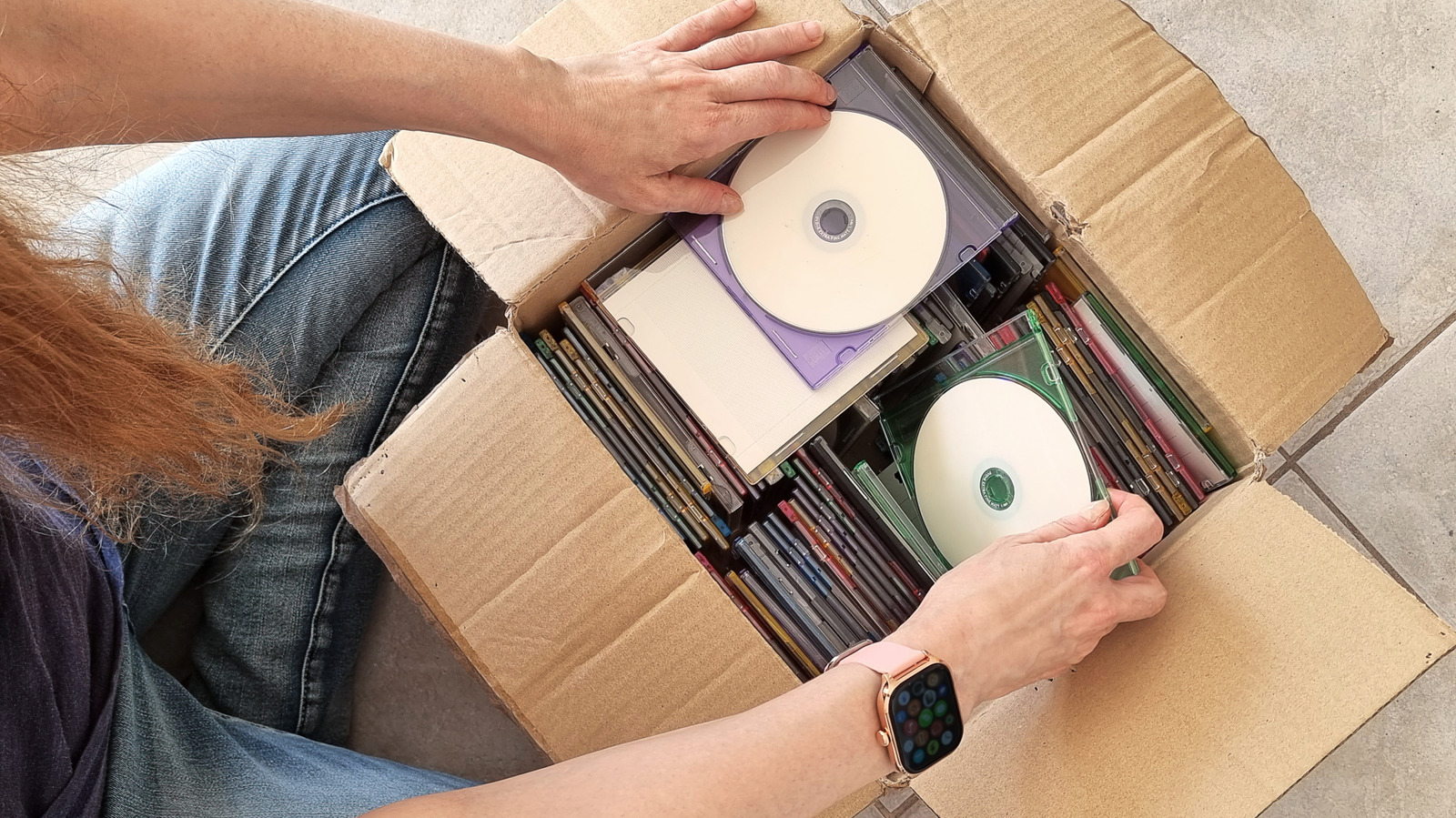
The success and feasibility of overburning depend on several factors. Firstly, the blank CD-R media itself must be capable of accepting the extra data without errors. Secondly, the CD-burning software must support the overburning function, allowing the user to specify a larger target capacity. Finally, and perhaps most crucially, the playback device (e.g., a CD player or computer drive) must be able to read the overburned disc. Many older or less sophisticated CD players may struggle or fail to play discs that have been overburned, leading to playback errors or complete inoperability. This makes overburning a risky proposition for creating widely compatible music discs.
The potential benefit of overburning can be significant, allowing users to cram an extra few minutes of audio onto a disc. For an 80-minute audio CD, overburning might theoretically push the capacity to around 90 minutes, thus accommodating a few more songs if the average track length is on the shorter side. However, the increased risk of incompatibility often outweighs the marginal gain in storage for many users.
The Evolution of Audio Formats and Their Impact on CD Capacity
The evolution of audio encoding technologies has played a pivotal role in determining how much music could be stored on a CD. In the early days of digital audio, the choice was largely between uncompressed formats like PCM (Pulse Code Modulation), used in standard audio CDs, and the emerging compressed formats like MP3. The significant difference in file size between these formats meant that a CD could hold a drastically different number of songs.
-
Uncompressed Audio (e.g., WAV, AIFF, Red Book Audio): These formats store audio data without any compression, preserving the original sound quality but resulting in large file sizes. An 80-minute audio CD in this format typically holds around 18-20 songs. The data rate for Red Book audio is approximately 1.4 Mbps (megabits per second).
-
Lossy Compressed Audio (e.g., MP3, AAC): These formats use psychoacoustic models to remove inaudible or less perceptible parts of the audio signal, thereby reducing file size.
- MP3 (128 kbps): As mentioned, this common format allows for roughly 175 songs on a 700 MB CD.
- MP3 (320 kbps): A higher bitrate MP3 file, offering near-CD quality, might be around 8 MB per song, reducing capacity to about 87 songs.
- AAC (Advanced Audio Coding): Often used in Apple’s ecosystem, AAC can offer similar or better quality than MP3 at comparable or even lower bitrates, potentially allowing for a slightly higher song count than MP3 at the same perceived quality.
-
Lossless Compressed Audio (e.g., FLAC, ALAC): These formats compress audio data without discarding any information, meaning the original audio can be perfectly reconstructed. While offering superior sound quality compared to lossy formats, they result in larger file sizes. A FLAC file for a 4-minute song could range from 20 MB to 40 MB or more, meaning only about 17 to 35 songs would fit on a 700 MB CD.
The proliferation of these different formats meant that users had to make informed decisions about their priorities when burning CDs. For pure listening pleasure on a dedicated audio system, uncompressed or lossless formats were preferred, even if it meant fewer songs. For portable music players or sharing music where storage was a premium, MP3s at moderate bitrates became the standard.
The Context of the CD’s Dominance
The CD era, roughly from the early 1980s to the mid-2000s, saw the compact disc become the dominant medium for music consumption and distribution. The technology offered a significant upgrade in sound quality and convenience over vinyl records and cassette tapes, with features like skip-free playback and easy track selection.
The development of the CD-ROM in the late 1980s and early 1990s paved the way for its use in computers for data storage, including music files. The introduction of CD burners, initially expensive and complex, gradually became more accessible and affordable, empowering consumers to create their own music compilations. This DIY aspect of CD burning became a significant cultural phenomenon, enabling personalized mixtapes and the sharing of music among friends.
The Red Book standard for audio CDs was established in 1980, with the first CD players appearing in 1982. The widespread adoption of CD-ROM drives in personal computers in the mid-1990s coincided with the rise of digital audio compression, particularly MP3. This confluence of technologies allowed for the creation of "MP3 CDs," which were essentially data CDs containing a large number of MP3 files that could be played on compatible CD players or computers.
The transition from audio CDs to digital downloads and streaming services marked a significant shift in music consumption. While CDs offered a tangible product and often superior audio quality compared to early digital downloads, the convenience and vast libraries available through streaming platforms eventually led to a decline in CD sales. However, the enduring popularity of physical media among audiophiles and collectors, along with the nostalgic appeal of CDs, means they still hold a place in the modern music landscape.
Implications for Music Archiving and Playback
The variable nature of CD capacity has direct implications for how individuals manage and enjoy their music collections. For those who wish to archive their entire music library on CDs, understanding the trade-offs between different audio formats is paramount. Archiving in uncompressed formats will result in a smaller collection per disc but ensures the highest fidelity. Conversely, opting for compressed formats allows for a much larger collection on each disc, but with a potential compromise in sound quality.
Furthermore, the compatibility of playback devices is a crucial consideration. Older CD players are generally designed to read standard Red Book audio CDs. Newer devices, especially those manufactured after the widespread adoption of MP3s, are often equipped to handle "MP3 CDs" and may even support other formats like WMA (Windows Media Audio). However, even within MP3 playback capabilities, there can be variations in supported bitrates and encoding methods.
The rise of high-resolution audio formats in recent years has further complicated the landscape of digital music storage. While CDs were once the pinnacle of digital audio quality for the mass market, formats like FLAC, DSD (Direct Stream Digital), and others offer audio fidelity that surpasses that of a standard CD. However, storing these high-resolution files, which have significantly larger footprints, on CDs is often impractical due to capacity limitations. This has led to the adoption of larger storage mediums like DVDs, Blu-rays, or dedicated digital audio players and network-attached storage (NAS) devices for archiving high-resolution music collections.
Conclusion: A Flexible Medium in a Shifting Landscape
In summary, the question of how many songs can fit on a CD does not have a singular, definitive answer. It is a calculation that requires an understanding of the specific type of CD being used and the characteristics of the audio files being stored. Standard audio CDs offer a time-based limit of approximately 80 minutes, translating to roughly 18-20 songs of average length. Data CDs, on the other hand, are limited by their 700 MB capacity, with the number of songs fluctuating dramatically based on the audio file format and its compression level, ranging from a few dozen high-fidelity lossless tracks to hundreds of lower-bitrate compressed songs.
While the CD has largely been supplanted by streaming services and digital downloads as the primary mode of music consumption, its legacy as a versatile and accessible storage medium persists. For hobbyists, audiophiles, or those with extensive physical media collections, understanding the nuances of CD capacity remains a relevant aspect of digital audio management, offering a tangible connection to the music they cherish. The enduring ability of the CD to adapt, from pure audio to data storage, underscores its significant impact on the digital music revolution.