Splice Releases New Digital Nostalgia Free Drops for Splice INSTRUMENT Plugin

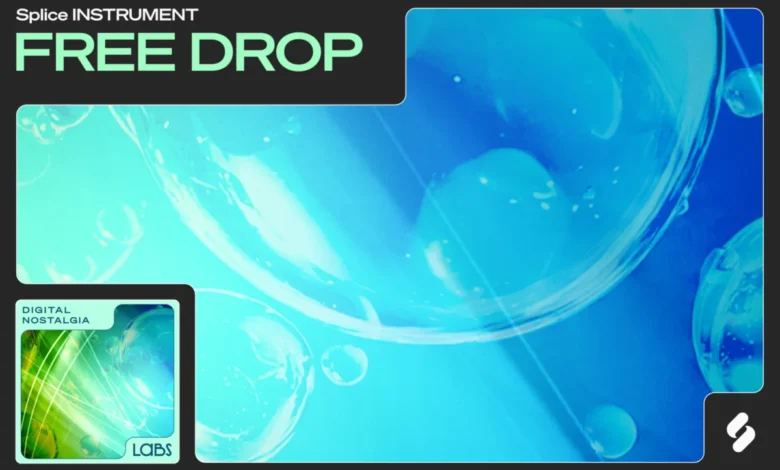
The digital music production landscape continues to evolve as Splice, a leading platform for music creators, announces the latest expansion of its "Free Drops" initiative within the Splice INSTRUMENT ecosystem. This month’s release centers on a curated selection of sounds designed to evoke a specific era of digital history, offering producers access to high-quality presets that blend retro-futurism with modern playability. The cornerstone of this update is the "Digital Nostalgia" pack, a collection that emphasizes the textures of the late 1990s and early 2000s, providing a sonic palette that ranges from glossy synthesizer plucks to atmospheric pads.
At the heart of the July 2026 update is the "Childhood Bedroom Pad," a preset meticulously engineered to capture the warmth of analog synthesis while maintaining the crisp, polished edge characteristic of early digital workstations. According to the company, these sounds are intended to facilitate the creation of "bedroom bangers," a nod to the thriving lo-fi and indie-pop movements that rely heavily on intimate, evocative textures. By offering these presets through a "Free Drop" window—where users can claim and keep the software permanently—Splice is reinforcing its strategy of lowering the barrier to entry for high-end sound design.
The Aesthetic of Digital Nostalgia: Frutiger Aero and Sound Design
The "Digital Nostalgia" pack is not merely a collection of random sounds; it is a thematic exploration of the "Frutiger Aero" aesthetic. This design movement, which dominated the tech industry from approximately 2004 to 2013, is characterized by its use of skeuomorphism, glossy textures, depictions of nature integrated with technology, and a general sense of techno-optimism. In the context of music production, this translates to sounds that feel "wet," "bright," and "airy."
To achieve this specific atmosphere, the sound designers at Splice utilized a combination of vintage analog hardware and modern digital processing. The presets in the pack are designed to mimic the output of early digital-analog hybrid synthesizers, which were staples in the production of Y2K-era pop and electronic music. The "Childhood Bedroom Pad," for instance, uses subtle pitch modulation and filtered noise to replicate the slight imperfections of aging hardware, while the core oscillators provide the stable, clean tones associated with the dawn of the high-definition era.
Beyond the synth pads, the update includes complementary elements such as soft nylon guitars and dry acoustic drums. These additions reflect a broader industry trend toward "organic-digital" hybrids. In modern indie pop and alternative R&B, producers often layer sterile digital synths with highly textured, intimate recordings of physical instruments. The inclusion of these elements in the Free Drops program suggests a strategic move by Splice to cater to the specific needs of the contemporary home-studio producer.
Technical Integration and the Splice INSTRUMENT Ecosystem
Splice INSTRUMENT, the host plugin for these presets, represents a significant shift in how the company delivers value to its subscribers. Historically known for its massive library of individual samples, Splice has increasingly moved toward "playable" content. INSTRUMENT allows users to take the raw samples they find on the platform and manipulate them within a dedicated VST/AU environment, turning static sounds into expressive MIDI-controlled instruments.
The "Free Drops" mechanism functions as a time-sensitive incentive. While the Splice INSTRUMENT plugin itself is free to download, the specific preset packs often rotate or require a subscription. By offering "Free Drops" that remain in the user’s library forever once claimed, Splice utilizes a "freemium" marketing model that encourages daily or weekly engagement with the software. This approach mirrors the "limited-time offer" strategies seen in gaming and retail, adapted for the digital audio workstation (DAW) environment.
To access the latest presets, users must open the Splice INSTRUMENT app or plugin and locate the "Free Drop" icon, represented by a water droplet. This integration ensures that the process of acquiring new sounds is seamless, requiring no external downloads or complex installation paths. For the professional producer, this minimizes "creative friction," allowing for the immediate application of new sounds into active projects.
Chronology of Splice’s Evolution in the Plugin Market
The release of the Digital Nostalgia pack is the latest milestone in a decade-long trajectory for Splice. To understand the significance of this update, it is necessary to look at the timeline of the company’s expansion into software:
- 2013–2015: Splice emerges primarily as a cloud-based backup and collaboration tool for producers, later launching its flagship "Sounds" marketplace, which revolutionized the industry by offering a credit-based subscription for individual samples.
- 2016–2018: The company introduces the "Rent-to-Own" model, allowing producers to pay for high-cost plugins like Serum and Arturia’s V Collection in affordable monthly installments. This period marked Splice’s transition from a sample provider to a central hub for music software.
- 2020–2022: Splice begins developing its own proprietary plugins, including "Bridge," which syncs samples to a DAW’s tempo, and "Astra," a versatile synth.
- 2023–2025: The launch of Splice INSTRUMENT marks a move toward simplifying sound design. The plugin is designed to be lightweight and intuitive, contrasting with the complexity of traditional "powerhouse" synths.
- 2026 (Current): The "Free Drops" initiative becomes a core feature of the ecosystem, focusing on thematic, high-concept sound packs like "Digital Nostalgia" to maintain user retention in an increasingly competitive VST market.
Industry Implications: The Democratization of Sound
The decision to provide high-quality presets for free carries broader implications for the music industry. As high-end production tools become more accessible, the "gatekeeping" of professional sound quality continues to diminish. Ten years ago, achieving the specific "glossy" sound of a high-end analog-digital hybrid synth would have required either expensive hardware or deep knowledge of complex synthesis. Today, these textures are available as a free download to anyone with a computer.
Industry analysts suggest that this trend is a response to the "subscription fatigue" felt by many creators. With dozens of companies offering subscription-based access to plugins, Splice’s "keep forever" Free Drops provide a sense of ownership that is often missing in modern software models. This builds brand loyalty, as producers are more likely to stay within an ecosystem where they have built a permanent library of tools.
Furthermore, the focus on "Bedroom Pop" and "Frutiger Aero" aesthetics highlights the importance of micro-trends in music production. Splice’s data-driven approach allows them to identify which genres and sounds are trending among their millions of users, enabling them to release content that is immediately relevant to current chart-topping styles.
Analysis of the "Digital Nostalgia" Sound Profile
From a technical standpoint, the "Digital Nostalgia" pack succeeds by focusing on the mid-range frequencies that define the Y2K sound. Unlike modern EDM, which often emphasizes extreme sub-bass and ultra-bright high ends, the music of the late 90s and early 00s occupied a warmer, more "contained" frequency spectrum.
The "Childhood Bedroom Pad" utilizes a slow-attack envelope, meaning the sound swells in gradually, making it ideal for background textures that don’t interfere with a lead vocal. The use of "soft digital timbres" implies a reduction in harsh harmonics, a common trait in early digital synthesis where processing power was limited, and designers had to be creative with how they filtered sounds. By recreating these limitations in a modern plugin, Splice provides a "vintage digital" character that is highly sought after in lo-fi hip-hop and vaporwave subgenres.
Official Responses and User Reception
While formal statements from Splice executives often emphasize the "community-first" nature of these drops, the underlying strategy is clearly focused on platform stickiness. "Our goal with Free Drops is to provide immediate inspiration," a Splice spokesperson noted during a recent product showcase. "We want the INSTRUMENT plugin to be the first thing a producer opens when they start a new track."
User feedback on social media and production forums has been largely positive, with many creators praising the specific "vibe" of the Digital Nostalgia pack. Producers have noted that the sounds fit well into "nostalgia-core" projects, a burgeoning genre on platforms like TikTok and YouTube. The ease of the "claim" process has also been cited as a major benefit, as it avoids the cumbersome serial number and activation processes associated with traditional plugin purchases.
Conclusion: The Future of Integrated Production Tools
As Splice continues to roll out monthly Free Drops, the INSTRUMENT plugin is poised to become a staple in the digital musician’s toolkit. By combining the vast resources of their sample library with a simple, playable interface and a generous distribution model, Splice is effectively bridging the gap between raw audio and finished composition.
The July 2026 update, with its focus on "Digital Nostalgia," serves as a reminder of the cyclical nature of art and technology. By looking back at the "new and bright" possibilities of the early digital age, Splice is providing modern creators with the tools to redefine the sound of the future. As the "Free Drops" window remains open for a limited time, producers are encouraged to integrate these nostalgic textures into their libraries, ensuring that the sounds of the past continue to resonate in the hits of tomorrow.
Related posts: