Coroner to the Stars Documentary Screening Starring Dr. Noguchi, Directed by Ben Hethcoat

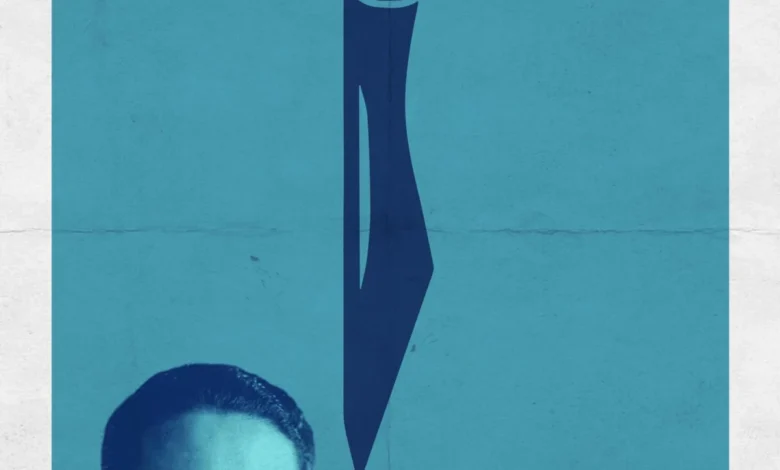
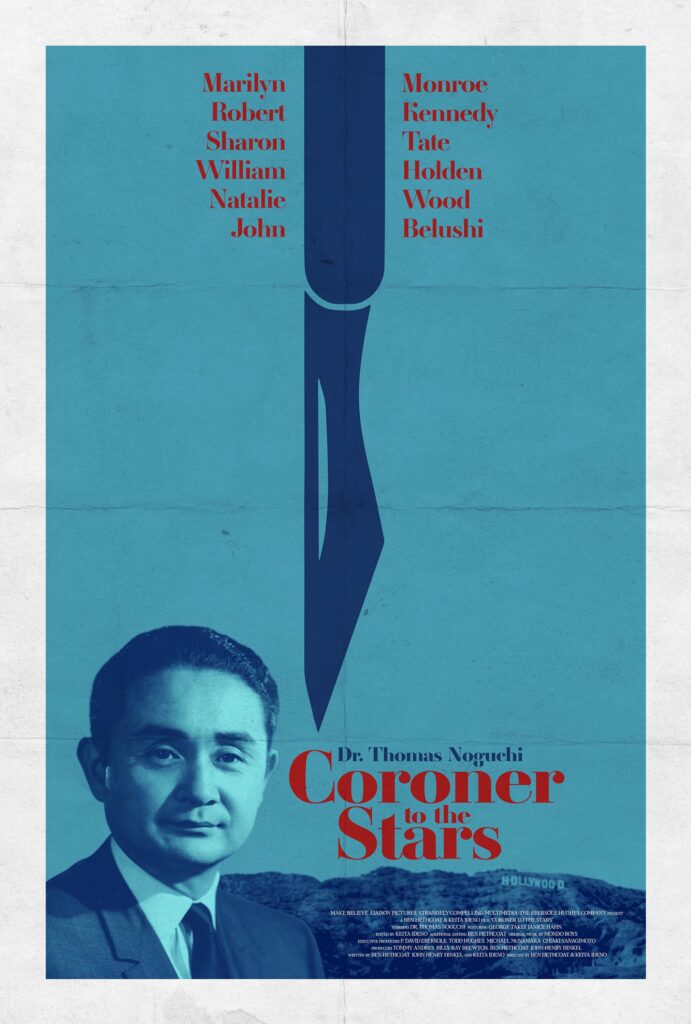
The burgeoning independent film scene in Southern California recently played host to a deeply compelling cinematic event at Festival Theaters in Palm Springs. Known increasingly as the Coachella Valley’s premier cultural hub for independent, arthouse, and community-driven cinema, the venue set the stage for a special screening of the documentary Coroner to the Stars. The feature focuses heavily on the legendary and often controversial Los Angeles Chief Medical Examiner, Dr. Thomas Noguchi, whose name became synonymous with the high-profile autopsies of Hollywood’s most iconic figures during the twentieth century. Following the screening, audiences participated in an engaging and intimate question-and-answer session featuring the film’s director, Ben Hethcoat, alongside Festival Theaters General Manager Zack Solomon.
The Genesis of a Cinematic Project: From a Bargain Bin to the Big Screen
The journey of bringing Dr. Noguchi’s complex life story to the screen began in an unexpected place: a $1 bargain book rack in Los Angeles. It was there that a producer working alongside director Ben Hethcoat stumbled upon Dr. Noguchi’s 1983 memoir, simply titled Coroner. Intrigued by the narrative potential, the production team recognized that Hethcoat possessed a uniquely personal connection to the subject matter. Hethcoat’s father worked as a coroner, imbuing the director with an authentic, lived-in understanding of the psychological toll, operational realities, and morbid fascination associated with the medical examiner profession.
This familial background proved invaluable, but securing the cooperation of Dr. Noguchi himself presented a formidable obstacle. Long before Hethcoat approached him, the retired medical examiner had grown deeply skeptical of media representations. Having spent decades in the glaring spotlight of tabloid journalism and sensationalized news reporting, Dr. Noguchi had frequently been burned by press outlets seeking a sensational headline rather than an accurate historical account. He was intensely wary of participating in another exploitative "gotcha" story that prioritized celebrity gossip over the scientific integrity of his life’s work.
Consequently, Hethcoat faced a rigorous test of patience and diplomacy. Earning the trust of a man who had spent his career dissecting secrets required a delicate, respectful approach. Rather than pushing for immediate interviews, the director invested time in understanding the man behind the headlines, eventually forging a genuine, enduring relationship that transcended the standard boundaries of documentary filmmaking.
Shifting Focus: From Celebrity Tragedy to Scientific Legacy
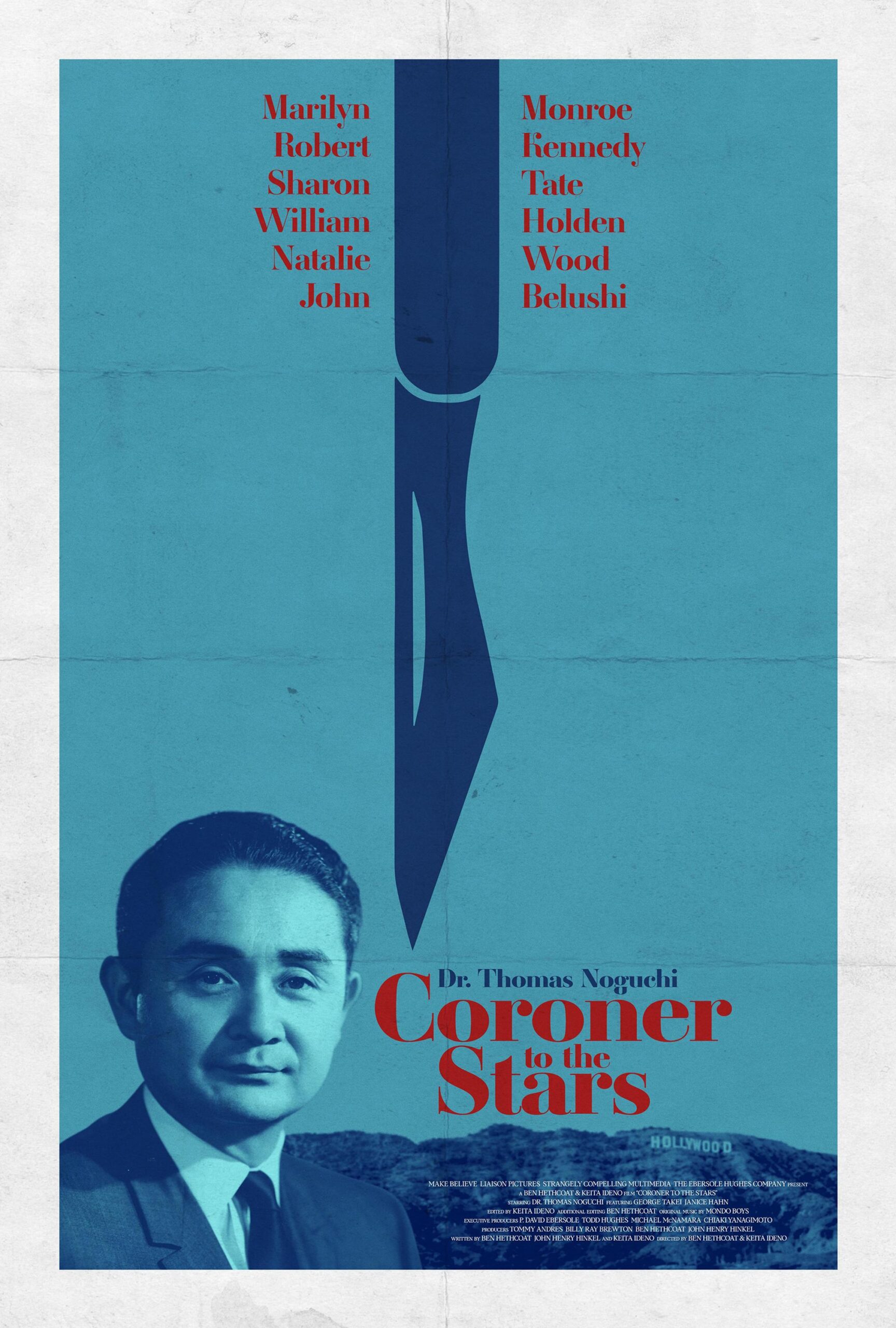
Initially, the documentary was conceived through a conventional lens, focusing heavily on the sensationalized celebrity cases that defined Dr. Noguchi’s tenure. The public and the media have long been captivated by his involvement in the autopsies of Hollywood royalty, including Marilyn Monroe, Natalie Wood, Robert Kennedy, Sharon Tate, and Janis Joplin. These tragic deaths captivated global audiences and permanently etched Dr. Noguchi’s name into the annals of popular culture, earning him the moniker "Coroner to the Stars."
However, as Hethcoat delved deeper into the archival material and conducted extensive interviews, the narrative trajectory of the film evolved organically. What began as a traditional true-crime exploration of Hollywood history transformed into a nuanced, deeply human character study of Dr. Noguchi himself. The finished documentary paints a portrait of a pioneer who lived at a tumultuous intersection of hard science, dizzying celebrity culture, and high-stakes municipal politics.
Rather than exploiting the grief and mystery surrounding Hollywood’s departed icons, the film reframes these events through the lens of forensic innovation. It highlights how Dr. Noguchi revolutionized the office of the coroner, transitioning it from a rudimentary, politically appointed system into a sophisticated medical examiner model driven by scientific rigor, toxicology, and modern pathology.
An Enduring Bond: Beyond the Editing Room
The relationship between the filmmaker and his subject did not conclude when the cameras stopped rolling. Demonstrating the depth of the connection forged during production, Ben Hethcoat maintains a weekly ritual with Dr. Noguchi, who is now 99 years old. Every week, the director visits the retired medical examiner. Together, they share meals of Japanese curry and discuss the ongoing journey of the film and its reception among audiences.
This sustained personal interaction underscores the mutual respect that eventually bridged the generational and professional gap between the two men. It also provided Dr. Noguchi with a rare sense of editorial validation. After reviewing an early cut of the documentary, the former chief medical examiner shared a poignant reflection with the director, expressing his ultimate hope for the project’s legacy:
"I hope people will watch this film and see that I have dedicated my life to forensics."
This statement serves as the emotional anchor of the documentary, striving to correct the historical record and recontextualize a career that was frequently sensationalized by the media of the twentieth century.
Exhibition, Distribution, and Future Outlook
As the festival and special screening circuit continues, the commercial and geographical availability of Coroner to the Stars remains a topic of significant interest among documentary enthusiasts and cinephiles. Currently, distribution pathways are unfolding progressively. A preliminary version of the film has successfully secured acquisition in the Czech Republic, marking an encouraging international milestone for the independent project.
However, the timeline for a wide theatrical or streaming release within the United States remains officially undetermined (TBD). Industry insiders note that independent documentaries navigating the modern distribution landscape often rely heavily on specialized community screenings, arthouse venues like Festival Theaters in Palm Springs, and targeted festival runs to build organic momentum before securing major domestic distribution deals.
For those fortunate enough to catch one of the limited regional screenings, critical consensus and audience reception strongly suggest that the film is a mandatory viewing experience. It offers a rare, dignified look at a historical figure who forever altered the landscape of American forensic science.
The Evolution of Forensic Pathology: Contextualizing Dr. Noguchi’s Impact
To fully appreciate the narrative weight of Coroner to the Stars, one must examine the institutional landscape of the Los Angeles County Coroner’s office during Dr. Thomas Noguchi’s tenure. Appointed as Chief Medical Examiner-Coroner in 1967, Noguchi assumed leadership at a time when forensic medicine in the United States was undergoing a massive paradigm shift.
Before Noguchi’s modernization efforts, many coroner offices across the country were operated by elected officials with little to no medical training, relying instead on political appointments and rudimentary investigative techniques. Noguchi, a graduate of Nippon Medical School who immigrated to the United States in 1948, brought an uncompromising dedication to scientific precision, advanced toxicology screening, and meticulous autopsies.
Under his leadership, the Los Angeles office became a world-renowned institution capable of handling complex, high-profile cases under intense public scrutiny. However, his aggressive modernization and willingness to speak publicly about high-profile autopsies frequently drew the ire of local politicians, law enforcement agencies, and the entertainment industry establishment. Critics argued that his public profile courted unnecessary sensationalism, leading to high-profile political battles over the scope and transparency of the office. Despite these institutional conflicts, Noguchi’s contributions fundamentally shaped modern forensic pathology, establishing protocols that are still utilized in death investigations today.
The Role of Independent Cinema in Preserving Cultural History
The Palm Springs screening of Coroner to the Stars at Festival Theaters highlights a broader, vital trend within the contemporary film industry: the growing importance of regional arthouse cinemas in sustaining independent non-fiction storytelling. As major Hollywood studios increasingly focus on high-budget intellectual property and algorithmic streaming content, independent documentaries frequently struggle to find theatrical platforms.
Venues like Festival Theaters fill this critical gap, acting as cultural incubators where filmmakers and audiences can engage in direct dialogue. The post-screening Q&A session, moderated by Zack Solomon and featuring Ben Hethcoat, exemplifies the communal value of independent film exhibition. By allowing audiences to interact directly with creators, these screenings transform passive viewing into an active educational and cultural exchange.
Furthermore, documentaries like Coroner to the Stars serve a crucial archival function. As living links to twentieth-century pop culture and scientific history—such as Dr. Noguchi—advance in age, cinematic preservation becomes the primary method for safeguarding institutional memory. By capturing the personal reflections, regrets, and professional philosophies of figures who shaped modern history, independent filmmakers ensure that complex legacies are not lost to the superficial churn of modern media cycles.
Broader Implications and Industry Reception
The reception of Coroner to the Stars points to a renewed appetite for sophisticated, character-driven documentaries that interrogate the human cost of public notoriety. While true-crime content dominates contemporary streaming platforms, much of the genre relies on sensationalism, rapid pacing, and superficial emotional manipulation. In contrast, Hethcoat’s approach mirrors the patience of forensic science itself—methodical, deliberate, and focused on uncovering underlying truths beneath layers of external noise.
Industry analysts will be closely monitoring the film’s trajectory as it navigates the remaining hurdles of domestic distribution. Given the enduring global fascination with Hollywood’s golden age, iconic unsolved mysteries, and the mechanics of forensic science, Coroner to the Stars possesses cross-demographic appeal. Whether it ultimately secures a major streaming partnership or follows a specialized arthouse theatrical release model, the film has already succeeded in its most vital mission: restoring the professional dignity and human complexity of a man who spent his life deciphering the final chapters of others.