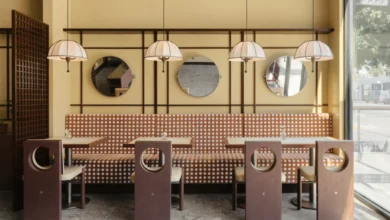
From Fashion Runways to Residential Floors: Reformation Expands into Home Decor with Les Éditions de Tapis Collaboration


Los Angeles-based sustainable fashion powerhouse Reformation is officially expanding its distinct aesthetic beyond the wardrobe and into the residential sphere. Known globally for its trend-setting dresses, vintage-inspired silhouettes, and a rigorous commitment to environmental accountability, the brand has announced its inaugural home collection. For this strategic move into interiors, Reformation has partnered with the esteemed French rugmaker Les Éditions de Tapis, bridging the gap between high-end fashion and artisanal home furnishings.
The collaboration introduces a limited-edition series of nine made-to-order rugs that seamlessly translate the whimsical, sophisticated, and relaxed visual language of Reformation’s brick-and-mortar retail spaces into domestic environments. By merging classic Parisian interior design traditions with a laid-back Southern California ethos, the collection offers consumers a tangible way to incorporate the brand’s signature ambiance directly into their living rooms, bedrooms, and studies.
The Genesis of a Partnership: From Retail Stores to Residential Spaces
The partnership between Reformation and Les Éditions de Tapis did not materialize overnight. For several years, Reformation’s interior design and store development teams incorporated rugs crafted by Thomas Coccimiglio, the founder of Les Éditions de Tapis, into their retail outposts. These distinctive floor coverings served as foundational design elements in the brand’s boutiques, helping to create warm, inviting, and highly curated shopping environments that resonated deeply with consumers.
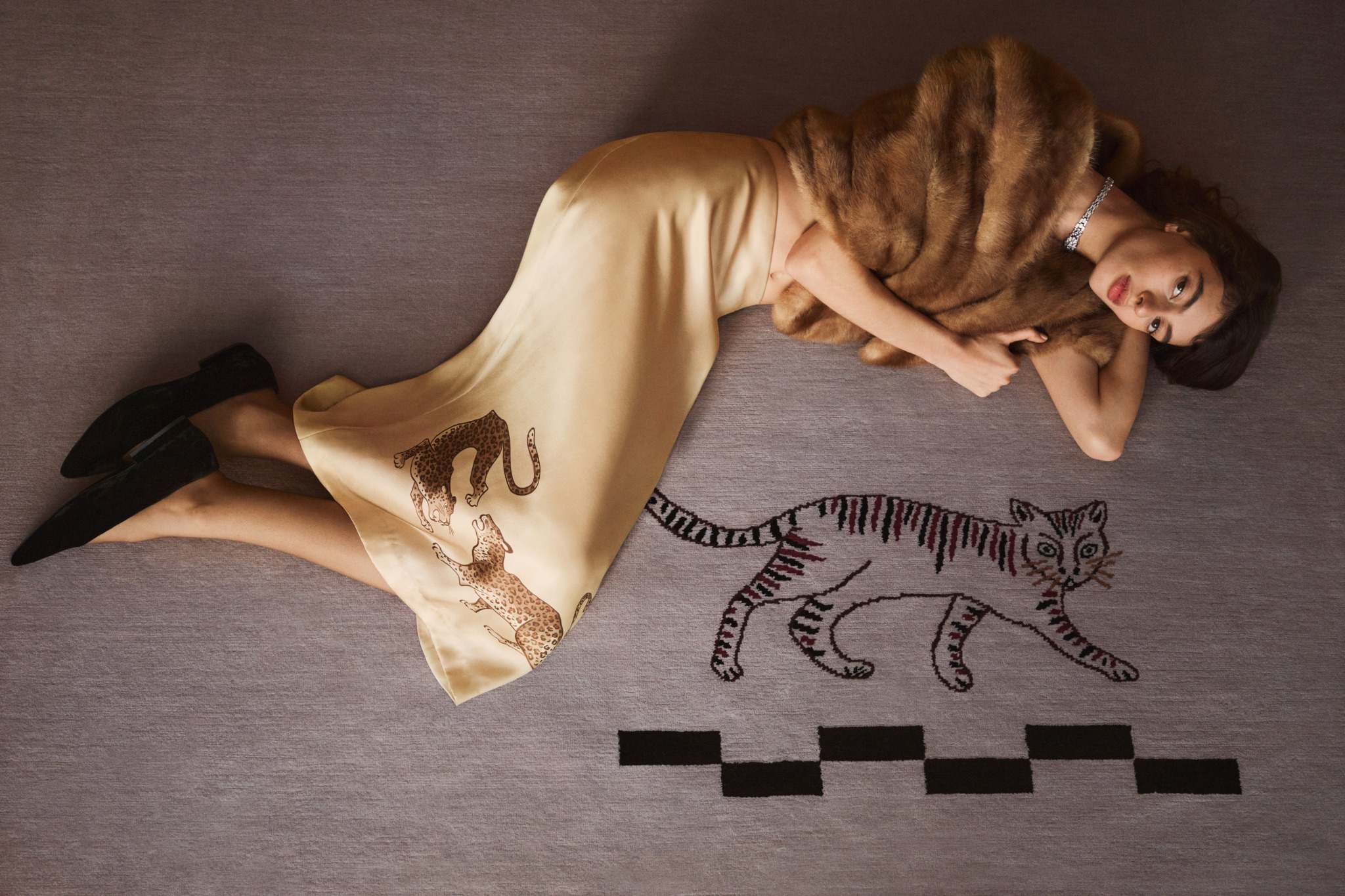
Lauren Caris Cohan, Reformation’s chief creative officer, noted that Coccimiglio’s craftsmanship has long stood out in the design world. According to Cohan, every piece produced by Les Éditions de Tapis functions as an autonomous work of art, successfully balancing an air of luxury with a sense of playful whimsy.
Over time, the visual impact of these rugs within Reformation’s retail locations began to generate significant consumer interest. Shoppers frequently inquired about the origins of the floor coverings, asking store associates where they could purchase identical or similar pieces for their personal residences. These persistent customer inquiries acted as the catalyst for the formal partnership, prompting the two design houses to conceptualize a dedicated collection tailored specifically for residential interiors.
Design Philosophy and Aesthetic Integration
Developing the collection required a delicate balance between fashion and interior design. Rather than literally translating clothing prints—such as floral dresses or seasonal patterns—onto flat surfaces, Cohan and Coccimiglio focused on distilling Reformation’s broader design ethos into textile art.
The resulting nine made-to-order designs are characterized by their thoughtful use of negative space. Instead of densely packing every square inch with intricate patterns, many of the rugs feature generous fields of open, softly colored backgrounds. This minimalist approach allows figurative motifs—including delicate palm trees, elegant swans, and other classic illustrations—to command visual attention. These central motifs are frequently framed by ornate decorative borders that recall the craftsmanship of antique textiles and historical tapestries.

The color palettes range from serene baby blues and crisp ivories to rich, sophisticated tones like dark wine, ensuring the pieces can anchor a diverse array of interior design styles. The collection successfully marries European decorative heritage with an effortless West Coast sensibility, aligning closely with Reformation’s core brand identity.
Artisanal Production and Sustainable Craftsmanship
In keeping with Reformation’s corporate ethos, which places a heavy emphasis on ethical production and sustainability, the manufacturing process for the new rug collection prioritizes traditional craftsmanship and high ethical standards.
Each rug in the collection originates as an intricate hand-drawn illustration by the design team. Once finalized, these designs are sent to skilled artisans in India and Nepal, where they are meticulously hand-knotted using traditional techniques passed down through generations. This hands-on production method not only ensures exceptional durability and luxurious textures but also supports artisan communities that specialize in heritage textile arts.
By opting for a made-to-order model, Reformation and Les Éditions de Tapis are minimizing overproduction and reducing potential waste—a core tenet of modern sustainable business practices. This approach ensures that every piece is crafted with intentionality, matching the slow-fashion mindset that Reformation has championed in the apparel sector for over a decade.

Market Implications and the Fashion-to-Home Trend
Reformation’s entry into the home goods sector reflects a broader, highly profitable trend within the retail industry: lifestyle brand expansion. In recent years, numerous apparel-first brands have recognized that consumers increasingly view personal style as an extension of their entire living environment. By moving into categories like home decor, furniture, and textiles, fashion labels can capture a larger share of their customers’ wallets while deepening brand loyalty.
For Reformation, this expansion allows the company to diversify its revenue streams beyond apparel and footwear while maintaining tight control over its brand image. Analysts note that home decor categories often command higher average order values and appeal to an older, more established demographic of consumers who may already be loyal to the clothing line.
Furthermore, the collaboration with an established artisan house like Les Éditions de Tapis lends immediate credibility to Reformation’s interior debut. Rather than mass-producing low-cost home accessories, the brand has positioned its first foray into the home market firmly within the luxury and artisanal tier.
Availability and Pricing
The Reformation x Les Éditions de Tapis collection officially launched online, making the nine limited-edition designs available exclusively through Reformation’s digital storefront. Prices for the made-to-order rugs start at $1,000, placing them in the mid-to-high tier of the residential decor market.

To bridge the gap between digital shopping and tactile evaluation, Reformation has installed physical material swatches of the rugs in select retail stores. This allows prospective buyers to experience the texture, pile height, and color fidelity of the wool and silk blends in person before committing to a custom order for their homes. As the brand continues to monitor the reception of its first home collection, industry observers will be watching closely to see whether Reformation expands its interior offerings into additional categories in the future.