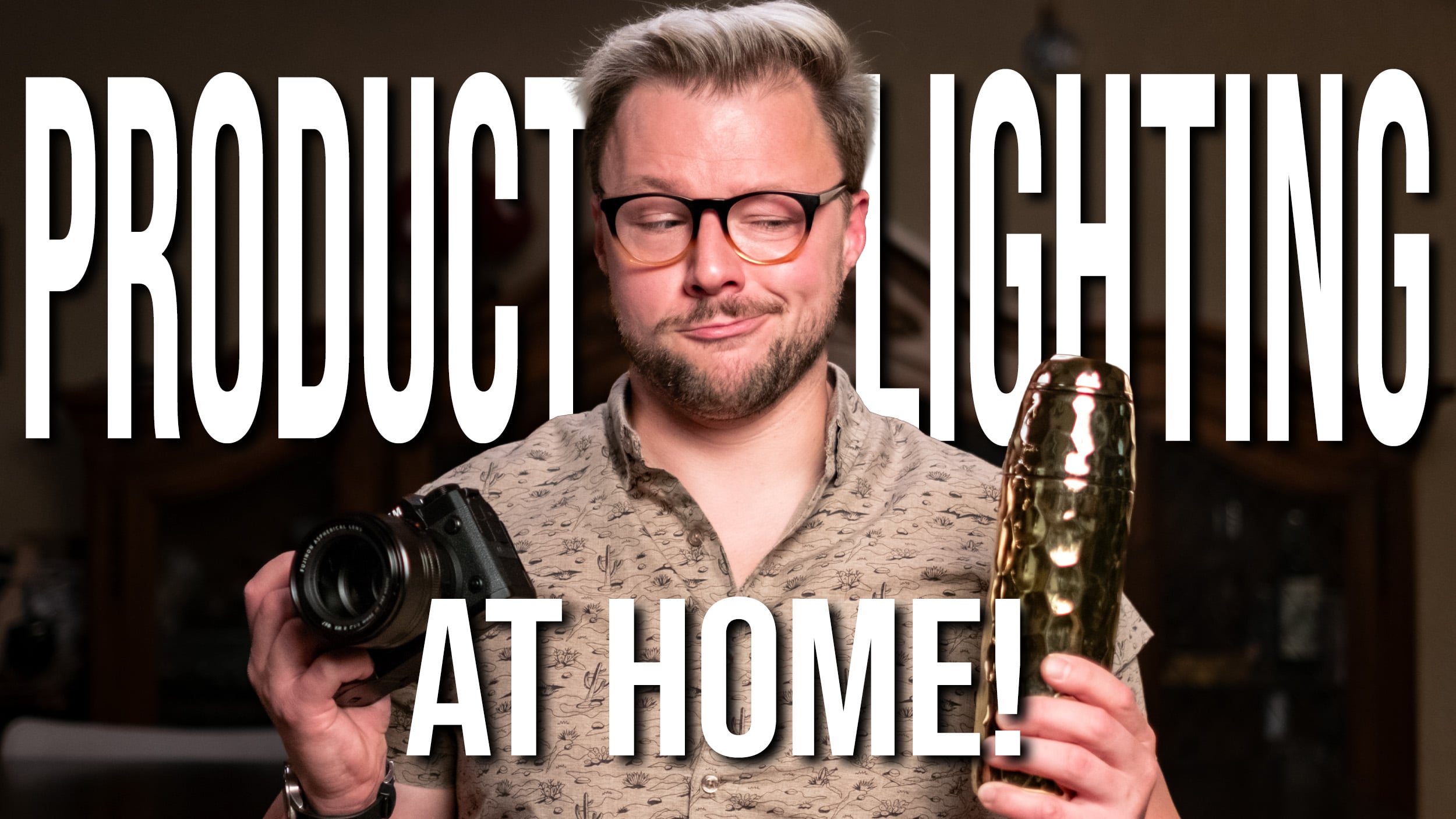
Recently, a prominent culinary brand tasked a content creator with providing feedback on an unreleased product: a high-end cocktail shaker. Rather than submitting a standard survey, the creator opted for a more dynamic approach, conceptualizing and executing a full product promotional video from their own dining room. This initiative, undertaken in late May 2026, aimed to demonstrate the potential of creative execution even with limited resources and space, highlighting innovative techniques in product videography.
The Genesis of a Creative Challenge
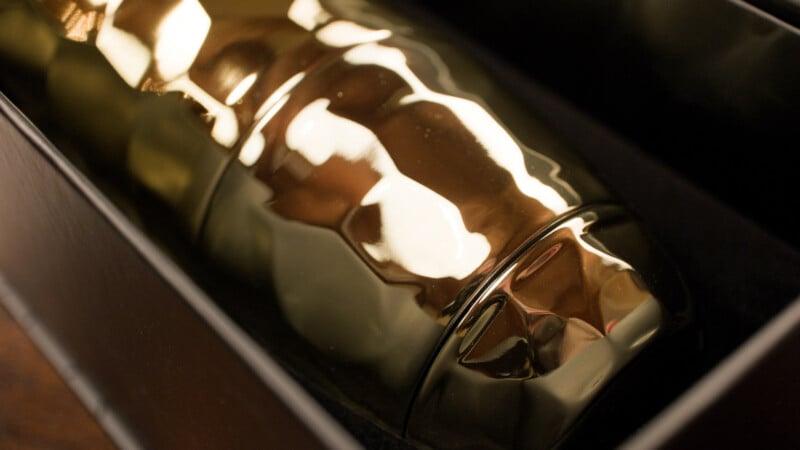
The brand, known for its commitment to quality kitchenware, sought an authentic user perspective on their latest offering. The shaker, described as having a "gorgeous and sleek design with lots of gold facets," presented a unique photographic challenge due to its highly reflective surface. The creator, lacking formal product photography training but possessing a keen understanding of visual aesthetics, embraced the opportunity to test the limits of readily available equipment and a domestic setting. This pivot from a traditional feedback mechanism to a full-scale production underscores a growing trend in product development, where brands increasingly value practical demonstrations of their products’ capabilities and visual appeal in real-world scenarios. The decision to forgo a survey in favor of a video production was communicated to the brand shortly after the initial request, signaling a proactive and creative engagement with the project.
Mastering the Reflective Challenge: Lighting as the Key
The primary hurdle in showcasing the cocktail shaker was its inherent reflectivity. To overcome this, the creator focused on meticulous light control, a fundamental principle in product photography and videography. The project commenced in the creator’s dining room, a space that, while personal, was transformed into a controlled shooting environment.
Implementing a Controlled Lighting Environment:
To achieve optimal results, the creator prioritized eliminating unpredictable ambient light. This involved a two-pronged approach:
- Window Blackout: The main window of the dining room was completely blacked out using opaque materials. This effectively neutralized external light sources that could interfere with the deliberate lighting setup.
- Curtain Closure: A secondary window at the far end of the room was covered with drawn curtains. While not a complete blackout, this measure significantly reduced any remaining ambient light, ensuring that the artificial lighting would dominate the scene.
The creator reasoned that even a near-complete blackout would suffice, as the powerful studio lights would overpower any residual natural light. This strategic decision not only facilitated precise control over the lighting but also allowed for fine-tuning the color temperature to complement the warm tones of the dining room environment. The chosen color balance was between 2,700 and 2,900 Kelvin, a range that typically emulates warm incandescent lighting, creating an inviting and sophisticated atmosphere.
The Lighting Setup:
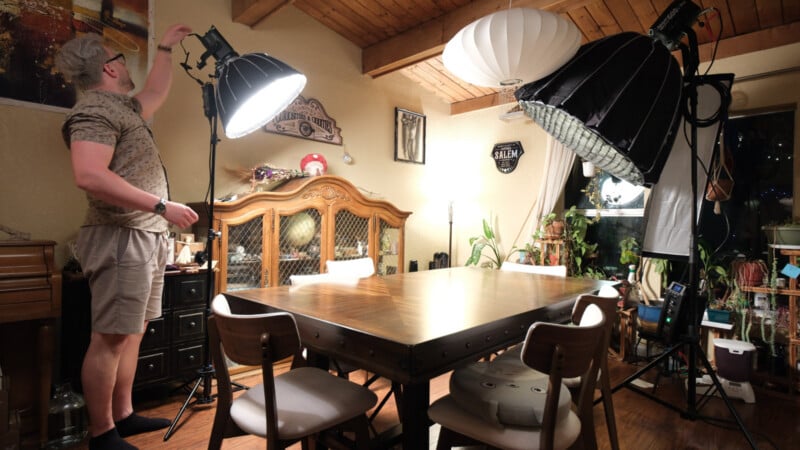
A sophisticated lighting rig was employed to sculpt the light around the reflective surfaces of the shaker:
- Key Light: An Aputure 600 Bicolor LED, fitted with a medium dome softbox and a grid, served as the main light source. This setup directed controlled, diffused light towards the cocktail preparation area, minimizing harsh reflections and ensuring even illumination. The grid was crucial for narrowing the beam and preventing light spill onto unwanted areas.
- Edge Lights: Two Nanlite 150 lights were utilized as edge lights to create separation and add depth. One was equipped with a small circular dome softbox, while the other used a narrow Godox softbox. Grids were also applied to these lights to further refine their directionality and prevent light from bleeding into the background or onto other elements. This layered lighting approach is essential for highlighting the product’s form and texture, especially with metallic finishes.
This methodical approach to lighting, executed in a domestic setting, demonstrates that professional-grade results are achievable with careful planning and the right equipment, even without access to a dedicated studio. The timeline for setting up this lighting environment was integrated into the overall production schedule, likely occurring in the late afternoon or early evening to facilitate the blackout process.
Choreographing Movement: Bringing the Product to Life
Beyond static imagery, product videography thrives on dynamism. The creator understood that to effectively showcase the cocktail shaker’s elegance and functionality, a sense of motion was paramount. While tripods provide stability for detailed shots, they are insufficient for conveying the product’s allure through movement.
Introducing Motion into the Production:
The creator employed a combination of established and innovative techniques to introduce movement:
- Motorized Slider: A 30-inch motorized slider was used for controlled push-in shots. This allowed for smooth, gradual movements that draw the viewer’s eye into the product’s details. Such precision is vital for capturing the intricate design of the shaker.
- Turntable for Cylindrical Products: To capture the reflective properties of the cylindrical shaker and accompanying cocktail glass, a small turntable was employed. This device enabled the creator to rotate the product seamlessly while keeping the camera static, allowing for a comprehensive view of how light interacted with the shaker’s facets from all angles. This technique is particularly effective for highlighting metallic and polished surfaces. The turntable proved to be a critical element in achieving a comprehensive visual narrative of the product.
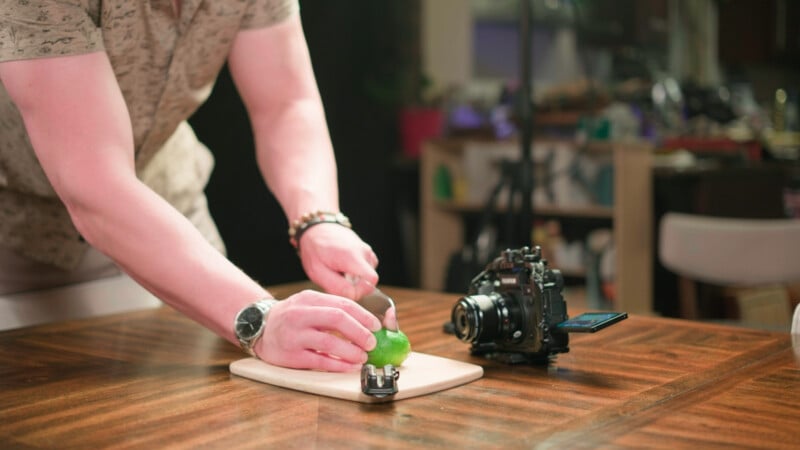
- Tripod-Based Shots for Detail and Action: Standard tripod shots were indispensable for capturing macro details, such as a lemon being squeezed into a cocktail or the precise slicing of citrus garnishes. The creator emphasized the importance of manual focus for these shots, allowing for precise control over the plane of focus and orchestrating the action within that defined space. This meticulous approach ensures that every detail, from the texture of the fruit to the condensation on the glass, is rendered with clarity.
- Overhead Shots: To provide an alternative perspective and showcase the product in a broader context, overhead shots were captured. This was achieved by positioning the tripod directly above the shooting area, often on the table itself, pointing downwards. Again, manual focus was key to maintaining sharpness in these unique angles.
Leveraging Slow Motion for Visual Impact:
A key decision in the production process was the decision to shoot certain sequences at 120 frames per second. This higher frame rate is not merely for increased detail; it allows for the creation of compelling slow-motion effects during post-production. Such techniques can add a dramatic flair to actions like pouring liquids, the clinking of ice, or the gentle rotation of the shaker, enhancing the perceived quality and sophistication of the product.
Innovative Setups and Creative Problem-Solving
The creator demonstrated a knack for inventive staging, pushing the capabilities of their equipment and their environment. One particularly clever technique involved an illusionary slider shot.
The Illusionary Slider Shot:
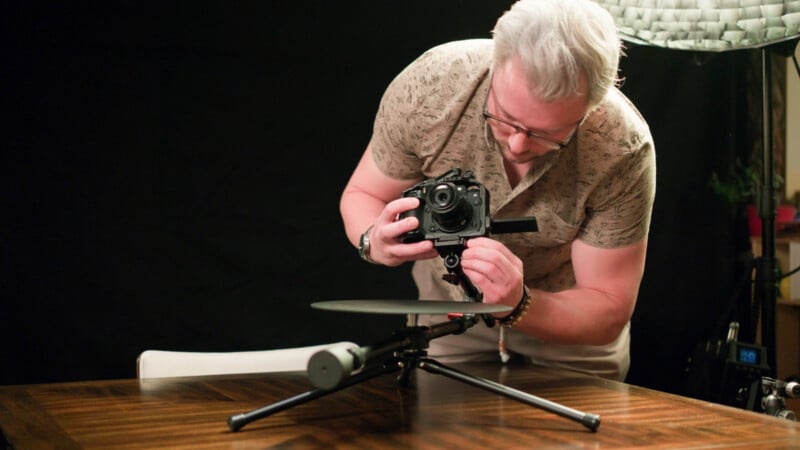
To create the impression of a razor blade gliding across plastic packaging, the creator reversed the typical setup. Instead of moving the camera, the packaging was placed on the slider, allowing it to move while the camera remained stationary. This clever manipulation of perspective creates a dynamic on-screen effect that appears as if the camera is tracking the blade, when in reality, it is the product that is in motion. This demonstrates a sophisticated understanding of visual storytelling and how to achieve impactful results through unconventional methods.
Achieving a Professional Output: The Role of Post-Production
While the on-set execution is crucial, the final polish comes in post-production. The ability to shoot at higher frame rates (120fps) provided significant flexibility for adding visual flair, such as slow-motion sequences that emphasize the tactile and sensory aspects of cocktail making. The careful control of lighting and movement during the shoot ensured that the raw footage was of high quality, minimizing the need for extensive digital manipulation. The creator’s goal was to produce a video that, despite being shot in a dining room, possessed the visual polish and appeal of a professionally produced advertisement.
Broader Implications for Product Marketing and Content Creation
The success of this dining room product video shoot carries significant implications for both brands and independent creators.
Democratization of High-Quality Content:
This initiative underscores the increasing democratization of high-quality content creation. Brands are no longer solely reliant on expensive studios and large production crews. Independent creators, armed with relatively accessible equipment and a strong understanding of visual storytelling, can now produce compelling promotional material. This allows for more agile and cost-effective marketing strategies, particularly for smaller brands or for testing new product launches. The ability to achieve professional results from a home environment can also lead to more authentic and relatable content, fostering a stronger connection with consumers.
The Value of Creative Problem-Solving:
The creator’s approach highlights the immense value of creative problem-solving in the digital age. By re-imagining traditional techniques and adapting them to their available resources, they were able to overcome technical challenges and deliver an exceptional outcome. This mindset is crucial for anyone working in content creation, where resourcefulness and adaptability are often as important as technical expertise. The timeline for this project likely spanned several days, involving initial planning, setup, shooting, and editing, demonstrating a commitment to achieving a high-quality final product.
Evolving Brand-Creator Partnerships:
This scenario also points to the evolving nature of brand-creator partnerships. Instead of a transactional relationship focused on deliverables, there’s a growing emphasis on collaborative approaches where creators are empowered to interpret and execute campaigns in ways that align with their unique skill sets. The brand’s willingness to accept a video production in lieu of a survey suggests an openness to innovative feedback mechanisms and a trust in the creator’s ability to deliver value beyond a traditional report.
Conclusion: A Testament to Ingenuity
The creator’s successful transformation of a dining room into a functional product video studio for a well-known culinary brand serves as a powerful testament to ingenuity and resourcefulness. By meticulously controlling lighting, thoughtfully incorporating movement, and employing creative staging, they managed to produce a professional-grade promotional video for a highly reflective cocktail shaker. This achievement not only met the brand’s objectives but also offered a valuable case study for aspiring content creators and brands alike. The underlying message is clear: with a strategic approach to lighting, a commitment to dynamic storytelling, and a willingness to push creative boundaries, remarkable results can be achieved regardless of the physical space or the perceived limitations of one’s equipment. The emphasis on continuous creation and self-challenge, as articulated by the creator, remains a vital principle for navigating the ever-evolving landscape of digital media production.