Tony Iommi Considered Cancelling Black Sabbath’s Final Show Over Fears Ozzy Osbourne Was Too Frail to Perform

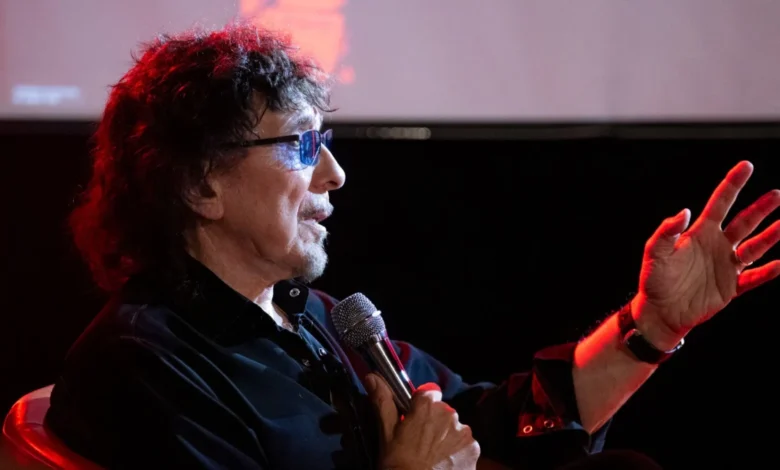
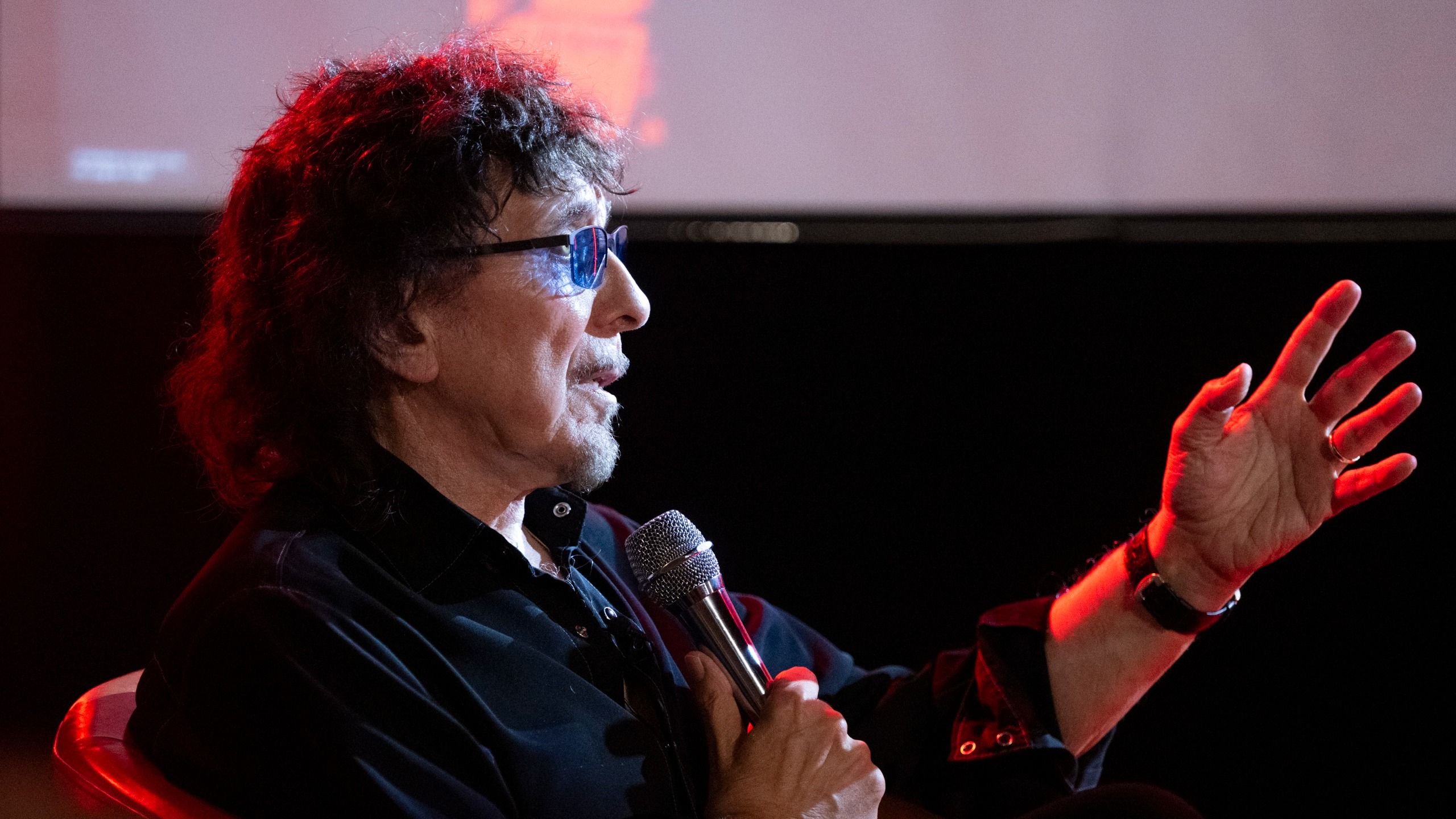
The heavy metal landscape was irrevocably altered on July 5, 2025, when Black Sabbath reunited for one final, historic performance at Villa Park in Birmingham. Titled Back To The Beginning, the massive event drew throngs of fans and iconic rock acts from across the globe to celebrate the founding fathers of heavy metal. However, newly surfaced revelations from legendary guitarist Tony Iommi indicate that this monumental farewell nearly did not happen. In a candid interview with Classic Rock magazine, Iommi confessed that he seriously contemplated pulling the plug on the reunion because he feared vocalist Ozzy Osbourne was simply too weak to endure the physical and emotional demands of the stage.
The behind-the-scenes anxieties, technical hurdles, and bittersweet final months of Osbourne’s life paint a complex picture of a band trying to honor its legacy while grappling with the undeniable toll of aging and deteriorating health. Just seventeen days after the Villa Park concert, Osbourne passed away at the age of 76, casting a deeply poignant shadow over what would officially be the final time the original lineup—or remaining members—shared a cultural milestone.
Behind the Scenes at Villa Park: The Road to Back To The Beginning
The Back To The Beginning concert was designed as a definitive homecoming for Black Sabbath, taking place in the heart of Aston, Birmingham, the very industrial cradle where the band was forged in 1968. The star-studded lineup supporting the event read like a roll call of heavy music royalty. Bands heavily influenced by Sabbath’s pioneering doom-laden sound—including Metallica, Guns N’ Roses, Tool, and Slayer—converged on Villa Park to pay homage to the quartet that invented heavy metal.
For fans in attendance, the highlight was the anticipated reunion set, which featured Ozzy Osbourne performing both solo material and classic Black Sabbath anthems while seated on a specially designed throne. The visual of Osbourne commanding the stage from a seated position was powerful, but it also underscored the profound physical challenges he was facing during his final years.
Behind the curtain, the reunion was fraught with apprehension. Iommi revealed that three years had passed since he and Osbourne had last seen each other in person. When the musicians finally gathered to prepare for the Birmingham mega-event, the guitarist was deeply struck by his longtime frontman’s frail condition.
"I hadn’t seen Ozzy for a bit, and it was difficult seeing him like that," Iommi recalled in his interview with Classic Rock. The stark reality of Osbourne’s health prompted immediate concern from his bandmate, who worried that the singer’s stamina would fail him entirely during the performance.
Internal Debates and Setlist Compromises
Driven by protective instincts and professional pragmatism, Iommi initially proposed scrapping the idea of a live performance altogether. He suggested that the event should pivot to a tribute format, where younger, contemporary bands would perform Sabbath’s catalog, while the original members would merely step onto the stage at the very end of the evening to wave and express their gratitude to the fans.
"I said to Ozzy: ‘I don’t think we should do it,’" Iommi explained. "’We should just let the other bands play our stuff, and us come out at the end and say thank you.’"
Despite his deep reservations, Iommi acknowledged that the event was anchored by a powerful sense of purpose—specifically, raising funds for charitable causes—and that the collective eventually agreed to push forward with the live set.
However, health and rehearsal obstacles were not limited to Osbourne alone. The band’s iconic self-titled opening track, Black Sabbath—a song that essentially birthed the doom metal genre with its chilling tritone riff—had to be completely dropped from the setlist. The exclusion was necessitated by legendary drummer Bill Ward, who struggled significantly to execute the rhythm parts during rehearsals.
"We needed to rehearse with Bill, because it had been twenty years and he couldn’t remember how to play some of his stuff," Iommi noted, referring to Ward’s prolonged absence from active touring with the band. "We wanted to do the song Black Sabbath on the night, but it was too difficult for him."
Compromises were made to ensure the performance could proceed safely. Iommi feared that if Osbourne attempted a full solo set prior to the main Black Sabbath performance, he would completely exhaust his vocal and physical reserves.
"I was concerned he was going to blow himself out, and by the time we came on he’d be struggling," Iommi admitted.
Ultimately, sheer adrenaline and the electric atmosphere of the hometown crowd carried Osbourne through. The frontman delivered a stirring rendition of his solo material before transitioning into a powerhouse finale with Black Sabbath, closing out the night with four defining masterpieces of the genre: "War Pigs," "N.I.B.," "Iron Man," and "Paranoid."
"The adrenaline carried Ozzy through," Iommi reflected. "And I’m so glad we did it. But of course we didn’t expect him to go so soon."
A Legacy Continued: Iommi’s New Solo Work and Brian May Collaboration
While reflecting on the emotional conclusion of Black Sabbath’s journey, Iommi has simultaneously looked toward the future with new creative endeavors. In the same interview, the guitarist discussed his upcoming solo album, From The Dark, marking his first major studio release since Black Sabbath’s critically acclaimed 2013 swan song, 13.
From The Dark promises to showcase Iommi’s signature down-tuned, menacing guitar work, but it also features high-profile collaborations that highlight his enduring stature within the rock community. Among the standout tracks is "Death Watch," which features a blistering guest guitar solo courtesy of Queen icon Brian May.
Iommi and May share a friendship that spans decades, rooted in mutual respect for each other’s distinct contributions to British rock history. Yet, even after a lifetime in the music industry, May was reportedly astounded by the sheer volume of musical material Iommi has quietly accumulated over the years.
According to Iommi, May was left in disbelief when the Black Sabbath guitarist revealed that he has stockpiled hundreds of unrecorded, partially developed guitar riffs on a collection of CDs. "Five hundred, six hundred riffs," Iommi stated regarding his archive. "Brian couldn’t believe how many I had."

The Producer Who Dreamed of a Full Reunion
Iommi’s recent reflections also shed light on the relentless pressure from the modern music industry to keep the definitive Black Sabbath machine rolling, long after the band completed "The End" tour in 2017. He recalled an episode from the early 2020s when a prominent contemporary producer attempted to persuade the guitarist to orchestrate a brand-new studio album featuring all four original members: Osbourne, Iommi, bassist Geezer Butler, and drummer Bill Ward.
The producer in question was Andrew Watt, who has recently spearheaded critically acclaimed and commercially successful projects for rock icons such as Paul McCartney and The Rolling Stones, as well as producing late-career material for Osbourne himself.
While Watt’s enthusiasm for the project was undeniable, Iommi felt that the producer’s vision was somewhat detached from the delicate interpersonal and physical realities of the legendary lineup.
"I’d met Andrew Watt when he was producing Ozzy," Iommi said. "He was very keen and a bit too excited. He also didn’t know what it was like working with the original Sabbath, working with Bill."
The reluctance to force a reunion under unrealistic conditions ultimately proved wise. Given the logistical hurdles faced during rehearsals for the Villa Park farewell and Osbourne’s passing shortly thereafter, the pursuit of a full original-lineup studio album would likely have placed an unsustainable burden on the aging musicians.
The Broader Historical Context and Final Implications
The revelations from Tony Iommi provide crucial historical context to the final chapter of one of rock history’s most important bands. Black Sabbath not only defined the sonic blueprint for heavy metal, doom metal, and stoner rock, but they also maintained a turbulent, resilient brotherhood that survived decades of substance abuse, lineup changes, health battles, and internal friction.
The Back To The Beginning concert at Villa Park now stands in rock lore not merely as a celebration, but as a poignant, accidental memorial. The fact that Iommi nearly cancelled the performance out of concern for his lifelong friend underscores the genuine human bonds that existed beneath the dark imagery and heavy amplification of Black Sabbath’s public persona.
As fans mourn the loss of Ozzy Osbourne and digest the finality of these disclosures, Iommi’s upcoming release of From The Dark and his vast vault of unreleased riffs ensure that the architect of heavy metal will continue to leave an indelible mark on the genre he helped create more than half a century ago in Birmingham.