Legendary WWII Submarine USS Silversides Undergoes Extensive Repairs in Historic Lake Michigan Journey

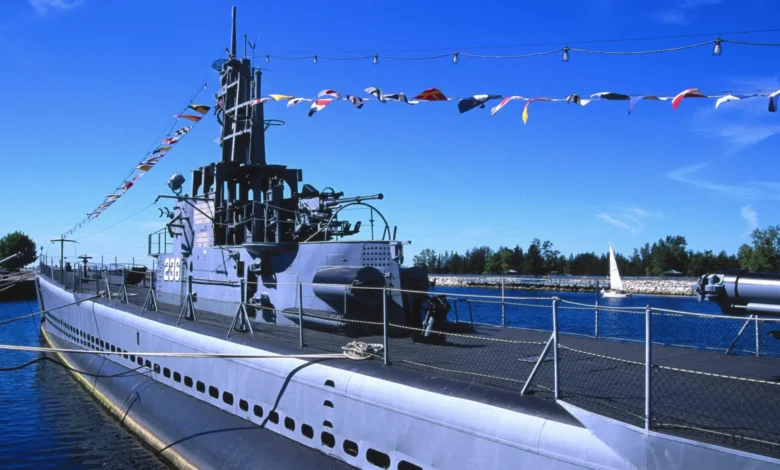
The historic World War II submarine, USS Silversides, has embarked on a remarkable journey across Lake Michigan to undergo its first major repairs in 50 years. This undertaking, essential for the preservation of the iconic vessel, necessitated a challenging 20-hour tow to Fincantieri Bay Shipbuilding, a feat accomplished without the submarine’s own propellers. The dry-docking is a critical step in ensuring the USS Silversides, a symbol of American naval prowess during World War II, remains a tangible link to the past for future generations. The extensive restoration project is estimated to cost $3.5 million and is slated for completion in mid-October 2026.
A Strategic Relocation for Crucial Preservation
The USS Silversides, a veteran of the Pacific theater and one of the most successful submarines of its era, has been a cornerstone attraction at the USS Silversides Submarine Museum in Muskegon, Michigan. However, to undertake the necessary structural inspections, hull cleaning, steel repairs, and the application of protective coatings, the vessel required specialized dry-dock facilities. Fincantieri Bay Shipbuilding in Sturgeon Bay, Wisconsin, was identified as the optimal location for this comprehensive overhaul. The decision to tow the submarine across Lake Michigan, a significant navigational challenge, underscores the urgency and importance of the preservation efforts.
The 20-hour transit across Lake Michigan was a testament to meticulous planning and skilled execution. The Gato-class submarine, despite its age, retains operational diesel engines, though these were not utilized for propulsion during the tow. Instead, the vessel was guided by tugboats, navigating the vast freshwater expanse. This journey marks a significant event in the submarine’s post-war life, highlighting the commitment of the museum and its supporters to its long-term viability.
The USS Silversides: A Legacy of Wartime Valor
Commissioned on December 15, 1941, just days after the devastating attack on Pearl Harbor, the USS Silversides (SS-237) quickly became a formidable force in the Pacific War. As a Gato-class submarine, it represented a significant advancement in American naval technology during World War II. The Gato class was the first to be mass-produced by the United States, with over 70 of these vessels entering service during the conflict. While they may not have matched the diving speed of their German and British counterparts, Gato-class submarines offered unprecedented comfort for their crews, including air conditioning and individual bunks, a stark contrast to the often-harsh conditions faced by soldiers on land.
During its distinguished service, the USS Silversides prowled the waters of the Pacific, engaging enemy forces with remarkable success. The submarine is credited with sinking 23 Japanese ships and destroying an estimated 90,000 tons of enemy cargo. This impressive record earned the USS Silversides 12 battle stars and its designation as one of the five most successful U.S. Navy submarines of World War II. Its operational achievements were crucial in disrupting Japanese supply lines and weakening their war-making capabilities, contributing significantly to the eventual Allied victory.
A Half-Century Since the Last Major Intervention
The current dry-docking is particularly noteworthy as it is the first significant repair and restoration effort undertaken for the USS Silversides in over 50 years. This extended period without major structural intervention highlights the robust construction of the vessel but also underscores the accumulating impact of time and environmental factors. The estimated $3.5 million cost of the repairs reflects the comprehensive nature of the work required to ensure the submarine’s structural integrity and to maintain its safety as a public exhibit.
The historical context of submarine maintenance in the mid-20th century differs significantly from modern practices. While wartime repairs focused on immediate operational readiness, post-war preservation requires a more nuanced approach, considering material degradation, corrosion, and the need to maintain historical accuracy. The USS Silversides has remained a static display for decades, but the elements, particularly the freshwater environment of Lake Michigan, can still take a toll on its steel hull and internal components.
Preserving a Piece of History: The Museum’s Commitment
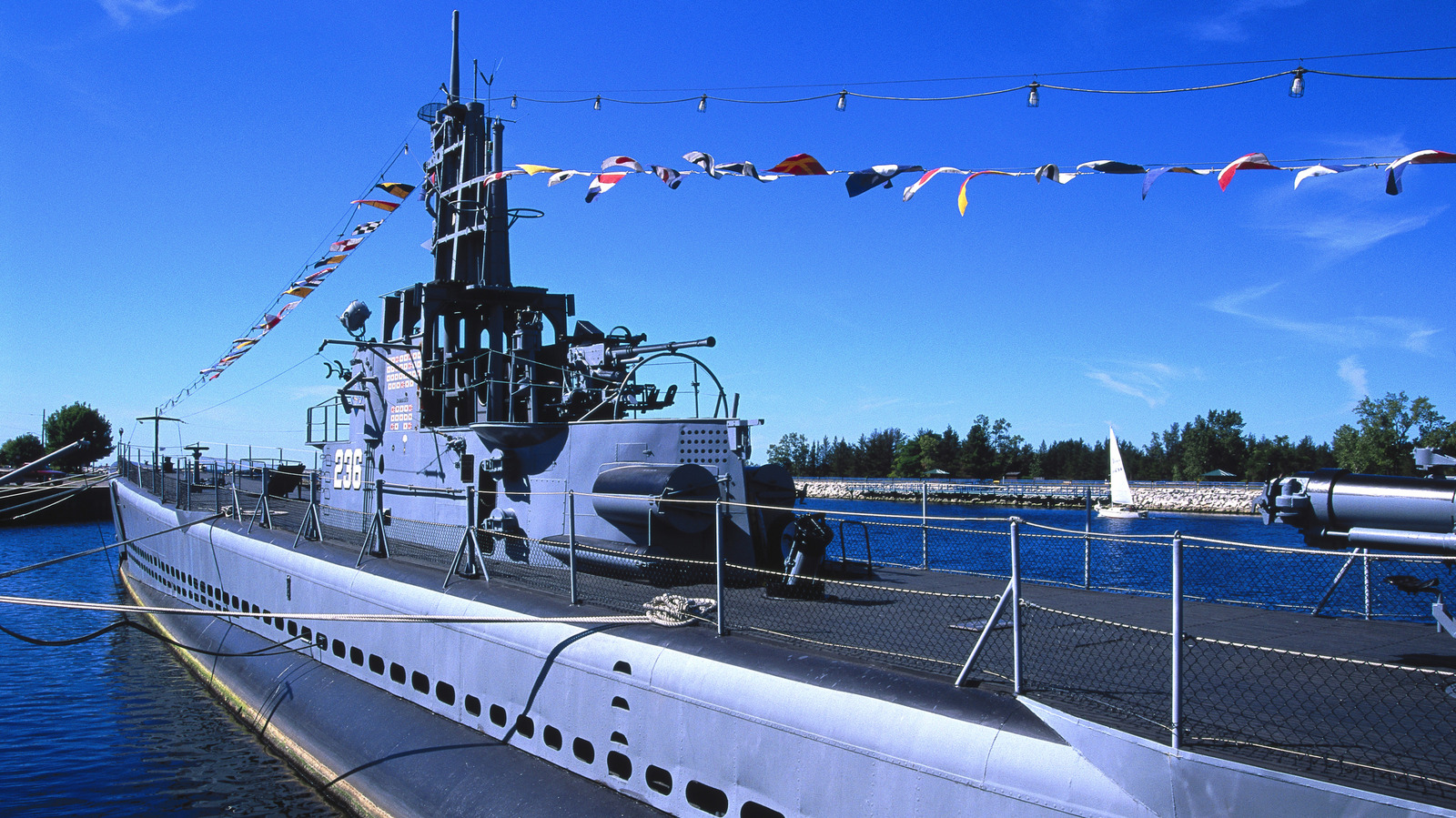
The USS Silversides Submarine Museum remains committed to providing an engaging visitor experience even in the absence of its star attraction. The museum will continue to welcome the public until the submarine’s anticipated return in mid-October 2026. During this period, the museum is planning to introduce new waterfront experiences and enhance its existing exhibits, which delve into the critical role of submarines like the USS Silversides in shaping the outcome of World War II.
The museum’s educational mission extends beyond simply displaying the submarine. It aims to foster a deeper understanding of naval history, the technological advancements of the era, and the sacrifices made by the submariners who served. The current preservation project is intrinsically linked to this mission, ensuring that the physical artifact that embodies these stories remains accessible for decades to come.
Funding the Future: A Collaborative Preservation Effort
The significant financial undertaking of the USS Silversides’ restoration is being supported through a combination of government grants and public fundraising. A crucial component of the funding comes from a $750,000 grant awarded by the Save America’s Treasures Grant Program. This prestigious program, administered by the National Park Service, U.S. Department of the Interior, recognizes and supports the preservation of historically significant sites and artifacts across the nation. The allocation of these funds to the USS Silversides underscores its national importance as a historical monument.
In addition to the federal grant, the USS Silversides Submarine Museum is actively engaged in a public fundraising campaign to cover the remaining costs of the $3.5 million project. The museum has made it easy for individuals and organizations to contribute, with an online donation portal available on their website. Every contribution, regardless of size, directly supports the essential dry-dock work and the long-term preservation of this invaluable piece of American history. This collaborative approach, involving governmental support and community engagement, is vital for ensuring the survival of such significant historical assets.
A Glimpse into the Future of the USS Silversides
The extensive repairs and restoration planned for the USS Silversides go beyond superficial fixes. A comprehensive evaluation and structural inspection will be conducted to identify any areas of concern. The hull will be thoroughly cleaned to remove accumulated marine growth and debris, and any necessary repairs to the steel will be undertaken. Following the repairs, protective coatings will be applied to safeguard the submarine against future corrosion and environmental damage. These measures are designed not only to preserve the vessel’s current condition but also to extend its lifespan significantly, ensuring it can continue to serve as an educational resource and a symbol of historical achievement.
The successful completion of this ambitious project will ensure that the USS Silversides remains a prominent landmark and a powerful reminder of the bravery and ingenuity of those who served during World War II. The journey across Lake Michigan, while a temporary displacement, represents a crucial step in a long-term commitment to preserving a vital piece of naval heritage. The museum’s dedication to transparency and public involvement in the fundraising process further strengthens the connection between the community and this historic vessel.
Broader Implications: Preserving Naval Heritage
The preservation of historic naval vessels like the USS Silversides is more than just an act of conservation; it is an investment in historical understanding and national identity. These artifacts serve as tangible links to pivotal moments in history, offering invaluable insights into the technologies, strategies, and human experiences of past conflicts. The challenges and costs associated with maintaining such large, complex structures are considerable, often requiring innovative funding models and strong community support.
The success of the USS Silversides preservation project can serve as a model for other historical maritime sites facing similar challenges. The collaboration between government agencies, private sector expertise (like Fincantieri Bay Shipbuilding), and public donations demonstrates a viable pathway to ensuring that these important historical assets are not lost to time. As the USS Silversides undergoes its much-needed rejuvenation, it reinforces the enduring significance of these floating museums in educating future generations about the sacrifices and achievements that have shaped the world we live in today. The return of the USS Silversides in mid-October 2026 will be a celebrated event, marking the successful completion of a vital chapter in its long and storied history.