The Microsoft Xbox division is introducing a wave of customization features and quality-of-life updates to its current-generation hardware, headlined by a feature that allows users to alter their console startup sequences. This rollout comes at a pivotal juncture for the gaming giant, which has recently navigated significant internal restructuring, leadership changes, and strategic adjustments to its subscription services designed to rebuild consumer goodwill and maintain competitiveness in the broader console market.
Recent Leadership Shifts and Strategic Realignment
Over the past year, the Xbox ecosystem has experienced substantial organizational turbulence. Massive corporate restructuring, industry-wide studio closures, and layoffs have reshaped Microsoft Gaming. Notably, these changes included the departure of long-time Microsoft Gaming CEO Phil Spencer. Under the guidance of newly appointed leadership, including Asha Sharma, the division has shifted its strategic focus toward consumer retention, platform value, and ecosystem flexibility.
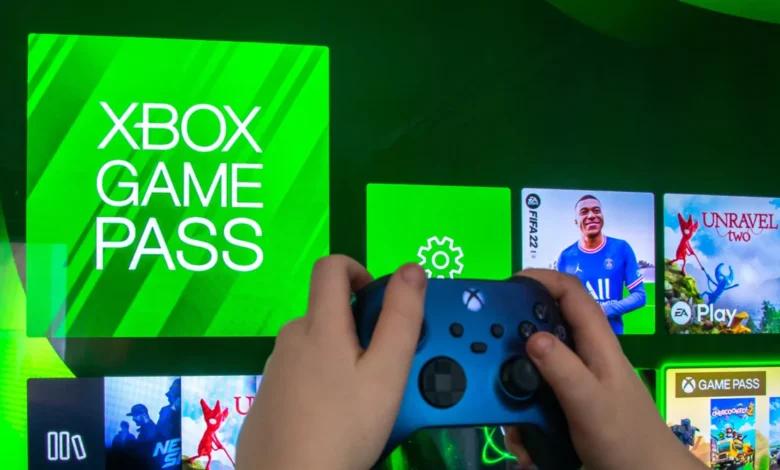
Concurrently, Microsoft has adjusted the pricing and positioning of Xbox Game Pass, its flagship subscription service, to enhance its value proposition in an increasingly crowded market featuring competitors like PlayStation Plus and subscription tiers from Nintendo. While hardware sales for the Xbox Series X and Series S have faced intense market competition from Sony and Nintendo, Microsoft has increasingly pivoted toward software accessibility, cloud gaming, and platform utility to drive long-term engagement. The introduction of nostalgic elements and interface enhancements represents a direct effort to reconnect with long-standing brand loyalists who have supported the ecosystem across multiple generations.
The Startup Customization Feature and Interface Updates
Currently rolling out to select members of the Xbox Insider program—specifically those in the Alpha and Alpha-Skip-Ahead rings—the new boot customization feature grants players the ability to personalize their console’s startup sequence. Participants in the preview program can access these settings by navigating to Settings, System, and Startup.
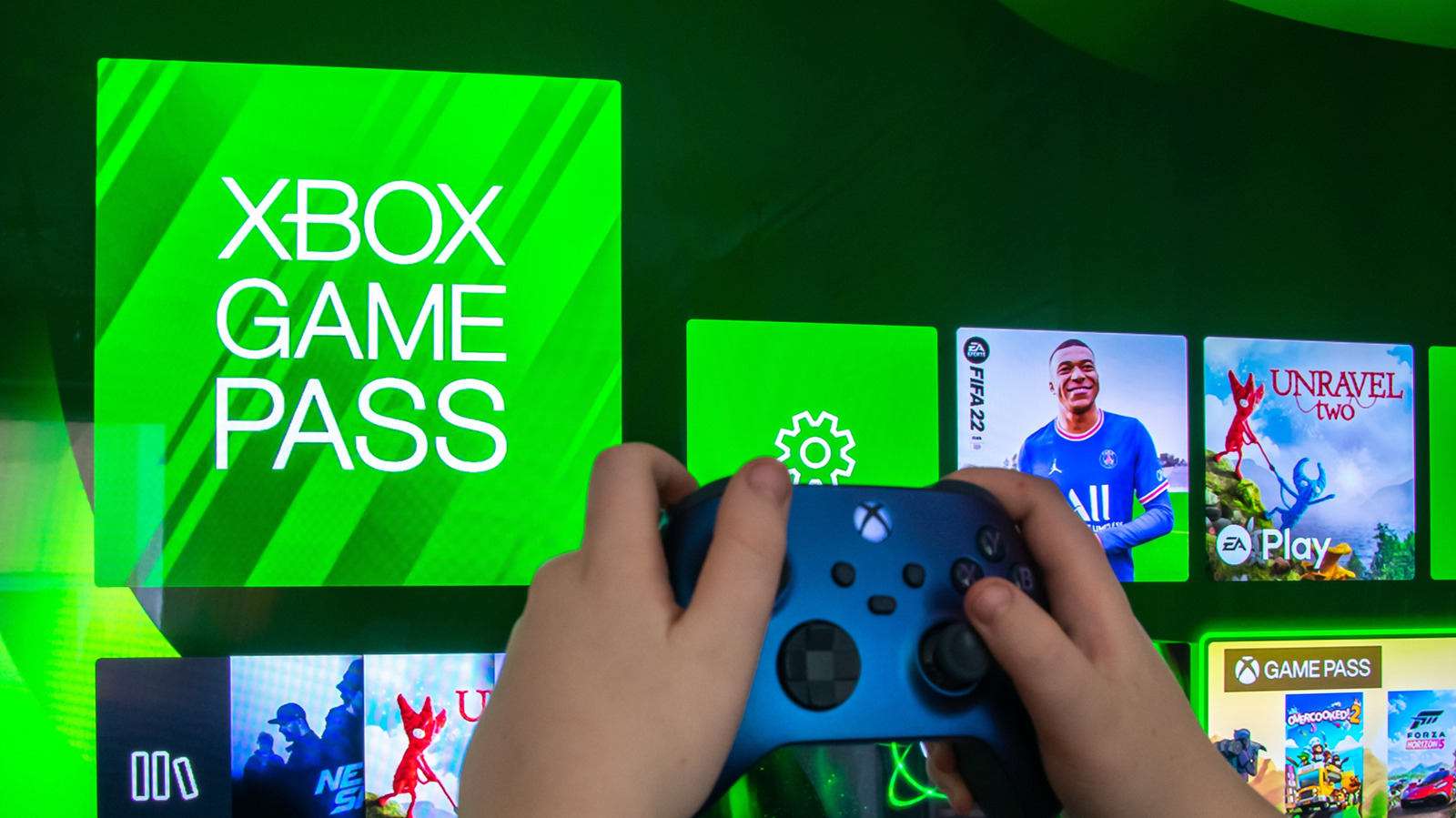
The initial configuration offers users a choice among several distinct animations:
- The new "We are Xbox" sequence
- The legacy boot animation from the Xbox One generation
- The updated startup sequence from the mid-generation Xbox One X hardware
- The standard boot animation native to the Xbox Series X and Series S
Additionally, users are given the option to toggle off boot audio entirely. However, the initial rollout has drawn mild community critique for a notable omission: the iconic startup animation and signature chimes of the Xbox 360, a console widely celebrated for defining an era of modern gaming. Community feedback within Insider forums strongly indicates a desire for the Xbox 360 boot sequence to be added in future updates.
Beyond boot screens, the comprehensive update package includes a series of deeply requested interface and utility adjustments. Chief among these is a local search tool designed to allow players to instantly locate specific games, applications, and achievements. Historically, users managing large digital libraries—inflated by backwards-compatible purchases and the sprawling catalog of Xbox Game Pass—were forced to manually scroll through extensive lists. The new search utility addresses a long-standing friction point in the user interface.
Profile Customization and Performance Enhancements
The platform update extends its reach into social features and technical performance metrics. On the profile management front, users will now be able to showcase up to five achievement or milestone badges simultaneously, offering a more prominent display of in-game accomplishments to friends and the broader Xbox community.
Technical upgrades are heavily focused on Remote Play and cloud infrastructure. For users with high-bandwidth internet connections, Remote Play has been expanded to support native 1440p streaming resolutions at higher bitrates, significantly improving visual fidelity for off-console play. Furthermore, a new multitasking protocol allows users to continue downloading software updates and new game files locally while actively engaging in Xbox Cloud Gaming sessions—a capability previously restricted by bandwidth and system resource allocation.
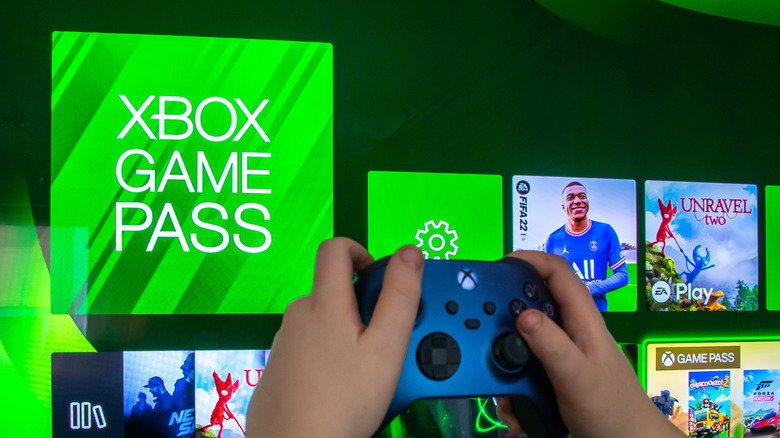
In the realm of communication, the update introduces Voice Clarity integration for party chat and multiplayer sessions. Powered by advanced audio processing algorithms, Voice Clarity aims to isolate human speech while filtering out ambient background noises, such as mechanical keyboard clatter, heavy breathing, and household disruptions. Users retain the flexibility to disable Voice Clarity via the system audio settings if they prefer unaltered microphone transmission.
Industry Implications and Future Outlook
The strategic deployment of these features highlights a broader trend in the consumer electronics and video game industries: leveraging software updates to extend hardware life cycles and foster emotional resonance with aging consumer bases. By leaning into nostalgia, Microsoft is attempting to bridge the gap between historical brand equity and modern current-generation hardware capabilities.
As the industry navigates a plateau in traditional console upgrade cycles, platform holders are increasingly reliant on software-driven ecosystem loyalty. The inclusion of legacy animations, while minor from a pure computational standpoint, serves as a powerful psychological anchor for consumers who have invested in the Xbox brand for over two decades.
Whether these interface refinements and nostalgic nods will translate into measurable hardware momentum for the Xbox Series X and Series S remains to be seen. However, the responsiveness to community feedback demonstrated in features like local search, enhanced Remote Play, and boot customization signals a conscientious effort by Microsoft’s new leadership team to prioritize user experience and platform satisfaction. As the features graduate from the Xbox Insider testing rings to the general public in the coming months, the broader gaming community will watch closely to see if missing fan-favorite elements, such as the Xbox 360 startup sequence, are ultimately integrated into the final release.