Navigating the Trust Recession: Why Authenticity is the Ultimate Currency in Modern Social Media Strategy

The landscape of digital marketing is undergoing a fundamental structural shift, characterized by a growing skepticism among consumers and an urgent demand for genuine corporate accountability. According to recent data from Sprout Social’s Q3 2026 Pulse Survey, authenticity has firmly established itself as the single most critical brand characteristic on social media. However, capturing and retaining that authenticity has never been more challenging. As audiences increasingly encounter fabricated experiences, deepfakes, and hyper-curated marketing campaigns, a broader "trust recession" has taken hold across major digital platforms.
This environment of heightened consumer vigilance requires brands to fundamentally rethink how they communicate, engage, and position themselves in the digital ecosystem. No longer can organizations rely solely on polished promotional copy, corporate jargon, or automated responses. Instead, building enduring brand equity demands radical transparency, rapid responsiveness, and an unwavering commitment to real-world proof.
The Anatomy of the Trust Recession: Background and Context
To understand the current state of consumer skepticism, one must examine the rapid evolution of digital consumption habits over the past several years. Historically, social media functioned primarily as a network for interpersonal connection. Today, it serves as a primary search engine, a news aggregator, and a commercial marketplace where consumers research products, read reviews, and interact directly with corporate entities before ever visiting a traditional website.

Yet, this reliance exists in direct tension with rising user doubt. Sprout’s Q1 2026 Pulse Survey revealed a sobering statistic: 35% of social media users trust platforms and the content on them significantly less than they did just a single year prior. The proliferation of artificial intelligence-generated content has severely exacerbated this trend. As generative AI tools make it frictionless to manufacture photorealistic imagery, synthetic videos, and automated text, consumers find it increasingly difficult to distinguish between authentic human experiences and manufactured corporate propaganda.
Industry analysts discussed these dynamics extensively during Sprout’s midyear reality check webinar, titled "Be So FR." The core consensus emerging from these industry discussions is that modern consumers are actively rejecting corporate artifice. When brands attempt to chase fleeting viral trends that clash with their foundational identity—or when they publish AI-generated content without clear disclosures—they actively erode the very trust required to sustain long-term customer relationships.
Quantifying the Stakes: Data-Driven Insights on Consumer Behavior
The commercial implications of this trust deficit are profound, directly impacting everything from brand loyalty to crisis management and revenue growth. Modern consumers utilize social media not just for passive entertainment, but as an active vetting tool for their purchasing decisions.
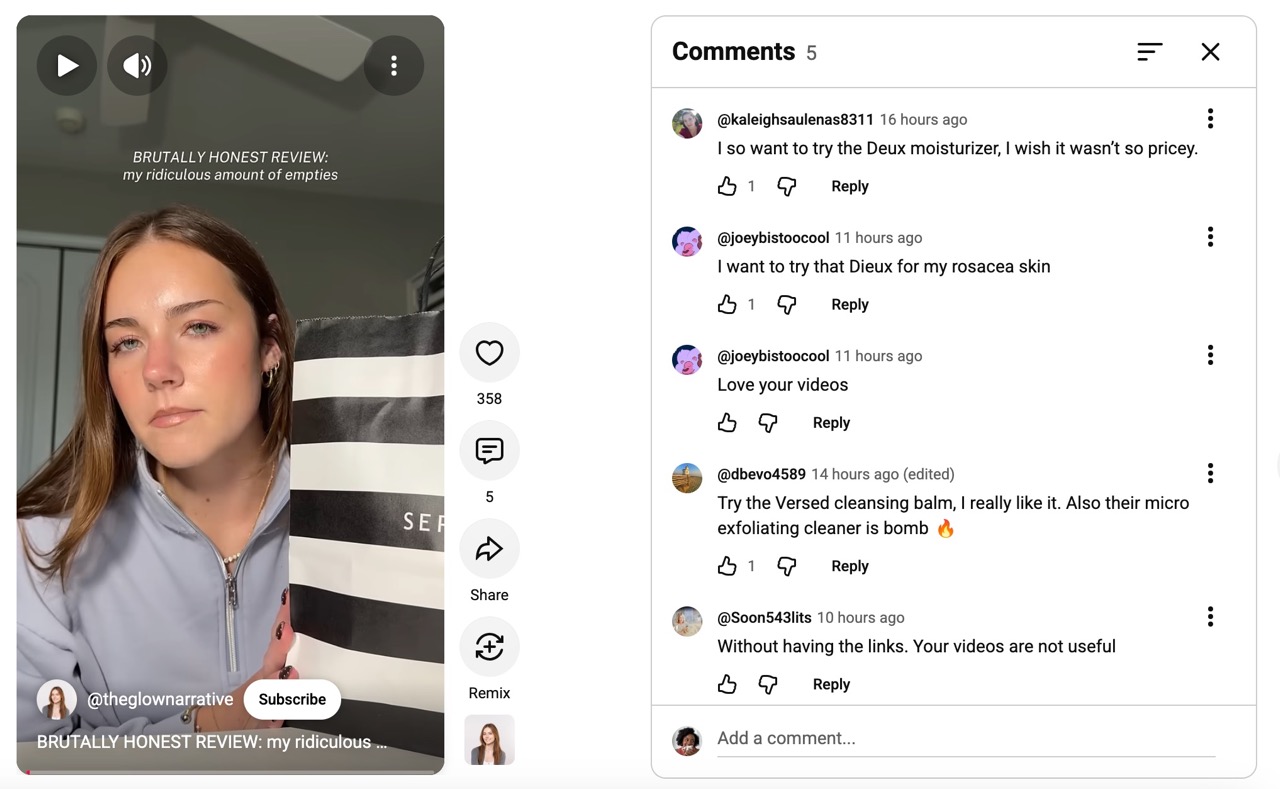
According to Sprout’s multi-quarter research data from 2026, peer-to-peer recommendations carry vastly more weight than traditional advertising. Specifically, 57% of consumers trust everyday, frontline users above all others when seeking product recommendations. This figure vastly outpaces the trust placed in traditional industry experts, mega-influencers, or corporate employees. When consumers evaluate a skincare product, a software tool, or a consumer electronics device, they look to organic community discussions, comment sections, and firsthand peer reviews to separate marketing claims from operational reality.
This heightened scrutiny is equally apparent when organizations face public relations crises. Sprout’s Q2 2026 Pulse Survey indicates that the vast majority of consumers first encounter news of a brand crisis directly on social media platforms. Crucially, 64% of surveyed consumers assert that it is essential for brands to address these controversies publicly on social channels, rather than retreating behind formal press releases or static website statements. The expectation is immediate, transparent, and public accountability.
Chronology of Expectations: How Responsiveness Shapes Brand Equity
The timeline of customer engagement has compressed dramatically. Waiting days—or even hours—to resolve a customer complaint or address an online grievance is no longer commercially viable. Consumer expectations regarding response times have evolved from a courtesy into a stringent operational benchmark.
Data from the Q3 2026 Pulse Survey highlights that 38% of consumers now expect a customer care response from a brand within two hours of reaching out on social media. Even more striking is that 14% of that cohort expect a substantive reply within a matter of minutes. Brands that fail to meet these windows risk amplifying customer frustration in a public forum where dissatisfaction can rapidly snowball into a viral PR event.
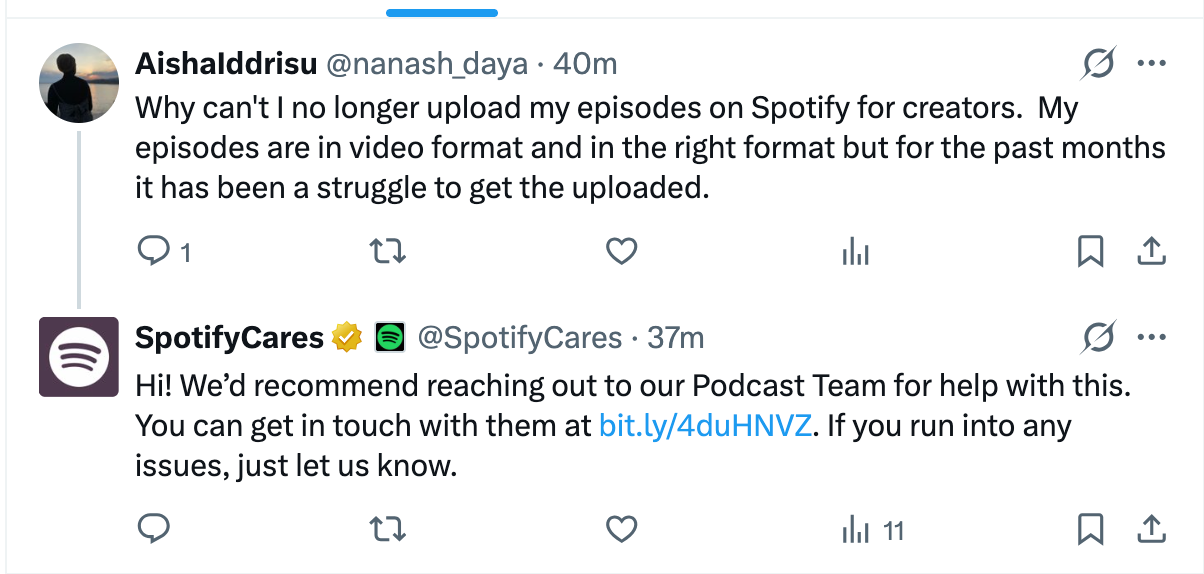
Conversely, organizations that treat social channels as frontline customer service touchpoints reap significant rewards. Corporations that implement agile, empathetic response protocols—such as streaming service support teams acknowledging user upload errors within minutes and providing direct paths to resolution—effectively transform potential detractors into vocal brand advocates. Speed, combined with contextual accuracy, serves as a primary trust builder in moments of high friction.
The Four Pillars of Modern Brand Trust
To navigate the trust recession successfully, communications and marketing teams must anchor their strategies in four foundational behaviors: consistency, responsiveness, transparency, and proof. Conversely, violating these principles introduces severe reputational risks.
| Trust Builder | Trust Breaker |
|---|---|
| Consistency: Maintain a recognizable voice and follow through on your stated corporate values across all channels. | Chase viral trends that clash with your core identity or make promises your operational actions do not support. |
| Responsiveness: Acknowledge customer inquiries promptly and provide actionable, helpful answers or clear next steps. | Ignore consumer grievances or rely on generic, automated replies that fail to address the root issue. |
| Transparency: Clearly disclose AI-generated assets, paid sponsorships, and proactively acknowledge operational mistakes. | Hide commercial partnerships, pass off synthetic content as genuine human experience, or dodge public accountability. |
| Proof: Highlight authentic customer testimonials, employee expertise, and creator partnerships rooted in firsthand product usage. | Rely on unsubstantiated marketing claims or influencer endorsements from individuals with no genuine product familiarity. |
Strategic Implications: Five Steps to Rebuild and Maintain Credibility
Transforming social media channels into engines of sustainable business growth requires a deliberate departure from legacy advertising tactics. Industry leaders are increasingly adopting five operational strategies to safeguard their brand equity:
- Prioritize Authentic Voice: Brands must intentionally strip away corporate jargon and overly polished sales language. Research indicates that 26% of consumers desire brands to sound less corporate, while 24% want messaging to be distinctly less sales-driven. Messaging should be conversational, informative, and grounded in the actual utility of the product.
- Implement Rigorous Social Listening: Organizations must look beyond direct inbound messages to understand broader market sentiment. Utilizing advanced social listening dashboards allows teams to monitor organic conversations regarding their brand, industry verticals, and direct competitors. When recurring customer pain points are identified, brands must translate these insights into concrete product improvements or educational resources.
- Vette Creator Partnerships Carefully: Influencer marketing remains a powerful growth lever, but only when executed with rigorous selectivity. Sprout’s 2026 Influencer Marketing Report demonstrates that 47% of consumers evaluate a creator based on their topical expertise, compared to just 17% who care about sheer follower counts. Brands must audit potential partners for authenticity, past disclosures, and alignment with brand safety standards.
- Amplify Employee and User-Generated Content: Consumers naturally gravitate toward real voices. Featuring user-generated content demonstrates tangible product value, while highlighting frontline employees adds institutional credibility. Because 61% of consumers believe employees should receive additional compensation when promoting their corporate employer on social channels, organizations must ensure these internal advocacy programs are voluntary, supported, and fairly incentivized.
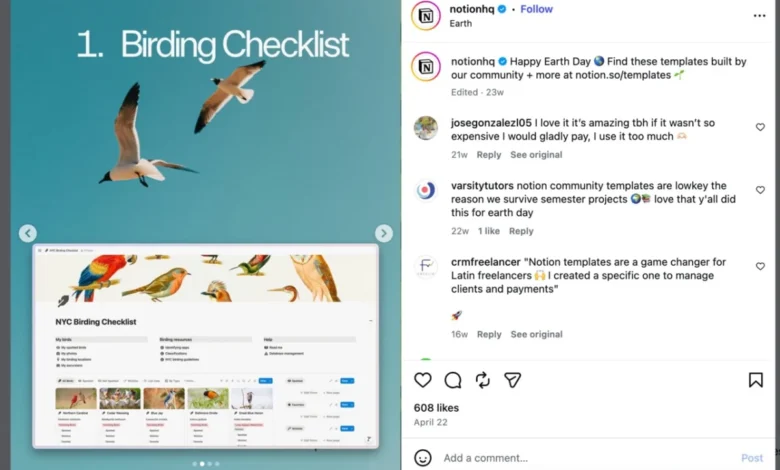
- Cultivate Communities Over Audiences: Moving transactional followers to engaged brand communities requires creating spaces for shared interests. By showcasing community-built resources—such as user-designed templates or peer-to-peer troubleshooting—brands foster collaborative environments where trust develops organically.
Broader Analysis and Outlook
The overarching takeaway for corporate leadership is that trust can no longer be treated as an intangible marketing metric. In an era defined by AI saturation and deep consumer cynicism, trust is a quantifiable business driver that directly influences customer acquisition, retention, and crisis resilience.
Organizations that adapt by prioritizing radical transparency, swift and empathetic customer care, and verifiable peer proof will find themselves uniquely positioned to weather the trust recession. Those that cling to manufactured narratives and automated artifice, however, risk alienating an increasingly discerning digital public. Moving forward, the most successful brands will be those that recognize social media not as a broadcast megaphone, but as a two-way mirror reflecting their true operational integrity.