For small and medium-sized businesses (SMBs), Facebook transcends its role as a mere social network, evolving into a pivotal growth engine in the digital economy. With over two billion people engaging with the platform daily, it serves as a primary conduit for consumers to discover local companies, peruse reviews, and pose questions directly to businesses. However, without a robust framework for analytics, discerning the true impact of this activity on business growth remains an elusive challenge. The prevalent mistake for many SMBs is an overreliance on superficial "vanity metrics" such as likes, followers, and reactions, which, while visually appealing, rarely translate into demonstrable return on investment (ROI). A strategic shift towards metrics directly linked to business outcomes is imperative, enabling SMBs to make informed, data-backed decisions that drive tangible results. This comprehensive guide aims to demystify Facebook analytics, identifying the most impactful metrics and outlining how to access and interpret them effectively without being overwhelmed by complex dashboards.
The Evolving Landscape: Facebook as a Business Imperative
Facebook’s journey from a collegiate social platform to a global commercial powerhouse has been remarkable. Today, it stands as a cornerstone of digital marketing for SMBs, offering unparalleled reach and intricate targeting capabilities. For many small enterprises, their Facebook Page functions as a digital storefront, a customer service portal, and a community hub all rolled into one. This ubiquitous presence means that understanding customer interactions on the platform is no longer optional but critical for survival and growth.
According to recent industry reports, over 90 million SMBs globally utilize Meta’s platforms, including Facebook, highlighting its widespread adoption. This integration underscores the necessity for businesses to move beyond rudimentary presence and actively leverage the data generated by these interactions. The challenge, however, lies in sifting through the vast amounts of data to identify actionable insights. Early on, the emphasis was often on maximizing "reach" or accumulating a large follower count, metrics that while important for brand visibility, do not inherently guarantee commercial success. The digital marketing landscape has matured, demanding a more sophisticated approach where every marketing dollar, particularly for lean SMBs, must be justified by measurable outcomes.
Why Facebook Analytics Are Indispensable for SMBs
Facebook analytics provide a granular view of how individuals interact with a business across the platform. This encompasses insights into content performance, traffic generation, customer feedback, and common inquiries. By understanding this data, businesses can transition from speculative content creation to a strategy founded on proven audience preferences, optimizing their efforts and resources. This precision is particularly vital for SMBs, which often operate with limited marketing budgets and personnel.
The strategic importance of analytics for small businesses can be broadly categorized into several key areas:
- Optimized Resource Allocation: Analytics reveal which content formats, topics, and publishing times resonate most effectively with the target audience, guiding resource allocation towards high-impact activities. This prevents wasted effort on underperforming content and ensures marketing spend is maximized.
- Enhanced Audience Understanding: Deep dives into demographic data, engagement patterns, and user behavior help SMBs refine their understanding of their ideal customer. This knowledge is invaluable for tailoring messaging, product development, and overall marketing strategies.
- Measurable ROI: Critically, analytics provide the tools to link social media activity directly to business outcomes, such as sales, lead generation, or website traffic. This moves Facebook marketing from a perceived expense to a quantifiable investment.
Linking Engagement Directly to Revenue: The Power of Trackable Links
For SMBs, the ultimate measure of Facebook engagement is its ability to drive concrete business outcomes, such as sales, demo bookings, or appointments. A fundamental method for connecting user activity to revenue is through the judicious use of trackable links. Unlike platforms with more restrictive linking policies, Facebook offers ample opportunities to embed clickable URLs within posts, stories, Reels, and even comments.
Utilizing shortened, trackable links, often generated by tools like Bit.ly or built-in platform shorteners, allows businesses to meticulously monitor clicks originating from their Facebook Page. This granular tracking provides insights into the user journey post-interaction: Did they navigate to the website? Initiate a phone call? Or seek directions to a physical storefront?
Consider a local artisan bakery promoting a new seasonal pastry. By sharing a custom short link directly to the product page on their e-commerce site, they can precisely quantify how many Facebook users transitioned to their online store. Instead of merely observing a high view count, the bakery can confidently assert that "this post directed 75 potential customers directly to our new pastry collection." This level of insight empowers businesses to pinpoint the exact creative formats, messaging styles, or promotional offers that effectively drive real traffic and conversions, enabling them to replicate successful strategies.
Separating Paid Performance from Organic Reach: Strategic Budgeting
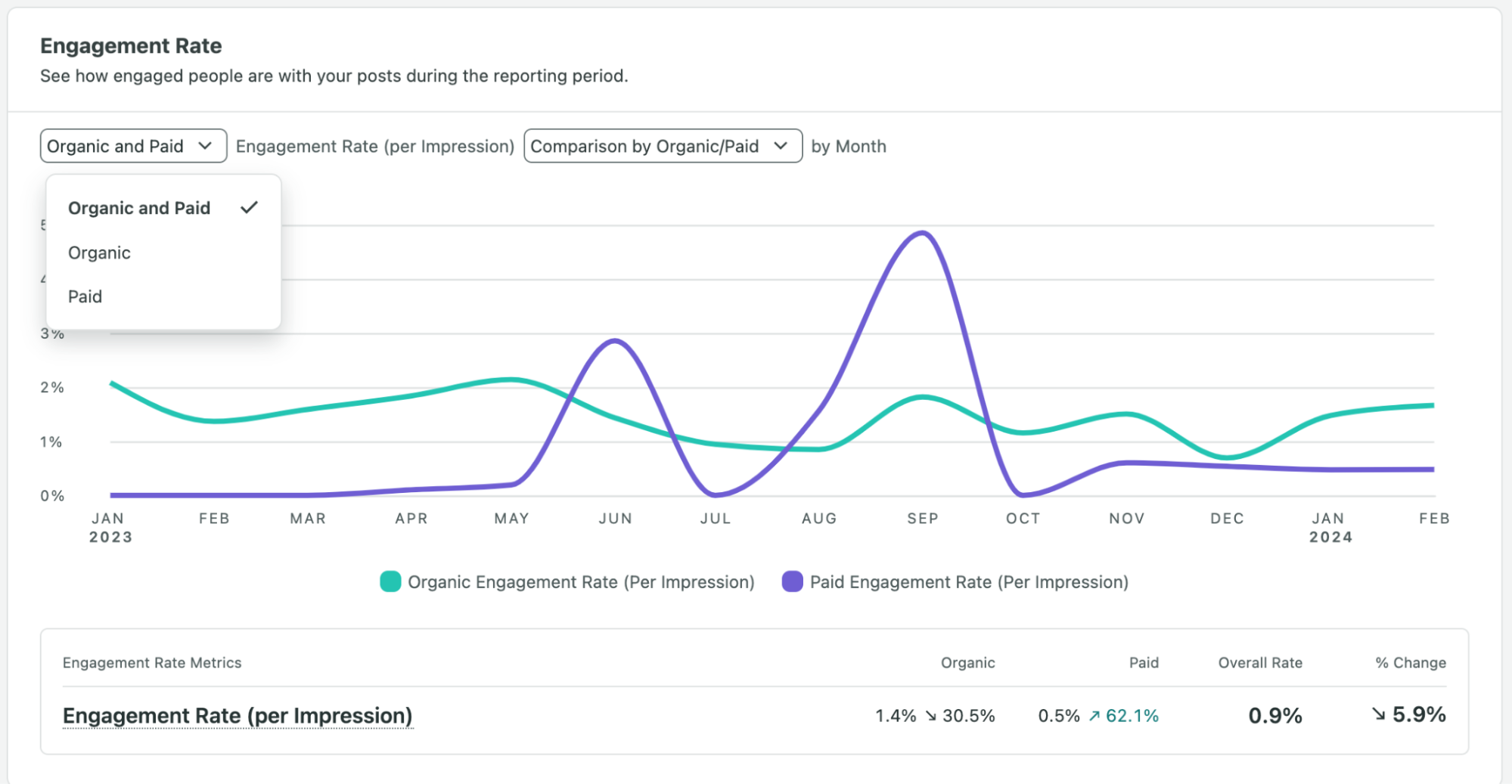
A critical distinction in Facebook analytics for SMBs is the separation of paid performance from organic reach. Organic reach encompasses the audience acquired through unpaid content distribution, while paid reach is the audience reached via boosted posts and advertisements. Conflating these two metrics into a single "reach" number obscures the true efficacy of different marketing efforts. Analyzing them separately provides answers to distinct, yet equally important, questions:
- Organic Reach: What content naturally resonates with our audience without financial investment?
- Paid Reach: Which campaigns effectively extend our message to a broader, targeted demographic through advertising?
Savvy brands leverage this data to optimize their advertising budgets. A post demonstrating robust organic engagement is a prime candidate for boosting, as it has already proven its appeal. Conversely, content that only gains traction through paid promotion warrants closer scrutiny before further investment, prompting questions about its relevance or creative execution. This dual analysis ensures that ad spend is allocated efficiently, maximizing ROI and preventing resources from being wasted on underperforming content.
Improving Your Facebook Content Strategy: Data-Driven Evolution
Analytics serve as an indispensable tool for iteratively refining a small business’s Facebook content strategy over time. Instead of relying on intuition or anecdotal evidence, historical performance data can inform future content planning. By analyzing which formats, topics, caption styles, and publishing times consistently yield superior results, businesses can adapt and evolve their content calendar.
For instance, reviewing data from the past 30, 60, or 90 days might reveal patterns such as:
- Video tutorials consistently outperform static image posts in terms of engagement and shareability.
- Posts published between 10 AM and 2 PM on weekdays generate the highest click-through rates.
- Questions prompting user interaction in captions lead to a significant increase in comments.
These insights enable businesses to make more informed publishing decisions, prioritizing content types that align with their goals, reducing investment in underperforming content, and establishing a clearer baseline for testing new creative ideas. This continuous feedback loop fosters a dynamic and responsive content strategy.
Key Facebook Metrics That Impact Small Businesses
While Facebook offers a multitude of metrics across categories such as Engagement, Reach & Views, Audience, and Follower Growth, not all carry equal strategic weight. Focusing solely on superficial metrics like Page likes or passive reactions can be misleading, offering little insight into purchase intent, content quality, or brand health. Instead, SMBs should prioritize metrics that directly reflect tangible business value.
Here are the critical metrics small businesses should closely monitor:
1. Link Clicks and Website Referral Traffic
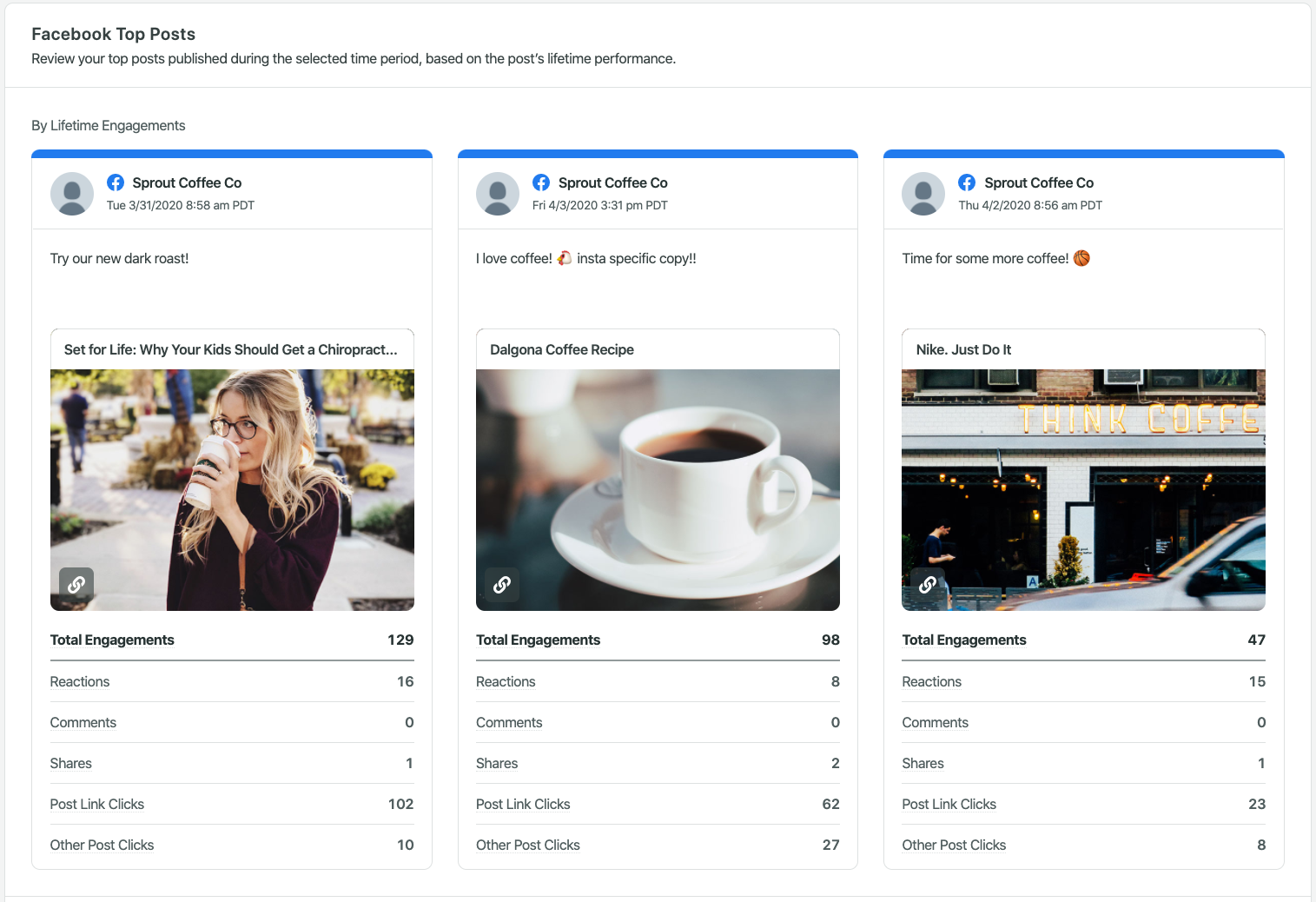
When a user clicks on a link within a Facebook post, they are actively taking a step beyond passive consumption, indicating a higher level of interest. This could involve visiting a website, booking an appointment, or downloading a resource. It is crucial to cross-reference this data with website analytics to track referral traffic, assessing user behavior post-click (e.g., bounce rates, time on page, conversions). Link clicks, especially when coupled with comments and shares, signal genuine engagement and resonate more strongly within Facebook’s algorithms than passive likes, reflecting greater user effort and intent.
2. Video Views and Watch Time
Short-form video, particularly Facebook Reels, has emerged as a dominant content format for brands. To accurately gauge video performance, two metrics are paramount:
- Video Views: The number of times a video has been played.
- Average Watch Time: The average duration users spend watching the video.
Tracking these metrics in conjunction provides a holistic view of video effectiveness. For example, a high number of views with low average watch time might suggest an engaging hook but content that fails to sustain interest. Conversely, fewer views but high average watch time indicates that while the content may not be reaching a broad audience, it deeply resonates with those who do engage. As Facebook has deprecated the older "3-second video view" metric, focusing on comprehensive views and average watch time offers a more accurate reflection of both reach and sustained attention.
3. Audience Demographics and Peak Activity Hours
Understanding the "who" and "when" of your Facebook audience is fundamental to effective content delivery.
- Audience Demographics: Insights into follower age, location, and gender ensure messaging is tailored to the correct audience. For local businesses, this is critical for verifying that engagement is coming from within their service area or target market, preventing wasted effort on out-of-market interactions.
- Peak Activity Hours: Knowing when your audience is most active ensures content is published at optimal times, maximizing visibility and engagement. Missing these windows can significantly reduce potential interaction, as content may be buried by the time followers log on.
4. Follower Growth Metrics
While raw follower count can be a vanity metric, a deeper analysis of follower growth provides valuable insights into the effectiveness of specific campaigns and content. What truly matters is the quality of followers – are they high-intent community members or passive users?
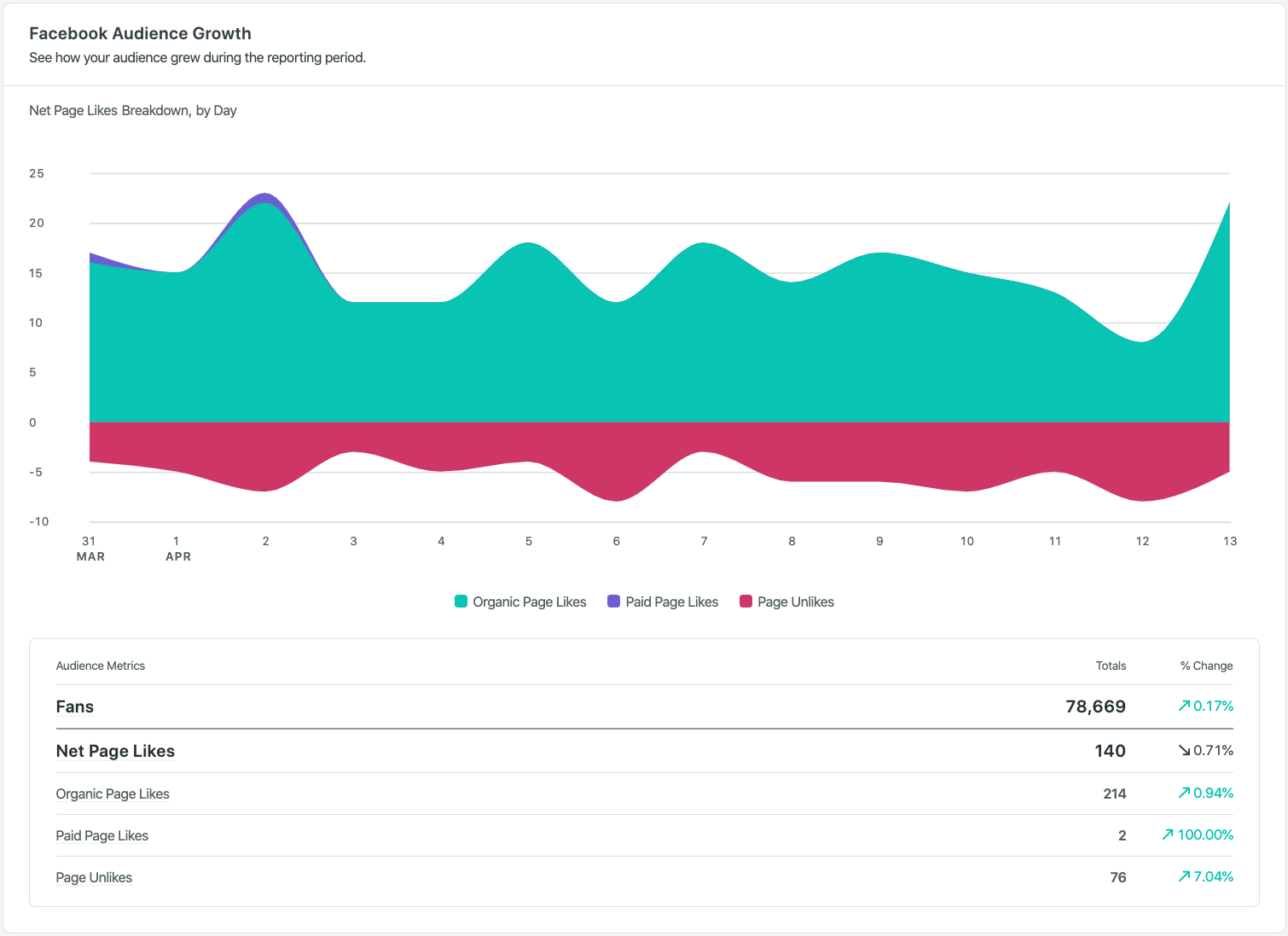
- Net Follower Growth: The total increase or decrease in followers over a specific period, accounting for both new follows and unfollows.
- Growth Spikes: Sudden increases in follower acquisition, which can be traced back to specific posts, Reels, ads, or campaigns. Identifying the catalysts behind these spikes allows businesses to replicate successful strategies. Manually cross-referencing follower growth charts with content calendars and ad performance data can be time-consuming, highlighting the value of integrated analytics platforms.
5. Page Recommendations and Customer Review Sentiment
For many SMBs, especially local ones, their Facebook Page functions as a crucial digital storefront and directory. Customers often consult it for hours of operation, location details, photos, and, critically, reviews and recommendations. Social proof is a powerful driver of reputation and sales.
- Page Recommendations: The number of users who have recommended your business page.
- Customer Review Sentiment: The overall positive, negative, or neutral sentiment expressed in customer reviews.
Monitoring these metrics provides invaluable feedback on product and service quality. Responding promptly and thoughtfully to reviews, both positive and negative, not only helps manage reputation but can also foster long-term customer loyalty and inform business improvements. Research indicates that a significant percentage of consumers trust online reviews as much as personal recommendations, making this a non-negotiable area for SMB focus.
How to Access and Interpret Your Facebook Analytics
Accessing Facebook analytics data can be done through several channels:
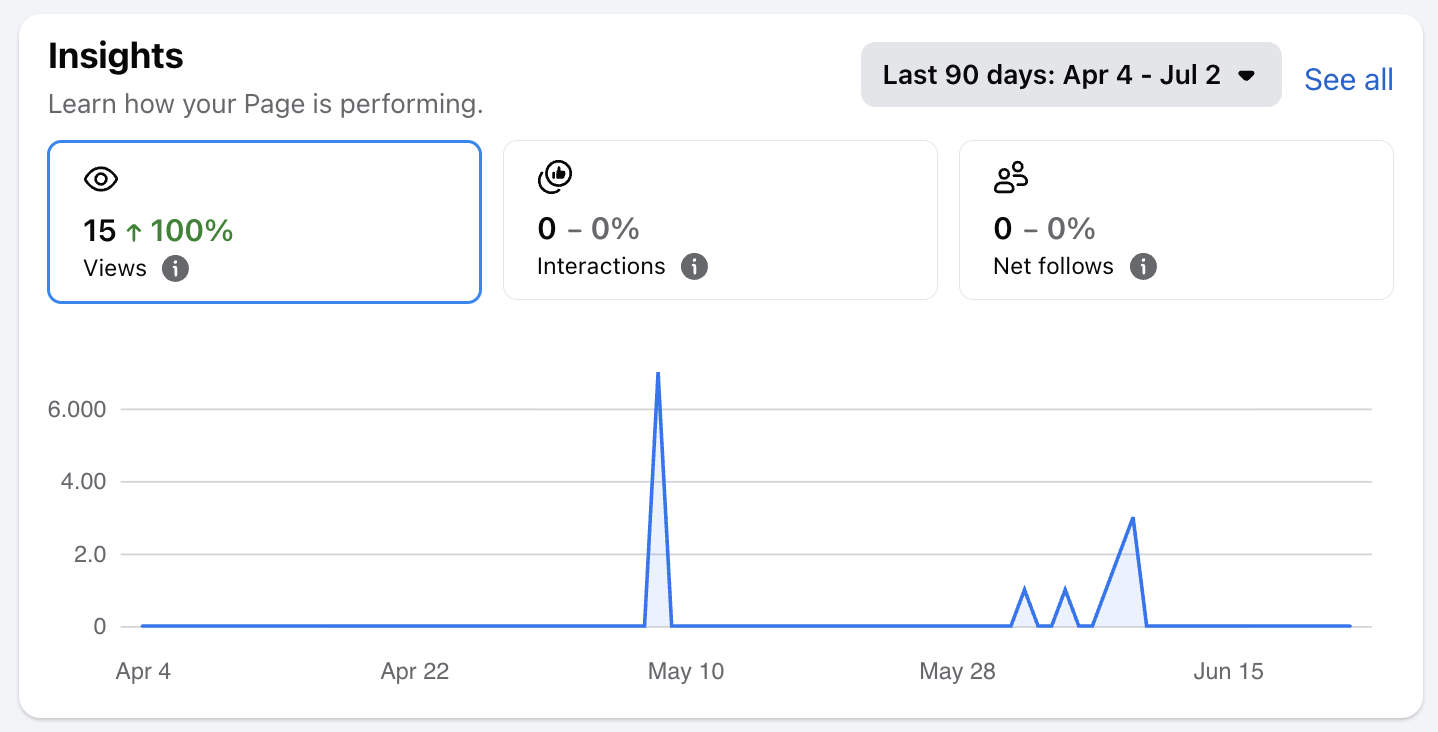
- Meta Business Suite: Facebook’s native platform for managing business assets, offering insights into Page and Instagram performance.
- Ads Manager: Dedicated to tracking the performance of paid advertising campaigns.
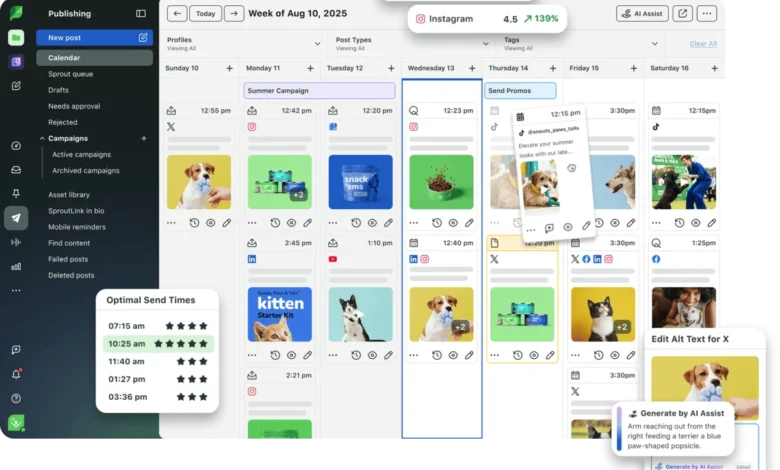
- Third-Party Social Media Management Platforms: Integrated solutions that consolidate data from multiple social channels and provide advanced reporting.
While Meta’s native Professional Dashboard (or Meta Business Suite) offers a starting point, providing basic views of content performance, audience demographics, and engagement, its limitations become apparent as a business scales. The primary challenge lies in data fragmentation. Information critical for comprehensive analysis is often scattered across multiple dashboards—Business Suite, Ads Manager, Page reviews, Messenger, and external website analytics—requiring constant tab-hopping and manual data aggregation. For lean SMB teams, this inefficiency translates directly into wasted time and resources, making it an expensive approach.
Moreover, native tools can hinder cross-platform performance comparisons. For businesses managing a multi-channel social presence (e.g., Facebook, Instagram, TikTok, LinkedIn), analyzing each platform in isolation slows down reporting and impedes a holistic understanding of social strategy effectiveness.
Graduating to Third-Party Social Media Management Software
The point at which reporting burdens begin to overshadow strategic marketing efforts signals the need for an upgrade to third-party software. A dedicated social media management platform provides a unified view of performance, allowing SMBs to integrate Facebook insights within their broader social strategy.
Key indicators that it’s time to make the switch include:
- Spending excessive time manually compiling reports across various platforms.
- Struggling to attribute specific Facebook activities to tangible business ROI.
- Needing a consolidated view of performance across multiple social media channels.
- Seeking advanced analytics capabilities, such as competitive benchmarking or sentiment analysis, not available natively.
Such platforms address the fragmentation problem, freeing up valuable time for strategic tasks like content creation, audience engagement, and business development, rather than administrative data wrangling.
The Broader Impact and Future Outlook
The diligent application of Facebook analytics fundamentally transforms how SMBs operate in the digital realm. By moving from intuition-based decisions to data-driven strategies, businesses gain a significant competitive edge. This analytical sophistication enables them to:
- Optimize Marketing Spend: Ensuring every dollar allocated to social media marketing yields the highest possible return.
- Enhance Customer Experience: Tailoring content and interactions based on real user feedback and preferences.
- Drive Innovation: Identifying trends and opportunities for new products, services, or content formats.
- Build Resilience: Adapting quickly to changes in algorithmic priorities or consumer behavior by having real-time performance insights.
As the digital landscape continues to evolve, with increasing emphasis on personalized experiences, social commerce, and short-form video, the ability to interpret complex data will only become more critical. For SMBs, mastering Facebook analytics is not just about tracking numbers; it’s about building a sustainable, adaptive, and growth-oriented business in an increasingly interconnected world. The future of small business success on platforms like Facebook hinges on a commitment to continuous learning and leveraging data to inform every strategic move.