Meta Introduces Camera-Free Ray-Ban Audio Glasses and Gen 3 AI Wearables at Connect 2026 to Address Privacy Concerns

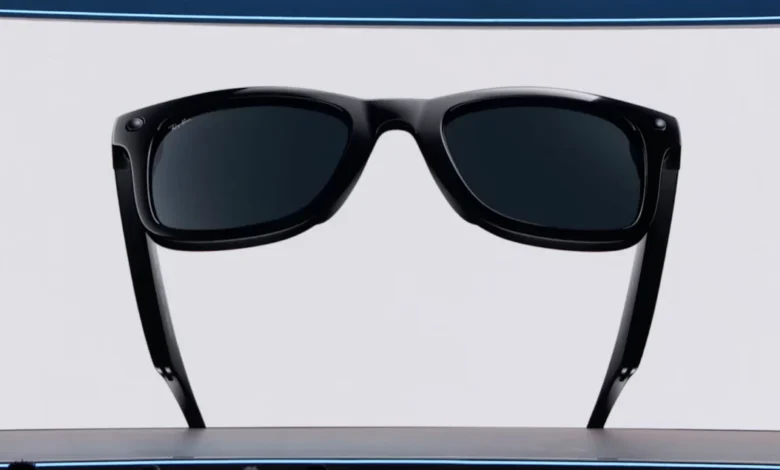
Meta Platforms has officially unveiled its first-ever camera-free smart eyewear, the Ray-Ban Meta Audio, during its annual Connect conference. Developed in collaboration with long-term hardware partner EssilorLuxottica and priced starting at $349, the audio-only device represents a strategic pivot for the technology giant. By removing the camera component entirely, Meta aims to mitigate persistent public scrutiny and severe privacy criticisms that have plagued its earlier smart glasses generations—criticisms that had earned the camera-equipped variants unfavorable monikers among skeptical consumers and privacy advocates.
The newly introduced Ray-Ban Meta Audio glasses are engineered specifically for acoustic experiences. Users can utilize the hardware to stream music and podcasts, execute phone calls, translate foreign languages in real time, and interact directly with Meta’s proprietary conversational artificial intelligence assistant, Muse. By eliminating optical sensors, the design team was able to significantly reduce the physical profile of the eyewear. Weighing a mere 43 grams, the slimmer frames feature adjustable temple tips, swappable nose pads, and overextension hinges designed to optimize everyday comfort and wearability.
According to official product specifications provided during the keynote presentation, the glasses deliver up to 12 hours of continuous battery life on a single charge. Furthermore, utilizing the accompanying protective charging case extends total operational longevity up to 48 hours. The hardware will debut in an extensive array of 23 color and lens configurations, introducing two fresh aesthetics: the retro-inspired Clubmaster style and the Burbank, which features a classic, rectangular profile. Consumers will also retain the option to order the frames equipped with customized optical prescription lenses. Preorders for the Ray-Ban Meta Audio are scheduled to open on October 13.
Background Context and the Evolution of Smart Eyewear Privacy
The launch of a camera-free alternative underscores a turbulent chapter for Meta’s wearable technology division. Over the preceding years, the company’s AI-powered glasses gained substantial commercial traction but simultaneously sparked international debate regarding interpersonal privacy. Critics, advocacy groups, and media reports repeatedly highlighted instances where individuals—predominantly men—leveraged the covert recording capabilities of camera-integrated smart glasses to capture video footage of unsuspecting subjects in public spaces without explicit consent.
Meta previously attempted to address these vulnerabilities by deploying firmware updates designed to disable recording functions if users tampered with the mandatory LED indicator light intended to signal active recording. Despite these mechanical safeguards, the public perception of the device remained shadowed by creepiness factors, leading to reputational fallout and heightened regulatory scrutiny across multiple jurisdictions.
By introducing a dedicated audio-only product category, Meta is directly challenging audio-centric ecosystems such as Apple’s Siri-powered AirPods while offering a socially unobtrusive wearable alternative. During the Wednesday keynote address, Meta Chief Executive Officer Mark Zuckerberg emphasized the shift toward dedicated acoustic devices. "Once you get used to high-quality audio, it’s just a thing that you want all the time, right?" Zuckerberg remarked to the audience, explaining that internal hardware teams recognized a distinct market demand for a standalone category of acoustic glasses.
Expansion of the Core AI Lineup: Ray-Ban Meta Generation 3
While the introduction of the camera-free variant addresses privacy friction, Meta simultaneously advanced its flagship optical lineup by announcing the next-generation Ray-Ban Meta (Gen 3) smart glasses. Building upon the foundational success of the original Ray-Ban Meta Wayfarer, the third-generation series expands its stylistic catalog by introducing the Aviator frame alongside the Zena, a distinct cat-eye silhouette designed to broaden demographic appeal.

Technically, the Gen 3 devices feature an upgraded 12-megapixel camera capable of capturing high-definition 3K Ultra HD video footage. Audio capture and voice recognition are enhanced through a sophisticated six-microphone array integrated into the frame structure. Despite the inclusion of high-resolution optical hardware, power optimization allows the Gen 3 glasses to deliver up to nine hours of continuous battery life.
In tandem with the hardware refreshes, Meta announced an expansion of its high-profile celebrity brand partnerships. Following previous successful collaborations with pop culture figures such as Kylie Jenner, the upcoming product rollout will feature a strategic alliance with international music star Lisa. Furthermore, Meta confirmed that its broader AI eyewear catalog will experience accelerated international deployment, rolling out to additional global markets in the coming months.
Integration of Muse AI and Upcoming Software Features
Central to all wearable devices announced at Connect 2026 is Muse, Meta’s next-generation personal artificial intelligence assistant. Designed to provide contextual, highly detailed responses, Muse powers the voice-activated interactions across both the audio-only and camera-equipped hardware lines.
During the developer conference, executives also previewed an extensive roadmap of upcoming software updates slated for release across the AI eyewear ecosystem. Among the most notable additions is Dolby Atmos Capture support, alongside advanced computational photography features designed to automatically select optimal still frames from rapid multi-frame video bursts. Users will also gain granular control over orientation settings, choosing specifically between landscape and portrait capture modes.
To broaden the societal utility of its hardware, Meta highlighted upcoming accessibility features, including specialized hearing enhancements tailored for individuals experiencing hearing loss. The company also announced customizable interface controls, diversified audio profiles, and a security framework termed "private processing." According to Meta representatives, this privacy architecture is engineered to ensure that personal user data processed by the device remains encrypted and inaccessible to Meta corporate infrastructure, seeking to reassure enterprise and consumer markets regarding data sovereignty.
Market Implications and Industry Outlook
The simultaneous introduction of a camera-free audio device and an advanced optical generation highlights Meta’s calculated strategy to diversify its hardware portfolio and capture varying consumer segments. By bifurcating its product strategy into privacy-centric audio models and feature-rich optical wearables, Meta is attempting to neutralize the cultural stigma surrounding smart glasses while expanding its footprint in the burgeoning spatial computing and ambient AI market.
Industry analysts suggest that the Ray-Ban Meta Audio could successfully court consumers who prioritize acoustic utility and discretion over visual recording, effectively positioning the tech giant as a formidable competitor in the daily wearable audio space. Meanwhile, the Gen 3 cameras cater directly to content creators and early adopters seeking multimodal AI functionality. As preorders commence on October 13, market performance metrics will determine whether this dual-track approach successfully repairs reputational damage while cementing Meta’s dominance in consumer AI hardware.
Related posts: