Retro computing enthusiasts gain new hardware options with the upcoming launch of the A1200 and the Commodore 64 Ultimate.

The landscape of personal computing is undergoing a nostalgic renaissance as Retro Games prepares to launch the A1200, a modern recreation of the iconic Commodore Amiga computer. This release coincides with the arrival of the Commodore 64 Ultimate, a high-fidelity reproduction of the 1982 classic, signaling a robust market demand for legacy hardware that bridges the gap between historical computing and modern convenience.
The Legacy of the Amiga A1200
The original Commodore Amiga, introduced in 1985, was a watershed moment in the evolution of personal computing. Powered by the Motorola 68000 microprocessor, it was widely regarded as years ahead of its time, particularly in its handling of multimedia and graphical interfaces. While competitors were often restricted to text-based environments or primitive pixel art, the Amiga offered a sophisticated palette and custom hardware capable of multitasking and high-fidelity sound.
The A1200 is set to release on December 4, with pre-orders currently available on Amazon for $189.99. The device is designed to replicate the authentic Amiga user experience while integrating modern standards. To ensure accessibility for today’s monitor and peripheral ecosystem, the unit features HDMI video output and USB connectivity. The package includes a faithful reproduction of the classic Amiga keyboard, a mouse, and a controller, bundled with a curated selection of original games.
The Foundation of 3D Graphics
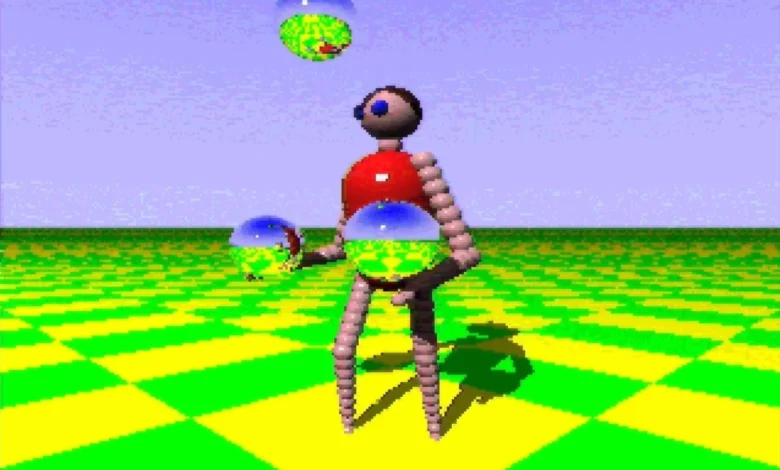
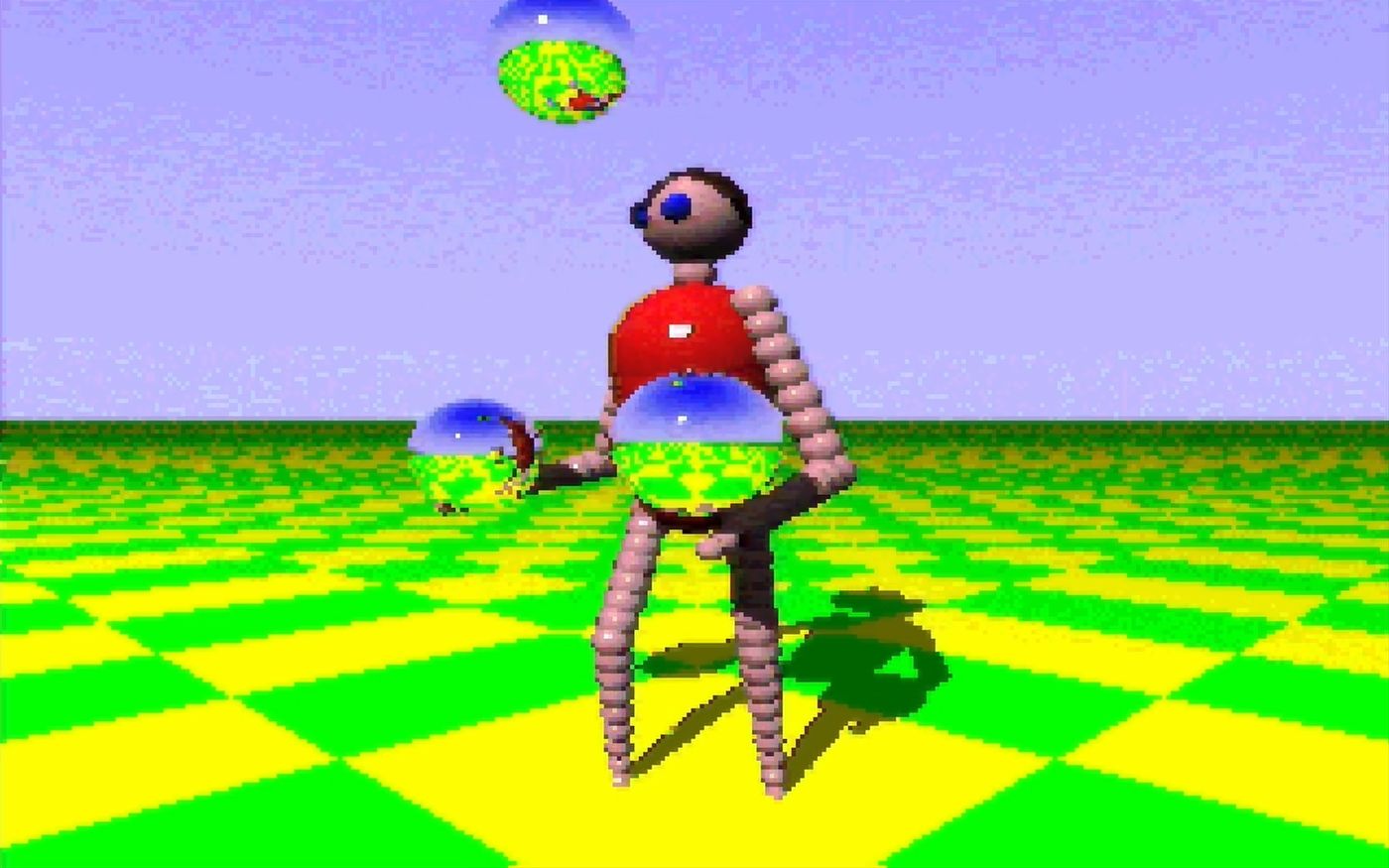
The impact of the Amiga on the professional creative industry cannot be overstated. Long before modern workstations became standard, the Amiga served as the primary platform for early 3D pioneers. Software packages such as Byte by Byte’s Sculpt 3D, Impulse’s Turbo Silver, and Imagine were transformative, allowing artists to render complex geometry and light on a home machine.
Perhaps the most significant legacy of this era was the development of Aegis Software’s VideoScape 3D. This program laid the technical groundwork for what would eventually become NewTek’s LightWave 3D—a powerhouse application that redefined television and film production for decades. By providing the A1200 to a new generation, Retro Games is not merely selling a game console; they are providing a portal to the era that birthed the modern computer-generated imagery (CGI) industry.
The Commodore 64 Ultimate: A Technical Evolution
For users whose technical interests lie in the command-line interface and the foundational architecture of 1980s computing, the Commodore 64 Ultimate offers a different approach. Priced at $299.99, this machine is positioned as a high-compatibility reproduction of the world’s best-selling single computer model.
Unlike casual emulation, the C64 Ultimate claims a 99.9% compatibility rate with original hardware. This extends beyond software to include physical peripherals such as original disk drives, joysticks, and cartridges. This level of fidelity is achieved through advanced hardware logic, while simultaneously introducing modern amenities. The device includes USB ports, HDMI output for contemporary displays, integrated Wi-Fi for modern connectivity, and expanded RAM capacity.
A notable feature for enthusiasts is the "Turbo Boost" mode. This allows the processor to cycle at up to 64 times its original speed, effectively removing the performance bottlenecks that defined early 8-bit computing. By allowing users to toggle between historical authenticity and modern performance, the manufacturer is catering to both the preservationist and the power user.
Chronology of the 8-Bit and 16-Bit Revival
The resurgence of these machines is part of a broader trend that began in the mid-2010s. The timeline of this revival is as follows:
- 1982: Commodore launches the C64, which eventually sells between 12.5 and 17 million units.
- 1985: The Amiga 1000 is introduced, setting a new standard for home computing graphics.
- 1994: Commodore International files for bankruptcy, ending the primary production of these architectures.
- 2016–2018: The "mini-console" trend sees companies like Nintendo and Sony releasing miniaturized versions of their classic hardware.
- 2024: Retro Games announces the A1200, signaling a move from simple plug-and-play consoles to more complex, keyboard-integrated systems.
Market Implications and Industry Response
Analysts suggest that the success of these products is driven by the "nostalgia economy," where demographics who grew up with these machines now have the disposable income to repurchase their childhood memories. However, the move toward full-keyboard, peripheral-compatible machines suggests that the market is evolving beyond simple nostalgia.
Industry observers note that the interest in these machines is also tied to the "Right to Repair" and "Open Source" movements. As modern computing becomes increasingly locked down by proprietary ecosystems and cloud-based subscriptions, there is a growing desire among consumers to own hardware that is transparent, repairable, and entirely local. The C64 Ultimate, with its emphasis on compatibility with original peripherals, directly addresses this desire for hardware ownership and longevity.
Furthermore, the educational implications are significant. Many computer scientists and software engineers of the current generation attribute their initial curiosity to the C64 or Amiga. By providing accessible hardware, these companies are allowing educators and hobbyists to teach the fundamentals of computer architecture—such as assembly language and hardware-level memory management—in a way that is no longer possible on modern, abstract operating systems.
Future Outlook
The release of the A1200 and the C64 Ultimate highlights a shift in how tech companies interact with their intellectual property. Rather than letting older architectures fade into obscurity, these firms are leveraging historical significance to create sustainable niche markets.
The high compatibility of these units is likely to serve as a benchmark for future hardware preservation projects. If these devices prove successful in the long term, we may see a wider adoption of similar reproduction strategies for other iconic platforms, such as the Atari ST or the Apple II.
For the consumer, the choice between the A1200 and the C64 Ultimate will likely depend on their specific historical affinity. The Amiga A1200 remains the champion of the "prosumer" creative era, offering a window into the origins of 3D modeling and advanced multimedia. The C64 Ultimate, conversely, serves the purist who values the foundational simplicity and the massive, legendary library of the 8-bit era.
As the December 4 release date for the A1200 approaches, industry eyes will be on how the market responds to the $189.99 price point. Should it succeed, it will confirm that the appetite for "retro-modern" hardware is not merely a passing fad, but a permanent, albeit specialized, segment of the consumer electronics industry. Interested parties are encouraged to visit the official Retro Games and Commodore.net websites for detailed technical specifications and to view demonstrations of the hardware in action.