Base FX Brings Reality to the Extremes of Netflix’s Beef Season 2 with Grounded Visual Effects

The dark comedic anthology series Beef, created by Lee Sung Jin, has established a reputation for exploring the outermost boundaries of human vengeance and social friction. Following its critically acclaimed inaugural season, which swept major accolades including multiple Primetime Emmy Awards, Netflix greenlit a highly anticipated second season. This new chapter shifts its narrative focus to a volatile blackmail scheme that ignites a toxic, multi-party feud between two complex couples portrayed by a high-profile ensemble cast featuring Oscar Isaac, Carey Mulligan, Charles Melton, and Cailee Spaeny.
While the series is fundamentally anchored in intense interpersonal conflict and grounded character performances, it relies heavily on a subtle, meticulous layer of visual effects to sell its most shocking and idiosyncratic moments. Base FX, a premier visual effects studio with a stellar track record on major productions such as Sinners and The Fantastic Four: First Steps, was tasked with delivering 32 specialized visual effects shots for the sophomore season. Eschewing the bombastic space battles or fantastical landscapes typically associated with heavy VFX pipelines, Base FX’s mandate on Beef was far more challenging: to create hyper-realistic, invisible digital assets—ranging from an intricate ant colony and a dying bee to a harrowing coyote attack on a digital dachshund—that blend seamlessly into the gritty reality of the show’s cinematic world.
A Streamlined Collaborative Pipeline Without Pre-Production Blueprints
The production of Beef Season 2 presented an unconventional workflow for the visual effects team. According to Chris Morley, Visual Effects Supervisor at Base FX, the project’s on-set visual effects supervisor wrapped their duties immediately following principal photography to transition onto another feature film. This departure inadvertently established a direct, unobstructed communication channel between the visual effects department and the show’s creative leadership, specifically creator Lee Sung Jin (Sonny) and director Jake Schreier, who split directing duties across the season’s episodes.
"This was a unique experience in that the on-set visual effects supervisor wrapped after the shoot and moved on to another film," Morley notes. "This opened a direct communication path to Sonny and Jake, who were directing their respective episodes. I’m a big fan of working directly with the filmmakers so I can personally understand the feeling they are going for."
Compounding this unusual pipeline was a distinct lack of traditional pre-production materials. The production operated with relatively minimal storyboards, concept art, or pre-visualization (previs) sequences. Rather than viewing this absence as a hindrance, Morley and his team embraced it as an opportunity for deep empirical research.
"One of my favorite things to do after a creative kickoff is to dive directly into researching different facets of a shot or sequence," Morley explains. "Gaining knowledge and referencing reality helps create a more grounded feeling in the work. It also helps for any random questions that may come up during a pub trivia night!"
This commitment to physical reality dictated every creative and technical decision the studio made, forcing artists to step away from standard computer-generated tropes and ground their digital creations in biological and environmental facts.

Crafting Microscopic Realism: Argentine Ants and Dying Bees
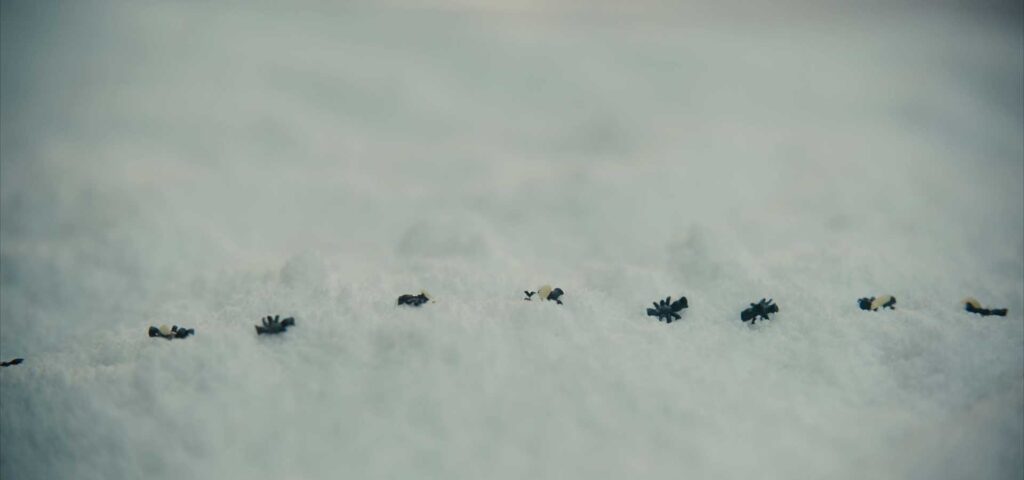
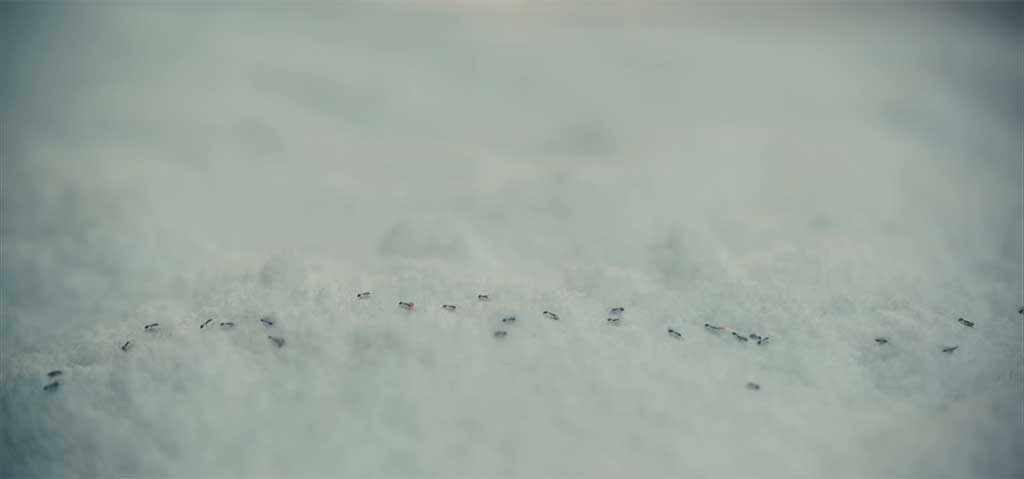
Among the most recurring visual motifs across the season’s eight episodes are ants, which act as subtle narrative bookends, appearing frequently to guide viewers in and out of scenes. Achieving believable insect behavior on screen requires rigorous attention to biological detail, scale, and environmental interaction.
To anchor the digital insects in reality, the visual effects team studied multiple ant species, carefully evaluating variables such as body color, overall scale, lensing characteristics, and plate movement. Ultimately, the studio selected Argentine ants as their primary reference point due to their striking similarity to common household intruders.
To bridge the gap between microscopic reference photography and cinematic storytelling, Base FX artists adjusted digital models based on macro photography references. They developed various proportion variants to prevent visual monotony in shots featuring dense swarms of insects. Animators painstakingly constructed precise walk cycles, which were subsequently fed into Houdini simulations to govern the movement of large clusters.
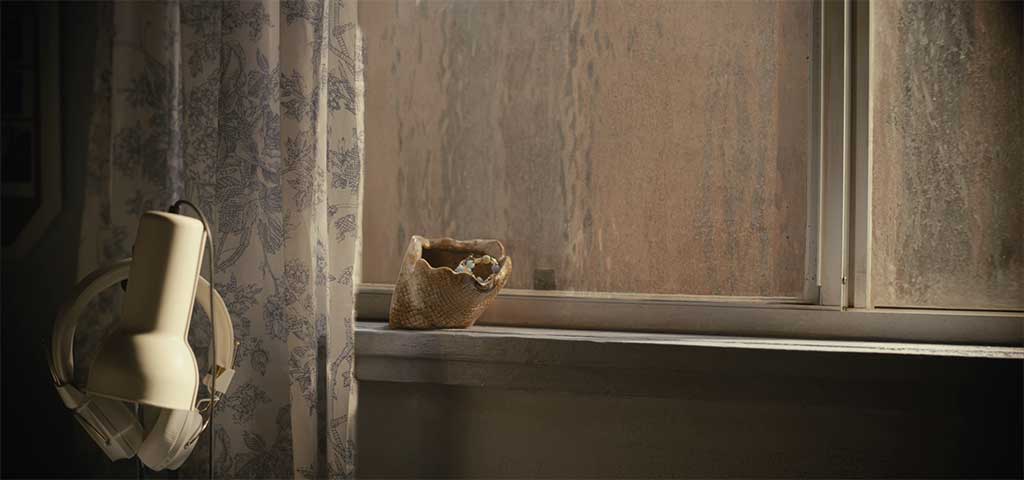
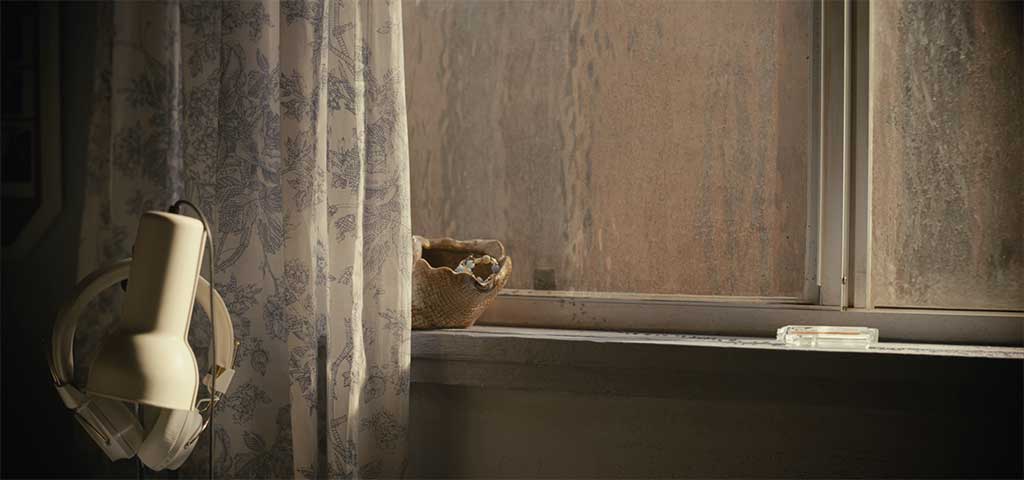
Practical testing was equally rigorous. The studio even shot an analog time-lapse of real ants consuming poison on a windowsill and navigating back to their colony. Translating this footage to the screen required meticulous frame-speed adjustments to ensure the movement looked authentic.

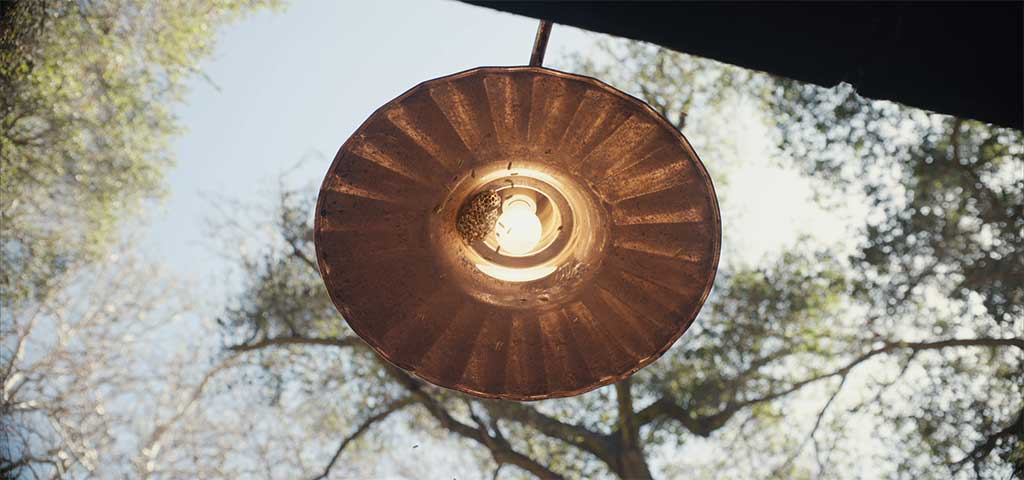
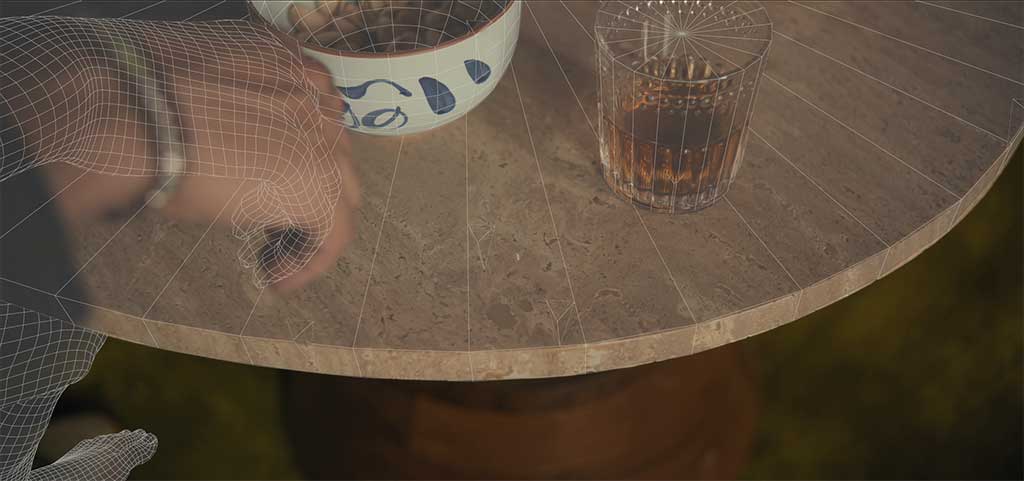
In another pivotal sequence, Austin—played by Charles Melton—attempts to rescue a dying bee by offering a delicate drop of water. This intimate moment demanded a sophisticated mastery of a shallow depth of field and racking focus.
"We needed to tell a clear story in a shot with a racking shallow depth of field," Morley states. "We researched bee footage, more specifically, bees that were dying. Playing with different amounts of movement in the body, legs and wings was important to find the proper balance between actual reality and cinematic reality. We needed the animation to clearly sell that this bee is on its last breath and dies by the end of the shot."

Bringing the Coyote Attack and the CG Dachshund to Life
Perhaps the most technically complex sequence in Base FX’s scope of work involved a dramatic and violent confrontation between a real coyote and a digital dachshund. The execution of this scene required a delicate dance between live-action animal footage and fully rendered digital creature work.
During principal photography, the production utilized a physical stand-in stuffed toy of a dachshund to represent the animal in the coyote’s mouth. While this practical approach provided initial lighting and composition reference, it ultimately lacked the visceral intensity required by the script.
"Some of the shots in that sequence required coyote retiming, head replacement and shadow interaction with the CG dachshund," Morley details. "For the coyote attack principal photography, they shot a stand-in stuffy of the dachshund in the coyote’s mouth. It worked well for initial reference, but the shot required us to make the performance a bit more violent. Once we placed our thrashing CG dachshund in its mouth, the shot really came alive."
Reference footage for the CG dog was gathered from unexpected real-world observations. Director Jake Schreier captured casual video footage of ants traversing a curb outside the production office to study movement velocity, while the animation team analyzed reference videos of dachshunds rolling over and standing up. Because of the breed’s distinct anatomical proportions—characterized by unusually long bodies and exceptionally short legs—capturing the authentic way a dachshund thrashes and maneuvers was critical to selling the illusion.
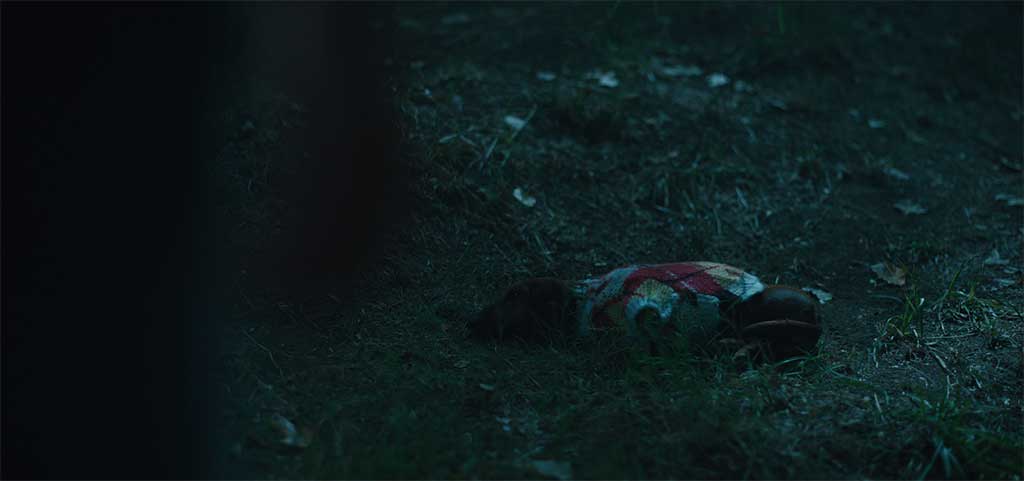
Following the attack, the narrative required a lingering shot of the wounded dachshund, forcing the audience to grapple with the uncertainty of the animal’s survival. Striking the right emotional tone proved to be a delicate balancing act.
"There was a shot following the coyote attack where the dachshund is wounded, and the audience doesn’t know if it’s going to make it," Morley recalls. "We need to ride the edge of subtle and extreme gore. We went back and forth on wound size, flowing blood, specular detail and bloody fur edges. This went on until Sonny was able to align the visceral imagery of the wounded dog with the story that needed to be told."
Invisible Infrastructure: Digital Aircraft, Signage, and Environmental Integration
Beyond the complex creature work, Base FX was responsible for a variety of invisible visual effects designed to seamlessly alter or enhance the live-action plates. In one sequence, the narrative called for a commercial aircraft ascending into the sky. When existing stock footage proved inadequate due to restrictive framing and incorrect aircraft models, the studio built a complete digital asset from scratch.
Tasked with depicting a Korean Air Boeing 747-8I during its initial climb to cruising altitude, the team constructed an entirely digital plane complete with animated landing gear retraction and mechanical panel closures. To construct the surrounding atmosphere, artists painted a digital matte painting (DMP) of the sky, mapped it onto a digital sphere, and layered in volumetric CG clouds and foreground mist.

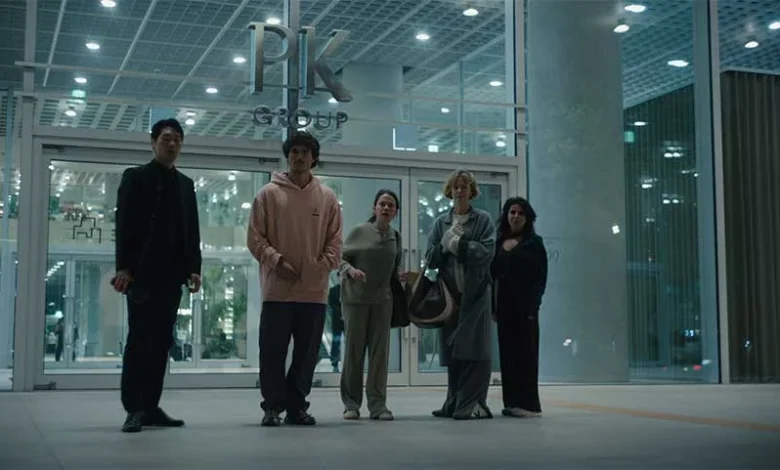
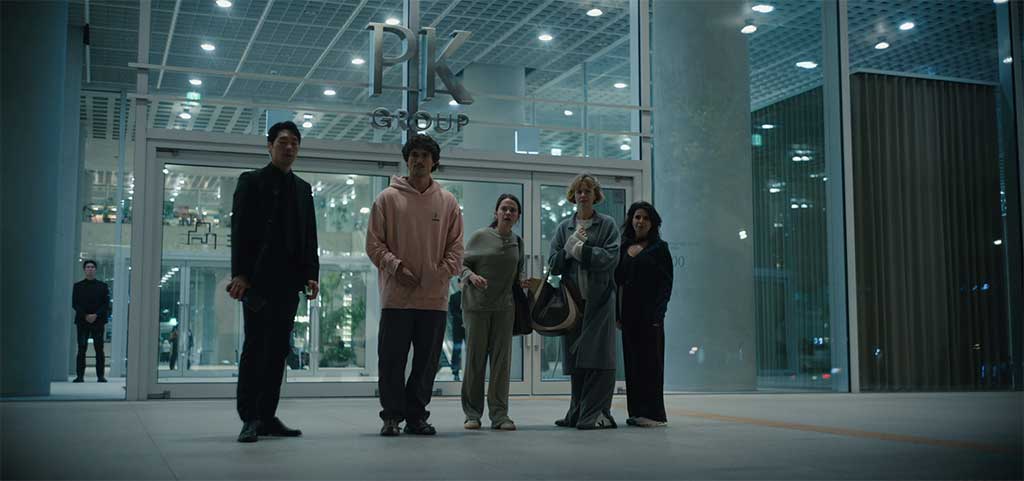
In another instance of invisible intervention, real-world architecture was modified to fit the fictional universe of the show. Existing building signage was entirely replaced with a digital iteration of the PK Group logo. The process began with 2D conceptual designs to determine proper scale and composition before artists built a fully modeled 3D sign, refining its metallic shaders, surface textures, and environmental lighting to ensure absolute photorealism.
The Philosophy of Subtlety in Modern Television VFX
The overarching challenge of Base FX’s contribution to Beef Season 2 lay not in creating fantastical spectacles, but in exercising restraint. In a medium where visual effects artists are frequently pressured to inject artificial dynamism, superhero-scale kinetic energy, or exaggerated motion into digital assets, Morley and his team adhered strictly to a philosophy of hyper-realistic grounding.
"The biggest challenge on this show was to keep the visual effects subtle and grounded," Morley observes. "There was not much room to play with performance. If it is an ant, it needs to move exactly like an ant; if it is a dying bee, it needs to look exactly like a dying bee. Often, we try to inject extra life into things, but sometimes a project calls for a thing to just be a thing."
Whether meticulously modeling terrain details to match physical plates in extreme close-ups, simulating complex ant swarms over snow surfaces, or supporting high-stakes human drama through digital animal choreography, Base FX’s work on Beef demonstrates the profound narrative power of restraint. By allowing reality to dictate the digital workflow, the studio has provided a pristine, invisible foundation that allows the dark psychological depths of Netflix’s acclaimed anthology to shine.