The 34-Year Evolution of Todd Edwards: How the Sample-Splicing Pioneer Shaped UK Garage and Inspired Electronic Music Royalty

Thirty-four years after his initial entry into the recorded music space, legendary producer Todd Edwards remains an influential yet uniquely understated figure within global electronic dance music. Hailing from New Jersey, Edwards is widely recognized as a foundational architect of UK garage, leaving an indelible imprint on genres ranging from 2-step to experimental house. His intricate, multi-layered vocal chopping techniques and complex sample-led production workflows helped establish a distinct sonic blueprint. This blueprint would later inspire generation-defining acts including Daft Punk, Burial, and Disclosure. Despite earning a Grammy Award and cementing his status as an underground luminary, Edwards has spent more than three decades navigating a career marked by late-blooming recognition, severe performance anxiety, industry shifts, and a profound personal rediscovery of his craft.
Main Facts and Current Status
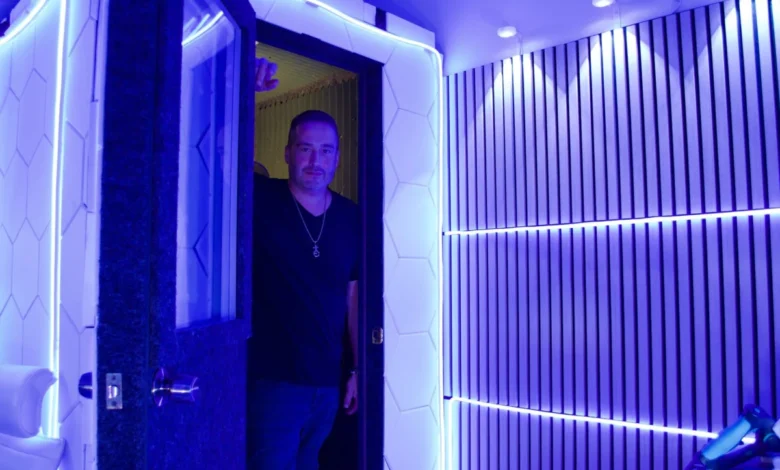
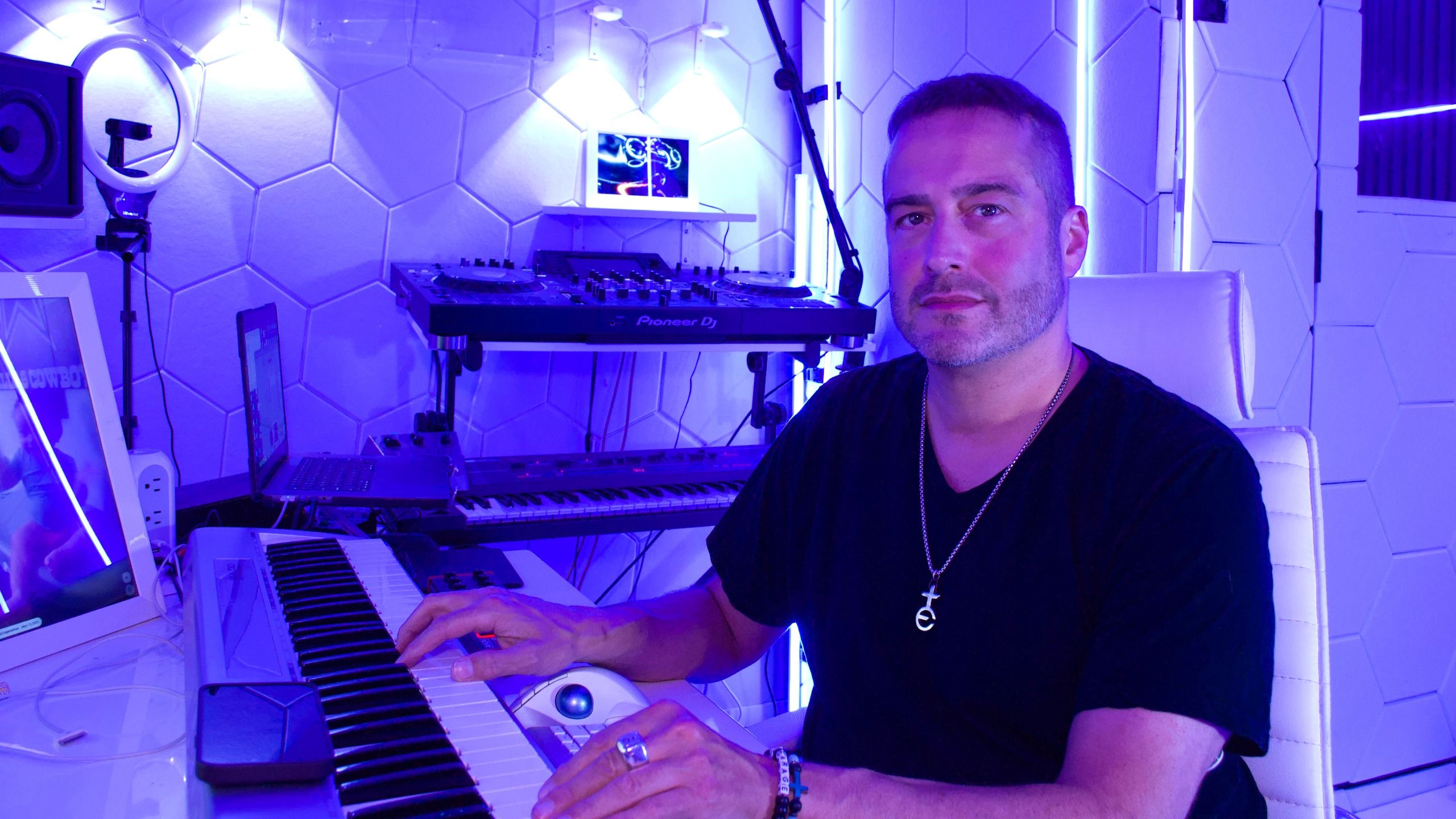
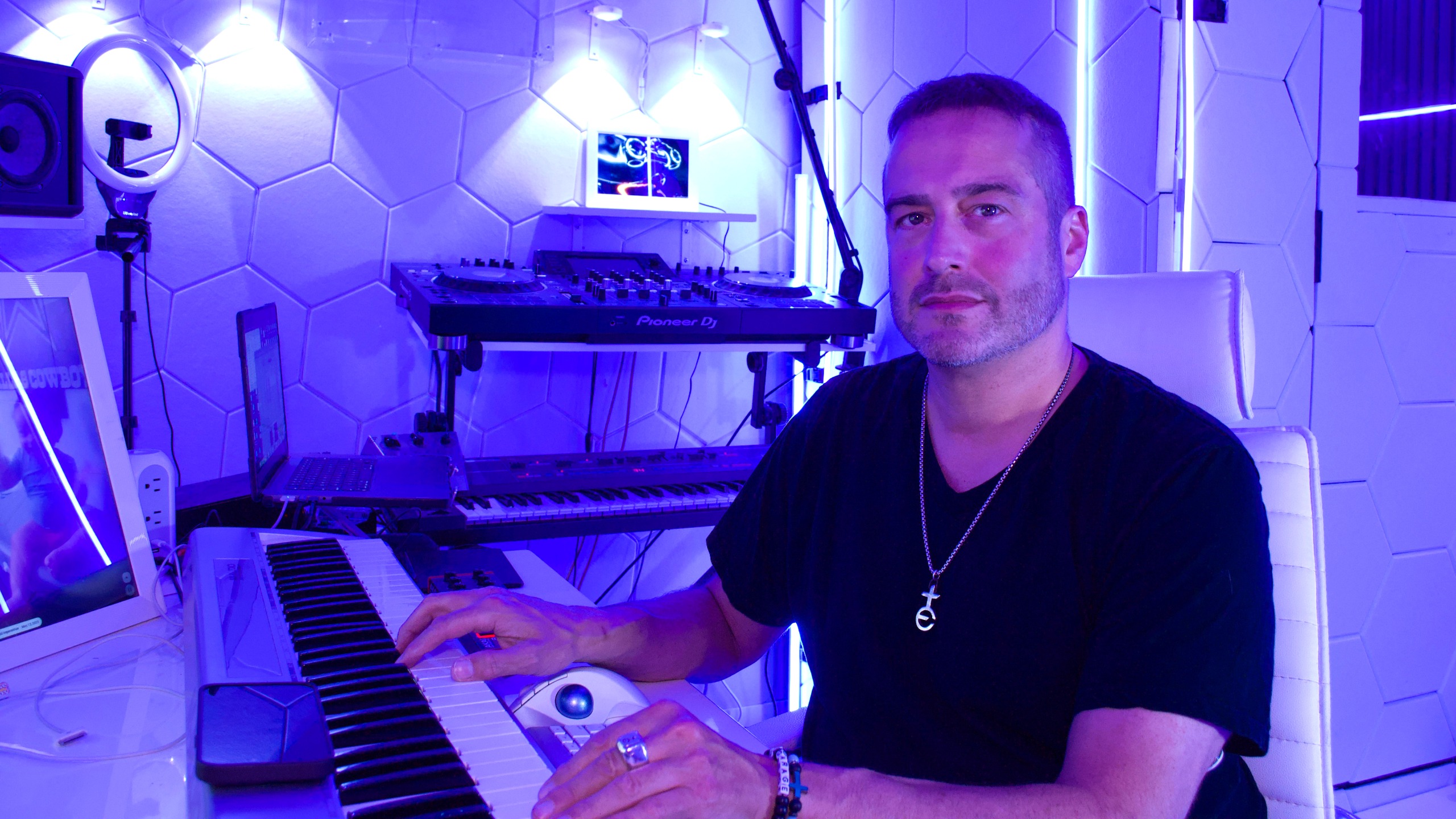
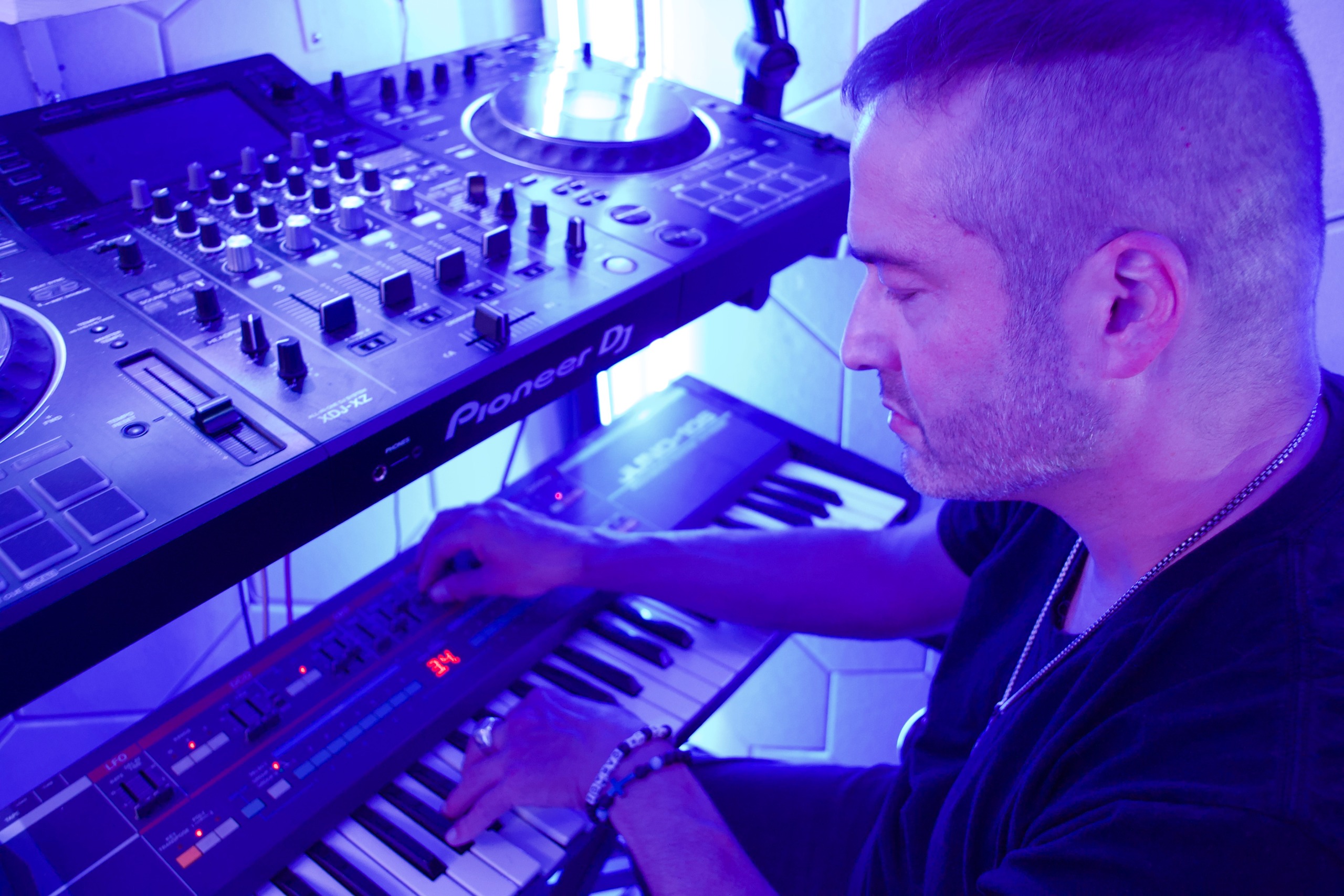
Operating out of his compact home studio in Cathedral City, California—a region he playfully describes as an "old man’s paradise" near Palm Springs—Edwards continues to maintain an active international touring schedule. He frequently traverses North America and Europe, headlining festivals and club nights in cultural hubs such as London, New York, Los Angeles, and Ibiza.
Yet, despite his profound contributions to electronic music history, Edwards lacks the mainstream household name recognition enjoyed by contemporaries like Todd Terry or Louie Vega, both of whom initially inspired him to pursue house music production. Edwards acknowledges this dichotomy with characteristic candor, often expressing regret that he did not more aggressively capitalize on the most pivotal breakout moments of his career. Today, his engagement with the live circuit serves not only as a vital revenue stream in the streaming era, but also as an active mechanism for self-promotion, ensuring that younger generations of dance music enthusiasts understand the historical roots of the sounds they enjoy on modern festival stages.
Chronology of a Storied Career: From New Jersey Basements to International Acclaim
Edwards’ journey into electronic music began in the early 1990s within the musically rich environment of New Jersey. Exposed to house music at local teen dances and through the foundational radio mixes of New York legend Tony Humphries on KISS FM, Edwards quickly transitioned from avid listener to aspiring producer.
1992–2003: The Underground Foundations and Crippling Stage Fright
In 1992, Edwards released his debut production under the moniker The Todd Edwards Project, issuing the track "Get Carried Away" on 111 East Records. To his astonishment, Tony Humphries played the record during a Friday night radio broadcast—marking the first time Edwards heard his original work on the airwaves. Despite this early encouragement, mainstream success proved elusive. His intricate style, which involved layering dozens of micro-samples to construct complex vocal harmonies and rhythms, was ahead of its time.
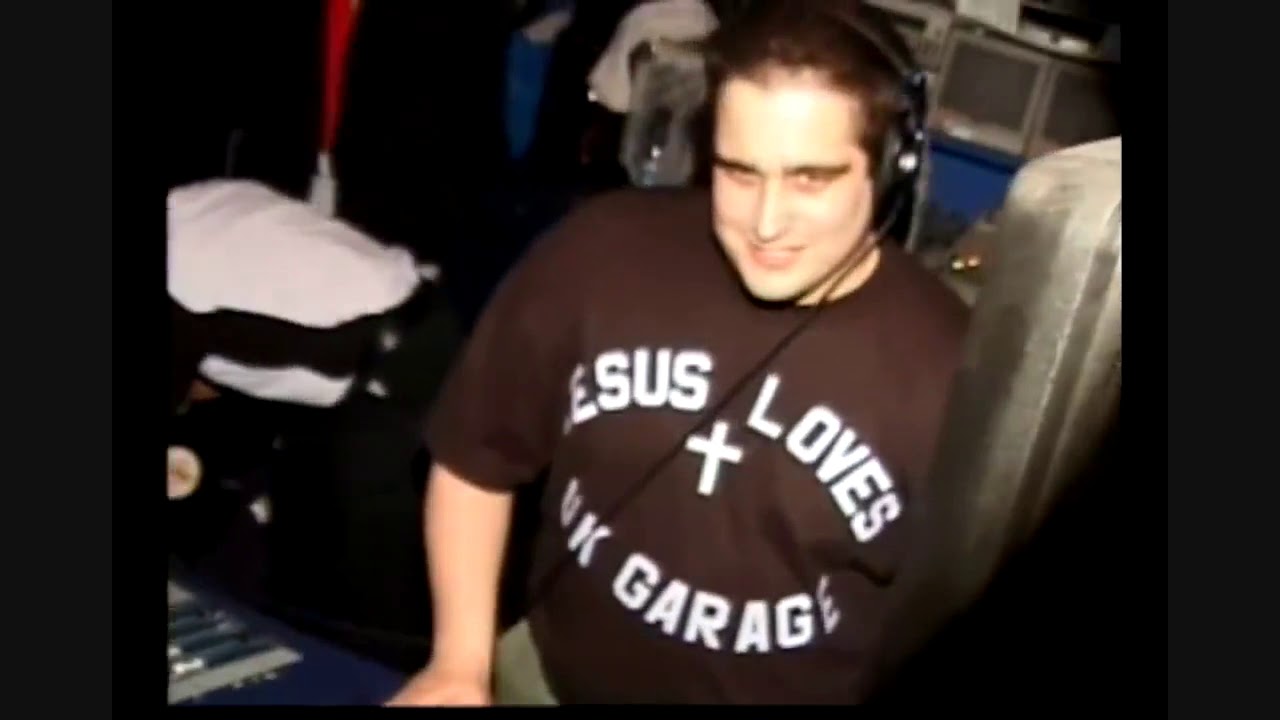
Compounding these commercial hurdles was Edwards’ severe, debilitating stage fright. While his sound was rapidly gaining traction across the Atlantic, helping to ignite the burgeoning UK garage scene, Edwards repeatedly turned down lucrative touring opportunities in the United Kingdom. It would take eleven years after his initial release before he finally performed his inaugural club set. On New Year’s Day 2003, at garage luminary DJ EZ’s "4by4" party in East London, Edwards stepped behind the decks for the first time. Welcomed by an ecstatic, fiercely loyal British audience—many wearing shirts bearing the iconic slogan "Jesus Loves UK Garage"—Edwards experienced firsthand the immense cultural footprint of his music. However, the commercial momentum of the UK garage scene soon faded back into the underground, forcing Edwards to temporarily move back into his parents’ home as work dried up.
2001–2014: Collaborations with Daft Punk and Industry Validation
Parallel to his struggles in the United States, Edwards caught the attention of French electronic music pioneers Daft Punk. Having discovered his work via a remix he completed for Saint Germain, the duo paid homage to Edwards by including his name on their celebrated 1997 track "Teachers," alongside other underground icons such as Jeff Mills and DJ Sneak.
This mutual admiration culminated in a direct collaboration on Daft Punk’s landmark 2001 sophomore studio album, Discovery. Edwards co-produced, wrote the lyrics for, and provided lead vocals on the penultimate track, "Face to Face." Working primarily out of Edwards’ studio in his parents’ basement in New Jersey, and later flying business class to Paris to finalize the recording, Edwards contributed heavily to the track’s distinctive sample framework. Despite the massive global success of Discovery, Edwards’ name was conspicuously omitted from the initial CD tracklists and early digital streaming credits, muting the direct career boost the project might have otherwise provided.
Over a decade later, Daft Punk invited Edwards back to collaborate on their 2013 magnum opus, Random Access Memories. Working alongside the duo in Los Angeles, Edwards contributed vocals and production to the track "Fragments of Time." This collaboration earned Edwards a Grammy Award for Album of the Year in 2014, cementing a permanent chapter in music history. Nevertheless, personal transitions—including navigating his first major relationship—led Edwards to step back from aggressive self-promotion immediately following the Grammy win, missing another critical window to scale his commercial profile.
2007–Present: The Verizon Hiatus, Defected Records Partnership, and Catalog Reissuance
In 2007, disillusioned by the persistent financial instability of the music industry, Edwards walked away from production entirely, taking a customer service position at Verizon. After two years of internal turmoil, a breaking point on a highway prompted him to quit his job and commit fully to his art, prioritizing creative fulfillment over financial security.
This renewed dedication paved the way for a major career resurgence. In 2020, Edwards signed with prominent house music label Defected Records, which acquired his extensive back catalog. This partnership proved timely, providing financial support during the COVID-19 pandemic lockdowns and facilitating digital reissues of classic material. In 2024, Defected honored his legacy by releasing the House Masters – Todd Edwards compilation album, featuring a comprehensive double-disc set of his seminal originals alongside contemporary remixes from artists such as Skepta, Soul Clap, A-Trak, and LP Giobbi. This release successfully bridged the generational divide, visibly lowering the average age demographic at his live performances and introducing his sample-heavy ethos to a new wave of ravers.
Statements, Industry Analysis, and Broader Implications
Edwards maintains a deeply critical perspective on the contemporary electronic music landscape, often lamenting the industry’s reliance on nostalgia, formulaic structures, and risk-averse production. In interviews, he has frequently voiced frustration regarding modern trends in UK garage and tech-house, pointing to an over-reliance on repetitive drum-rolls, heavy sidechain compression, and digital editing tools that strip tracks of organic human imperfection.
"There needs to be a new genre called rehashed house because everyone is just taking old ideas… No one is taking any risk to try to do something new. It’s all edits," Edwards notes, emphasizing that genuine artistic longevity requires a willingness to experiment and embrace potential failure.
Furthermore, Edwards has expressed concern over the modern "DJ-worship" phenomenon, contrasting contemporary mainstream headliners—who often rely on pre-programmed, top-charting selections to drive festival experiences—with traditional selectors like Derrick Carter and Tony Humphries, whose enduring appeal stems from distinct, recognizable sonic identities and technical prowess.
From a broader musicological standpoint, Edwards’ trajectory offers a compelling case study in the lifecycle of electronic music innovation. By pioneering a granular approach to audio sampling long before digital digital audio workstations (DAWs) made such manipulation ubiquitous, he effectively prefigured modern hyper-linked production styles. His ongoing relevance demonstrates that artistic authenticity, even when hindered by institutional oversight and personal adversity, retains long-term cultural value. As electronic music continues to cycle through retrospective revivals, the foundational seeds planted in a New Jersey basement decades ago continue to bear fruit, validating Edwards’ ultimate philosophy: that genuine creative output, regardless of immediate commercial reception, will inevitably find its audience.