How to Become a Professional Photographer: A Comprehensive Strategic Guide to Launching Your Career

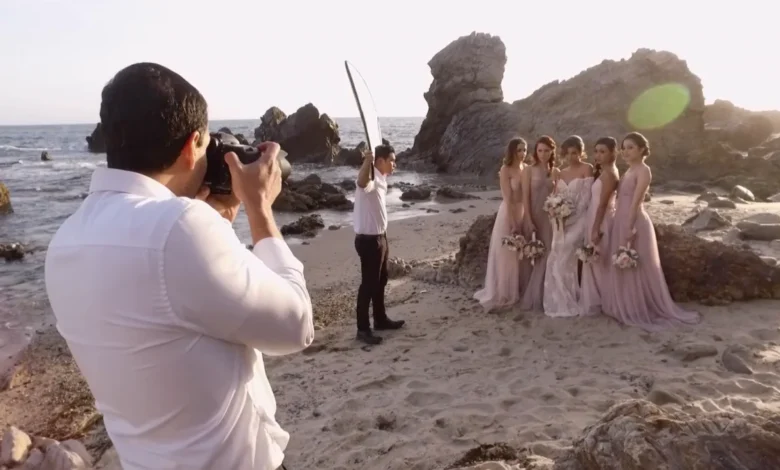
The transition from hobbyist to professional photographer is a complex endeavor that requires more than just artistic talent; it necessitates a sophisticated understanding of market dynamics, technical proficiency, and business management. According to the U.S. Bureau of Labor Statistics (BLS), the employment of photographers is projected to grow by 4% through 2032, a rate consistent with the average for all occupations. While the industry is becoming increasingly competitive due to the ubiquity of high-quality smartphone cameras, the demand for professional-grade visual storytelling in commercial, corporate, and event sectors remains robust. This guide outlines the strategic milestones required to establish a sustainable career in the modern photography landscape.
The Evolution of the Professional Photography Industry
Historically, photography required significant capital investment in film, darkroom equipment, and specialized technical training. Today, the barrier to entry has lowered significantly due to the digitalization of image capture and post-production software. However, this shift has also led to a market saturation where the value proposition of a professional photographer has moved away from mere image capture to brand identity and technical consistency.
Aspiring professionals must navigate a career path that balances creative expression with the stark realities of self-employment. Industry analysts suggest that successful photographers now spend approximately 30% of their time on active photography, with the remaining 70% dedicated to client acquisition, administrative tasks, social media management, and post-production workflows.

Phase One: Developing Technical Proficiency and Portfolio Versatility
The foundation of a photography career is built upon the ability to deliver consistent results under varied conditions. Many industry veterans suggest that the "10,000-hour rule"—popularized by Malcolm Gladwell—is a valid framework for mastering the technical nuances of lighting, exposure, and composition.
To begin building a portfolio, emerging photographers should leverage their immediate network. By conducting portrait sessions for family and friends, photographers can experiment with different genres—such as lifestyle, commercial, or candid photography—without the pressure of high-stakes client expectations. This phase acts as a "low-risk laboratory" for refining a personal aesthetic.
Phase Two: Digital Presence and Brand Positioning
In the current digital economy, a photographer’s social media presence serves as their primary storefront. Unlike personal accounts, a dedicated professional profile must maintain a cohesive visual identity. Data from recent digital marketing surveys indicates that 80% of potential clients will search for a service provider on Instagram or LinkedIn before visiting their primary website.
Strategic Social Media Integration
- Geographic Optimization: Utilizing location-specific hashtags (e.g., #ChicagoCorporatePhotographer) is essential for local SEO (Search Engine Optimization).
- Content Pillars: A mix of final, edited portfolio work, behind-the-scenes (BTS) content, and educational snippets can humanize the brand while demonstrating technical expertise.
- The Hub-and-Spoke Model: While social media acts as the outreach engine, a dedicated portfolio website remains the "resume." A professional domain provides legitimacy and allows for more robust SEO, which is critical for long-term discoverability via Google search.
Phase Three: Education, Mentorship, and Apprenticeship
The debate regarding formal education versus experiential learning remains prevalent. While a degree in photography can provide a structured environment and networking opportunities, the associated tuition costs are increasingly scrutinized against the reality of freelance earnings.

Many successful professionals now advocate for a hybrid model: professional workshops, online certification programs, and hands-on apprenticeships. The apprenticeship model, specifically, remains the gold standard for learning the nuances of client management and equipment handling. Aspiring photographers should proactively reach out to established studios to offer services as an assistant. This role often involves equipment transport, lighting setup, and basic editing—tasks that provide an insider’s view of the business of photography.
Phase Four: Specialization and Market Demand
Generalist photographers often struggle to command premium rates. Market research consistently shows that specialized photographers—those who focus on niche areas like architectural, food, or wedding photography—can charge significantly higher fees due to their specialized equipment and expertise.
When choosing a niche, photographers must perform a market analysis. It is necessary to balance personal passion with commercial viability. For instance, while high-fashion photography may be creatively fulfilling, it may have a smaller local market compared to commercial portraiture or real estate photography. Aligning one’s portfolio with high-demand industries ensures a more stable revenue stream.
Phase Five: The Business Infrastructure
Transitioning from a freelancer to a business owner requires a shift in mindset. Photographers must function as their own marketing department, accountant, and client relations manager. The logistical requirements include:

- Legal and Financial Setup: Registering as a business entity, obtaining proper insurance, and implementing robust accounting software to manage taxes and invoices.
- Client Management Systems (CMS): Utilizing platforms to handle contracts, bookings, and digital asset delivery to ensure a frictionless client experience.
- Revenue Diversification: Beyond client work, professionals are increasingly turning to secondary income streams. Selling stock imagery, creating digital assets (presets or tutorials), and licensing prints via platforms like Etsy or Redbubble can provide a financial buffer during slower seasons.
Impact Analysis: The Future of Professional Photography
The professional photography landscape is currently being reshaped by advancements in Artificial Intelligence (AI). Automated editing tools and AI-driven image generation are changing how photographers deliver value. Some experts argue that these tools commoditize basic editing, thereby increasing the premium placed on the "human element"—the ability to direct subjects, curate scenes, and manage complex event logistics.
The implications for new photographers are clear: future success will not be defined by the ability to capture a technically correct image, but by the ability to solve client problems through visual communication. Those who can articulate the value of their work—explaining how a specific image series will drive conversion for a business or capture a memory for a family—will remain in high demand.
Conclusion: A Long-Term Commitment
Establishing a career in photography is an iterative process that requires resilience. A common timeline for a photographer to move from novice to a full-time, self-sustaining career is approximately two to three years. This period involves constant self-assessment, updating the portfolio, and refining business practices.
By prioritizing continuous education, maintaining a high standard of professional conduct, and treating the craft with the rigor of a small business, aspiring photographers can navigate the complexities of the industry. Success is rarely the result of a single viral moment or a lucky break; it is the culmination of disciplined practice, strategic networking, and an unwavering commitment to quality in an increasingly visual world.