Unleashing Creativity: Professional Strategies for High-Quality Dog Photography and Pet Portraits

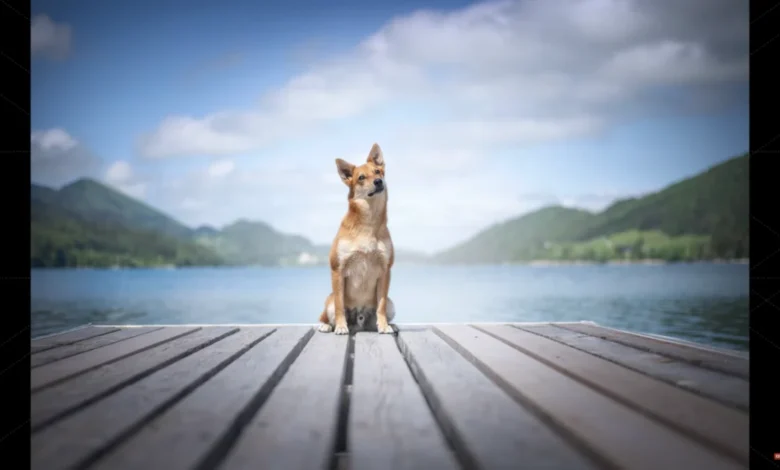
The evolution of digital imaging technology, combined with the explosive growth of social media, has fundamentally transformed pet photography from a niche hobby into a sophisticated creative pursuit. As of 2024, the pet industry continues to experience record-breaking growth, with a significant portion of consumer spending directed toward high-quality, professional-grade imagery of companion animals. Whether for personal keepsakes, professional social media management, or specialized photography portfolios, capturing the essence of a dog requires a deliberate synthesis of technical precision, creative perspective, and an understanding of animal behavior. This analysis explores the technical methods, equipment standards, and strategic approaches used by professionals to document canine subjects in diverse environments.
The Technical Landscape of Modern Pet Photography
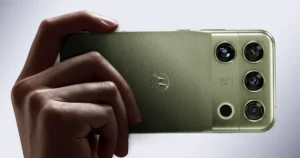
The democratization of high-end camera technology—specifically the proliferation of mirrorless camera systems and high-resolution smartphone optics—has enabled amateur photographers to produce results once reserved for studio professionals. Data from recent industry reports suggest that over 65% of pet owners identify social media engagement as a primary driver for seeking better photography techniques. The core challenge for photographers remains consistent: managing a subject that is often unpredictable and highly mobile, while maintaining technical standards like sharp focus, correct exposure, and compelling composition.

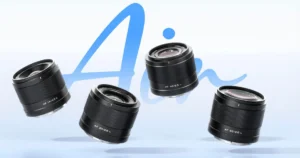
Professional photographers emphasize that the equipment utilized is secondary to the photographer’s ability to manipulate perspective. Whether using a high-end DSLR or a smartphone, the ability to engage the subject remains the primary variable in the success of a shoot.
Strategic Perspectives and Compositional Techniques
A fundamental shift in modern pet photography involves moving away from eye-level, static portraits toward dynamic, unconventional angles.
The Canine Perspective: Wide-Angle and Macro Approaches
One of the most effective techniques for immersive pet imagery involves the utilization of low-angle, wide-perspective shots. By positioning the camera at the dog’s eye level or lower, the photographer creates a sense of intimacy and scale that is lost when shooting from a human standing position. Advanced practitioners often employ "shoot-through" methods, such as placing a transparent barrier—like an acrylic sheet—between the subject and the lens. By applying a non-toxic, dog-friendly attractant, such as almond butter, to the surface, photographers can capture authentic, candid reactions as the dog interacts with the camera lens. This technique requires a high shutter speed to freeze the movement of the animal as it approaches the focal plane.

Foreground Depth and Bokeh
Integrating the pet into a broader environmental narrative is essential for professional engagement and family portraiture. By placing the dog in the immediate foreground while keeping the primary human subjects in the mid-ground, photographers can utilize a shallow depth of field (low f-stop) to create a soft, blurred background—commonly referred to as bokeh. This approach provides the viewer with context, establishing the relationship between the owner and the animal while maintaining the dog as the focal point.
Top-Down Perspective
The "top-down" or bird’s-eye view has gained popularity for its ability to isolate the subject against the environment. This technique is particularly effective in park or studio settings. By incentivizing the dog to look directly upward, the photographer can capture a high-clarity portrait that highlights the subject’s facial expressions. This method, while visually striking, requires significant patience and positive reinforcement, confirming the necessity of treating the photoshoot as a collaborative, rather than coercive, event.
High-Speed Action and Technical Precision
Capturing movement in dogs presents a unique set of challenges related to shutter speed and autofocus tracking. In professional studio environments, such as those documenting "wet dog" shaking—a popular aesthetic in contemporary pet art—the technical requirements are rigorous.

To achieve a crisp image of a dog shaking water from its coat, a shutter speed of at least 1/2000th of a second is generally required to arrest the motion of the water droplets and the animal’s fur. This necessitates optimal lighting conditions or the use of high-intensity artificial strobe lighting to maintain a low ISO and high image quality. The chronology of such a shoot is predictable: the animal will typically initiate a shake immediately after being introduced to water or emerging from a bath. Photographers must prepare their framing and focus settings before the interaction begins, as the duration of the movement is often less than one second.
Prop Usage and Ethical Considerations
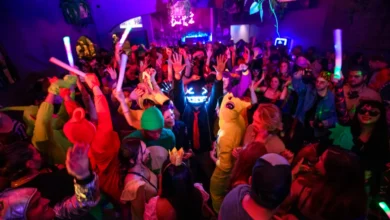
The integration of props—such as holiday-themed accessories, garments, or lighting elements—has become a standard practice in commercial pet photography. However, this trend carries significant ethical implications regarding animal welfare. Professional photographers advise that all props must be non-toxic, secure, and sized appropriately to avoid choking hazards.
From an industry perspective, the use of props is often linked to the commercialization of pet content. However, when executed with safety as the priority, it allows for thematic storytelling. The key, as noted by industry experts, is to maintain the dog’s comfort throughout the process. If a dog displays signs of stress or discomfort—such as tucking the tail, ears back, or avoiding eye contact—the session should be paused or terminated.

The Broader Impact on Digital Content and Industry Trends
The shift toward artistic pet photography has had a measurable impact on the photography education market. Workshops focusing on "Creative Photography" have seen an uptick in enrollment, as the demand for high-quality pet content continues to outpace the supply of professional photographers specializing in the field.
The rise of the "Petfluencer" economy, where animals command significant brand partnerships and advertising contracts, has further professionalized this space. As these animals become corporate assets, the standard for their photography has shifted from simple snapshots to high-production-value sessions. The implications of this are twofold: first, the technical bar for amateur hobbyists is rising; second, the potential for creative income within the photography industry is expanding.
Conclusion: Professional Best Practices
The transition from capturing simple pet photos to producing high-quality, evocative imagery relies on a combination of patience, technical readiness, and creative vision. Whether utilizing advanced DSLR systems to freeze high-speed action or employing smartphone-based perspective shifts to create intimate portraits, the core principles remain the same.

For those seeking to refine their craft, the path forward involves rigorous practice with exposure settings, an understanding of animal behavior, and a commitment to the well-being of the subject. As the professional landscape of photography continues to evolve, the ability to document the bond between humans and their pets remains one of the most enduring and creatively rewarding applications of the medium. By focusing on perspective, action, and context, photographers can continue to elevate the standards of this growing field, ensuring that the visual documentation of our companions keeps pace with the importance they hold in our lives.
Related posts: