DxO ViewPoint 6 Review: Advanced AI-Driven Distortion Correction for Modern Digital Photography


The challenges of optical distortion have remained a persistent obstacle in professional photography since the inception of the craft. Whether caused by the inherent physical limitations of wide-angle lenses or the misalignment of a camera’s sensor relative to a subject’s perspective, these geometric inaccuracies often compromise the integrity of architectural, real estate, and portrait imagery. For decades, photographers have relied on aggressive cropping or manual post-processing techniques to mitigate these issues, often at the expense of resolution or compositional balance. The recent release of DxO ViewPoint 6 introduces a sophisticated suite of tools designed to automate and refine these corrections through advanced artificial intelligence, potentially setting a new standard for optical image processing.

The Evolution of Optical Correction Technology
Historically, the correction of perspective and lens distortion was a time-consuming manual endeavor. Early digital editing suites required users to stretch and pull pixels manually, a process that frequently resulted in image degradation and loss of detail. By the mid-2010s, manufacturers began integrating lens profile databases, allowing software to automatically recognize specific camera and lens combinations to neutralize barrel and pincushion distortion.
The release of ViewPoint 6 marks a departure from static database-driven corrections. By leveraging proprietary AI-driven algorithms, the software now identifies geometric anomalies in real-time, allowing for localized adjustments that were previously considered impossible without significant manual masking. This shift reflects a broader trend in the computational photography industry, where software-based post-processing is increasingly used to compensate for the physical constraints of glass optics.

Technical Breakdown: The ReShape Fusion Engine
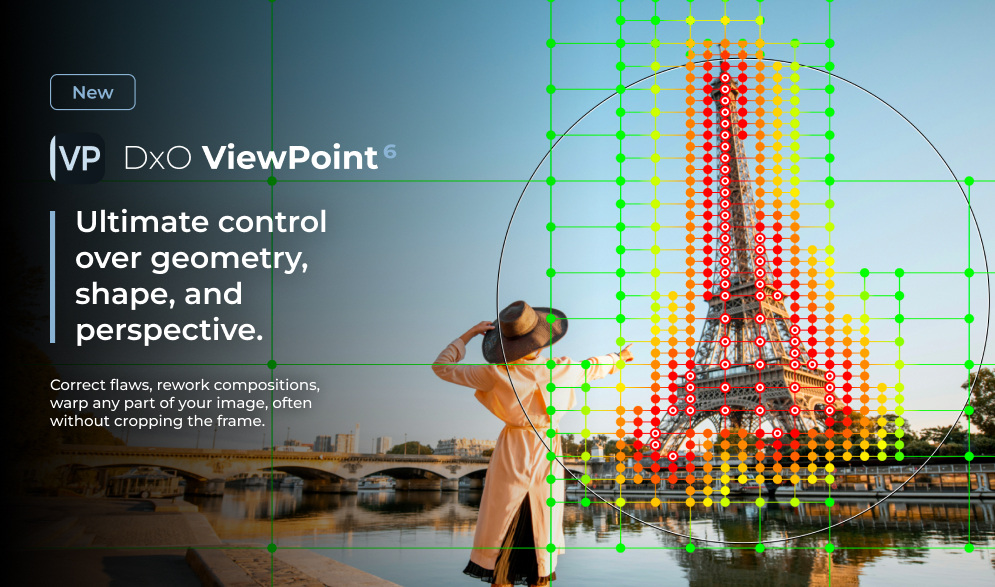
The centerpiece of the ViewPoint 6 update is the integration of the ReShape Fusion engine. This tool utilizes AI masking to allow for targeted distortion correction. In conventional editing, correcting the "leaning" lines of a building often distorts the entire frame, forcing the photographer to crop out the resulting empty space at the corners. ReShape Fusion allows the user to isolate specific elements—such as a distorted building facade or a stretched limb at the edge of a wide-angle portrait—and apply corrective geometry only to those specific areas.
Data from the developers suggests that this method significantly preserves the original composition, as the AI calculates the necessary geometric transformation while maintaining the integrity of the surrounding pixels. For professional photographers, this equates to a higher retention of usable image data, minimizing the need for the significant cropping that has long plagued high-resolution output requirements.
Addressing Wide-Angle Volume Deformation
A frequent complaint among wedding and portrait photographers involves "volume deformation," a phenomenon where subjects positioned near the edges of a wide-angle frame appear stretched or unnaturally elongated. This is a geometric inevitability of projecting a 3D scene onto a 2D plane.
DxO ViewPoint 6 introduces a dedicated module to address this by remapping the peripheral zones of the image. By recognizing human anatomy within the frame, the software can adjust the scale and perspective of peripheral subjects, ensuring that individuals at the edge of a group photo maintain natural proportions relative to those in the center. This functionality is expected to reduce the need for photographers to move further back from their subjects, which was previously the only way to avoid peripheral distortion.

Compatibility and Workflow Integration
The utility of specialized software often hinges on its ability to fit into established industry workflows. DxO ViewPoint 6 maintains a dual-mode architecture: it functions as a standalone application for users who prefer a dedicated workspace, or as a plugin for industry-standard suites like Adobe Lightroom and the company’s own DxO PhotoLab.
For those operating within the Adobe ecosystem, the software accepts TIFF and JPEG files, effectively serving as an external engine for final-stage geometric adjustments. Users of the DxO PhotoLab ecosystem benefit from native RAW support, allowing for non-destructive editing throughout the entire lifecycle of the image. This integration is critical for high-volume environments, such as event or real-estate photography, where the time-cost of manual editing is a significant factor in profitability.

Market Context and Economic Implications
The release comes at a time when the photography software market is increasingly crowded by subscription-based models. DxO has maintained its commitment to the perpetual license model, a strategic choice that contrasts with the industry-wide move toward recurring monthly fees. This policy has historically appealed to professional users who prioritize cost predictability and ownership of their toolsets.
As of the current release cycle, the software is priced at $129.99 for new users, with an $84.99 upgrade path for existing owners. The company has also implemented promotional incentives, including a 15% discount for users accessing the platform via professional photography outlets, signaling an aggressive push to capture market share among independent commercial photographers.
Comparative Analysis: Advantages and Limitations
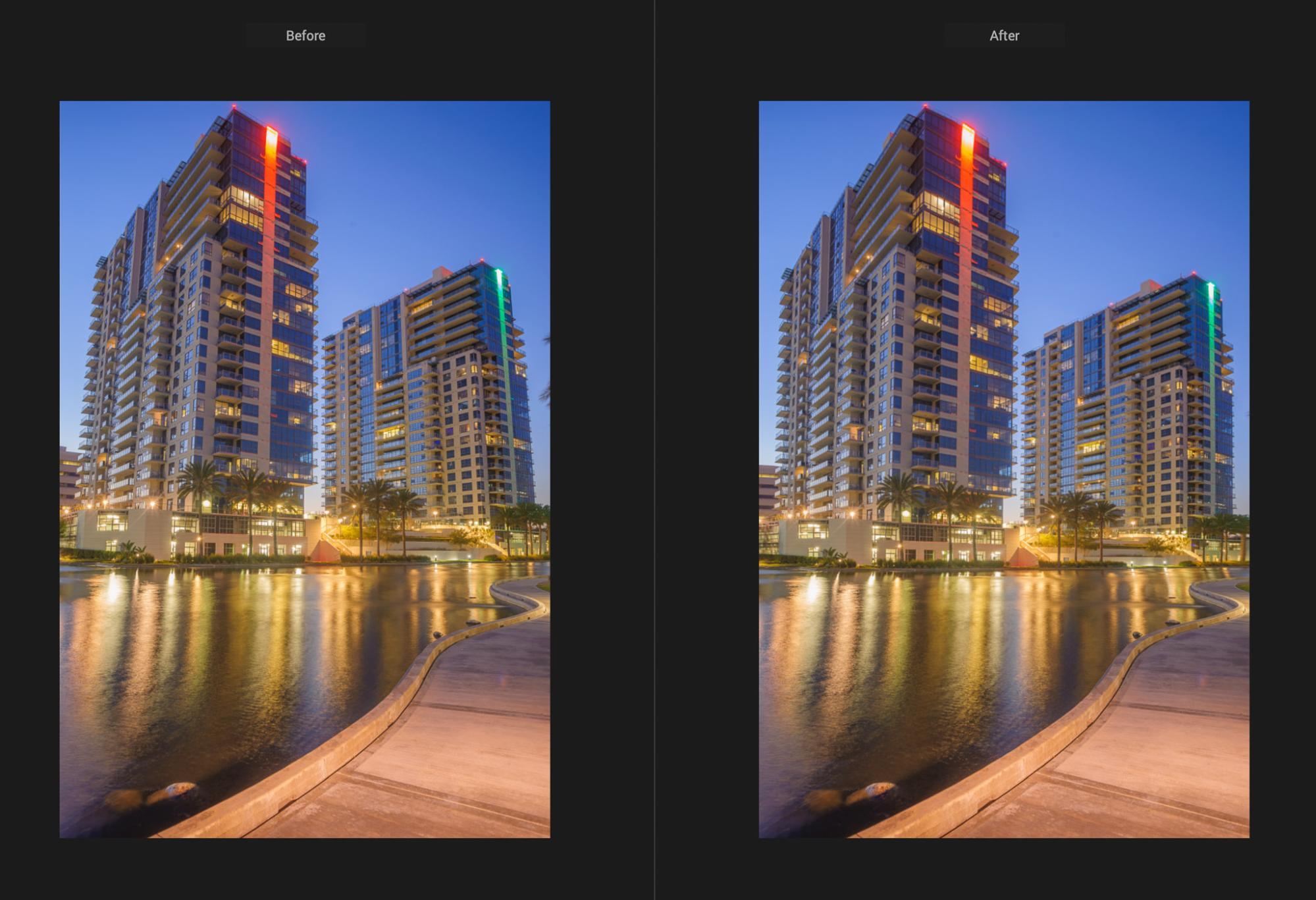
While the automated perspective correction is a substantial productivity boost, the software does present a learning curve. The complexity of the ReShape Fusion tool requires an understanding of how parallel and perspective lines interact within a frame. A notable limitation, as identified by early testers, is the behavior of the "Force Parallel" tool. When applying extreme corrections, the tool moves all four points of a selected area, which can occasionally cause unintended shifts in adjacent, non-targeted areas. While workarounds currently exist to mask these effects, users have expressed a desire for a "lock" function to freeze specific anchor points during the transformation process.
Despite these nuances, the performance metrics remain impressive. Tests on legacy hardware—specifically older Intel-based Mac systems—indicated that the software’s AI-based processes operate with minimal latency. This level of optimization is crucial for photographers who may not have access to the latest high-end workstations and who rely on software that remains stable under heavy processing loads.

Future Outlook for Computational Geometry
The trajectory of tools like DxO ViewPoint 6 suggests that the distinction between optical hardware and software correction will continue to blur. As AI models become more adept at interpreting depth and subject matter, the "correction" of an image may soon become an automated, invisible part of the ingestion process.
For the professional, the implication is clear: the ability to rescue a compromised composition is no longer a luxury but a standard expectation. The inclusion of artistic features, such as the tilt-shift miniature effect, further expands the utility of the tool beyond mere technical correction into the realm of creative expression. By offering a high-precision, AI-integrated toolkit, DxO is positioning itself as a vital component for those who demand total control over the geometry of their visual storytelling. As image resolutions continue to climb and the demand for perfection in commercial, architectural, and social photography grows, the reliance on such advanced computational tools is set to become an industry standard rather than an optional add-on.