Mastering the Transition: Landscape Photographer Matt Suess Demonstrates the Power of All-Day Shooting with OM SYSTEM

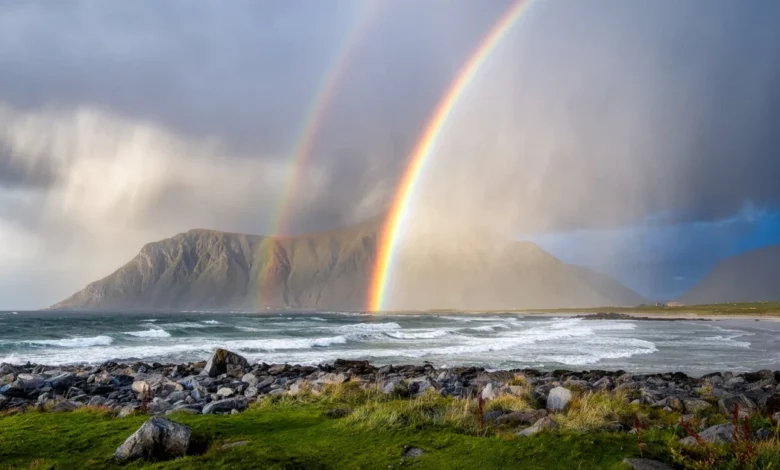
The landscape photography community has long operated under a predictable rhythm, driven almost entirely by the fleeting window of sunrise and the final descent of sunset. For decades, standard practice has dictated that the hours between these events are best reserved for scouting locations, traveling between viewpoints, or retreating indoors to rest. However, veteran photographer and OM SYSTEM Ambassador Matt Suess is challenging this deeply ingrained paradigm. Through a rigorous endurance exercise known as the "dawn-to-dusk" methodology, Suess is demonstrating that extraordinary photographic opportunities exist during the exact hours most creators discard.
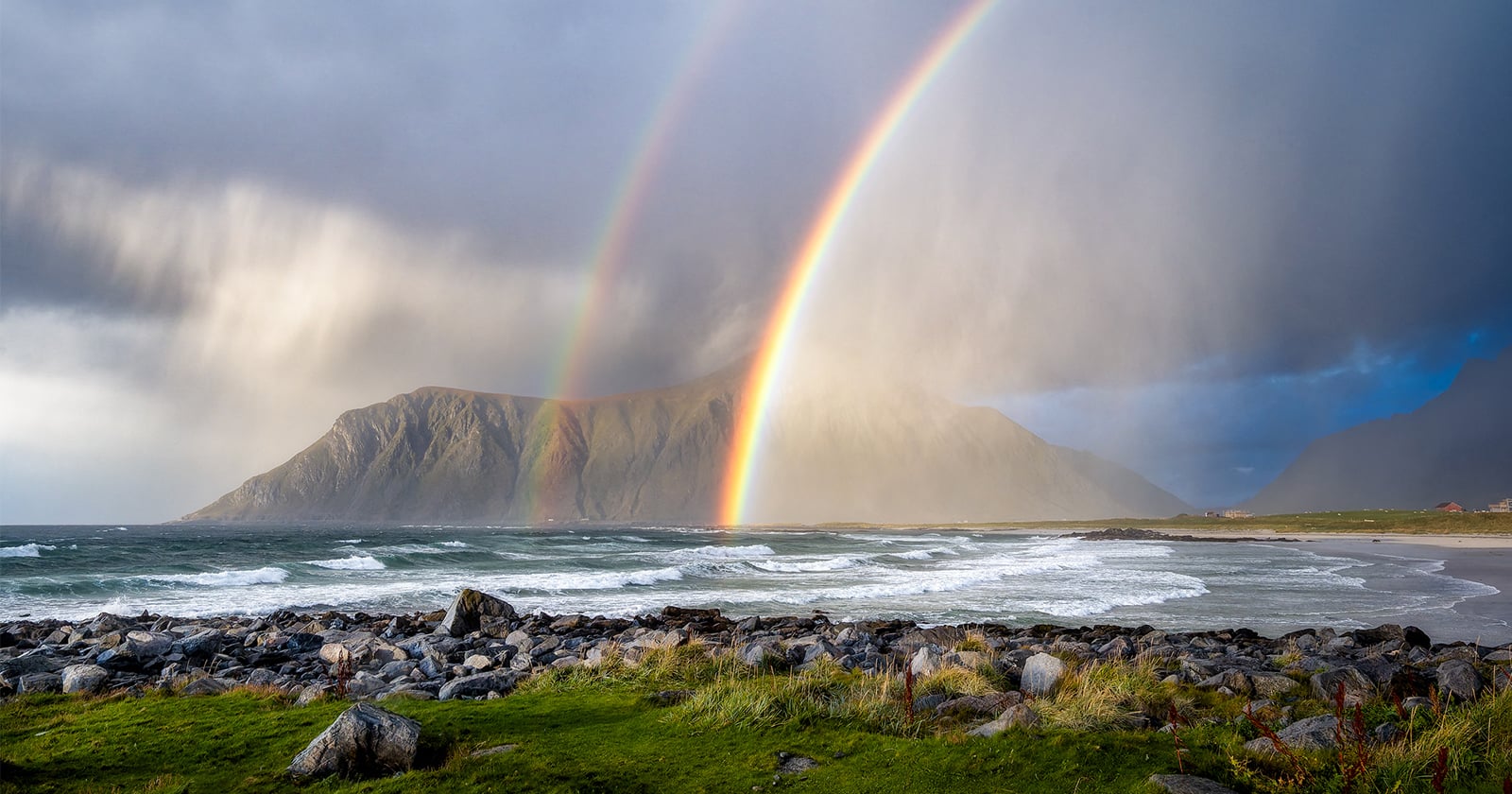
Suess’s approach is not merely a test of physical stamina; it is a deliberate artistic choice designed to force photographers out of their comfort zones. By committing to stay in a single location from the darkest hours of pre-dawn until deep into the night, practitioners are forced to confront shifting, dynamic light conditions that challenge conventional composition rules. Utilizing the weather-sealed capabilities of the OM-5 Mark II camera system, Suess has spent years perfecting this immersive form of nature photography, proving that patience and time in the field yield rewards far beyond the standard golden-hour snapshot.
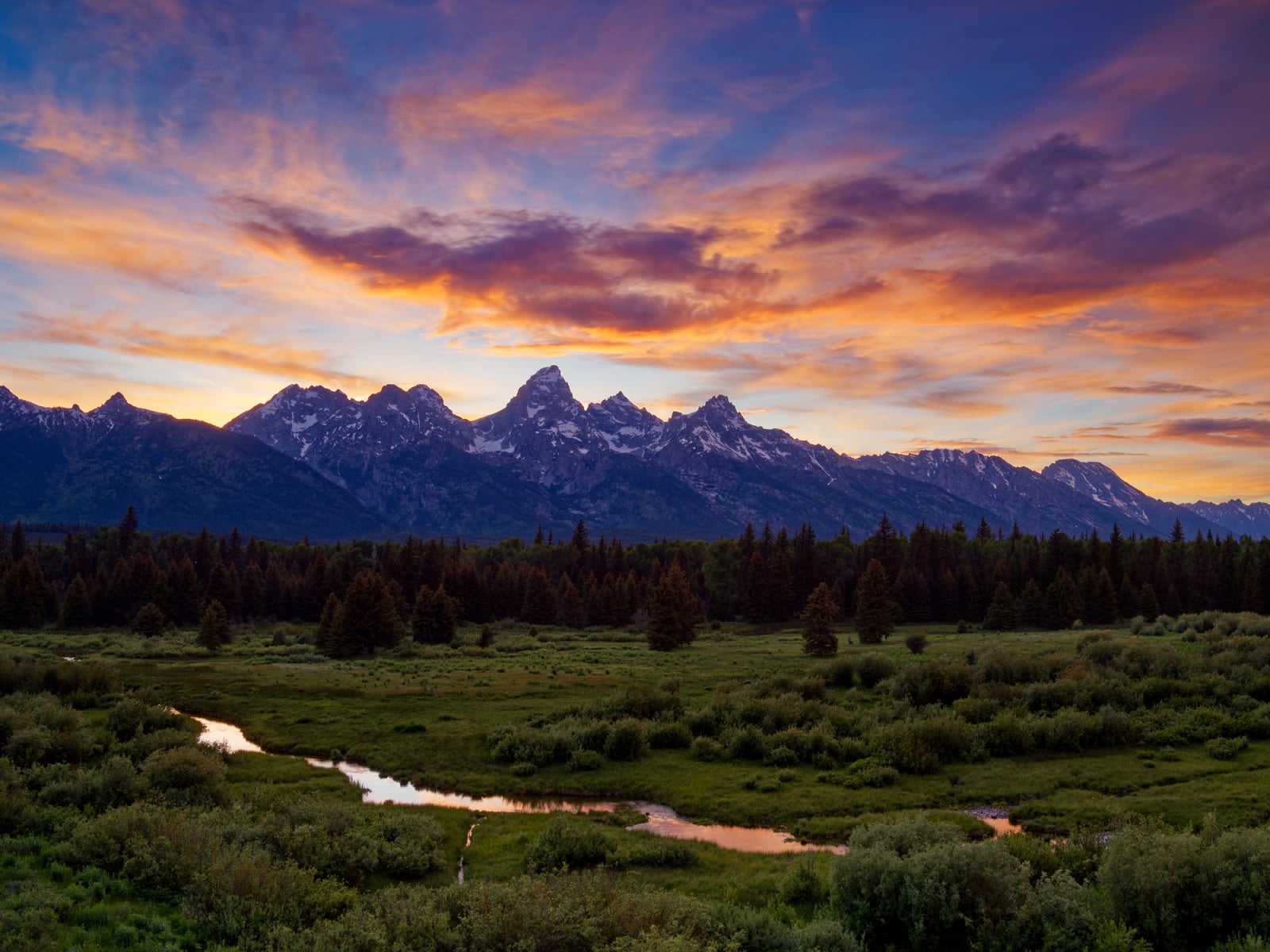
A Foundation Forged in Photojournalism
The philosophy behind Suess’s all-day endurance method is heavily rooted in his extensive background. Before transitioning to full-time nature photography and leading workshops in iconic locations such as Grand Teton National Park and Badlands National Park, Suess spent 17 years working as a newspaper photojournalist. In the fast-paced world of breaking news, waiting for optimal lighting conditions is rarely an option. Photographers must adapt instantly to whatever environmental or atmospheric variables present themselves.
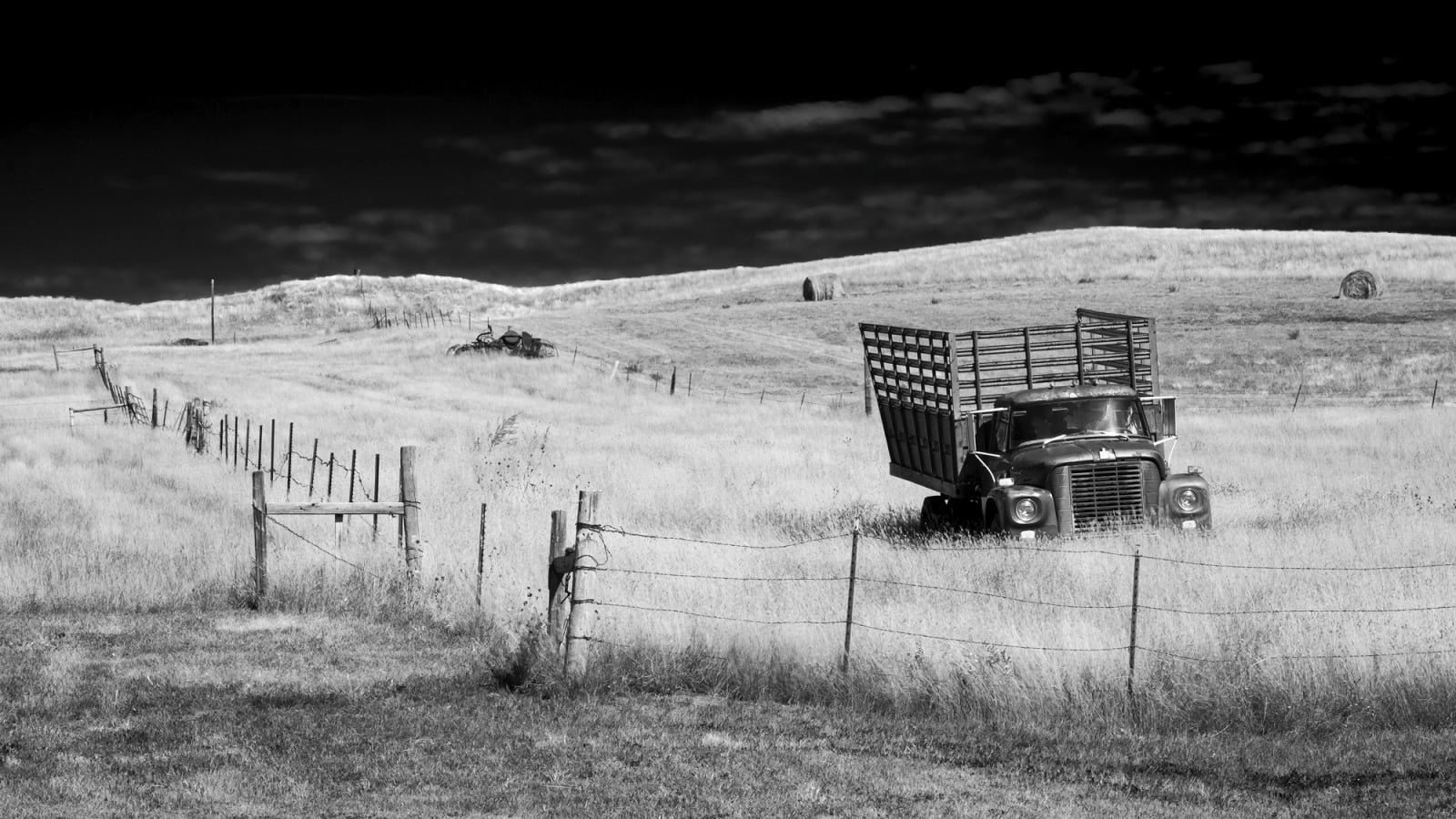
This journalistic conditioning taught Suess to build a visual narrative in layers—a technique he now applies seamlessly to expansive natural landscapes. When covering a breaking news event, a photojournalist typically begins with a wide establishing shot to capture the scale of the environment, shifts to a medium frame to document the primary action, and finishes with a tight telephoto framing to isolate specific, critical details.
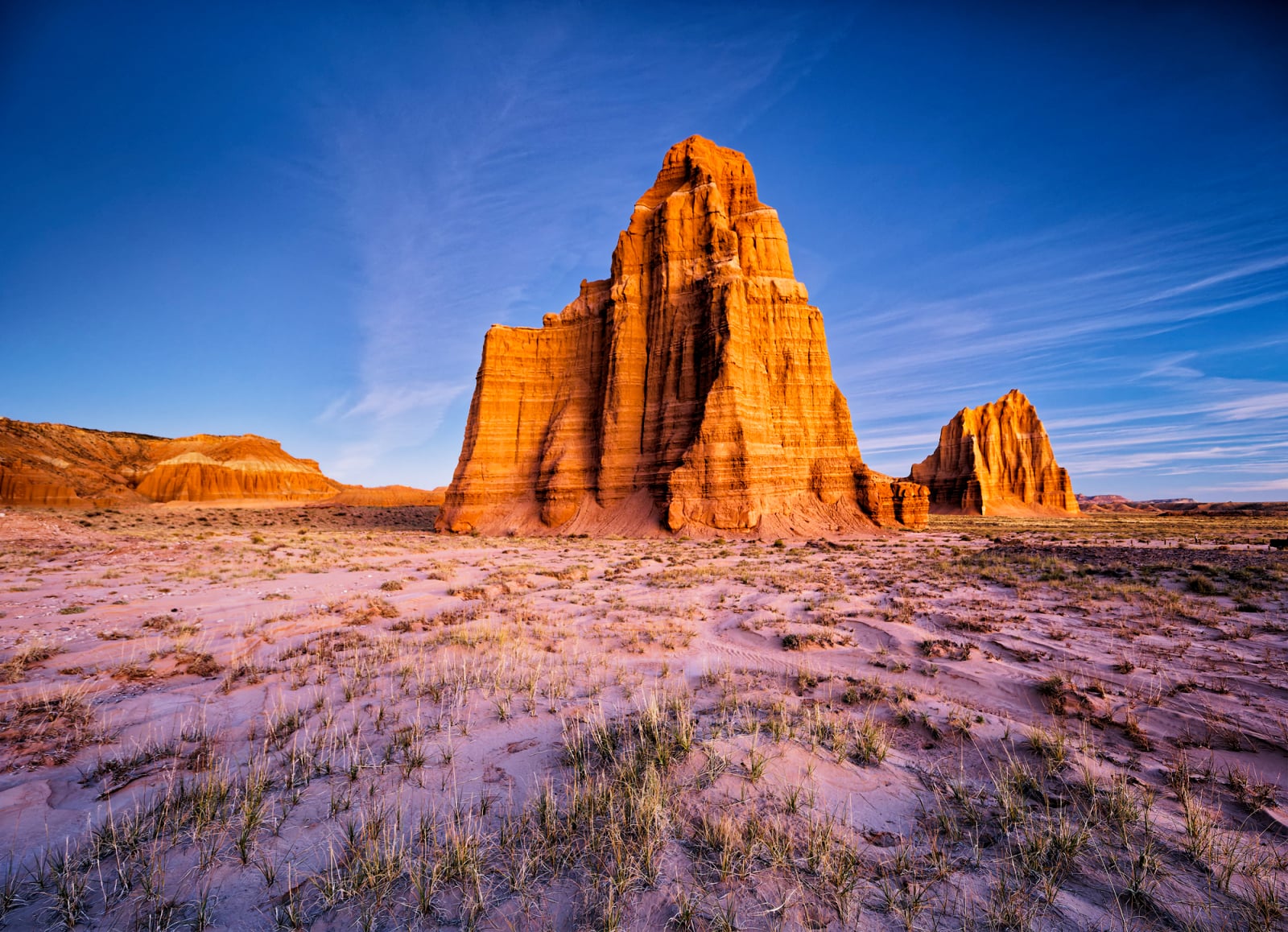
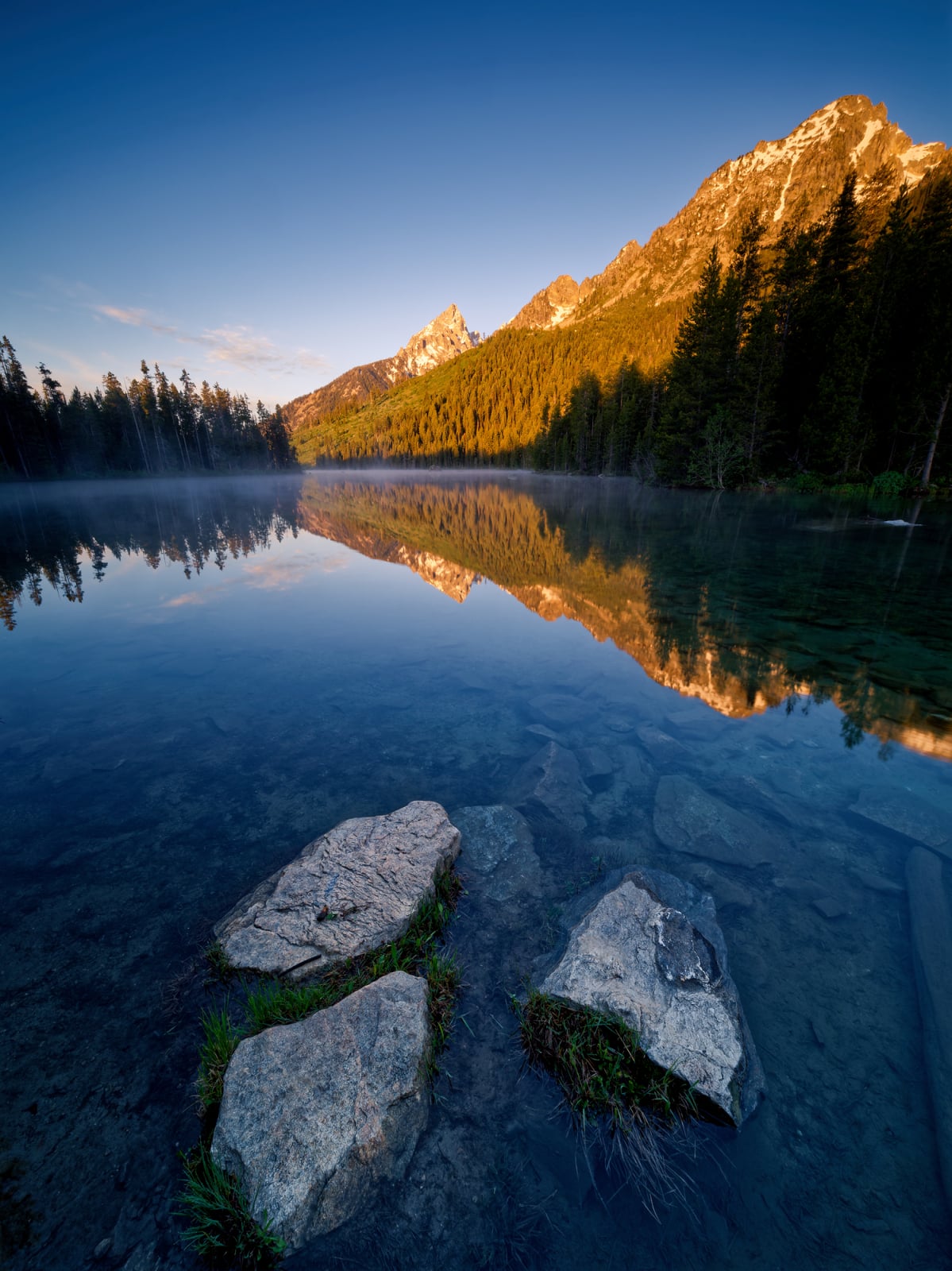
Suess translates this exact wide-to-tight methodology into his landscape work, particularly during sunrise and sunset. Rather than focusing exclusively on a single pre-visualized composition, he remains hyper-aware of the evolving ecosystem around him. As the first rays of light touch frost-covered peaks, wildlife begins to stir, mist rises from alpine lakes, and subtle color gradients shift across the sky. By employing a versatile lens like the M.Zuiko Digital ED 12-100mm F4.0 IS PRO, Suess can effortlessly transition from expansive vistas to intimate macro-level details without missing the fleeting nuances of changing morning light.
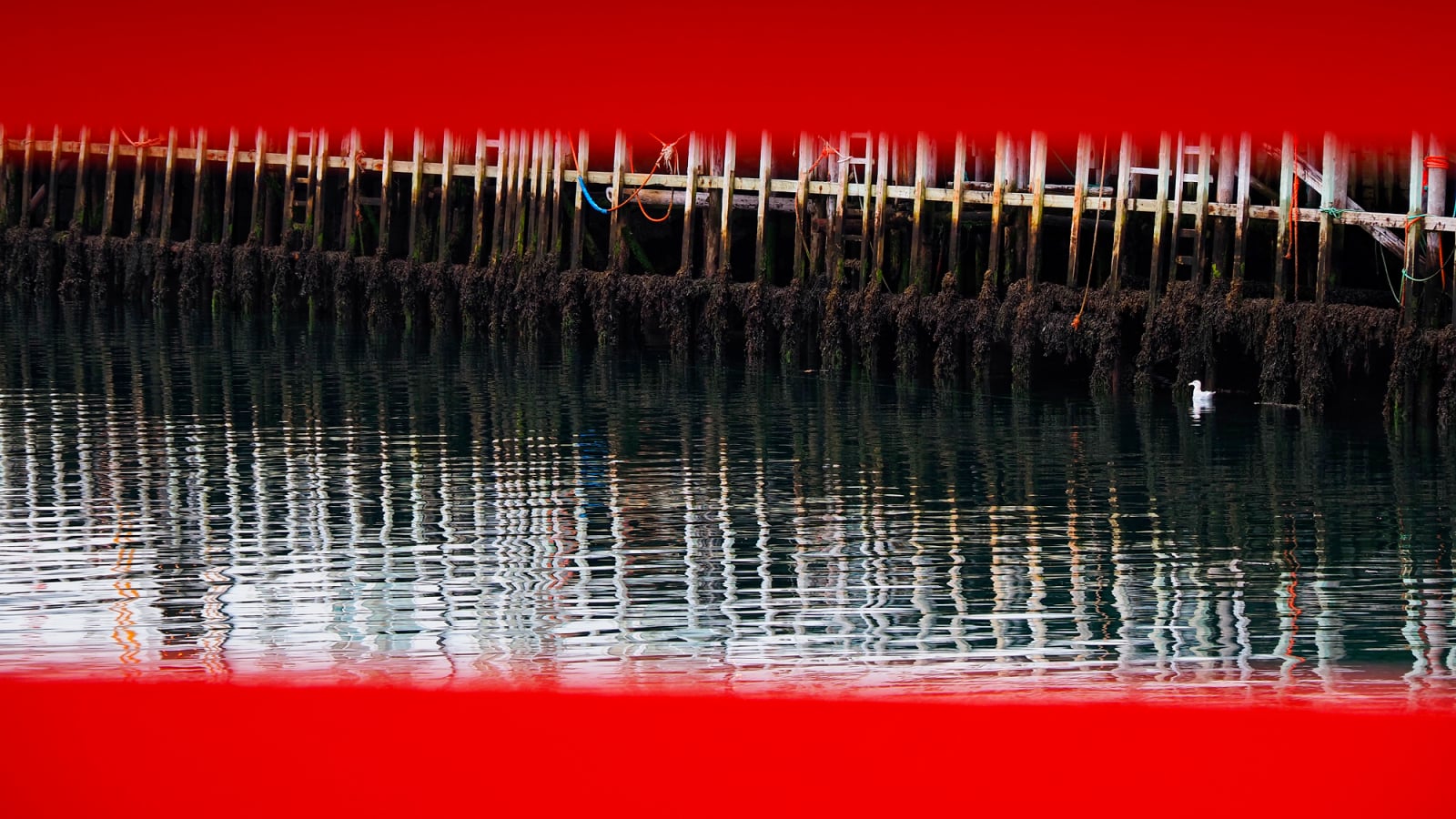
Chronology of a Dawn-to-Dusk Shoot
Executing a full-day photographic session requires meticulous planning and a structured timeline. Suess relies heavily on advanced meteorological and astronomical applications—including PhotoPills, WeatherMate, Windy, and RadarScope—to analyze cloud cover, wind patterns, and solar positioning before ever committing to a location. Rather than seeking out pristine, cloudless days, he actively pursues variable weather conditions featuring broken cloud cover, storms, or coastal mist. These elements guarantee a dynamic interplay of light and shadow across the terrain during the challenging midday hours.
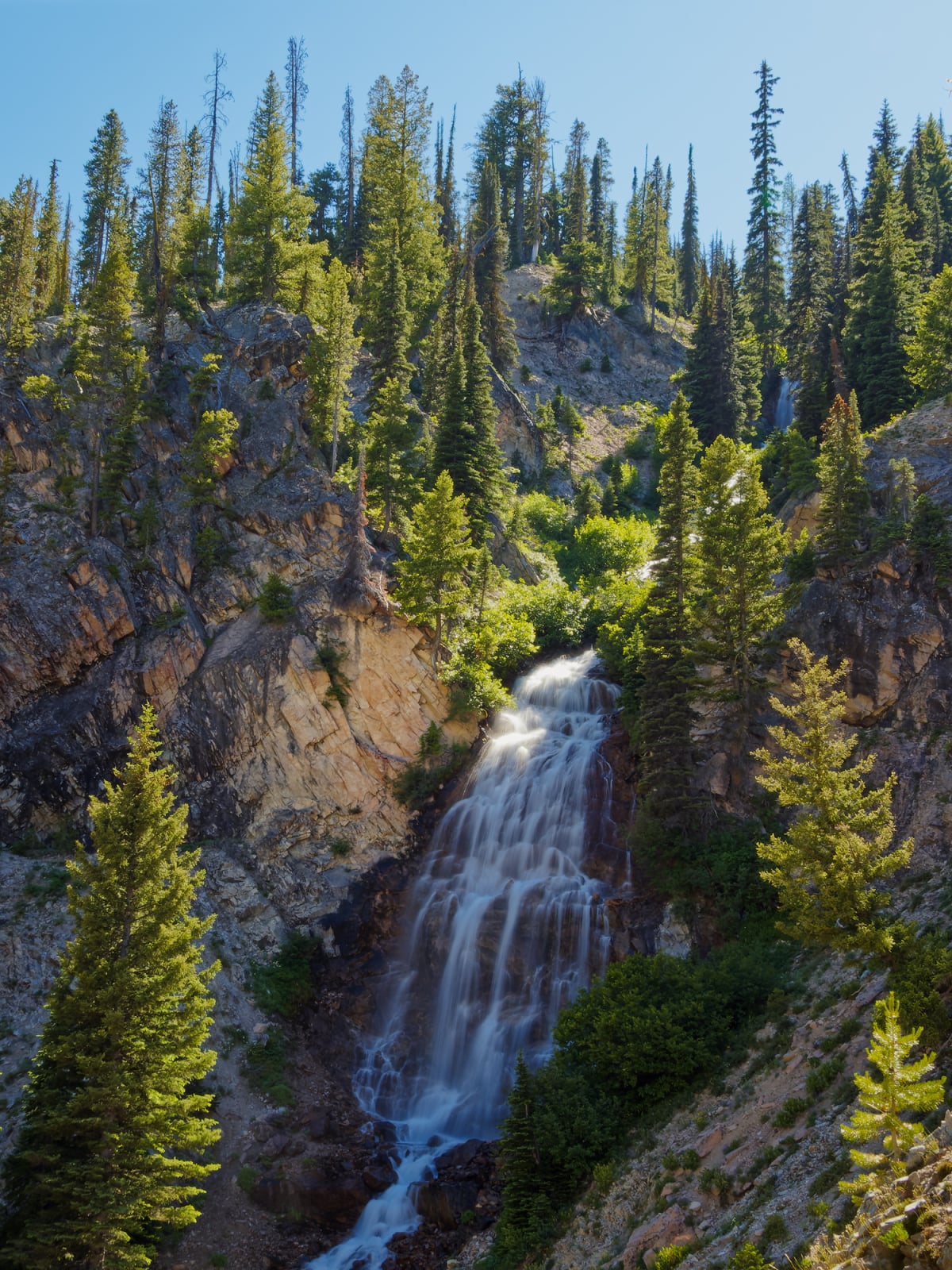
The chronological progression of an all-day shoot unfolds in distinct phases, each demanding a unique technical and creative strategy:
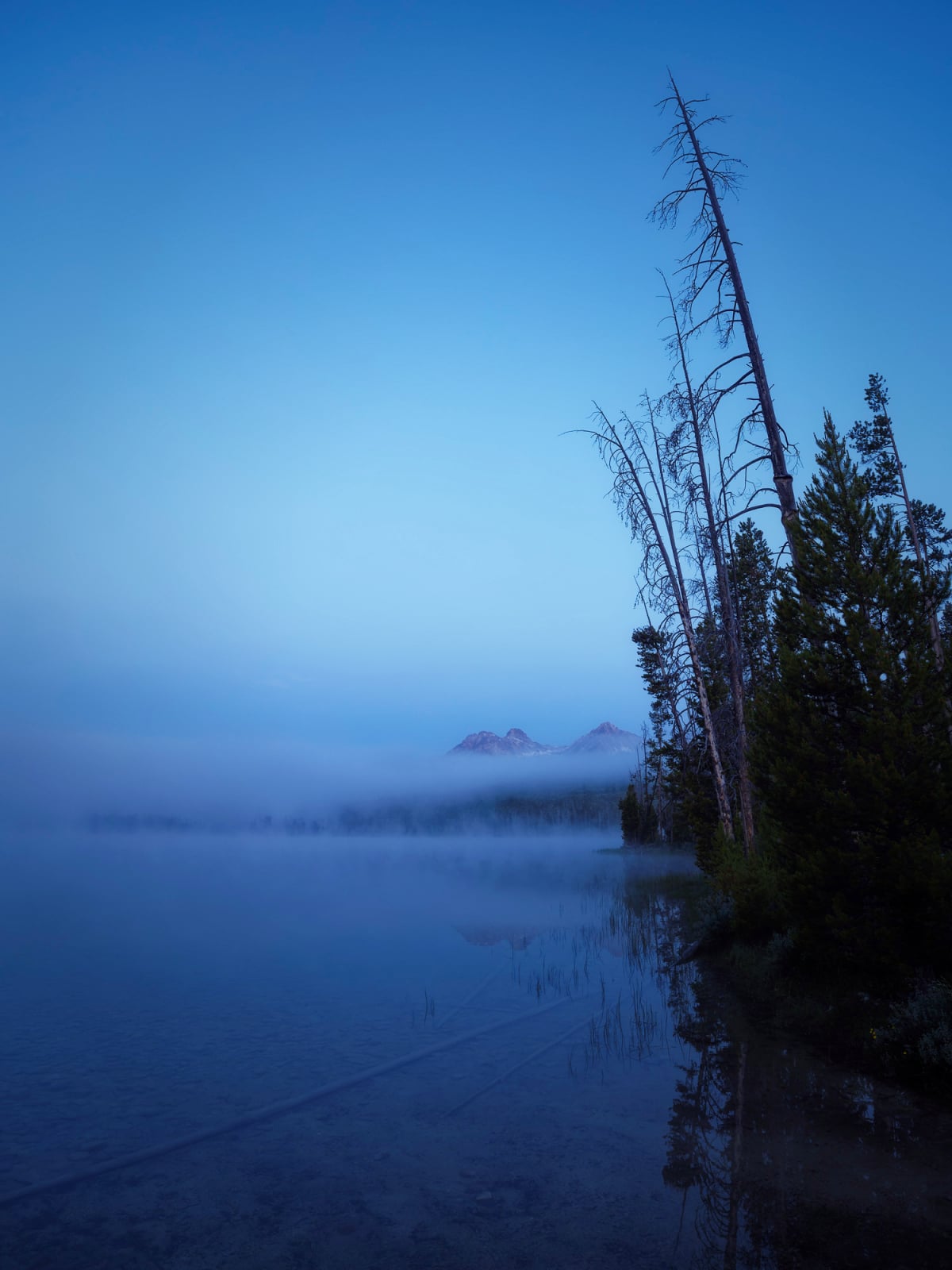
- Pre-Dawn and Blue Hour: Beginning hours before sunrise, the landscape is bathed in low-contrast, monochromatic blue light. Without strong color or dramatic highlights to anchor the frame, Suess relies entirely on tone, texture, and natural leading lines to establish composition. By pausing to study the scene with his eyes before lifting the camera to his eye, he ensures his creative instincts dictate the framing rather than the mechanical viewfinders of his gear.
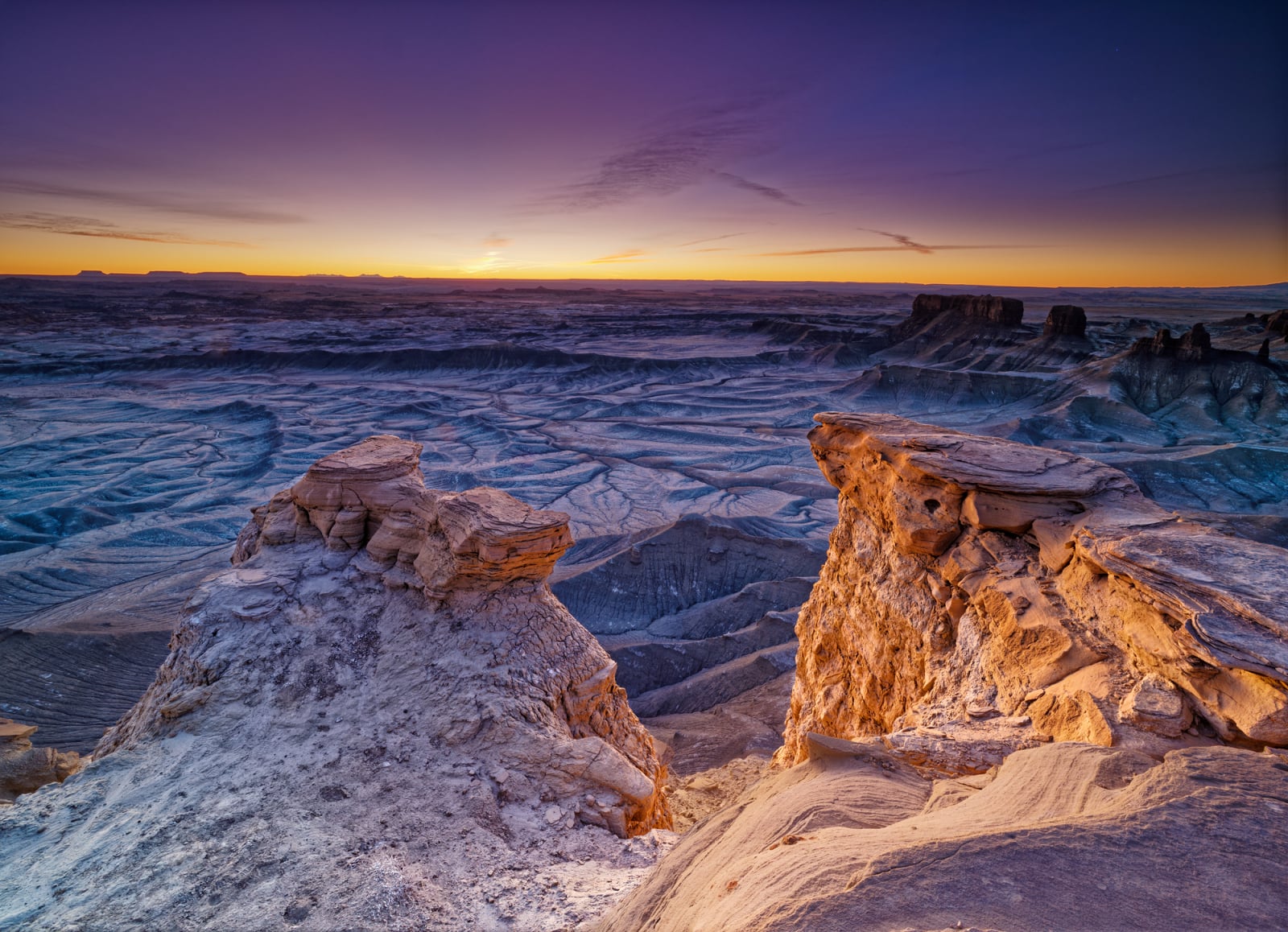
- Sunrise and the Golden Hour: As the sun breaches the horizon, the scene undergoes a rapid transformation. Warm sunlight clashes with cool shadows, creating intense contrast. Suess works quickly through his wide-to-medium-to-tight sequence, capturing the overarching scale of the national park before isolating smaller, fleeting moments in the landscape.
- The Midday Challenge: Spanning from late morning to mid-afternoon, this is the period when most photographers abandon the field entirely. Suess utilizes this time to seek out deep forest canopies where dappled sunlight filters through foliage, or to photograph weathered rural architecture, cracked desert earth, and close-up wildflowers. When natural light proves uncooperative, he experiments with the OM-5 Mark II’s built-in Art Filters (recording simultaneously in RAW and JPEG) to inspire fresh creative interpretations of stagnant scenes.
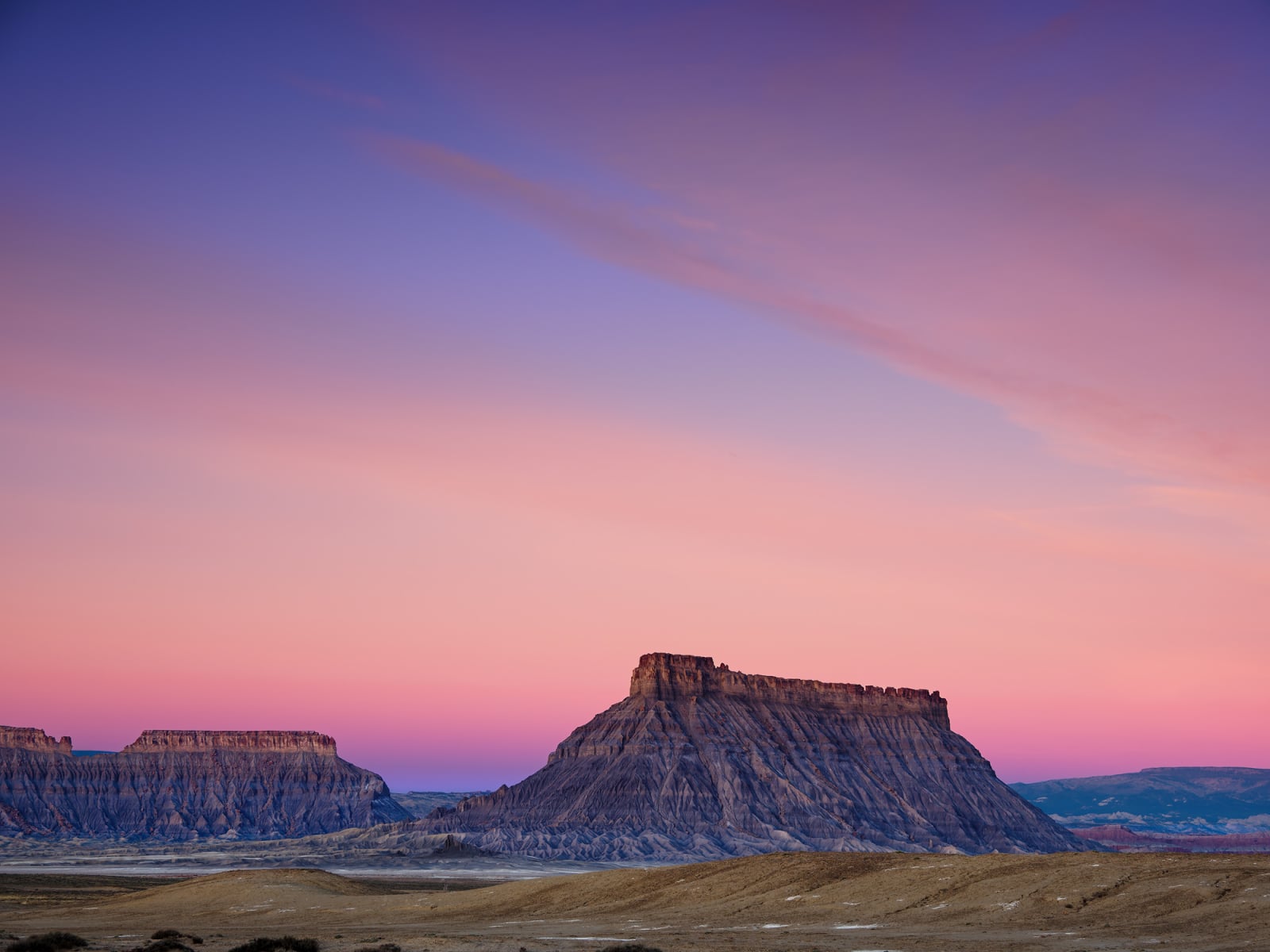
- The Reverse Golden Hour and Evening Blue Hour: As afternoon transitions into evening, the thermal dynamics of the earth shift. Unlike the damp, misty atmosphere of the morning blue hour, evening light is frequently clearer and warmer. Suess notes that evening skies often produce intense, long-lasting color displays for up to thirty minutes after sunset—a phenomenon frequently missed by photographers who pack up immediately after the sun dips below the horizon.
- Night Sky and Astrophotography: The final phase of the day brings full darkness. When the Milky Way is obscured by moonlight or cloud cover, Suess shifts his focus to astrolandscapes, utilizing computational photography tools like the OM-5 Mark II’s Live Composite mode. This technology allows the camera to record a base exposure and incrementally add only newly arriving light sources—such as star trails, lightning, or vehicle headlights—preventing the background from overexposing during extended durations.
Technical Adaptation and Lightweight Gear Philosophy
Operating continuously across varying environmental extremes—from freezing alpine elevations to arid desert floors—places immense demands on both the photographer and their equipment. Suess emphasizes that safety must always supersede photographic ambition. Before embarking into remote wilderness areas, particularly in bear habitats, he ensures his pack contains essential survival items: bear spray, satellite communicators, power banks, high-protein snacks, and adequate hydration.
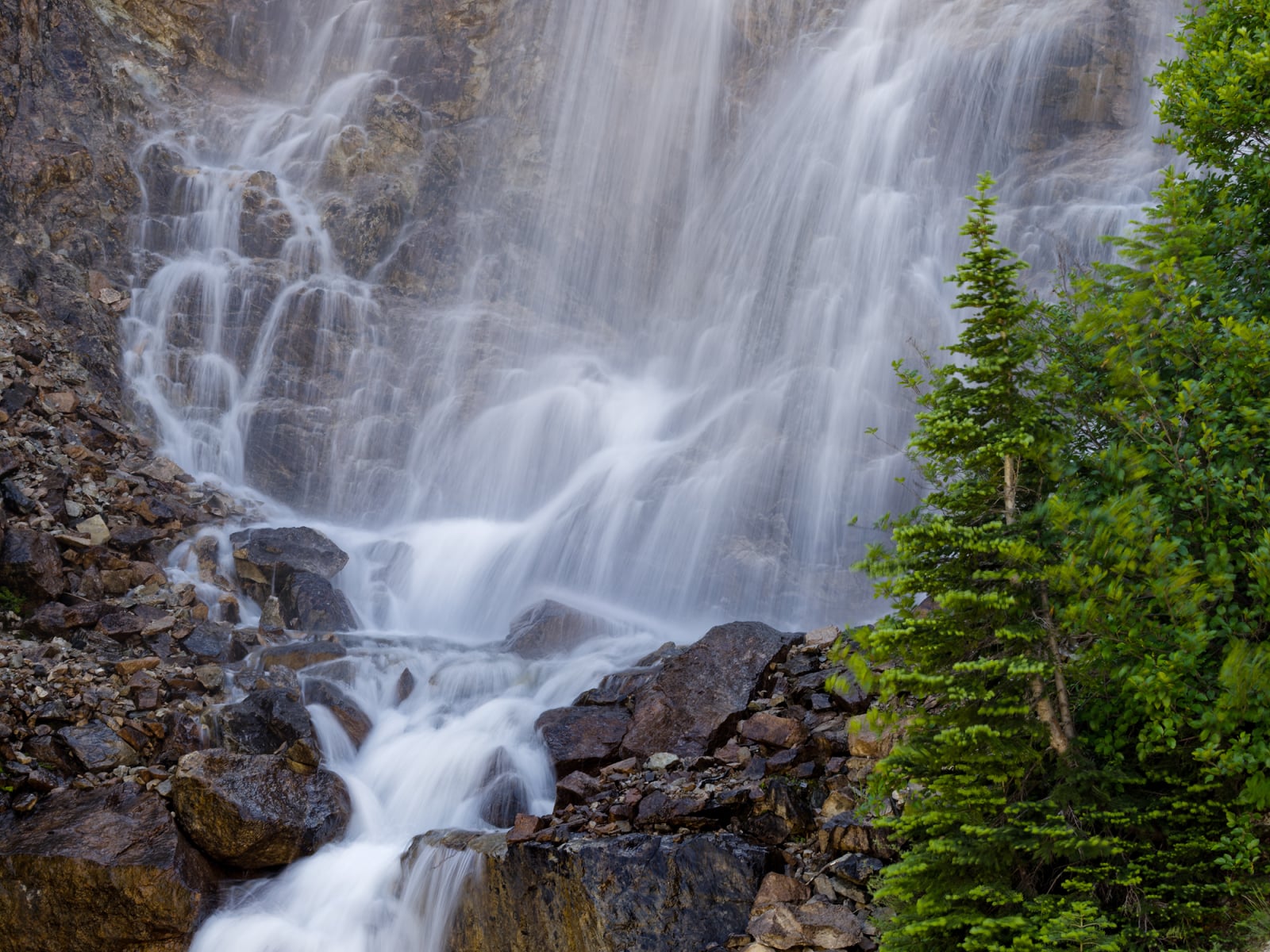
To maintain physical endurance throughout a 14-hour session, Suess champions a minimalist gear philosophy. Rather than hauling an extensive collection of heavy prime and zoom lenses, he pairs the weather-sealed OM-5 Mark II body with a single, highly versatile optic: the M.Zuiko Digital ED 12-100mm F4.0 IS PRO, occasionally supplementing it with the ultra-wide M.Zuiko Digital ED 7-14mm F2.8 PRO when specific astrophotography demands wider apertures.
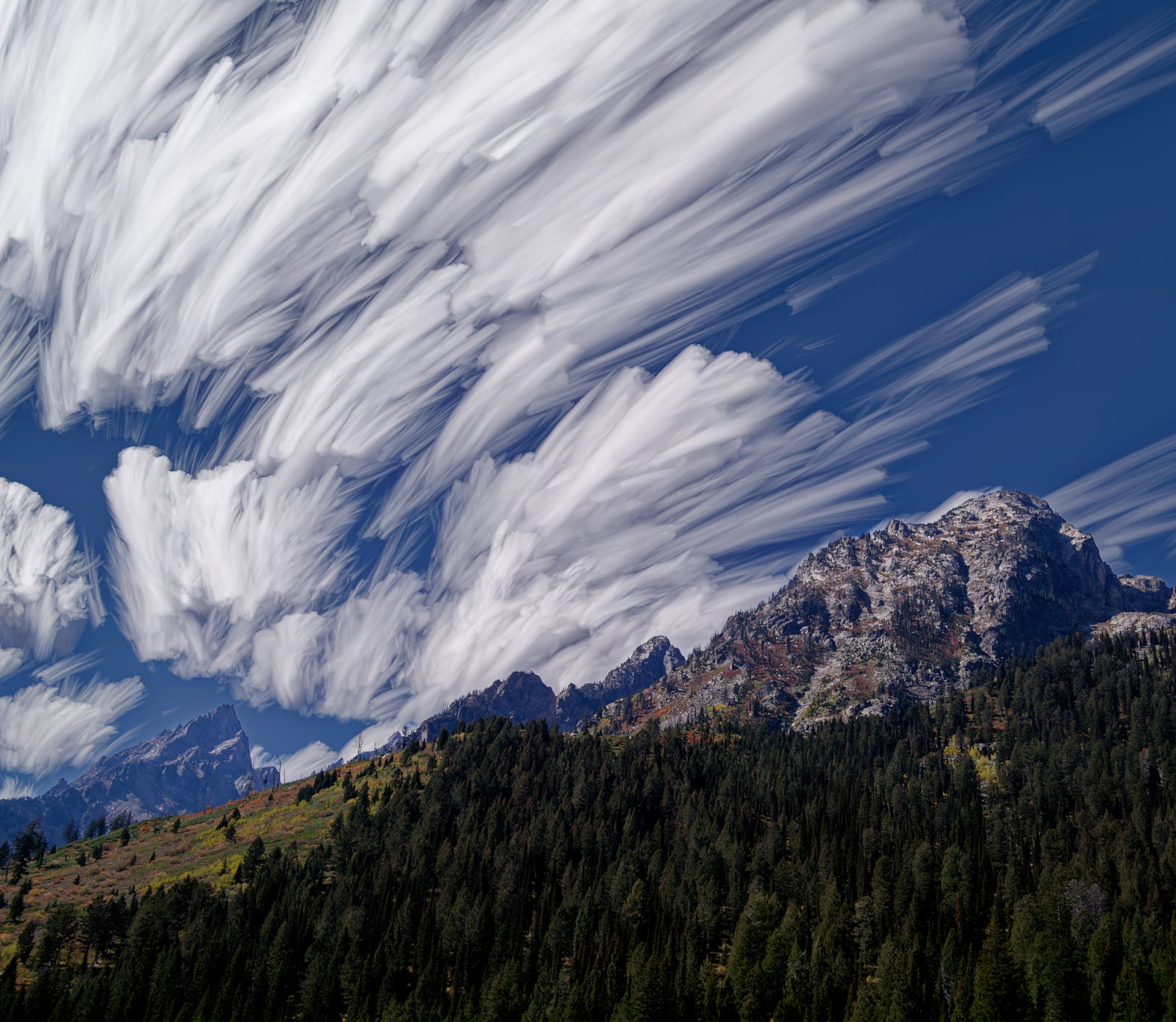
This deliberate reduction in gear weight frees up crucial space for safety supplies, extra clothing layers to combat severe temperature swings, and weather protection. Furthermore, the advanced in-body image stabilization (IBIS) of the OM-5 Mark II—delivering up to 6.5 stops of compensation—allows Suess to capture sharp handheld images in low-light environments without being perpetually tethered to a heavy tripod. When combined with computational modes like High Res Shot for static scenes and Live ND for smoothing cascading water, the equipment empowers creators to focus entirely on visual storytelling rather than technical friction.
Analytical Implications and Broader Industry Impact
The methodology advocated by Matt Suess offers significant implications for the broader landscape photography industry. In an era dominated by instant digital gratification and location-based tourism—where photographers frequently rush to iconic viewpoints simply to replicate existing compositions—the dawn-to-dusk approach advocates for deeper environmental engagement and authentic artistic development.
By forcing oneself to remain stationary in a single environment for an entire day, photographers transition from passive consumers of scenery to active observers of natural processes. Industry analysts note that such rigorous field exercises cultivate resilience, enhance problem-solving capabilities under adverse lighting conditions, and ultimately foster a more distinctive personal style. Even on days when external factors fail to yield a portfolio-ready image, the process provides invaluable psychological and creative feedback, challenging practitioners to reevaluate their observational habits.
Ultimately, Suess’s endurance philosophy serves as a reminder that the true value of nature photography extends far beyond the final digital file stored on a memory card. It is anchored in the profound appreciation of the natural world—an appreciation that rewards those willing to outlast the crowd and embrace every hour of the changing day.