Through Their Lens: How Paralympic Athlete and Photographer Zak Skinner is Redefining Accessibility in Visual Arts Through Sony Camera Technology

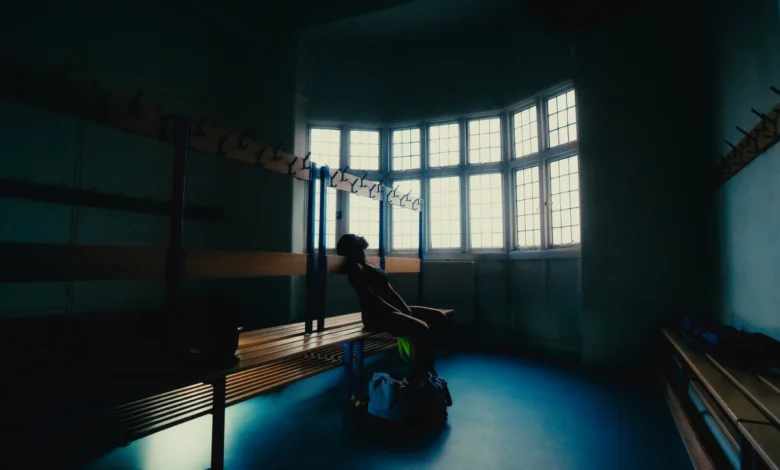
The intersection of high-performance athletics and creative visual storytelling has reached a new milestone with the unveiling of a ten-image collection by British Paralympic athlete and photographer Zak Skinner. This project, titled Through Their Lens, represents the second annual installment of an initiative by Sony designed to highlight how modern imaging technology can bridge the gap for blind and partially sighted photographers. By moving beyond traditional notions of visual impairment and artistic capability, the collaboration underscores a critical shift in the manufacturing sector toward inclusive product design.
A Convergence of Two Worlds
Zak Skinner is a prominent figure in the sporting world, having represented Great Britain at the Tokyo 2020 Paralympic Games and the 2023 World Para Athletics Championships. However, his work in photography and videography reveals a different facet of his identity—one that is deeply personal and rooted in a unique sensory experience. Born completely blind before gaining partial sight at age two, Skinner lives with ocular albinism, a genetic condition that results in reduced visual acuity, nystagmus (involuntary eye movement), and severe photophobia (light sensitivity).
The ten-image collection serves as a bridge between his athletic career and his artistic pursuit. The series begins with imagery captured on the track, moving into controlled studio environments to explore themes of light, shadow, and motion. Through the use of slower shutter speeds and deliberate lighting configurations, Skinner translates his specific visual experience into a medium that invites the viewer to see the world through his eyes.

The Chronology of an Inclusive Initiative
The Through Their Lens project was launched in October 2023, coinciding with World Sight Day. The inaugural collection featured the work of photographer Gary Williamson, whose journey back to photography was made possible by the accessibility features integrated into the Sony Alpha 7C II. That project served as a proof-of-concept, demonstrating that camera interfaces—traditionally reliant on visual feedback—could be adapted through software to assist those with significant sight loss.
The transition from the 2023 launch to the current collaboration with Skinner marks a strategic evolution. While the first year focused on the possibility of a return to the craft for those with vision loss, the second year shifts the focus to the professional application of these tools. Skinner’s involvement began with a public call to action; in July of this year, the athlete utilized social media to initiate a dialogue with Sony. Acknowledging the company’s efforts in pioneering accessible features, he noted that while the intent was commendable, the practical application required further refinement to suit the needs of active, professional creators. This direct engagement between the end-user and the manufacturer has resulted in the current collection, showcasing a model of iterative product development.
Technical Implementation and Accessibility Features
The technical success of the collection rests on the sophisticated feature sets found in the Sony Alpha 7 V and Alpha 7R V cameras, paired with the versatile FE 24-70mm F2.8 GM II lens. For a photographer with ocular albinism, standard camera interfaces can be overwhelming or difficult to parse. Skinner’s workflow relied on two specific pillars of Sony’s accessibility suite:
- Enlarge Screen Function: By mapping this feature to a custom button, Skinner was able to toggle high-contrast, magnified menu overlays with a single press. This allowed him to adjust aperture, shutter speed, and ISO settings in real-time without the strain of navigating dense, small-font menus.
- Screen Reader Capability: In studio environments, where external noise is minimal, Skinner utilized the built-in screen reader. This feature provides audio feedback for menu navigation, ensuring that the photographer remains informed of settings changes through auditory cues rather than relying solely on visual confirmation.
These features, combined with the tactile nature of physical buttons and dials, allowed Skinner to move away from the "menu-diving" common in modern digital photography, enabling him to focus his energy on the creative act of composition.

Industry Data and the Need for Inclusive Design
The global market for assistive technology is projected to grow significantly as populations age and awareness of accessibility rights expands. According to the World Health Organization (WHO), at least 2.2 billion people have a near or distance vision impairment. Within the creative sector, this demographic has historically been sidelined due to the high visual barrier to entry in photography and filmmaking.
The initiative by Sony aligns with broader efforts in the consumer electronics industry to adopt Universal Design principles. Universal Design refers to the design of products and environments to be usable by all people, to the greatest extent possible, without the need for adaptation or specialized design. By integrating screen readers and magnification into standard-issue, high-end cameras, manufacturers are moving from "niche" accessibility to a standard of "inclusive by default."
Official Perspectives and Stakeholder Responses
The collaboration has drawn praise from both the technological and advocacy sectors. Joe Clark-Jones, Accessibility Promotions Lead at Sony Europe, emphasized the manufacturer’s moral and professional imperative. "As one of the world’s leading digital imaging brands, we have a responsibility to make photography and videography more accessible by reducing product barriers to creativity," Clark-Jones stated.
Robin Spinks, Head of Inclusive Design at the Royal National Institute of Blind People (RNIB), highlighted the broader societal implications of the project. "Zak’s collection is a great example of the creativity and talent within the blind and partially sighted community," Spinks remarked. He noted that the project does more than just sell cameras; it challenges the assumption that photography is an exclusively visual medium. By proving that sight-impaired individuals can thrive in professional-grade creative roles, the project provides a blueprint for other manufacturers to follow.

Analysis: Beyond the Lens
The significance of the Through Their Lens project lies in its shift from viewing accessibility as a "charitable" feature to recognizing it as an essential component of professional hardware. For a photographer like Zak Skinner, the camera is not merely a tool for capturing an image; it is an extension of his own physical and visual constraints.
The implications for the industry are profound. As digital cameras become more software-defined, the ability to customize interfaces through firmware updates means that "accessibility" is no longer a static hardware limitation but a dynamic software potential. If companies continue to collaborate with users like Skinner—who provide critical, real-world feedback—the barrier to entry for disabled creators will continue to shrink.
However, the journey is far from over. As Skinner noted in his initial outreach to the company, the existence of a feature does not guarantee its usability. True accessibility requires a constant feedback loop between the engineers in the laboratory and the artists in the field. The success of this collaboration suggests that the industry is beginning to treat that loop as a standard part of the research and development process.
Conclusion
The Through Their Lens collection is more than a portfolio of impressive athletic and studio photography; it is a case study in effective corporate-user collaboration. By elevating the work of a professional athlete and photographer who navigates the world through a distinct set of visual experiences, Sony has demonstrated that the future of photography is inclusive. For the broader public, the collection serves as an invitation to reconsider the relationship between human perception and technology. As more individuals with disabilities gain access to these tools, the visual landscape will undoubtedly grow more diverse, richer in perspective, and more reflective of the true breadth of human experience. The legacy of this project will likely be measured not just in camera sales or brand sentiment, but in the number of future photographers who, inspired by Skinner, decide to pick up a camera and frame their own unique vision of the world.