The Untold Story of Stock Aitken Waterman: When the UK’s Hittest Pop Factory Collaborated with Roland Rat

The British pop landscape of the 1980s was defined by excess, gloss, and chart-topping juggernauts, none more prominent than the songwriting and production trio Stock Aitken Waterman (SAW). Comprising Mike Stock, Matt Aitken, and Pete Waterman, the collective built a factory-like hit machine that churned out multi-platinum singles for acts such as Kylie Minogue, Jason Donovan, Dead or Alive, and Rick Astley. However, beneath the veneer of relentless commercial dominance lay a parallel history of eccentric novelty projects, unconventional collaborations, and occasional commercial misfires. While the partnership ultimately dissolved in the early 1990s following high-profile ventures with professional wrestlers and television personalities, their willingness to trade artistic credibility for quick financial gains manifested early in their career—most notably in a bizarre 1987 collaboration with the television puppet Roland Rat.
The Genesis of the UK Breakfast Television Wars and Roland Rat
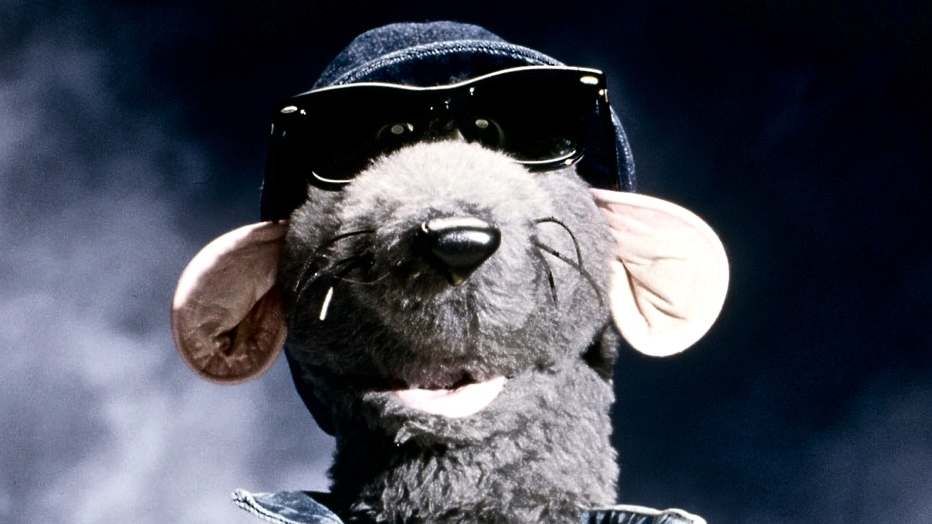
To understand the context of the collaboration, one must examine the state of British broadcasting in the early 1980s. In April 1983, the UK’s morning television landscape was radically transforming. The Independent Television (ITV) network launched its breakfast franchise, TV-am, with high hopes and a serious journalistic format. However, the strategy faltered badly. While the BBC’s rival program, Breakfast Time, captured the public imagination, TV-am hemorrhaged viewers, frequently recording audiences as low as 300,000. The network faced an existential crisis, prompting a major operational shake-up led by incoming programme director Greg Dyke.
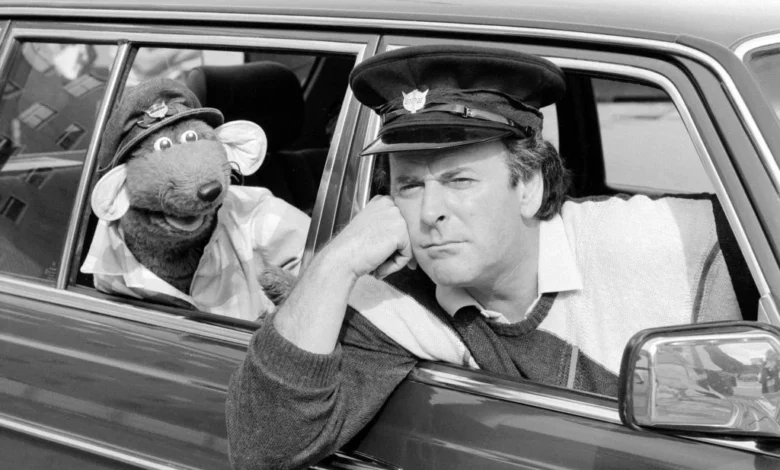
Dyke’s decisive intervention came in the form of an unorthodox asset: Roland Rat. Created and voiced by puppeteer David Jensen (with the character manipulated by a team including Kevin Bradley), Roland was an irreverent, sarcastic, puppet rodent. Designed to appeal to children and young families who felt alienated by the stiff, formal tone of competing morning shows, the character instantly revitalized TV-am’s ratings. The turnaround was so dramatic that by 1985, the BBC successfully poached the character, offering a lucrative six-figure contract and his own Saturday evening prime-time chat show, Roland Rat: The Series.
The Production and Release of "Living Legend"
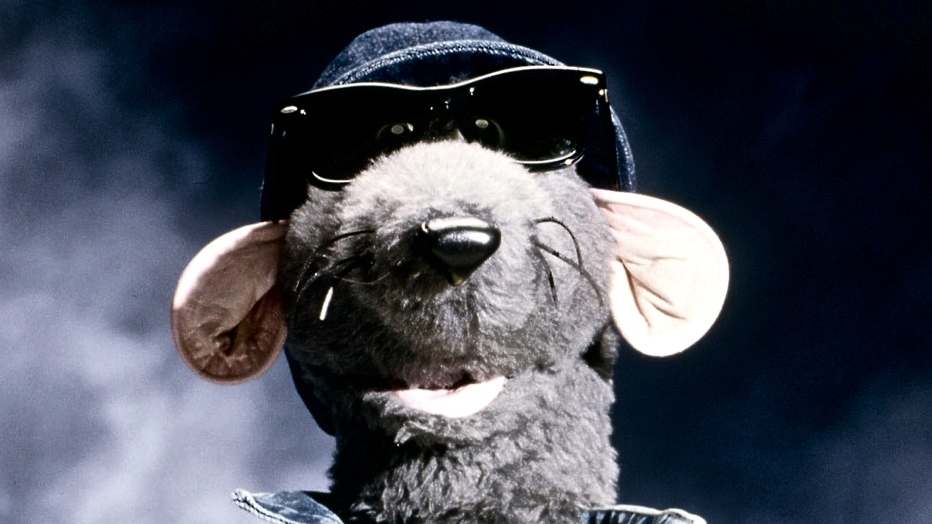
As the BBC prepared to launch Roland Rat’s prime-time vehicle, the production required a theme tune. Given that the character had already proven his commercial viability with two preceding novelty chart singles, Pete Waterman eagerly seized the opportunity to align the SAW brand with the puppet phenomenon. The result was "Living Legend," a track written and produced by Stock Aitken Waterman.
The single’s rollout was characteristically multifaceted for the era. It was configured as a 30-second television theme, a standard 7-inch single with and without vocal contributions from the character, and an expansive 12-inch remix titled the "Rat In My House Mix." Despite the formidable reputation of its creators, "Living Legend" was a commercial failure. Sandwiched chronologically between SAW’s work on Mel & Kim’s monumental smashes "Showing Out (Get Fresh at the Weekend)" and "Respectable," the single peaked at a dismal number 104 on the UK Singles Chart.
Historical Erasure and Legacy within the SAW Discography
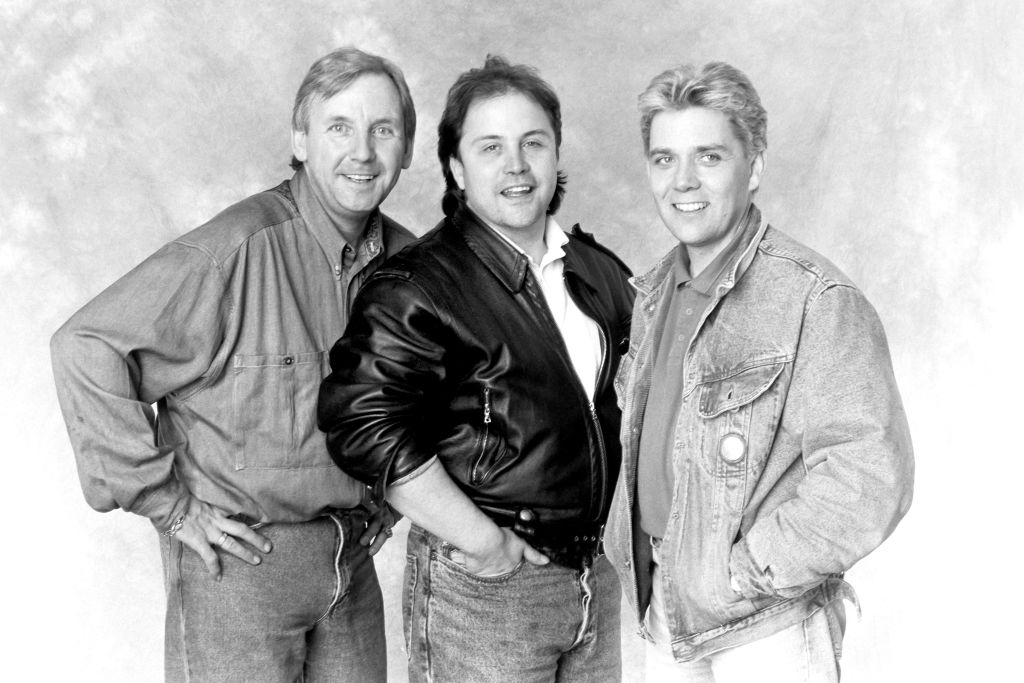
The commercial failure of "Living Legend" resulted in its effective erasure from the official narrative of Stock Aitken Waterman. The track is conspicuously absent from the official SAW website discography and receives no mention in the autobiographies of either Pete Waterman or Mike Stock. For music historians and pop music collectors, the record exists as an elusive footnote, overshadowed by the powerhouse dance-pop anthems that defined the late-1980s Second British Invasion.
Nevertheless, the 12-inch "Rat In My House Mix" has retroactively gained a cult following among crate-diggers and pop enthusiasts. Stripped of the character’s vocal interjections and featuring reworked lyrics, the production showcased the sophisticated synth-pop and Hi-NRG arrangement sensibilities that characterized SAW’s foundational work, even when applied to absurd source material.
Broader Implications and the Novelty Pop Economy
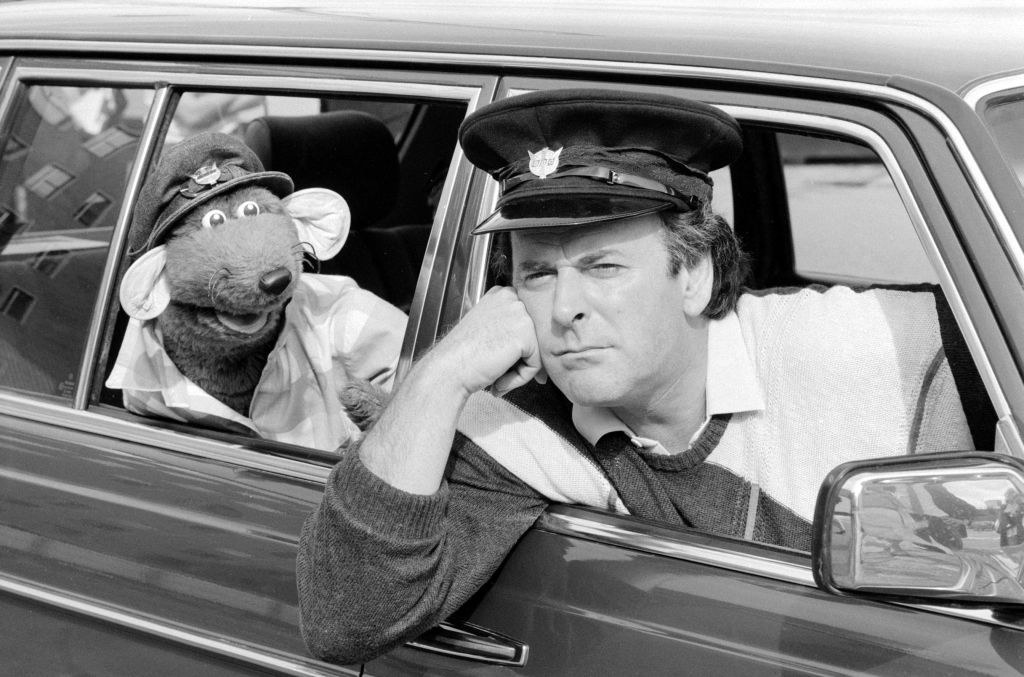
The collaboration between Stock Aitken Waterman and Roland Rat highlights a broader economic reality of the British music industry during the 1980s and 1990s: the lucrative intersection of novelty entertainment and mainstream chart production. While critics frequently dismissed such ventures as opportunistic, top-tier producers often utilized novelty records to subsidize more experimental or high-risk artistic endeavors.
For SAW, the Roland Rat project was merely an early precursor to a long line of unconventional pairings. Throughout their trajectory, the trio consistently bridged the gap between high-concept pop and mass-market novelty, later producing tracks for World Wrestling Federation (WWF) wrestlers, television actors Robson & Jerome, and the children’s action franchise The Power Rangers. These later ventures ultimately contributed to the dilution of the production house’s critical standing, culminating in their eventual parting of the ways in the early 1990s.
Ultimately, "Living Legend" remains a fascinating artifact of British pop culture—a collision between the most successful production team of a generation and a puppet icon of the early breakfast television wars. While neither party actively celebrates the collaboration today, it stands as a testament to the unpredictable and commercially ruthless nature of the 1980s music industry.
Related posts: