The Strategic Role of Mood Boards in Professional Photography and Client Alignment

A mood board in professional photography serves as a critical visual bridge between a client’s abstract desires and a photographer’s technical execution. By definition, it is a curated collection of images—comprising lighting references, color palettes, posing styles, and environmental settings—that establishes the aesthetic direction for a production. While once relegated to the realm of high-fashion editorial and commercial advertising, the practice of utilizing mood boards has become an industry standard in portrait, wedding, and event photography, functioning as a primary tool for expectation management and creative synergy.
The Evolution of Visual Briefing
The history of the mood board in photography is deeply rooted in the broader creative arts, particularly interior design and advertising, where "storyboards" were used to map out narratives. In the early 2000s, with the advent of digital portfolios, photographers began shifting away from physical print books toward online galleries. However, the rise of platforms like Pinterest in 2010 revolutionized the process, allowing clients to participate in the creative planning phase for the first time.
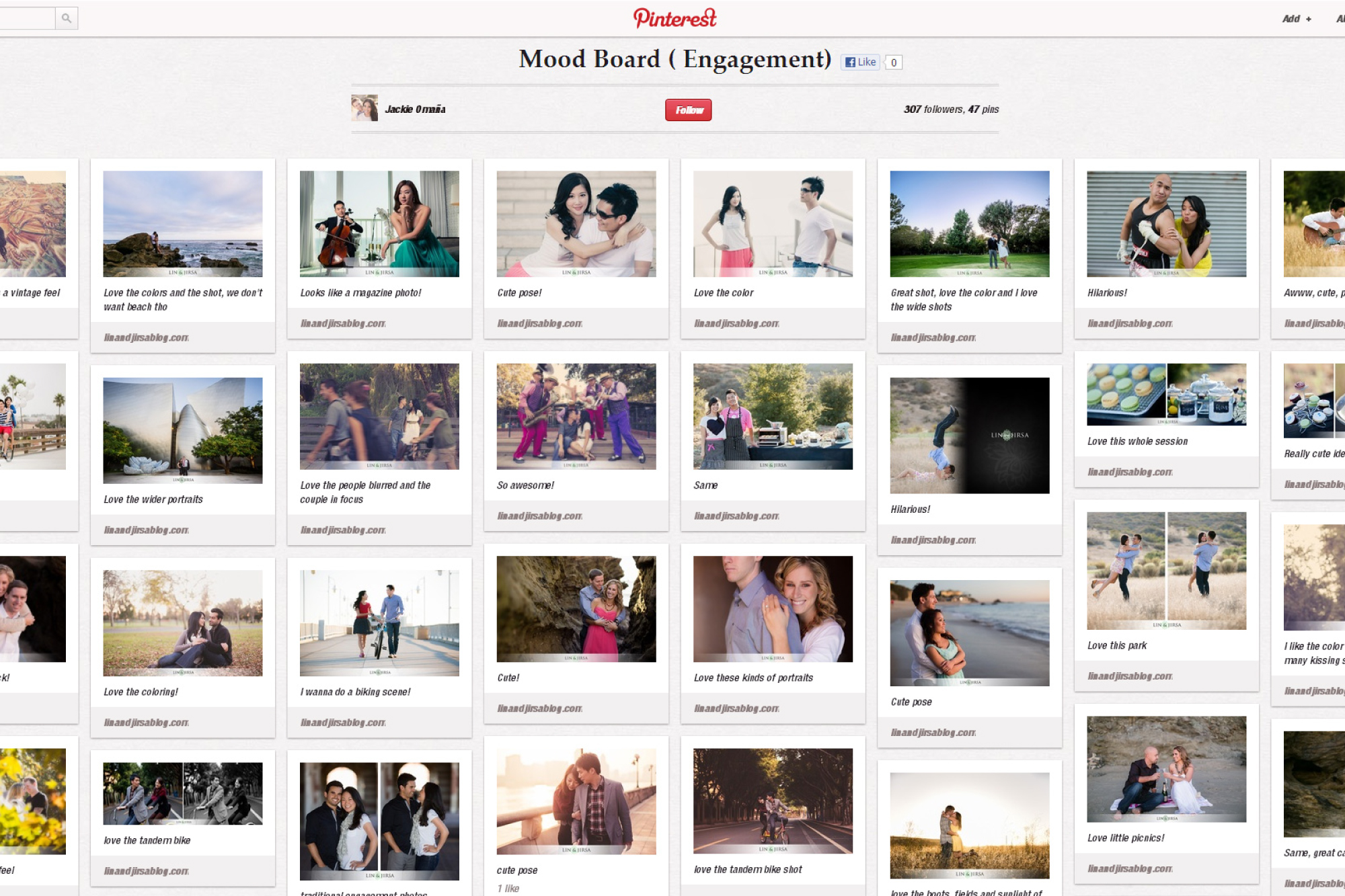
Today, a well-constructed mood board is not merely a collection of aesthetic preferences; it is a collaborative contract. When a photographer requests a mood board, they are initiating a formal period of consultation. This process typically occurs in the following sequence:
- Initial Inquiry: The client reaches out with a project scope.
- Consultation Phase: The photographer provides a link to their own portfolio, encouraging the client to select images that resonate with them.
- Synthesis: The client curates a board, which the photographer reviews to identify recurring themes in lighting, mood, and composition.
- Alignment Meeting: The photographer and client discuss the board to reconcile creative vision with logistical realities, such as time constraints, weather, and location accessibility.
Bridging the Communication Gap
The primary challenge in any creative endeavor is the disparity between professional terminology and layperson vocabulary. Research into client-photographer interactions indicates that while clients often possess a strong sense of what they dislike, they frequently lack the technical vocabulary to describe their aesthetic preferences. Terms such as "warm," "bright," "HDR," or "cinematic" are often used interchangeably by clients, regardless of their actual technical definitions.
By utilizing a visual medium, the photographer bypasses these linguistic barriers. When a client points to a specific image, the photographer can immediately discern if the preference is for high-contrast, dramatic shadows, or soft, diffused, natural lighting. This visual shorthand reduces the probability of post-production dissatisfaction, as both parties have established a common visual language before the camera is ever lifted.

Addressing Logistical Constraints and Unrealistic Expectations
One of the most frequent sources of friction in professional photography is the mismatch between a client’s "Pinterest-inspired" vision and the physical constraints of their specific shoot. It is not uncommon for a client to compile images that require drastically different lighting conditions—such as a mixture of high-noon sunlit photos and low-light, ambient night photography—within a single, limited-duration session.
Photographers are increasingly using the mood board as a pedagogical tool to explain the necessity of scheduling. By analyzing the time-of-day data within the images provided by the client, the photographer can explain that achieving a specific "golden hour" aesthetic requires a specific time window that may not be available during a midday booking. This approach shifts the conversation from a refusal ("I cannot do that") to a solution-oriented dialogue ("To achieve this specific lighting effect, we should consider adjusting the session time or moving the location"). This strategy, widely adopted by high-end studio professionals, minimizes the risk of a client feeling disappointed when the final output does not match an impossible, idealized collage.
Data-Driven Benefits: Marketing and Client Retention
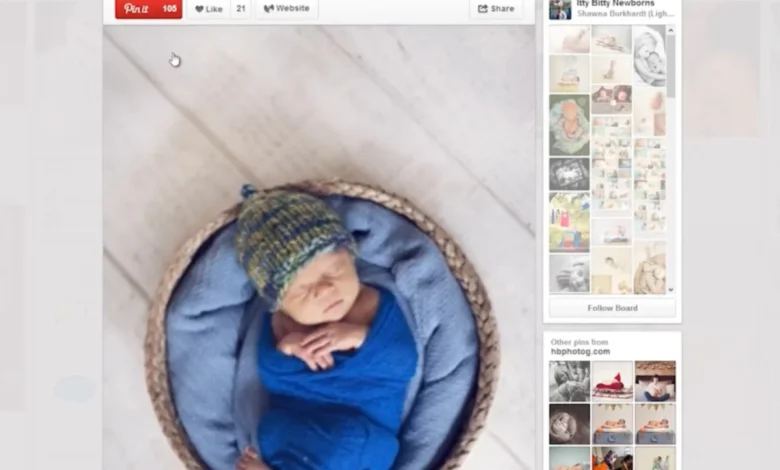
Beyond the immediate creative benefits, mood boards provide significant indirect advantages, most notably in the form of organic marketing. When clients use platforms like Pinterest to build these boards, they are often saving images directly from the photographer’s website or blog. Because these platforms utilize backlinks, each saved image serves as a permanent, searchable referral point.

Industry analysis suggests that photographers who integrate mood board creation into their workflow see a measurable increase in search engine optimization (SEO) performance. As images are repinned and shared across social media, the photographer’s domain authority grows. Furthermore, clients who participate in the planning process report higher levels of satisfaction. In the wedding industry, where client testimonials are the primary driver of new business, the use of a collaborative mood board is often cited as a "value-added service" that distinguishes a premium photographer from a hobbyist.
Addressing Style Discrepancies
A common concern among photographers is the "recreation trap," where a client requests that the photographer mimic the specific style of a competitor. While the mood board is intended to guide the session, it can also serve as an early warning system. If a client’s mood board consists entirely of images that clash with the photographer’s signature style—for example, a photographer known for light and airy, bright photography being asked to produce dark, moody, desaturated images—the issue can be addressed immediately.
Professional conduct dictates that if the stylistic misalignment is irreconcilable, it is more ethical to decline the booking or refer the client to a photographer whose style better matches their vision. This prevents the "creative dilution" that occurs when a photographer tries to work outside their area of expertise to satisfy an impossible demand, which often leads to sub-par work and negative reviews.

The WAVE Exercise: Beyond Visuals
While the mood board is essential for defining the look of a shoot, industry experts argue that it must be accompanied by a deeper understanding of the client’s needs. The "Wall Art Vision Exercise" (WAVE) is a framework designed to complement the mood board by focusing on the purpose of the photographs.
While a mood board identifies that a client likes "candid" shots, the WAVE helps the photographer understand if those photos are intended to be framed for a living room, gifted to family members, or used for a professional website. By understanding the end-use of the images, the photographer can frame the entire shoot around the final delivery. This holistic approach ensures that the photography session is not just a collection of pretty images, but a functional service that meets the specific, stated goals of the client.
Conclusion and Future Outlook
The mood board has transitioned from an informal suggestion to a fundamental pillar of professional photography. By providing a medium for clear communication, setting realistic logistical expectations, and facilitating organic marketing, the mood board reduces the risk of conflict and enhances the client’s overall experience. As the industry continues to evolve, the integration of digital tools and collaborative platforms will likely make this practice even more efficient, ensuring that the gap between a client’s vision and the final product continues to shrink. For the modern photographer, the mood board is not just an optional accessory; it is an essential component of a successful, professional-grade workflow.