The Strategic Importance of Mood Boards in Professional Photography and Visual Production

In the contemporary landscape of professional photography, the alignment of creative vision between a service provider and a client is a critical factor in determining the success of a production. Among the most effective tools for facilitating this alignment is the mood board—a curated collection of images, textures, and color palettes that serve as a blueprint for a photoshoot. While often dismissed as a casual planning exercise, the mood board has evolved into an essential component of professional workflows, bridging the gap between abstract client expectations and technical photographic execution.
The Evolution and Function of Visual Planning
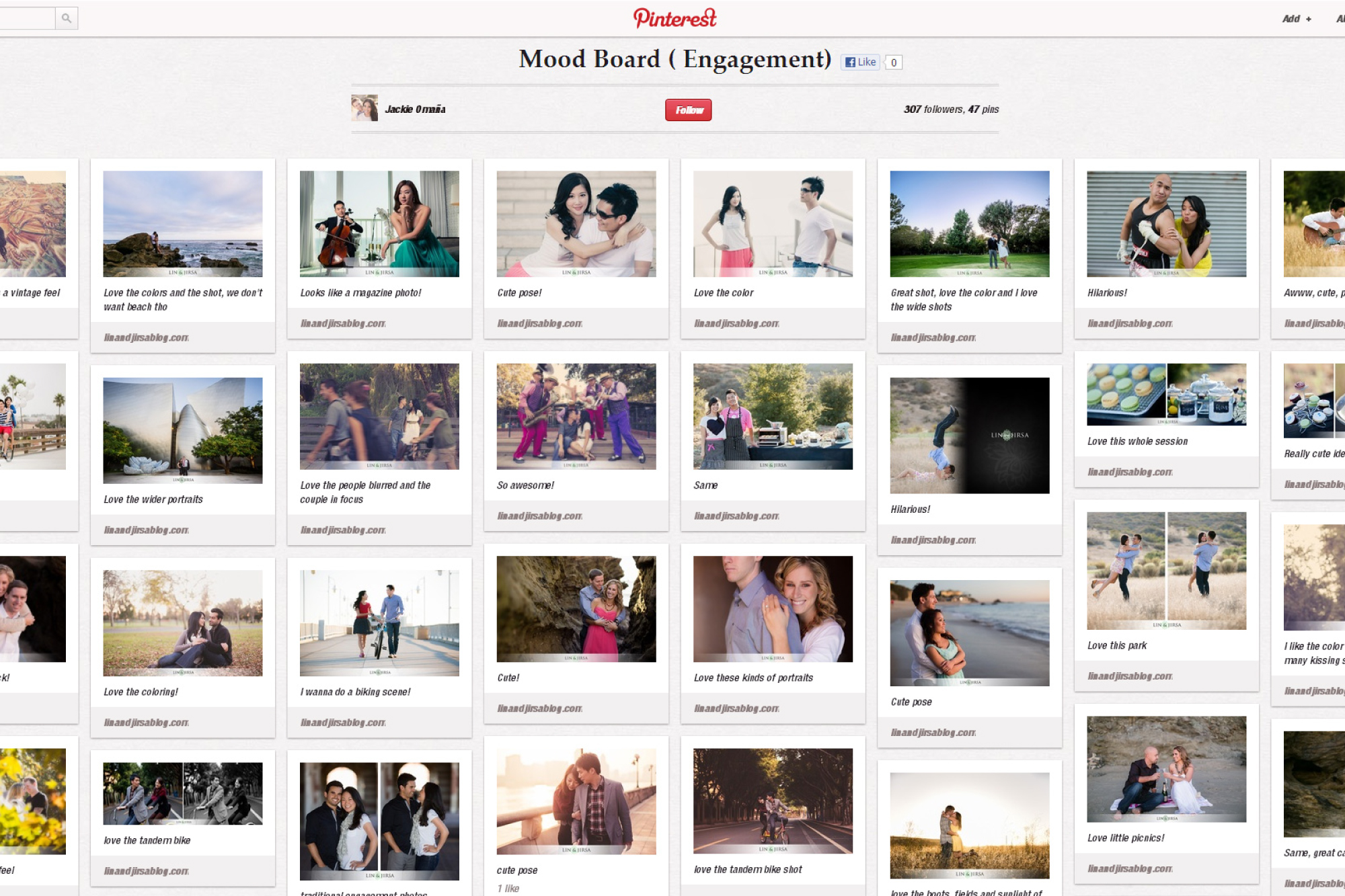
The concept of the mood board originated in the fields of interior design and fashion, where stylists and art directors used physical collages to communicate atmospheric concepts to stakeholders. In the digital age, this practice has transitioned to platforms such as Pinterest, Behance, and Notion, allowing for real-time collaboration. By providing a centralized repository for visual inspiration, a photographer can distill a client’s vague aesthetic desires into a concrete stylistic direction.
Chronologically, the implementation of a mood board typically occurs during the pre-production phase, immediately following the booking of the session and prior to the technical planning of logistics. This timeline is vital. When initiated too late, the mood board risks becoming a source of conflict rather than clarity. Industry standards suggest that for high-end editorial or wedding photography, the mood board should be finalized at least two to four weeks before the scheduled shoot to allow for the acquisition of necessary props, scouting of locations, and coordination of wardrobe.
Bridging the Communication Gap
Data suggests that a significant percentage of post-production friction stems from "vision misalignment." Clients often lack the technical vocabulary to describe their preferences, frequently relying on subjective terms such as "bright," "moody," or "natural." A 2022 survey of professional portrait photographers indicated that 78% of failed client expectations could be traced back to a lack of shared visual references during the pre-production phase.
The mood board acts as a universal language. When a client identifies an image with high contrast or specific color grading, the photographer can translate that visual cue into technical settings—such as lighting ratios, lens choice, and post-production processing methods. This prevents the common scenario where a client expresses dissatisfaction with an image simply because the photographer interpreted a stylistic term differently than the client intended.
Addressing Logistical and Creative Constraints
One of the primary responsibilities of a professional photographer is the management of expectations. A mood board often serves as an objective tool to evaluate the feasibility of a client’s vision. For example, if a client submits a collection of photos that include mid-day harsh light, sunset golden hour, and dark, moody indoor portraits, the photographer can immediately point to the physical impossibilities of achieving all these lighting styles within a single two-hour window.
By utilizing the mood board, the photographer shifts the conversation from a subjective refusal to an objective logistical planning session. This allows for constructive problem-solving: perhaps the session duration can be extended, or a selection of "must-have" styles can be prioritized. This method of management reduces professional liability and ensures that the final deliverable remains within the scope of what is technically achievable.

The Risk of Mimicry vs. Inspiration
A contentious point within the industry is the distinction between using a mood board for inspiration and using it for exact replication. Seasoned professionals often caution against "shot-list copying," where a client demands a recreation of another photographer’s work. Such requests are generally discouraged for three reasons:
- Artistic Integrity: Professional photographers are most effective when working within their own established style. Attempting to mimic another creator’s work often results in a sub-par product because the photographer is not operating in their element.
- Contextual Incompatibility: What works in one environment (e.g., a high-fashion studio shoot) may not translate to another (e.g., an outdoor wedding).
- Legal and Ethical Considerations: Uncritically replicating another artist’s unique composition can raise concerns regarding intellectual property, even if photography is a derivative art form.
Industry experts recommend that photographers instruct clients to prioritize images from the photographer’s own portfolio. This ensures that the client is choosing the photographer for their specific style, rather than expecting them to perform as a generic technician.
Economic and Marketing Implications
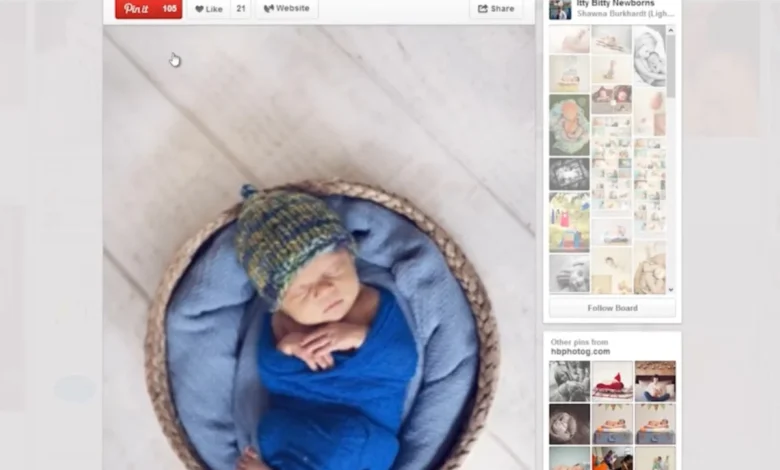
Beyond the creative output, mood boards provide a secondary benefit: organic marketing. When clients curate a Pinterest board for their upcoming session, they are often aggregating images from the photographer’s blog or social media channels. These pins function as backlinks, driving traffic to the photographer’s website.
From a search engine optimization (SEO) perspective, this constitutes a valuable source of referral traffic. As users engage with these pins, they contribute to the photographer’s digital footprint, enhancing the visibility of their work to potential new clients. This "free marketing" cycle is particularly effective in the wedding and lifestyle photography sectors, where word-of-mouth and social media sharing are the primary drivers of growth.

Moving Beyond the Mood Board: The WAVE Method
While the mood board is a powerful tool, it is not an exhaustive one. It captures the "look" of the shoot, but it often fails to capture the "why." To address the deeper motivations of a client, some professionals have adopted frameworks such as the Wall Art Vision Exercise (WAVE).
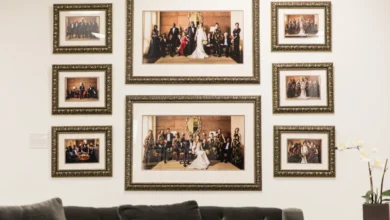
The WAVE method encourages photographers to ask pointed questions about the ultimate end-use of the images. Will the photos be displayed in a living room? Is the goal to commemorate a specific milestone or to tell a story? By determining where and how the final imagery will be consumed, the photographer can better tailor the shoot to the client’s actual needs. If a client intends to print a large-format image for their home, the photographer knows to prioritize high-resolution detail and composition that fits a specific aspect ratio, rather than focusing solely on the social-media-friendly aesthetics often prioritized in mood boards.
Conclusion: The Professional Standard
The integration of a mood board into the pre-production workflow is no longer an optional perk but a standard industry requirement. It serves as a safeguard against miscommunication, a tool for logistical realism, and a mechanism for organic digital marketing. However, it must be treated as a starting point, not a final contract. By combining the visual clarity of a mood board with deeper, value-based questioning, photographers can ensure that their work not only meets the aesthetic desires of their clients but also fulfills their functional and emotional needs.
As the industry continues to prioritize efficiency and client satisfaction, the use of visual planning tools will likely become more integrated into automated client management systems. Photographers who embrace this structured approach are better positioned to maintain consistent quality, manage expectations effectively, and sustain a thriving, professional creative practice.