When a $499 Toothbrush Meets Street Photography: Inside One Creator’s Viral Experiment with the Dyson CameraJet

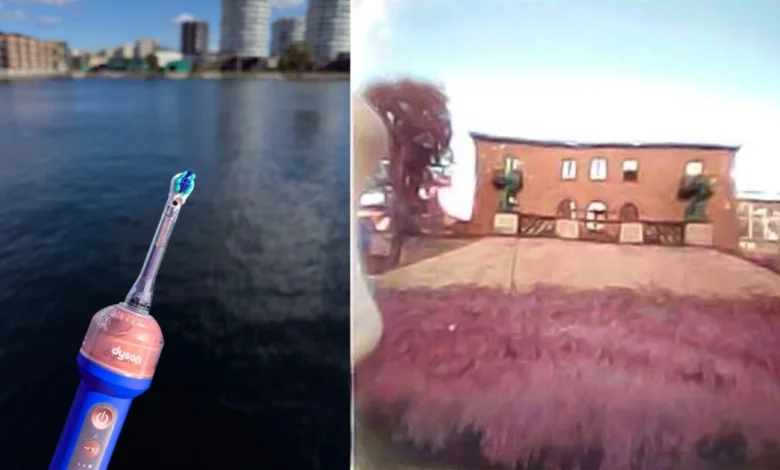
The intersection of consumer technology, unconventional hardware hacking, and fine art photography has yielded one of the most bizarre viral experiments of the year. An Instagram content creator operating under the pseudonym "all gear no skill" recently took to the urban environment armed not with a traditional Leica, Canon, or Sony mirrorless body, but with the newly released Dyson CameraJet—a $499 electric toothbrush featuring an integrated endoscopic camera. While the device was engineered strictly for domestic oral hygiene and dental monitoring, its unexpected foray into the realm of street photography has sparked widespread amusement, technical fascination, and even administrative backlash within online photography communities.
The stunt highlights a growing modern trend: the ubiquitous integration of imaging sensors into everyday objects. As manufacturers race to embed cameras, microphones, and connectivity into watches, appliances, and personal care items, creative technologists and photographers are increasingly testing the physical and conceptual limits of these consumer goods. By repurposing a medical-grade dental tool for urban documentation, this latest project shines a light on the absurdity, capability, and philosophical boundaries of contemporary digital capture.
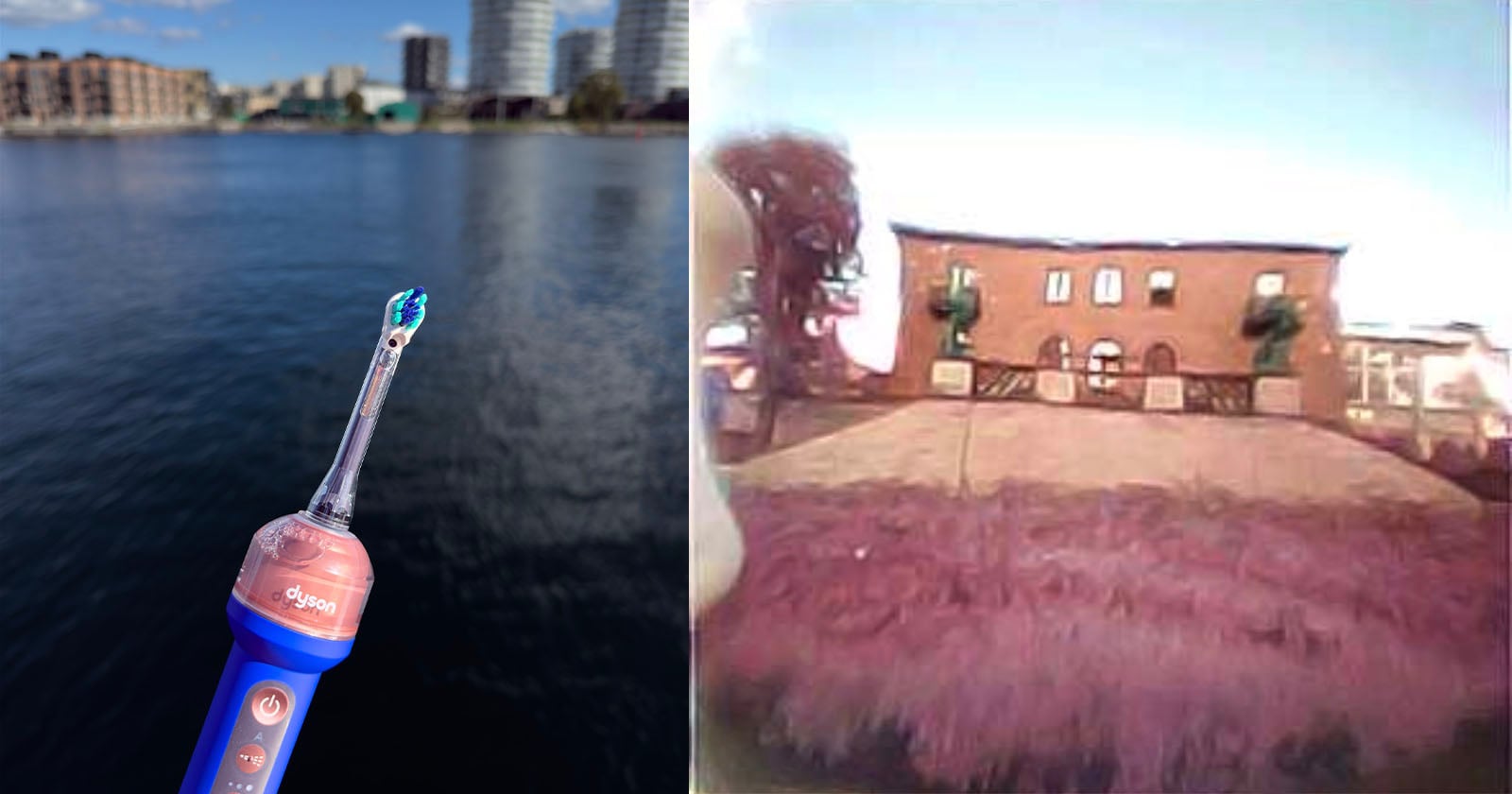
Main Facts of the Dyson CameraJet Experiment
The Dyson CameraJet hit consumer markets earlier this month with a retail price tag of $499, immediately drawing attention for its unusual primary feature: an onboard endoscopic lens designed to give users a macro, real-time look at their teeth and gums via a companion smartphone application. According to Dyson’s official product specifications and software architecture, the device deliberately lacks onboard storage capabilities. It does not record video files natively onto the hardware itself, nor does it automatically upload high-resolution files to cloud servers. Instead, users must rely on a live-streaming feed transmitted directly to their mobile devices over a localized connection.
Faced with these technical constraints, "all gear no skill" formulated a novel workaround. During her urban photo walk, she utilized her smartphone’s screen-recording and screenshot functionalities to capture the live feed transmitted by the toothbrush while pointing the endoscopic lens at architectural facades, bodies of water, and urban streetscapes.
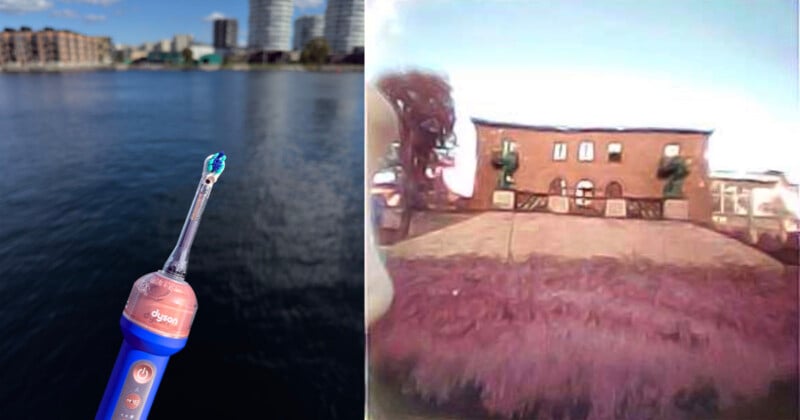
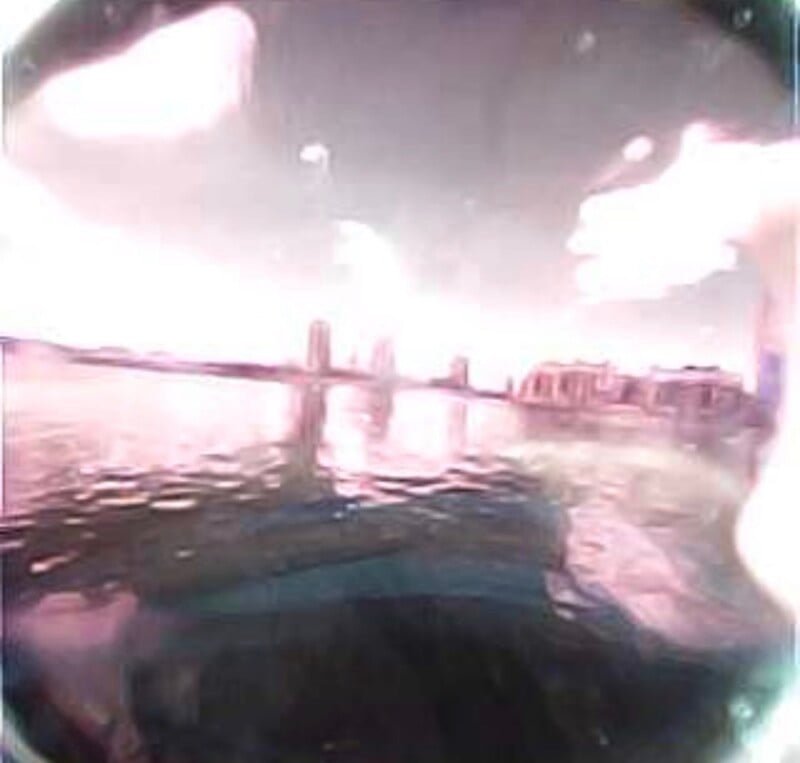
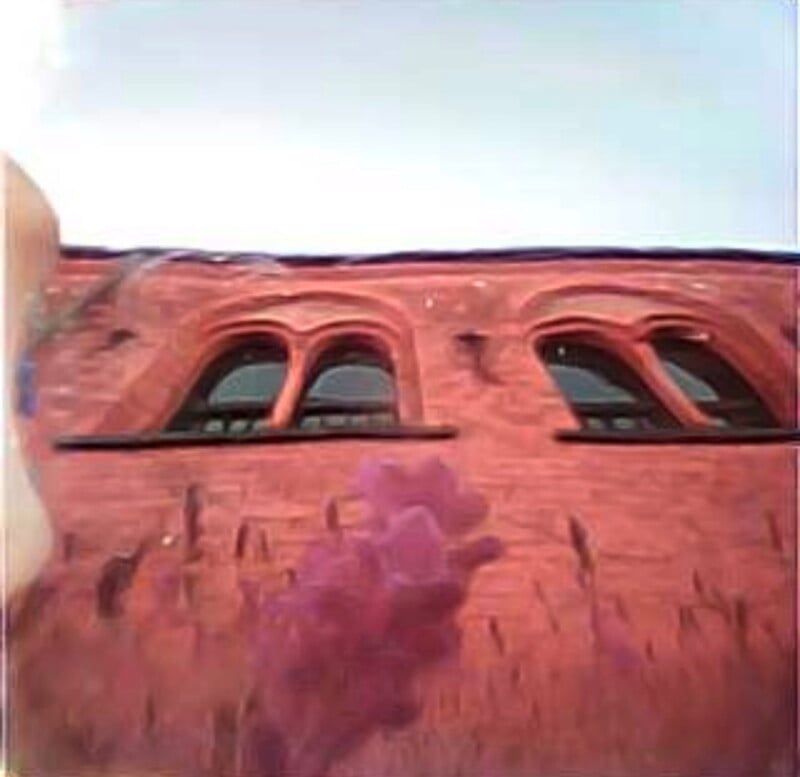
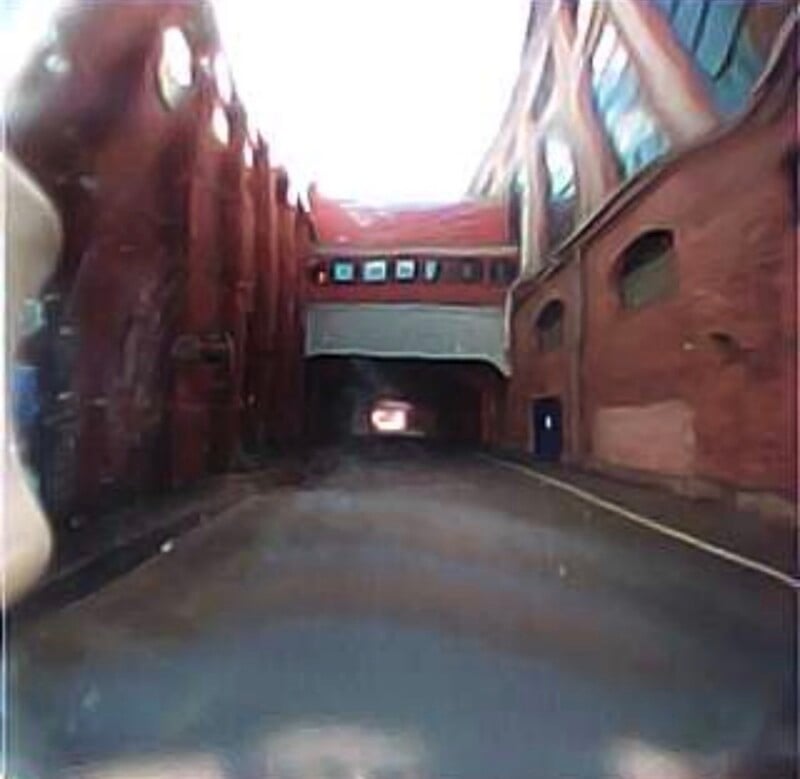
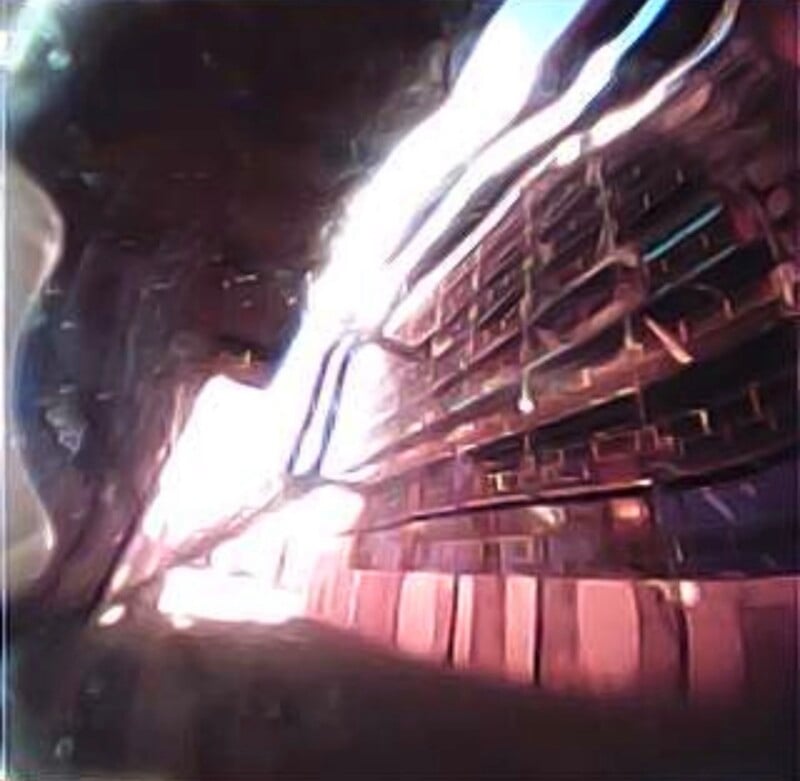
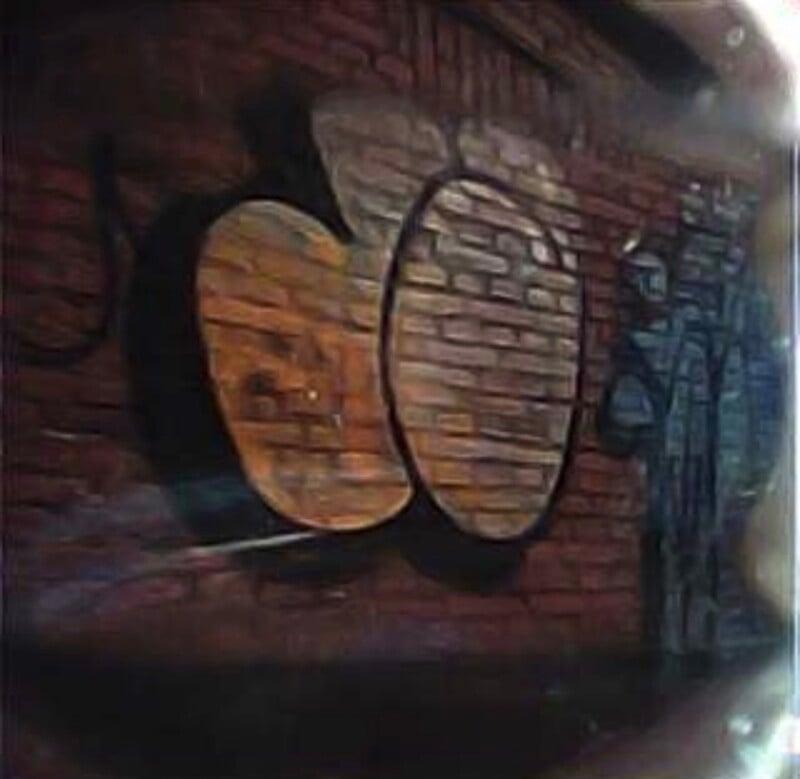
The resulting imagery is, by all traditional standards, severely flawed yet strangely captivating. The camera demands precise lighting conditions: it struggles heavily in low light, yet blows out highlights completely when exposed to bright sunlight. Designed exclusively for macro focal lengths, the lens produces an extreme, highly stylized fisheye distortion. When taken outdoors, the color science, white balance, and infrared-like spectral response yield erratic, surreal hues that evoke comparisons to early 2020s generative artificial intelligence outputs or experimental infrared photography.
Chronology and Background of the Viral Stunt
The genesis of the project lies in a long-standing running joke within the global photography community: the satirical trope of "dentists owning Leicas"—a cultural nod to the demographic profile of high-end camera collectors who possess expensive gear but sparse field experience. Upon learning that Dyson was releasing a luxury dental care product outfitted with a functional optical sensor, the creator recognized an irresistible artistic juxtaposition.
“There’s the running joke of ‘dentists owning Leicas’ in the photo community, so when I saw Dyson dropping the toothbrush with a camera, I knew it just had to be used for street photos,” the photographer shared in an interview. “It just makes sense.”
This endeavor is not an isolated incident for the creator, whose portfolio frequently explores the humorous subversion of photographic norms. Her previous digital interventions include colorizing raw monochrome captures shot on the premium Leica M10 Monochrom and attempting to scan thermal imaging prints using a high-end, 150-megapixel Phase One medium-format camera system. Her overarching artistic philosophy remains grounded in a simple ethos: “Photography should be fun.”
Carrying a blue electric toothbrush through public parks and city streets while holding it aloft to frame shots naturally drew immediate public curiosity. The photographer reported receiving “quite a few weird looks” from bewildered passersby who could not discern why a pedestrian was meticulously framing compositions with a personal care appliance.
Technical Performance and Software Evaluation
Despite being fundamentally misapplied, the Dyson CameraJet’s accompanying software earned unexpected praise during the field test. In an era where legacy camera manufacturers frequently face heavy criticism for clunky, unreliable, and sluggish mobile applications, the Dyson software performed with surprising efficiency.
“The app works really well, connects easily, and there’s very little lag in the feed,” the photographer noted, adding a satirical observation regarding industry standards: “It’s rather funny that a toothbrush app delivers a better experience than some camera manufacturer’s own apps.”
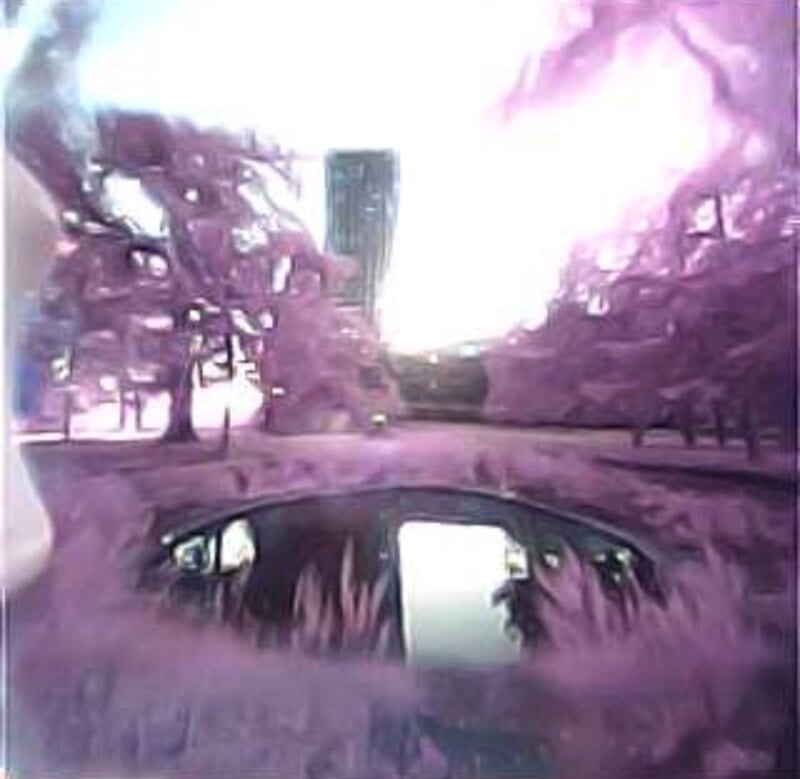
From a pure optical standpoint, however, the hardware remains an exercise in technical limitations. The endoscopic sensor yields low-resolution outputs defined by heavy chromatic aberrations, soft focus corners, and a pronounced circular vignette. The lack of manual exposure controls, aperture adjustments, or shutter speed manipulation means that image capture relies entirely on the automated processing algorithms built into the toothbrush’s internal chipsets, which are optimized exclusively for close-range oral cavities rather than expansive landscapes or architectural studies.
The Community Reaction and the Reddit Controversy
While the public reaction across Instagram and other social media platforms was overwhelmingly positive—with followers praising the surreal, dystopian aesthetic of the resulting shots—traditional gatekeeping institutions within the internet photography ecosystem proved less accommodating.
Following the photo walk, the creator submitted a selection of the toothbrush-captured images to r/streetphoto, a prominent online forum dedicated to the genre. However, the submission ran afoul of strict community guidelines enforced by the platform’s moderators. The post was promptly deleted for allegedly violating the fundamental “street photography only” rule.
In response, the creator engaged directly with the moderation team to explain the literal methodology behind the images, arguing that photographs captured on public thoroughfares of urban subjects inherently qualify as street photography, regardless of the capture device. The appeal, however, was unsuccessful. The moderators reviewed the case and elected not to reinstate the post, maintaining their stance that the experimental imagery fell outside their definition of the discipline.
“I’ve reached out to the mods explaining that I was using a toothbrush to take photos on the streets,” she remarked. “They reviewed the post and decided not to reinstate it because ‘It is not street photography.’ I am very hurt by their decision.”
Broader Impact and Implications for Consumer Technology
The viral dissemination of these toothbrush-shot images underscores a broader, ongoing cultural conversation regarding the proliferation of surveillance-adjacent technology in consumer goods. As corporations embed advanced sensors, high-definition lenses, and AI-driven processing into everything from refrigerators and vacuums to toothbrushes and apparel, the boundaries between specialized utility devices and ambient data collectors continue to blur.
From an industrial design perspective, the Dyson CameraJet exemplifies how manufacturing modularity and shared supply chains—such as the widespread availability of low-cost, high-performance endoscopic camera modules—allow non-traditional companies to venture into unexpected product categories. While Dyson originally intended the camera feature to promote better oral hygiene habits through visual feedback, the hardware’s unintended adoption by artists demonstrates the unpredictable ways consumers interact with smart technology.
Furthermore, the incident acts as a lighthearted stress test for the art world’s institutional definitions. As AI generation, smartphone computational photography, and now consumer appliance optics continue to expand the definition of what constitutes a "photograph," online gatekeepers and traditional forums face growing friction when attempting to enforce rigid categorical boundaries.
Ultimately, the experiment serves as a reminder that creativity in the digital age often thrives at the margins of utility. By subverting a $499 dental tool into an impromptu street camera, the project successfully bridged the gap between high-end consumer tech critique, performance art, and internet comedy—proving that, with enough imagination, almost any lens can find its way to the streets.