The Pomera DM250 digital typewriter is redefining focus in an age of constant connectivity

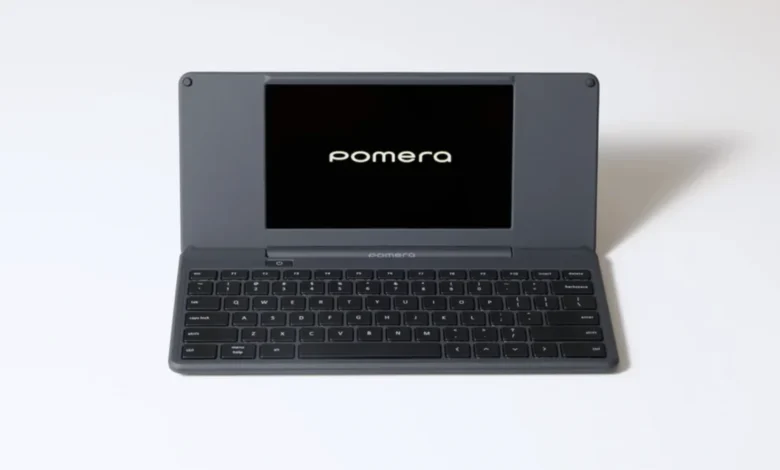
The modern professional landscape is characterized by a paradox: while technology has provided the tools for unprecedented productivity, it has simultaneously introduced a constant barrage of digital distractions. Notifications, email alerts, and the infinite scroll of social media platforms have fragmented the act of deep work. In response, a niche market for "single-use" or "distraction-free" hardware has emerged, with the Pomera DM250 digital typewriter serving as a focal point for writers and designers seeking a return to focused composition.
The Pomera DM250, manufactured by King Jim, is a specialized word-processing device that strips away the complexities of modern computing in favor of a singular objective: the creation of text. Unlike standard laptops or tablets, which are designed for multi-tasking, the DM250 is an exercise in intentional limitation.
The Evolution of the Digital Typewriter
The lineage of the digital typewriter can be traced back to the late 20th century, though the modern iteration is a reaction to the saturation of the smartphone era. Early precursors, such as the AlphaSmart Neo, were staples in educational settings during the early 2000s, praised for their portability and long battery life.
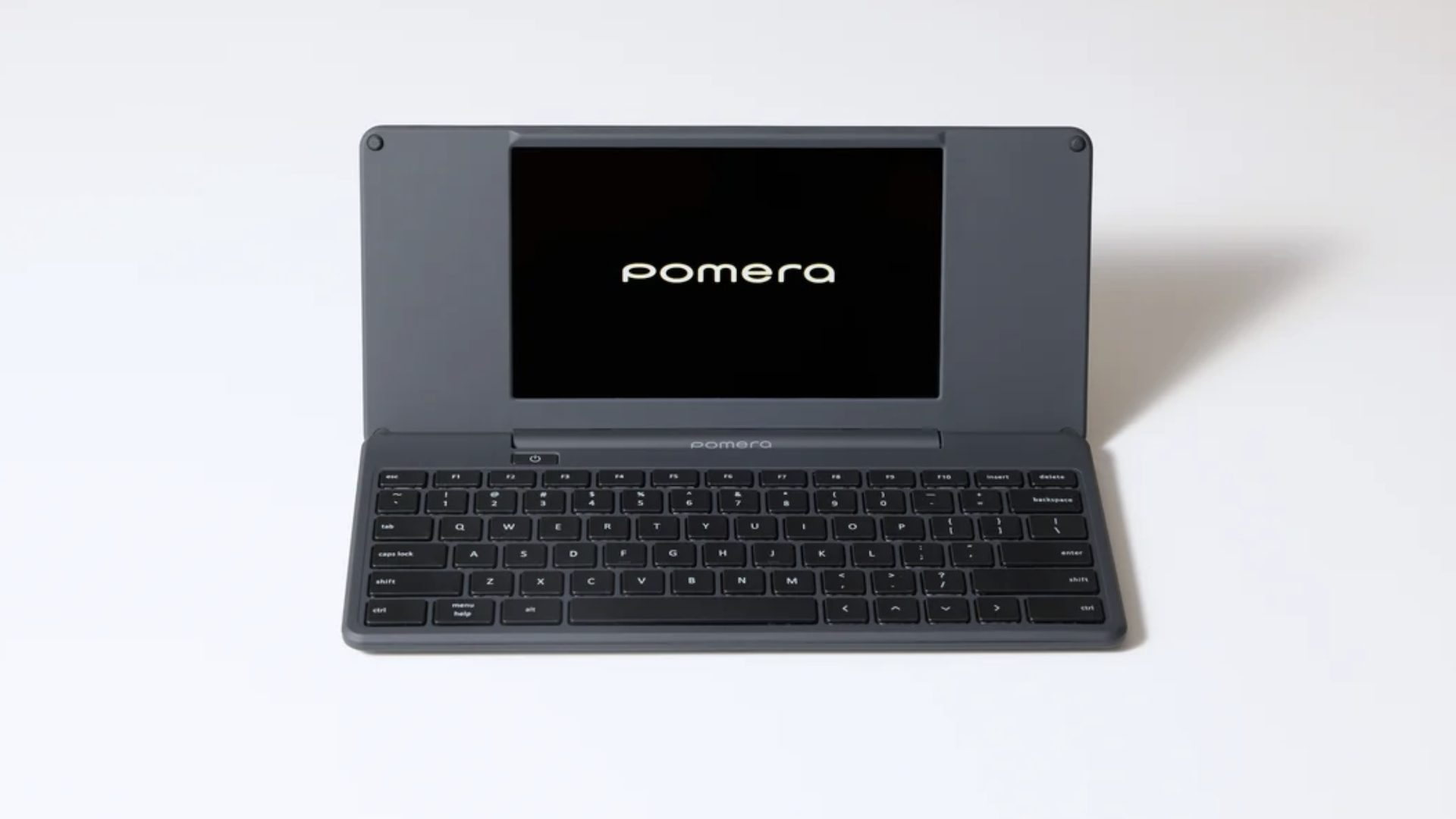
As tablets and ultra-portable laptops became the standard for remote work, the demand for dedicated writing tools dwindled. However, the last five years have seen a resurgence of interest in "analog-digital" hybrids. This shift is part of a broader trend toward digital minimalism. The Freewrite Traveler, a notable competitor in this space, brought the concept back to the consumer market with its E-Ink display and cloud-syncing capabilities. The Pomera DM250 distinguishes itself by utilizing a high-resolution, responsive LCD screen that avoids the ghosting and input lag often associated with E-Ink technology.
Technical Specifications and Design Philosophy
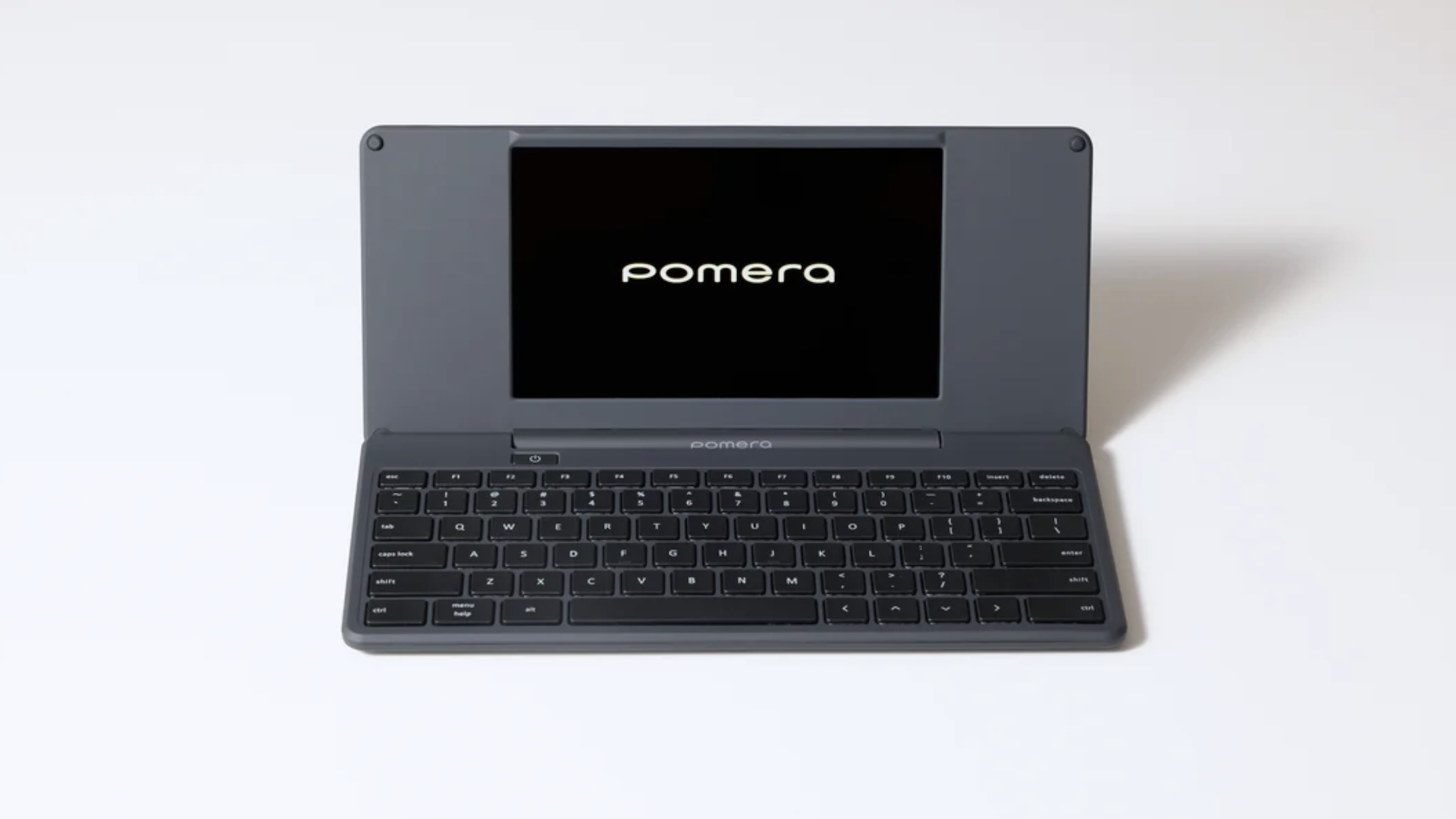
The DM250 utilizes a clamshell form factor that emphasizes portability without sacrificing keyboard surface area. When opened, the device reveals a near-full-size keyboard that folds into a compact footprint, facilitating easy storage in a standard bag or briefcase.
Key specifications include:
- Display: A high-contrast, backlit LCD screen optimized for long-duration writing without eye strain.
- Connectivity: While lacking a full browser or social media integration, the device includes Wi-Fi functionality specifically designed to transmit text files via email or QR codes to mobile devices.
- Battery Life: Designed for sustained usage, the device relies on efficient power management that allows for weeks of operation on a single charge cycle, a stark contrast to the daily charging requirements of modern tablets.
- Software: The interface is built upon a proprietary, lightweight operating system that handles basic text formatting, file management, and synchronization without the overhead of background processes or OS updates.
The Macro Trend of Digital Detoxification
The market performance of the DM250 must be viewed through the lens of the "digital detox" movement. According to recent industry analysis, consumer interest in hardware that reduces screen time—or at least removes the temptation of non-essential applications—is at an all-time high.
This trend is not limited to writing devices. The rise of "dumbphones"—mobile devices with limited functionality—and e-paper tablets like the reMarkable series suggests that a significant segment of the creative and professional population is willing to pay a premium for hardware that enables "deep work." By limiting the device’s capabilities, manufacturers like King Jim are selling the luxury of cognitive bandwidth.
Economic and Practical Implications
With a retail price point of approximately $549, the Pomera DM250 is positioned as a premium professional tool rather than an entry-level gadget. This pricing strategy places it in direct competition with entry-level iPads and mid-range Chromebooks.
Critics of the category often point to the "cost-per-function" ratio, arguing that a standard laptop can be programmed to mirror the Pomera’s functionality through software blockers or "focus mode" applications. However, proponents argue that the physical separation of the writing device from the communication device is the critical factor. The psychological boundary created by using a device that cannot access the internet for browsing or messaging provides a barrier that software cannot replicate.
User Reception and Market Positioning
Professional writers, journalists, and developers have noted that the DM250 succeeds where other distraction-free devices have failed: input latency. The tactile feedback of the keys and the instantaneous appearance of characters on the LCD screen mirror the experience of a traditional typewriter, providing a sensory loop that keeps the writer engaged in the creative process.
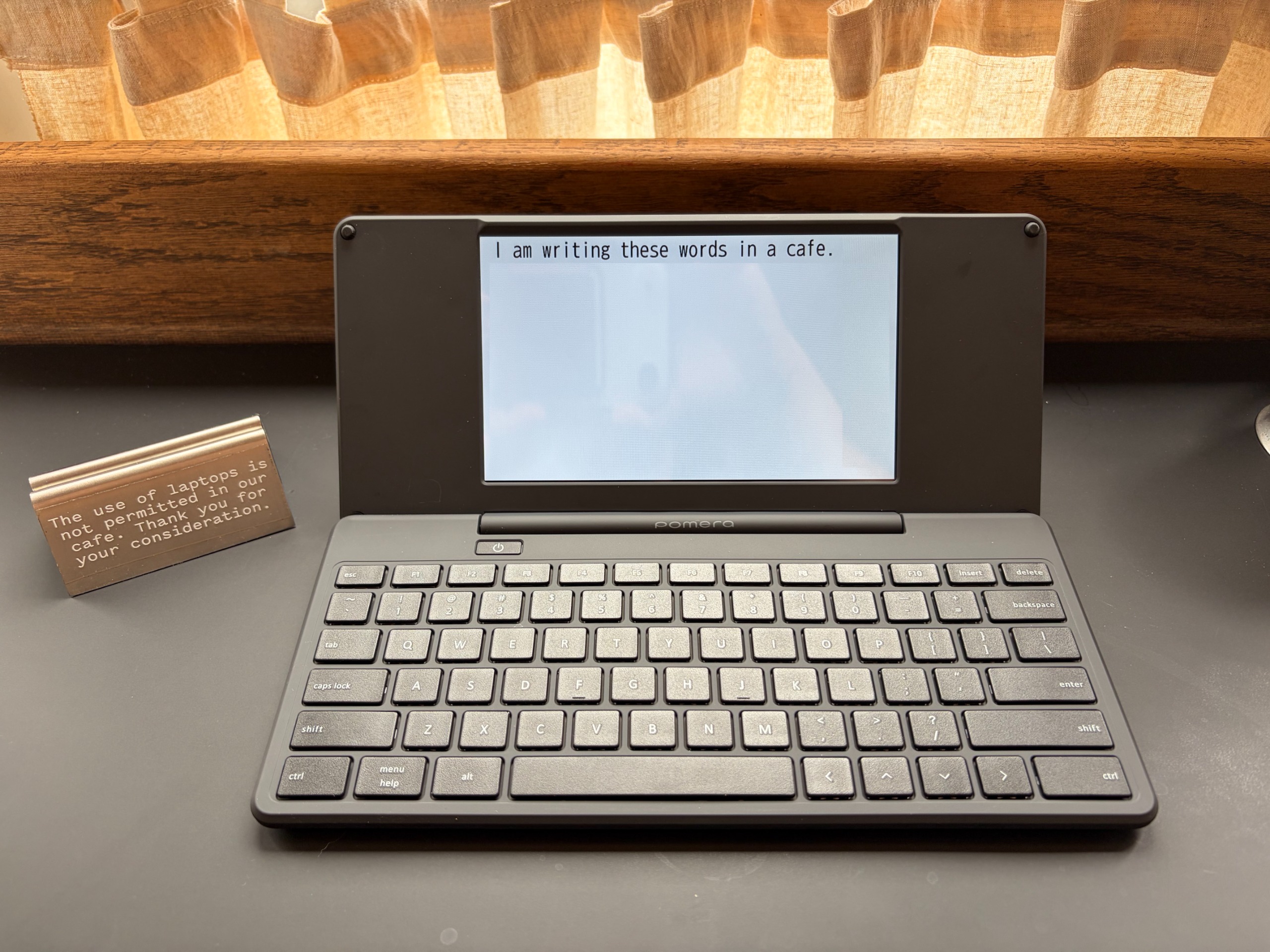
The device’s reliance on QR codes and email for file transfer is a deliberate design choice that forces the user to move their work from the "creative space" to the "editing space." By creating this friction in the workflow, the DM250 ensures that the user is not tempted to perform light editing or administrative tasks while in the middle of a drafting session.
Industry Impact and Future Outlook
The success of the Pomera DM250 suggests that the hardware market is moving toward greater specialization. As general-purpose computers become more bloated with AI-integrated tools and background monitoring, the demand for "static" devices that do one thing exceptionally well is expected to grow.
While it is unlikely that such devices will replace the laptop in the mainstream, their impact on the design of professional workspaces is notable. Large organizations are beginning to recognize the value of "focus hardware" in improving employee output. If the trend of remote and hybrid work continues to dominate, the need for specialized, portable tools that facilitate high-quality output will likely attract more manufacturers to the space.
Conclusion: Is the Investment Justified?
For the average consumer, the Pomera DM250 represents a significant investment in a device that offers fewer features than a modern smartphone. However, for those whose livelihood depends on sustained attention and the generation of long-form text, the value proposition is clear. By removing the ability to "check in" with the digital world, the DM250 acts as a physical gatekeeper, preserving the user’s focus.
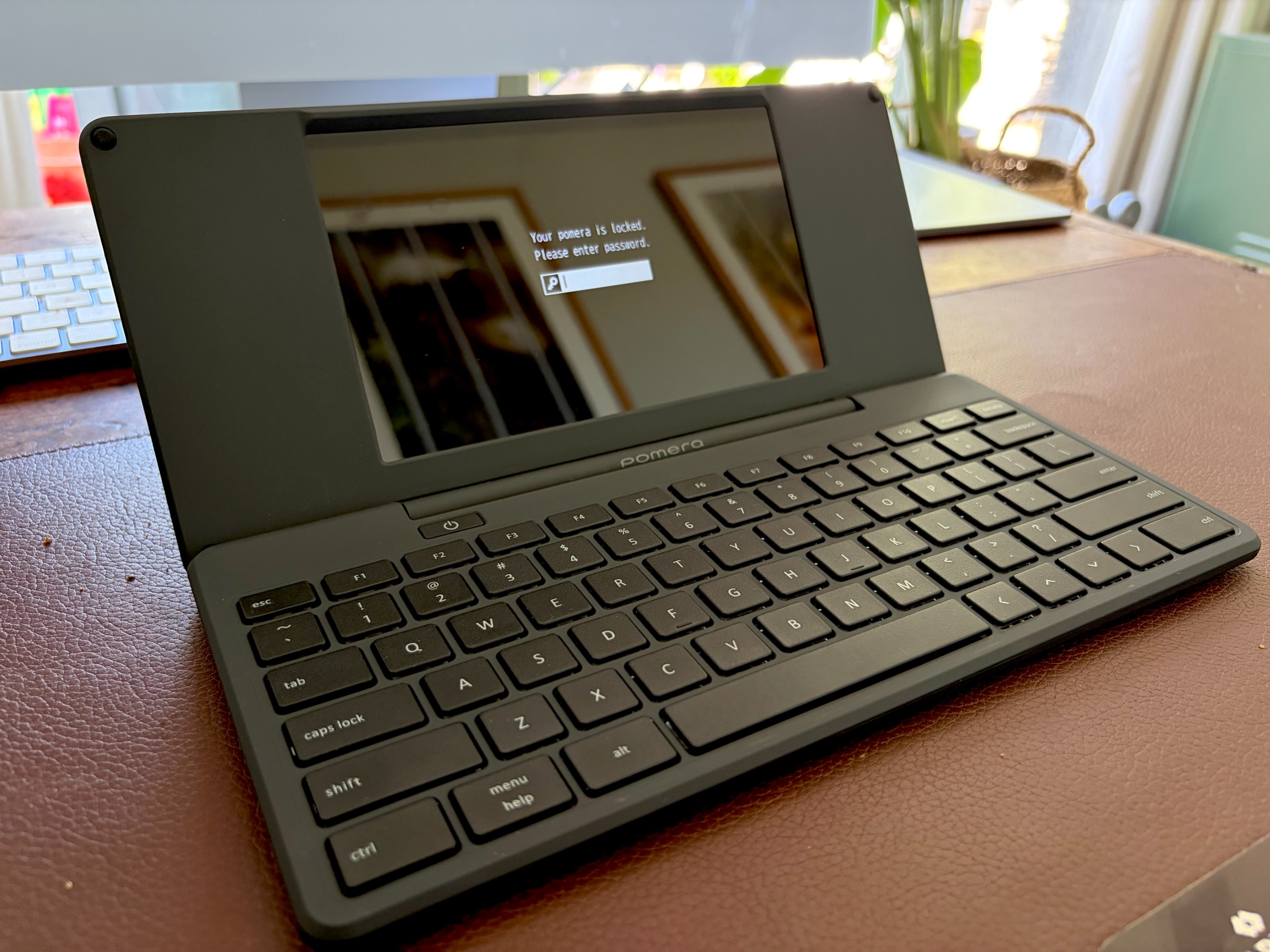
The DM250 is a testament to the idea that in a world of infinite connectivity, the most powerful tool is often the one that does the least. As technology continues to advance, the appreciation for hardware that encourages silence, isolation, and uninterrupted creative flow is likely to remain a potent force in the consumer electronics landscape. Whether the Pomera DM250 becomes a standard tool or remains a sophisticated niche product, it has successfully established a new benchmark for how we define productivity in the digital age.