The Most Viral TikTok Songs and Sounds of October 2026 and How They Are Shaping Digital Engagement

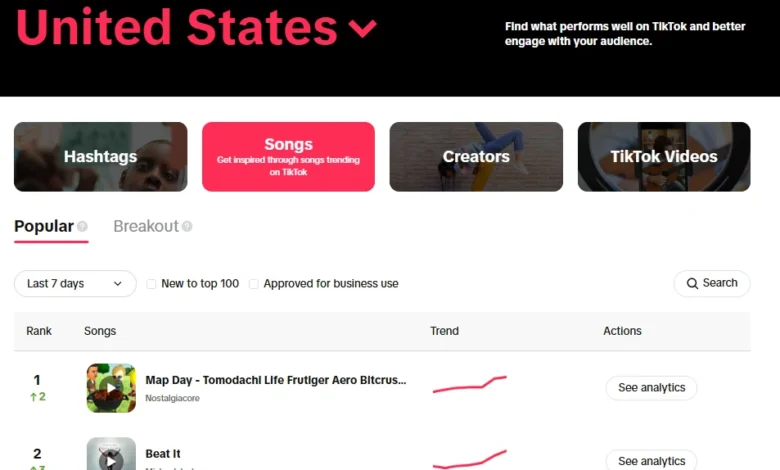
The digital soundscape of TikTok has become the primary engine for viral content discovery in 2026, with audio trends serving as a critical metric for platform reach and audience retention. As of October 2026, the intersection of music discovery and algorithmic behavior has created a high-stakes environment for content creators and brands. Data indicates that videos utilizing trending audio tracks receive, on average, 40 percent more engagement than those relying on original, non-trending audio. This phenomenon is driven by the TikTok algorithm’s propensity to group content based on shared sound files, effectively creating a feedback loop that rewards users who capitalize on emerging audio trends during their peak momentum phase.
The Mechanism of Viral Audio
The mechanics of TikTok’s "For You" page (FYP) are fundamentally tied to the platform’s audio library. When a sound gains traction—often through a specific choreography, comedic timing, or transition—the algorithm identifies a surge in watch time associated with that audio. By testing subsequent videos featuring the same sound, the system determines whether the user’s interest lies in the visual content or the audio itself. If the audio is the primary driver of engagement, the algorithm prioritizes that track, propelling it into a viral state.
For brands and marketing professionals, this represents an opportunity to bypass the traditional hurdles of organic reach. By aligning branded content with established audio trends, businesses can tap into pre-existing user interest, significantly reducing the "discovery time" for new posts. However, this strategy requires agility; trending audio often has a lifecycle of two to three weeks before reaching saturation.
Chronology of October 2026 Trends
The audio landscape for October 2026 has been heavily influenced by seasonal transitions, specifically the shift toward Halloween and the "spooky season" aesthetic.
Early in the month, the "Ramalama costume walk" emerged, utilizing Róisín Murphy’s Ramalama (Bang Bang). The trend follows a simple structural format: a low-angle camera pan that mimics a runway strut, transitioning into a reveal of intricate Halloween costuming. By mid-month, this sound had been incorporated into over 1.2 million videos, according to platform analytics.
Simultaneously, the platform saw a rise in narrative-based audio clips. The Pretty Little Liars "A" messaging sound gained traction, as creators utilized the show’s ominous notification chime to narrate mundane or ironic daily life events. This reflects a broader shift toward "niche-narrative" trends, where historical or pop-culture references are repurposed to provide context for personal or professional updates.
Data-Driven Insights on Platform Engagement
Industry analysis confirms that the impact of trending audio extends beyond mere view counts. A study conducted by social media management firm Buffer suggests that creators who leverage trending audio—and save these sounds within organized workflows—are 25 percent more likely to maintain a consistent posting schedule. This is largely due to the reduction in creative friction; by utilizing a pre-validated audio structure, creators can focus their efforts on visual storytelling and audience interaction.
Furthermore, the "Find the Beat" challenge, featuring a slowed Jersey Club track (Wyw my sweetie), has highlighted the role of interactive, multi-person trends. These challenges, which require a level of physical coordination, have shown the highest "shareability" rate among Gen Z and Millennial demographics. Unlike static sound trends, these challenges act as social prompts, encouraging users to film content with friends, colleagues, or peers, thereby expanding the reach of the original video through social connectivity.
Navigating Commercial Music Policies
Despite the benefits of using trending sounds, legal and policy considerations remain a significant barrier for business accounts. In 2026, TikTok has continued to enforce strict compliance with its Commercial Music Library (CML). Businesses are prohibited from using copyrighted tracks that lack a commercial license. Failure to adhere to these guidelines results in immediate video muting or removal.
Marketing experts advise brands to utilize the TikTok Creative Center to verify the licensing status of any trending track. As of October 2026, the platform has expanded its royalty-free library to include more "remix-style" audio, specifically designed for commercial use. This allows brands to participate in trends without incurring copyright strikes, ensuring that their engagement strategies remain sustainable and legally compliant.
Strategic Implications for Content Creators
The trend cycle of October 2026 underscores the necessity of a "listening-first" approach to social media strategy. Creators are encouraged to:
- Monitor the Creative Center: Regularly audit the top-trending tracks to identify audio that aligns with their specific industry.
- Contextualize Trends: Rather than copying a trend verbatim, successful creators are increasingly modifying the audio context to suit their niche. For example, historical or true-crime channels have successfully adopted the "son original" eerie sound clips to narrate factual, archive-based stories.
- Draft and Schedule: Given the rapid turnover of viral audio, creators are urged to use scheduling tools to prepare content in advance. By identifying a trend early, creators can draft the accompanying video and schedule it for the peak of the audio’s popularity curve.
Broader Cultural Impact
The proliferation of these sounds suggests that the "audio-first" experience is no longer an optional feature of digital media but its core architecture. Audio trends act as a universal language, transcending linguistic and geographic barriers. A track that gains popularity in a specific region can, within 48 hours, become a global trend due to the nature of the FYP algorithm.
This democratization of influence means that a single user with a creative idea can set the tone for millions of interactions. As we move into the final quarter of 2026, the expectation for brands is clear: to remain relevant, they must move at the speed of sound. This requires a shift from traditional, long-form content planning to a more reactive, trend-aware model that prioritizes agility and cultural relevance.
Future Outlook
As the platform continues to iterate on its algorithm, the focus is expected to shift toward "contextual audio." This involves AI-driven suggestions that pair audio not just with user interest, but with the visual elements detected in the video itself. For the remainder of 2026, the focus will likely remain on high-energy, seasonal, and interactive audio clips that facilitate community participation.
Ultimately, the ability to identify and interpret these trends is a skill that will define the success of digital marketing campaigns in the coming year. Whether through the nostalgic pull of an early 2000s hit or the immediate, punchy humor of a trending soundbite, the effective use of audio remains the most potent tool in a creator’s arsenal. By bookmarking high-potential sounds and maintaining a repository of creative ideas, businesses can ensure they are not merely observers of these digital moments, but active participants in the cultural conversations that define the platform.