Oscar Spotlight: Anna Mantzaris explores the beauty of human awkwardness in the animated short Please

The landscape of contemporary stop-motion animation is currently defined by a delicate balance between technical precision and raw emotional vulnerability. Among the standout contenders for the 2027 Academy Awards in the Best Animated Short Film category is Please, a poignant, masterfully crafted work by Swedish director Anna Mantzaris. Having already secured its eligibility through a prestigious win at the Nordisk Panorama film festival, where it was honored with the Best Nordic Short Film award, the film has emerged as a critical darling. Produced as a massive multinational collaboration between Sweden, France, the Czech Republic, Norway, and Finland via Apparat Filmproduktion, Please represents a sophisticated evolution in the career of a filmmaker already noted for her previous explorations of social friction in Enough and Good Intentions.

The Creative Genesis of Please
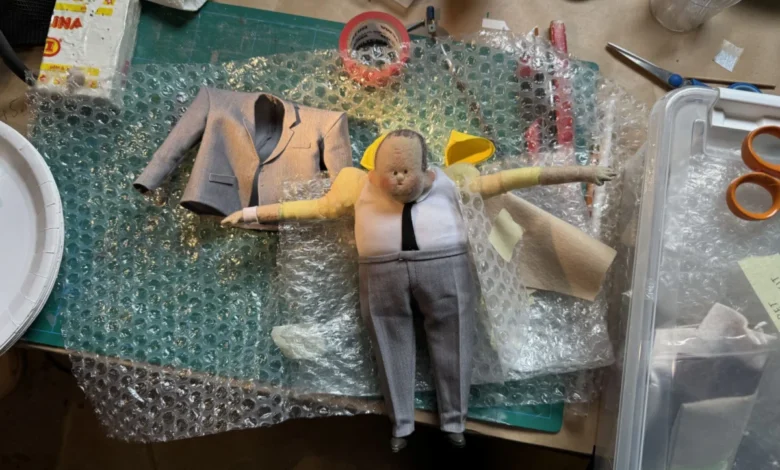
The conceptual framework for Please centers on the universal, often painful human pursuit of intimacy and acceptance. Rather than adhering to the polished, aspirational narratives frequently found in mainstream animation, Mantzaris pivots toward the "unwanted" facets of the human condition: neediness, social anxiety, and the quiet desperation of not feeling seen. By utilizing the tactile, inherently imperfect medium of felt-based stop-motion, Mantzaris creates a visual environment that mirrors the internal fragility of her characters.
The film is structured as a series of loosely connected vignettes. These scenes depict individuals navigating social interactions that are characterized by profound awkwardness. By stripping away the performative layers of daily life, the director invites the audience to confront the "pathetic" aspects of their own existence—urges that modern self-improvement culture often encourages individuals to bury.

A Multinational Production Logistics
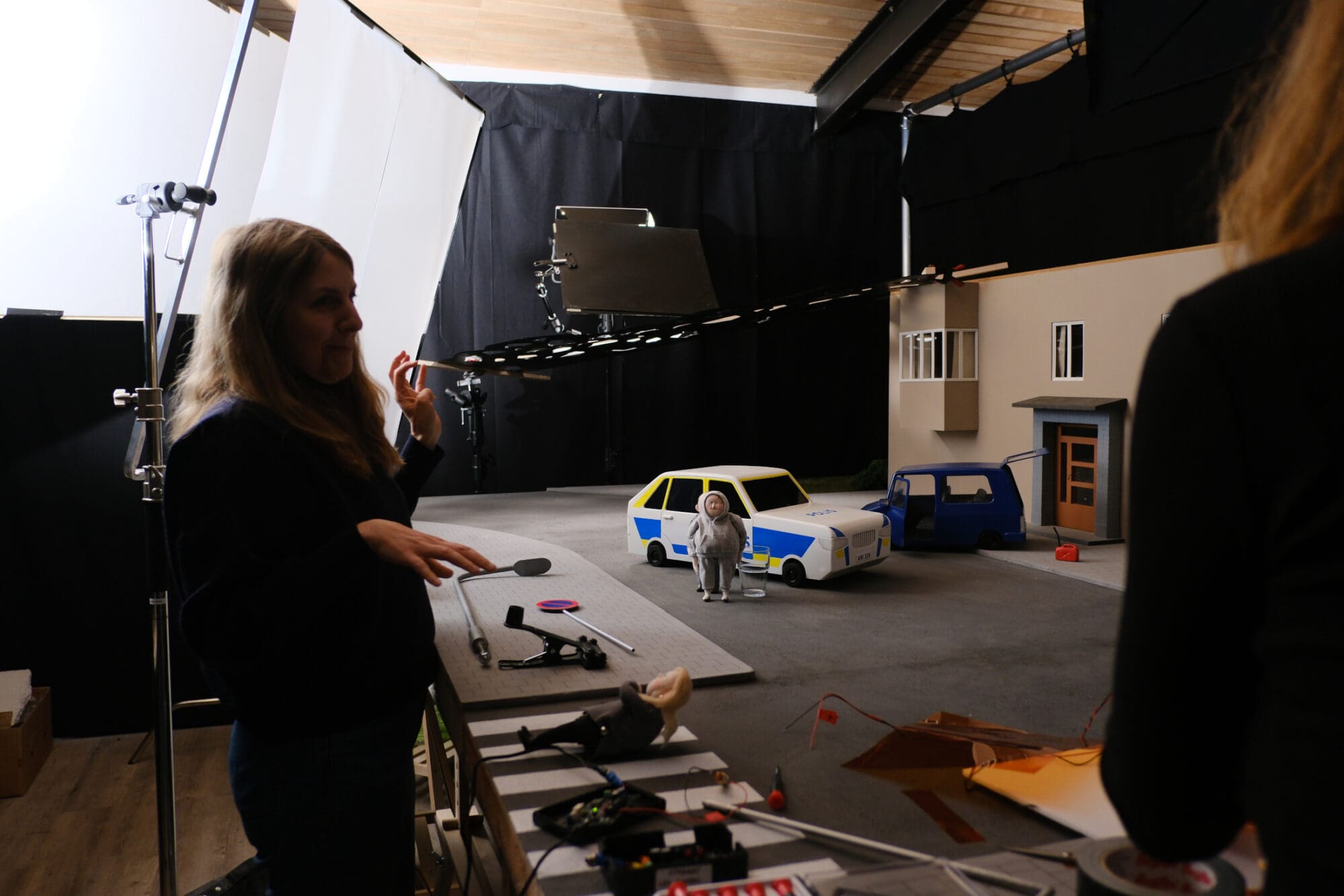
The production of Please was as complex as the emotional landscape it portrays. Spanning five countries—Sweden, France, the Czech Republic, Norway, and Finland—the project necessitated a highly disciplined approach to remote direction. For Mantzaris, this was a departure from her typical hands-on, on-set methodology.
"This was my first international co-production," Mantzaris explains. "With the film being built and shot in three different countries, I did a lot of directing from a distance. I learned that I prefer to be on set, but I also learned how to be clear as a director, how to communicate what I want without being in that room, and how not to lose my vision for the film while also being open to input from my coworkers."

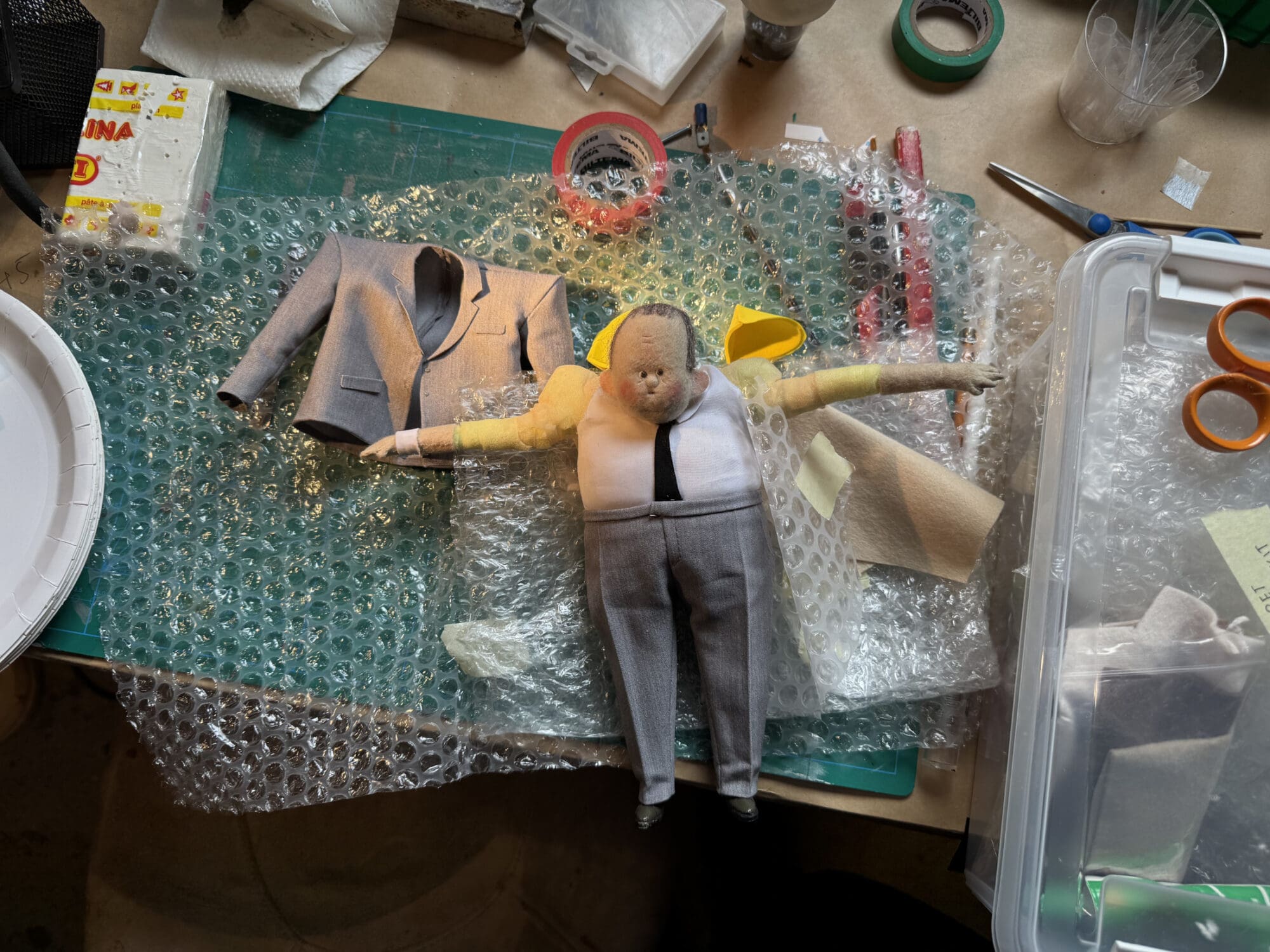
This logistical challenge did not, however, lead to a dilution of the visual style. On the contrary, the necessity of remote collaboration forced a sharper focus on the essential components of the character animation. Mantzaris deliberately sought to refine the "felt-specialist" aesthetic she is known for, aiming for a heightened level of detail in the character movements and environmental textures while maintaining the minimalist, illustrative quality that makes her work recognizable.
Contextualizing the Stop-Motion Renaissance
The recognition of Please by the Academy of Motion Picture Arts and Sciences arrives during a period of significant revitalization for stop-motion animation. Industry data indicates a steady increase in the production of high-quality, independent stop-motion features and shorts, fueled by a resurgence in audience demand for the "handmade" quality that digital animation often lacks.

The Academy’s inclusion of films like Please in the qualifying pool highlights the shifting criteria for the Animated Short Film category. The Academy typically accepts films that have achieved success through specific conduits: winning a qualifying award at a major festival, completing a theatrical exhibition, or securing a Student Academy Award. Please fits firmly into the category of festival-validated excellence. Its success at Nordisk Panorama serves as a testament to its technical execution and its ability to transcend cultural barriers, despite being a production that spans diverse European creative hubs.
Analysis: The Psychology of the Puppet
One of the most compelling aspects of Mantzaris’s work is the empathetic distance she maintains. In Please, the characters are not subjects of ridicule; they are avatars for human experiences that are rarely articulated. The use of puppets—objects that are inherently inanimate—allows for a level of physical performance that can be more evocative than live-action counterparts.
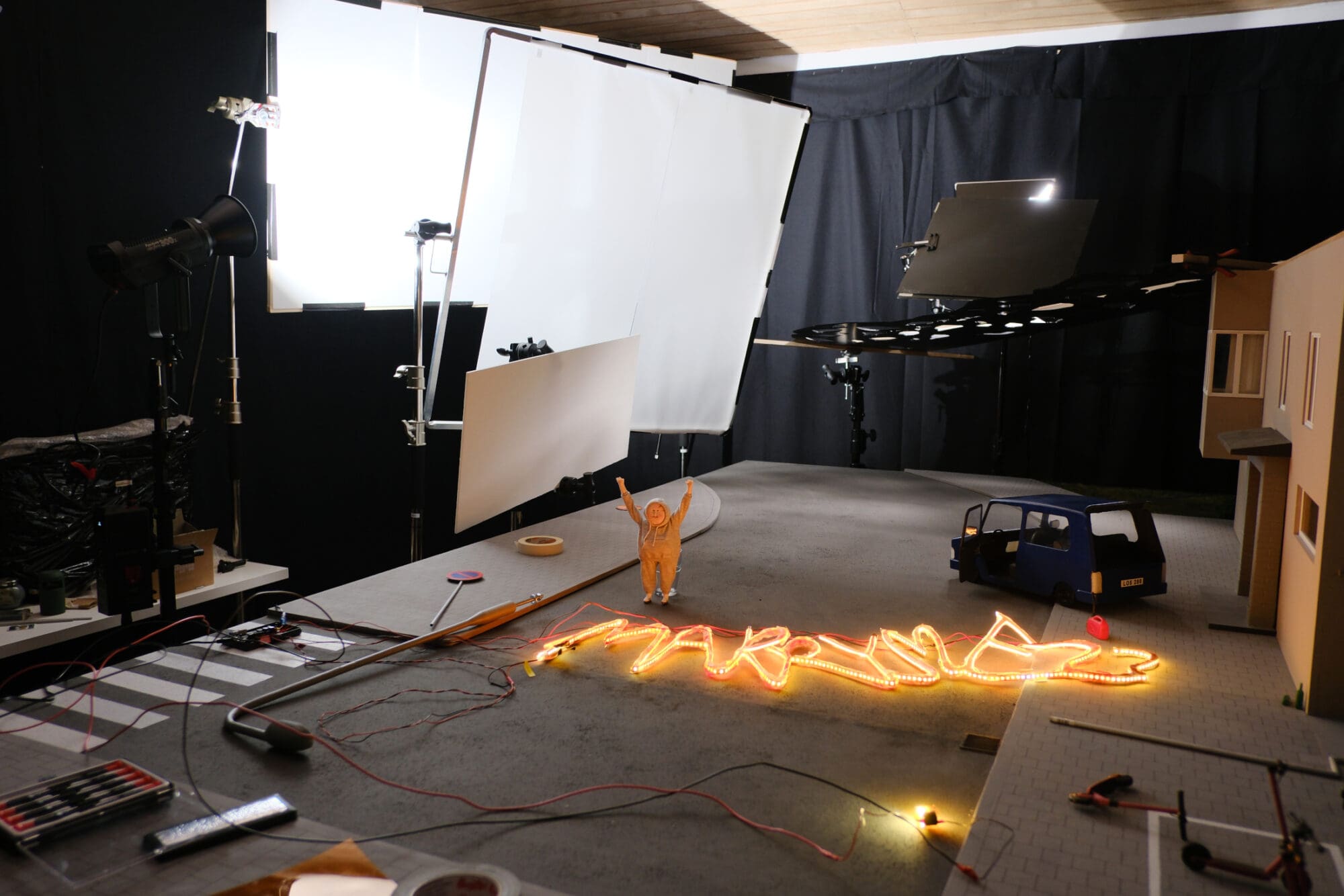
"I’m interested in how we are as humans, especially our flaws and contradictions," says Mantzaris. "I’m interested in the things we feel on the inside but don’t always show to the world, the feelings and urges we are less proud of but can all relate to. In a way, I’m letting the puppets do those things for us."
From a critical standpoint, the film succeeds because it rejects the "uncanny valley" in favor of an abstract, relatable aesthetic. The characters in Please are simplified, but their emotional resonance is complex. This stylistic choice is a deliberate attempt to give the viewer space to breathe, allowing the subtleties of the puppets’ movements to carry the narrative weight.
The Broader Impact on the Industry
The success of Please signals a broader trend within the animation industry: the rise of the "auteur-producer." By managing a massive co-production while maintaining a distinct, personal visual language, Mantzaris represents a new wave of directors who are comfortable navigating both the artistic requirements of their craft and the logistical complexities of international financing and production.
The implications for the 2027 Oscar race are significant. As voting members look for films that offer a unique perspective on the human condition, the emotional depth of Please positions it as a strong contender. The film does not rely on high-octane action or complex lore; instead, it relies on the quiet, devastatingly accurate observation of human interaction. This "less is more" approach is increasingly influential in the industry, suggesting that the future of award-winning animation may lie in the intimate rather than the grand.
Timeline and Eligibility
- Project Inception: Development of the thematic concept focusing on human flaws and the struggle for intimacy.
- Production Phase: Multinational collaboration involving teams in Sweden, France, the Czech Republic, Norway, and Finland.
- Festival Run: The film’s critical breakthrough at the Nordisk Panorama film festival, where it secured the Best Nordic Short Film award.
- Oscar Qualification: Through its festival win, Please formally entered the 2027 Academy Award consideration pool.
- Current Status: Engaging in promotional activities and industry screenings to reach Academy voters ahead of the nomination phase.
Conclusion
As Please continues its run through the awards circuit, it stands as a prime example of how short-form animation can effectively address complex psychological themes. Anna Mantzaris has managed to translate the discomfort of social awkwardness into a form that is not only palatable but deeply moving. Whether or not it secures the final Oscar statue, the film has already achieved the primary goal of any artistic endeavor: it has sparked a conversation about the parts of ourselves we are often afraid to show. In the high-stakes environment of the Academy Awards, Please reminds us that the most profound stories are often the ones that are whispered, not shouted.