Stay informed with free updates: A look at the week’s top animation industry developments and leadership shifts

The landscape of the animation industry is currently undergoing a period of significant transition, marked by high-profile executive restructuring, ongoing debates regarding the integration of artificial intelligence in artistic production, and the performance of independent feature films in a crowded theatrical market. As of early November 2026, major studios and independent creators alike are navigating a complex intersection of technological disruption and institutional leadership changes that promise to shape the next decade of content creation.
Leadership Transitions at Pixar Animation Studios
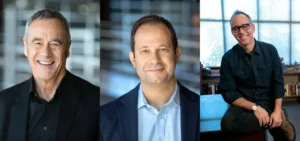
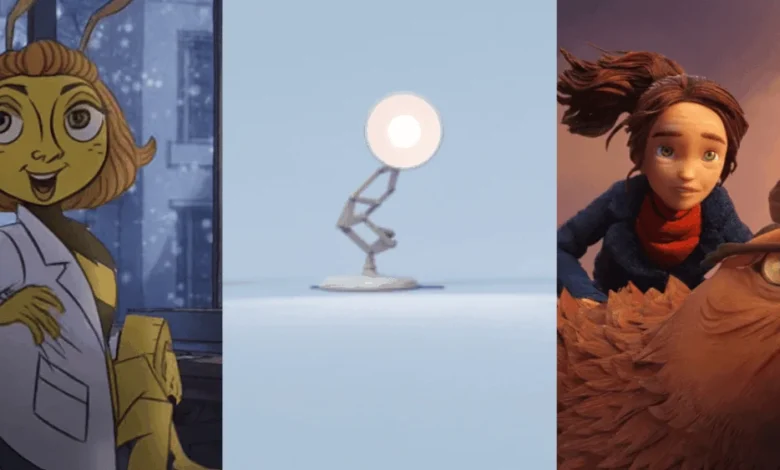
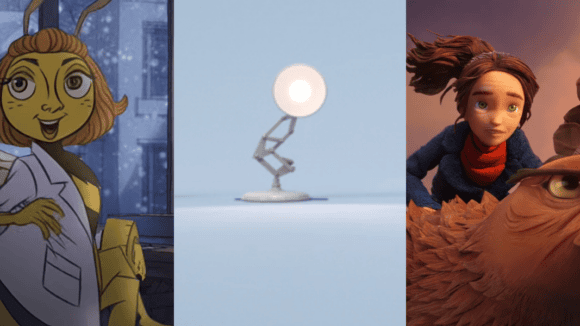
One of the most consequential developments in the animation sector this week is the official announcement of a leadership transition at Pixar Animation Studios. Jonathan Garson has been tapped to succeed long-time president Jim Morris. Morris, a veteran of the industry whose tenure oversaw several of the studio’s most commercially successful and critically acclaimed projects, has been a stabilizing force during periods of creative evolution at the Emeryville-based powerhouse.
Garson, who steps into the role with significant institutional knowledge, faces the challenge of maintaining Pixar’s legacy of innovation while adapting to an industry environment increasingly defined by platform-specific content demands and the resurgence of the theatrical box office. Simultaneously, Jonas Rivera—an Oscar-winning producer known for his work on Inside Out and Toy Story—is set to assume a broader creative role within the organization. This strategic pivot is widely viewed by industry analysts as an attempt by parent company Disney to double down on the studio’s core creative identity. The transition comes at a time when Pixar is looking to solidify its footing following a series of experimental distribution strategies over the past three years.

The Debate Over AI and Traditional Craft
Parallel to these corporate shifts, the industry continues to grapple with the ethical and technical implications of artificial intelligence. A recent controversy involving an advertisement produced for the luxury fashion house Dior, originally attributed to the renowned animator Sylvain Chomet, has sparked a firestorm of discussion regarding the definition of "hand-drawn" animation.
The campaign, which initially drew praise for its stylistic echoes of Chomet’s distinctive, whimsical aesthetic, faced immediate scrutiny from the animation community once viewers identified visual inconsistencies and artifacts characteristic of generative AI. Cartoon Brew, which had previously covered the project, has since issued a formal correction and apology for the initial mischaracterization of the work as purely hand-drawn.
This incident serves as a bellwether for a larger, ongoing conflict within the creative arts: the tension between automated efficiency and the labor-intensive nature of traditional animation. Neither Dior nor Chomet have provided a comprehensive technical breakdown of the production process, leaving a vacuum of information that has fueled speculation. For studios and agencies, this highlights an urgent need for transparency in production credits. As the industry evolves, the distinction between "AI-assisted" and "hand-crafted" is becoming not just a matter of marketing, but a central issue of labor rights, artistic integrity, and intellectual property protection.
Box Office Performance and Market Trends
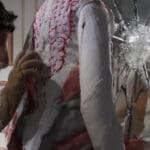
In the theatrical sphere, the stop-motion feature Wildwood is demonstrating noteworthy resilience. Now entering its third weekend, the film has reached a domestic gross of $32.8 million. Market analysts tracking the film’s trajectory suggest that it is on a stable path toward the $40 million mark. While these figures may not rival the massive opening weekends of major franchise tentpoles, the film’s steady performance is being cited as a positive indicator for independent and non-traditional animation.

The success of Wildwood in a competitive environment—shared with high-budget studio blockbusters—suggests a persistent appetite for unique, tactile animation styles. The film’s ability to retain its audience into its third week reflects effective word-of-mouth marketing and a clear differentiation from the digital-heavy aesthetic that has dominated the medium for two decades.
Industry Dialogues: The MIA Market and Beyond
The discourse surrounding the future of animation was further enriched by proceedings at Rome’s MIA Market, a crucial hub for international co-production. Conversations at the event were dominated by two primary concerns: the difficulty of reaching fractured, platform-dependent audiences and the tightening of financing pipelines for independent animation.

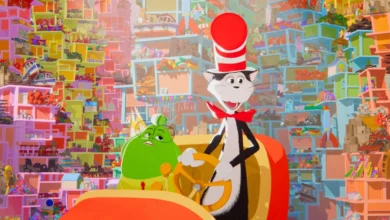
Producers, directors, and financiers at the market emphasized that the "golden age of streaming" has given way to a more cautious investment climate. The consensus among participants is that mid-budget animation projects now require more robust international pre-sales and a more clearly defined theatrical-to-streaming roadmap to secure funding. Discussions also touched upon the practical realities of directing for new formats, as evidenced by conversations with the creative teams behind The Cat in the Hat and Back to Tomioka. These directors highlighted the creative necessity of balancing source material fidelity with the visual language required by modern, cross-platform audiences.
Cultural Intersection: The Unlikely Intersection of Politics and Anime
In a surprising intersection of pop culture and political news, the recent U.S. election cycle has brought an unusual spotlight to the soundtrack of Dragon Ball Z. It was noted this week that the newly elected Texas Attorney General, Nathan Johnson, has a background as a composer, specifically having contributed to the iconic score of the Dragon Ball Z series. This fact has circulated widely, serving as a reminder of how deeply embedded anime culture has become in the professional lives of individuals across various sectors of society.

Broader Implications and Future Outlook
The events of the past week underscore a volatile, yet opportunistic, climate for the animation industry. The transition at Pixar suggests that established studios are prioritizing a return to creative roots even as they adapt to new leadership paradigms. Meanwhile, the ongoing AI debate indicates that the "technological disruption" phase of the industry is far from over, and that professional organizations and trade publications must exercise heightened vigilance regarding how content is created and marketed.
Looking forward, the industry’s focus will likely remain on three pillars:
- Structural Integrity: How leadership changes at major studios like Pixar impact long-term creative output.
- Technical Transparency: The development of industry-wide standards for the disclosure of generative AI in professional animation pipelines.
- Market Sustainability: The ability of independent films like Wildwood to sustain mid-tier profitability in an era that favors either micro-budget indie projects or multi-hundred-million-dollar global spectacles.
As the industry moves toward the close of the year, the combination of high-stakes personnel shifts and the ongoing dialogue about the soul of the medium suggests that the animation sector is undergoing a necessary, if sometimes painful, maturation process. The focus on financing and audience engagement at forums like the MIA Market further confirms that, regardless of the tools used to create content, the fundamental challenge of connecting art with an audience remains the primary objective for creators and executives alike.
Related posts: