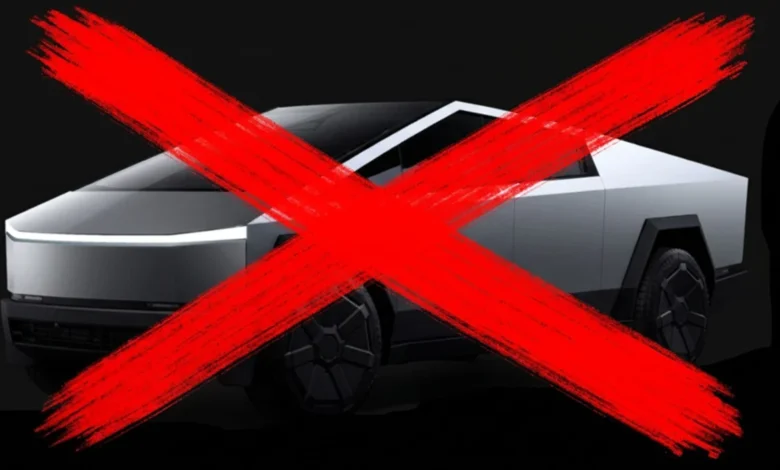
A Chronology of the Cybertruck Era
The Cybertruck was first unveiled in November 2019 at a high-profile event in Hawthorne, California. At the time, Elon Musk promised a vehicle that would redefine the pickup truck segment, emphasizing its cold-rolled stainless steel exoskeleton and unconventional, angular geometry. The debut was marred by a now-infamous demonstration where the "armor glass" windows shattered upon impact, setting a precedent for the public’s skepticism regarding the vehicle’s durability and build quality.
Following the reveal, the project faced multiple delays. Initially expected to reach customers by 2021, the vehicle did not enter series production until late 2023. During this interim period, the company underwent significant manufacturing challenges. Scaling the production of an ultra-hard 30X cold-rolled stainless steel body required proprietary fabrication techniques, including specialized laser cutting and bending machinery, which proved difficult to integrate into standard automotive assembly lines.
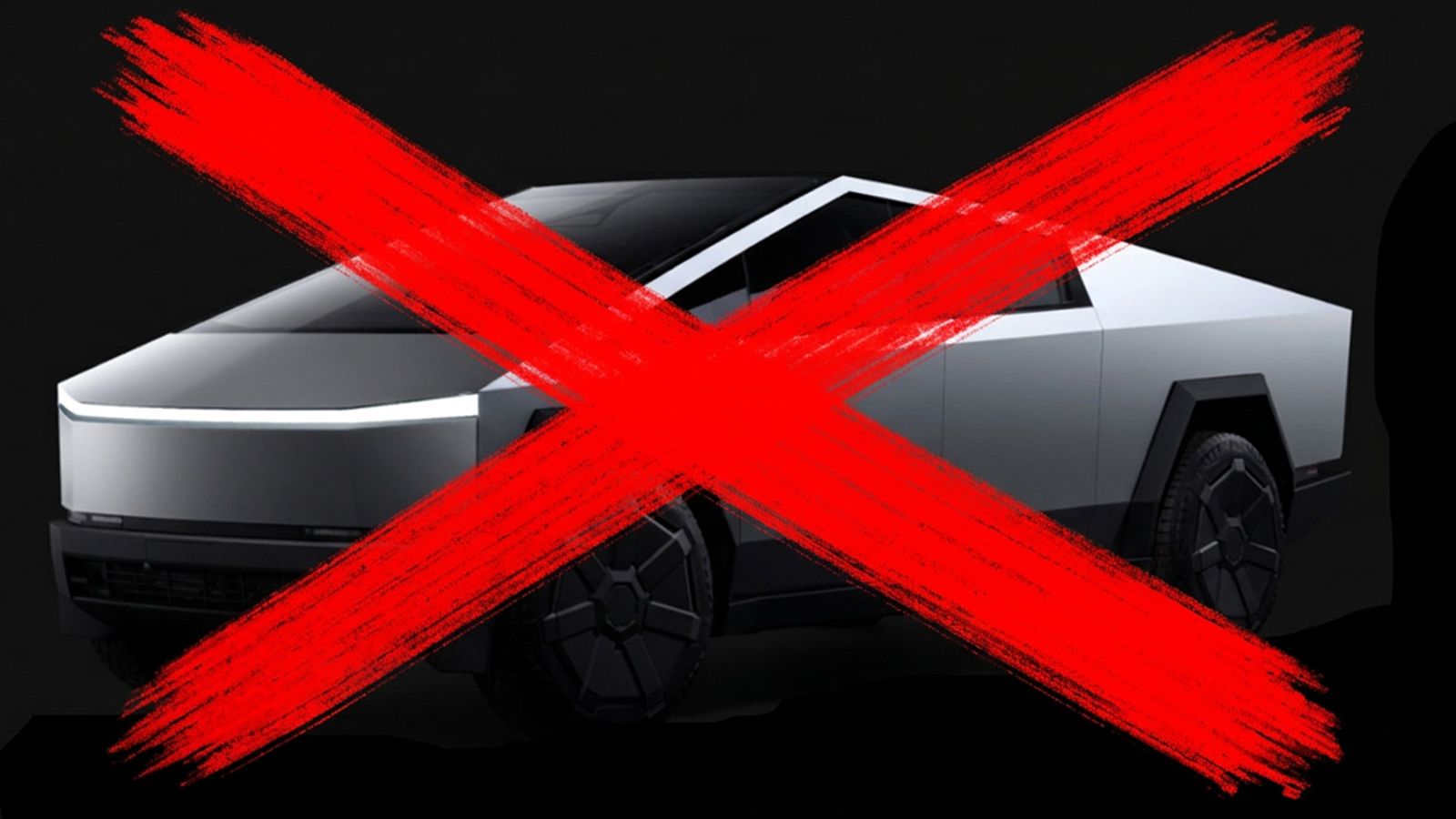
By 2025, the vehicle’s market performance began to reflect a disconnect between its aggressive design language and consumer utility. According to data provided by Kelley Blue Book and market analysts, US sales for the Cybertruck reached 20,237 units in 2025, representing a 48% decline compared to the previous year. This downward trend, combined with the emergence of high-performance electric trucks from legacy automakers like Ford and Chevrolet, eroded Tesla’s early-mover advantage in the electric pickup space.
Engineering Challenges and Design Criticisms
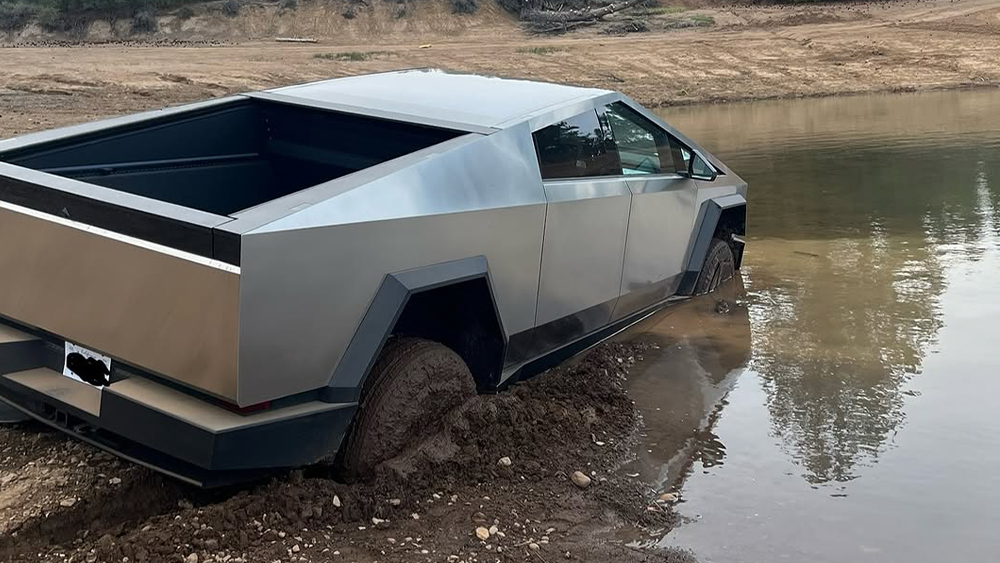
The Cybertruck’s design choices—intended to prioritize durability and aesthetic defiance—frequently resulted in functional complications. Throughout its lifecycle, the vehicle was subject to multiple recalls and public reports of quality control issues. Key areas of concern included the vehicle’s braking and steering systems, which required software and mechanical adjustments after launch.
Furthermore, the vehicle’s reliance on a singular, massive windshield wiper system became a point of contention for both safety experts and users, who cited visibility concerns in inclement weather. Additionally, the stainless steel exterior, while resistant to certain types of environmental damage, proved difficult to maintain, with reports of corrosion and panel alignment issues surfacing within months of delivery.
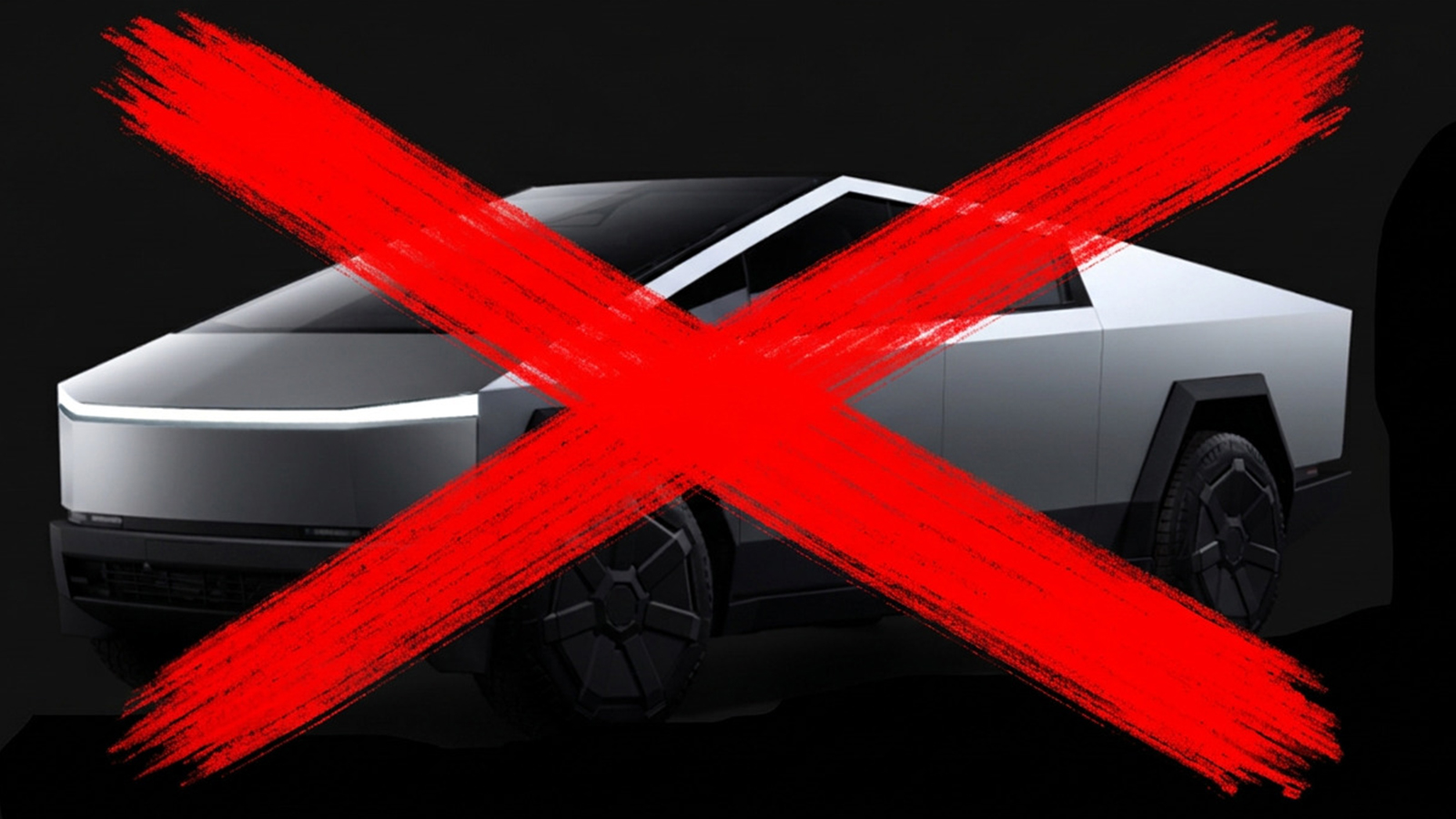
The vehicle’s physical dimensions and weight also presented significant regulatory challenges. Its lack of a crumple zone, inherent in its rigid, steel-heavy construction, led to significant hurdles in international markets, particularly within the European Union. Stricter pedestrian safety regulations in Europe effectively barred the Cybertruck from mass-market distribution, limiting its footprint primarily to North American consumers.
The Pivot to Autonomy
The decision to repurpose the Texas Gigafactory serves as a definitive signal of Tesla’s shift in corporate priority. Under the leadership of Elon Musk, the company is reallocating capital and engineering resources toward the development of the Cybercab, a purpose-built, two-seat autonomous taxi. This shift reflects a broader industry trend toward "Robotaxis" and away from private ownership models, as Tesla seeks to dominate the future of autonomous transportation services.
The transition is not merely a change in product, but a fundamental pivot in business model. Where the Cybertruck was marketed as an aspirational, high-performance consumer good, the Cybercab is designed as a fleet asset. The infrastructure required for this transition—including advanced AI training, lidar-less vision systems, and proprietary software stacks—demands significant floor space and specialized assembly capacity, which the Texas facility is uniquely positioned to provide.
Market Analysis and Broader Implications
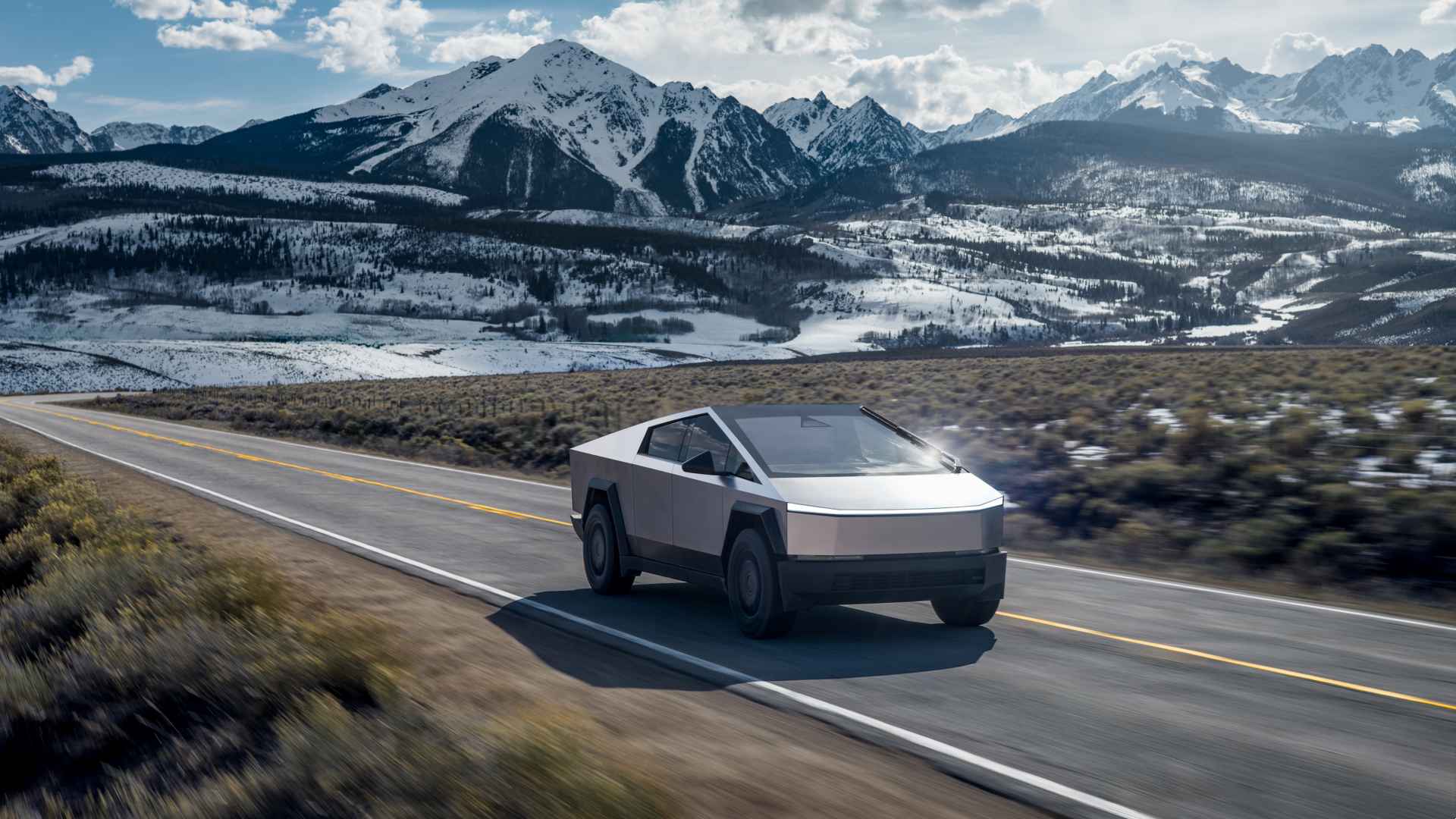
The exit of the Cybertruck from the production schedule carries several implications for the electric vehicle (EV) market. First, it highlights the limits of experimental design in the automotive sector. While the Cybertruck succeeded in generating unprecedented brand awareness and social media engagement, it struggled to convert that visibility into long-term market sustainability. Analysts note that while "disruptive design" can capture initial interest, the automotive industry remains heavily dependent on economies of scale and reliability—factors that the Cybertruck’s highly specialized, difficult-to-manufacture frame struggled to satisfy.
Second, the move indicates a consolidation of Tesla’s manufacturing strategy. By focusing on the Cybercab, Tesla is doubling down on its "Master Plan, Part Trois," which emphasizes high-volume production of smaller, more affordable, and autonomous-ready platforms. The capital previously tied up in the tooling and supply chain logistics for the Cybertruck’s unique stainless steel body is now being directed toward the software-defined architecture of the Cybercab.
Finally, the reaction from the investment community has been mixed. Supporters of the move point to the higher margins associated with autonomous taxi services, while critics express concern over the viability of the Cybercab project, which has already faced its own series of design and regulatory delays. The move to end Cybertruck production effectively closes the door on a period defined by excess and experimentation, signaling a transition toward a more utilitarian, service-oriented future for the company.
Official Stance and Future Outlook
Tesla has maintained that the evolution of its product lineup is essential to its goal of accelerating the world’s transition to sustainable energy. Through official channels and public statements, the company frames the end of the Cybertruck era as a necessary evolution. As the Texas Gigafactory begins its transition in mid-2027, the focus will shift entirely to preparing for the mass-market deployment of its next-generation vehicles.
The legacy of the Cybertruck will likely remain a subject of debate within design and engineering circles for years to come. Whether it is viewed as a bold, if flawed, departure from automotive tradition or as a cautionary tale of prioritizing form over function, its impact on the cultural landscape is undeniable. As the industry moves forward, the lessons learned from the Cybertruck’s production cycle—specifically regarding the limitations of exotic materials and the necessity of rigorous testing—will likely inform the development of future electric platforms.
For consumers, the winding down of production suggests that the Cybertruck will remain a niche collector’s item rather than a common sight on public roads. The transition to the Cybercab era, however, remains a work in progress. With the regulatory environment for autonomous driving still evolving, Tesla’s ability to successfully shift its manufacturing focus will be the ultimate test of its agility in an increasingly competitive and scrutinized global market. The automotive industry, much like the designs that define it, continues to move rapidly toward an electrified and increasingly automated future, leaving behind the experiments that no longer fit the changing vision of the road ahead.