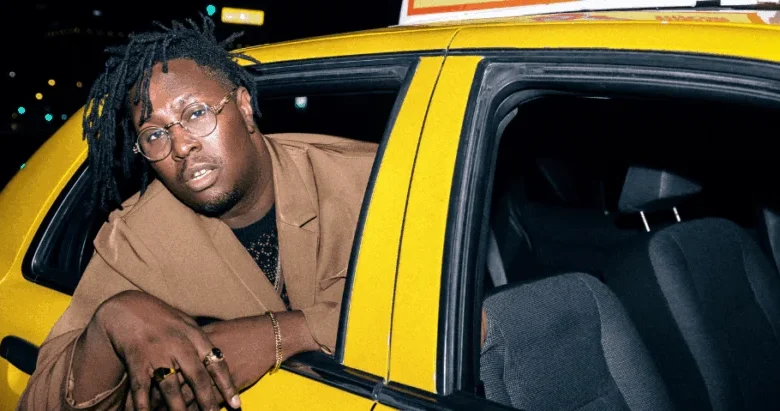
The landscape of modern dance music has long been shaped by vocalists and creative masterminds who operate predominantly behind the scenes, lending their distinct writing and vocal talents to anthems that dominate global festival mainstages and commercial charts. Among these pivotal contributors is Mike Taylor, an artist whose creative footprints are etched across some of the genre’s most enduring modern records. Best known for his evocative, Gold-certified feature on Unlike Pluto’s 2017 breakout hit "Everything Black," Taylor has spent years crafting the melodic and emotional infrastructure for other acts. Now, with the release of his new solo single "LOVE.", Taylor is pivoting back toward the center stage, claiming full ownership of his individual artistry.

In a wide-ranging, candid interview, Taylor opened up about his creative evolution, his formative years in Philadelphia, the structural hurdles facing Black and queer artists within electronic music, and the multifaceted artistic pursuits that fuel his work away from the DJ decks.

Background and the Journey to "LOVE."
Taylor’s trajectory within the music industry is characterized by a deliberate refusal to confine his artistic output to a single lane. Emerging from a vibrant cultural ecosystem in Philadelphia, he absorbed a rich lineage of soul, funk, and R&B that would eventually inform his approach to electronic production. While "Everything Black" introduced his voice to millions of dance music enthusiasts, Taylor’s creative ambitions extended far beyond vocal features.

The release of "LOVE." marks a critical juncture in his career. It serves as his first official solo offering in years, functioning not merely as a track release, but as a deliberate reclaiming of his creative narrative. For an artist who has spent considerable time building records for others, stepping forward on his own terms requires navigating an industry increasingly dominated by algorithmic categorization and rigid genre boundaries. Yet, Taylor’s recent work reflects a concerted effort to dismantle these limitations, offering a sound that bridges the gap between deep-seated soul traditions and contemporary club culture.

A Multidisciplinary Creative Ecosystem
What distinguishes Taylor from many of his contemporaries is the breadth of his creative toolkit. Rather than drawing inspiration exclusively from musical sources, Taylor channels experiences from a diverse array of artistic disciplines into his production and DJ sets.

Beyond the studio and the decks, Taylor is an accomplished visual artist, photographer, and cook with a deep appreciation for mixology. Perhaps most surprisingly, he maintains a dedicated passion for sewing and pattern-making from scratch—a tactile pursuit that serves as a meditative counterweight to the high-pressure environment of the music business.

"When your toolbag is that big, everything becomes fuel," Taylor explained during his interview. "I don’t need to write a song to get the feeling out. I can take a picture or make a jacket or cook dinner and it’s the same muscle, different part of the body."

This multidisciplinary approach directly influences his filmmaking and direction as well. Having co-directed his latest music video alongside his best friend—collaborating with rising powerhouses like Kaleena Zanders and Parson James—Taylor approaches visual media with the same meticulous precision he applies to his arrangements in software like Serato and Ableton.

Industry Realities: Genre Erasure and the Fight for Nuance
Amid the discussion of his artistic triumphs, Taylor addressed systemic challenges within the modern music industry, offering a sharp critique of how genres and artists of color are marketed and categorized. Drawing on the historical lineage of electronic music, Taylor highlighted a persistent pattern of cultural appropriation and institutional erasure.

"House and techno were created by Black, brown and queer people in Chicago, Detroit and New York, and somehow we’re not the face of it," Taylor stated. He pointed out that this cycle mirrors the historical marginalization seen in rock and roll and punk, where foundational Black innovators are frequently separated from the commercial peaks of the genres they birthed.

Furthermore, Taylor voiced frustration regarding the contemporary industry’s tendency to flatten the identities of minority artists. Rather than being evaluated as distinct individuals with unique sonic identities, Black and queer musicians are routinely subjected to reductive comparisons and forced into homogenous categories.

"The industry acts like there can only be one," Taylor noted. "If you’re a Black artist or a queer artist or sitting at any intersection, you get measured against whoever the system thinks is closest to you… I want us to get to be as nuanced as everybody else."

Chronology and Milestones
- Formative Years in Philadelphia: Immersed in the city’s rich musical heritage, drawing inspiration from legendary labels like Philadelphia International Records and Motown.
- 2017: Achieves mainstream recognition and a Gold certification for his standout vocal feature on Unlike Pluto’s viral hit "Everything Black."
- Mid-Career Pivot: Expands his creative output into multidisciplinary arts, including film direction, photography, and custom apparel design.
- Present Day: Steps back into the solo spotlight with the release of his new single "LOVE.", accompanied by visuals featuring Kaleena Zanders and Parson James.
Implications and Future Outlook
Taylor’s return with "LOVE." arrives at a fascinating inflection point for dance music. As listeners increasingly demand authenticity and cross-genre versatility, artists who refuse to pander to algorithmic constraints are carving out vital spaces for independent expression.

By prioritizing long-term artistic integrity over rapid, trend-driven visibility, Taylor is charting a deliberate course. Whether he is organizing his open-format DJ library into intricate sub-genres for real-time crowd reading, recalling humorous near-disasters with laptop power supplies on five-hour sets, or advocating for the historical recognition of Black creators in electronic music, Taylor remains anchored by a singular philosophy.

As he looks toward the future, the message is clear: Mike Taylor is done playing by the industry’s arbitrary rules. Choosing a slower, more deliberate path to self-actualization, he is positioning "LOVE." not as a reinvention, but as a long-overdue introduction to the true breadth of his artistry.