The Evolution of Orchestral Sampling and the Technological Milestone of ProjectSAM’s Lineage Series

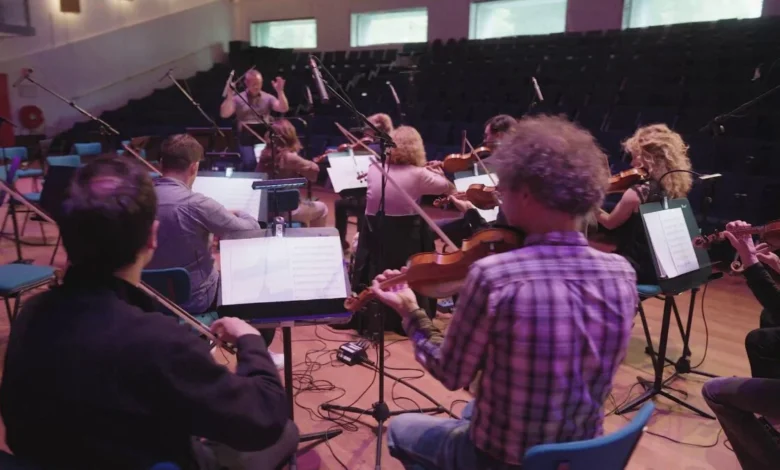
The landscape of modern film scoring and music production has been fundamentally altered by the advent of high-fidelity virtual instruments, a field where ProjectSAM has served as a primary innovator for over two decades. With the recent expansion of their groundbreaking Lineage Series from percussion into the realm of strings, the developer is signaling a new era of "intelligent" orchestration. This development coincides with the Native Instruments Big Partner Sale, a major industry event running through June 30, which offers significant discounts on hundreds of NKS-compatible instruments, including the ProjectSAM catalog. As the industry moves toward deeper integration between software and hardware, the release of Lineage Strings represents a pivotal shift in how composers bridge the gap between traditional symphonic writing and digital workflow efficiency.
The Historical Context of Orchestral Sampling
To understand the significance of the Lineage Series, one must examine the state of digital sampling at the turn of the millennium. In 2001, when ProjectSAM was founded, orchestral libraries were often criticized for being "sterile" or "dry." Most developers recorded instruments in soundproofed booths to allow users to add their own artificial reverberation later. However, this approach frequently failed to capture the natural "bloom" of an orchestra—the way sound waves interact with the physical dimensions of a concert hall.
ProjectSAM’s founders, Vincent Beijer and Maarten Spruijt, challenged this status quo by adopting an ensemble-recording philosophy. Instead of recording isolated notes in a vacuum, they captured the natural, breathing acoustic space of a hall. Their early proof-of-concept recordings with conservatory players were so sought after that the demand famously overwhelmed their school’s servers. This philosophy eventually birthed the "Symphobia" series, which became an industry standard for cinematic "out-of-the-box" sound. While Symphobia focused on pre-orchestrated ensembles for rapid sketching, the new Lineage Series represents a return to a more traditional, detailed approach, offering individual sections with a level of playability that was technically impossible twenty years ago.
The Technological Leap: From GigaSampler to Kontakt 8
The evolution of the ProjectSAM workflow mirrors the broader history of music technology. In the early 2000s, composers relied on platforms like GigaSampler, which required massive amounts of RAM and often necessitated multiple physical computers to run a full orchestra. Installations were handled via stacks of DVDs, a process that was notoriously prone to data corruption and hardware incompatibility.
By 2008, ProjectSAM made the strategic decision to focus exclusively on the Kontakt platform by Native Instruments. This move allowed the team to stop worrying about cross-platform stability and instead focus on the "under-the-hood" scripting that defines modern virtual instruments. Lineage Strings marks a new milestone as the developer’s first library built specifically for Kontakt 8. This version of the engine allows for more complex UI (User Interface) designs and more efficient data handling, enabling features like "Smart Lookahead" that would have crashed the systems of the early 2010s.
Adaptive Phrasing and the Mechanics of Smart Lookahead
One of the most significant hurdles in virtual orchestration is the "latency of realism." Real string players do not reach the peak volume of a note the instant their bow touches the string; there is a natural attack time. In a digital environment, this often results in a "lag" between the composer pressing a key and the sound reaching its full expression.
ProjectSAM’s Lineage Strings addresses this through "Adaptive Phrasing" powered by a "Smart Lookahead" delay. Under this system, the engine analyzes the incoming MIDI data with a buffer of a few hundred milliseconds. This allows the software to distinguish between a sustained note, a tenuto, or a staccato in real-time. If a composer plays a quick series of notes, the engine automatically switches to a shorter, more agile articulation. If a note is held, it transitions to a lush legato or sustain.

This technological advancement effectively reduces the need for "keyswitching"—the traditional method where composers must manually press specific keys to tell the computer which articulation to use. By automating this process, the Lineage Series allows the technology to recede into the background, letting the composer focus on the musicality of the performance rather than the technical management of the software.
The Impact of NKS and Universal Accessibility
The integration of the Native Kontrol Standard (NKS) has transformed ProjectSAM’s instruments from mere software files into tactile hardware experiences. NKS allows the parameters of a virtual instrument to be automatically mapped to the knobs, screens, and "Light Guides" of Native Instruments’ Kontrol keyboards.
For ProjectSAM, the adoption of NKS2 has been a catalyst for a major shift in accessibility. Historically, the plethora of options in high-end orchestral libraries—ranging from microphone positions to envelope filters—were largely inaccessible to the blind and visually impaired community, as these features required a mouse-driven interface. By developing Lineage Strings and Lineage Percussion with NKS2 at the forefront, the team ensured full parity between visual and tactile controls.
The implementation of the "Light Guide"—LEDs above the keyboard keys—presented unique engineering challenges. During the development of Lineage Strings, the team had to decide whether the lights should trigger when a key was physically pressed or when the "Smart Lookahead" actually triggered the sound. Through extensive beta testing with a diverse group of composers, the team refined these details to ensure the hardware provided a consistent and intuitive feedback loop, regardless of the user’s visual ability.
Intelligent Arranging: A New Tool for Orchestration
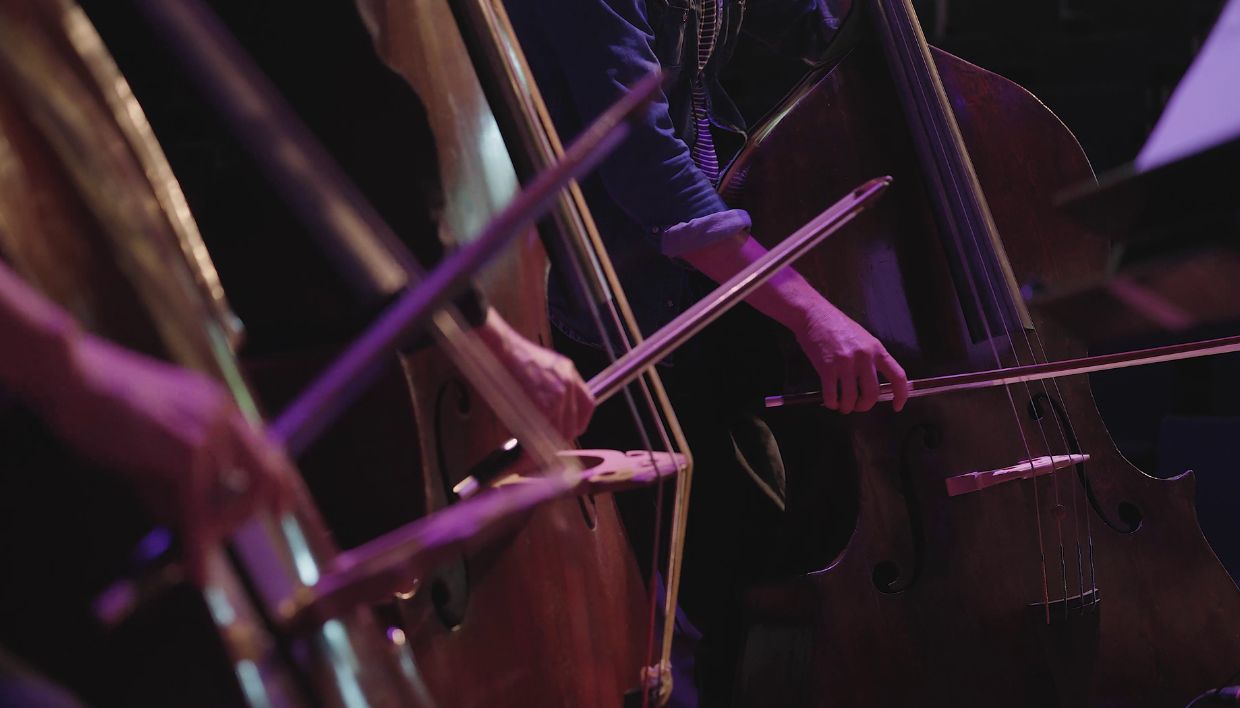
Beyond individual note performance, ProjectSAM has introduced the "Arranger" module within the Lineage Series. This tool serves as a bridge between a simple piano sketch and a fully realized five-part string arrangement. When a composer plays a chord, the Arranger module intelligently detects the root key, inversions, and slash chords. It then distributes those notes across the five sections of the string orchestra (First Violins, Second Violins, Violas, Cellos, and Basses) according to traditional orchestration principles.
This feature is particularly valuable in the fast-paced world of television and film scoring, where deadlines are often measured in hours rather than days. It provides a "realistic" distribution of voices that avoids the "keyboard-style" voicing that often betrays a track as being "sampled" rather than "live."
The Future of the Industry: AI and Machine Learning
As virtual instruments become increasingly "intelligent," the industry is debating the role of machine learning and artificial intelligence. ProjectSAM’s founders view these technologies as "powerful assistants" rather than replacements for human creativity. The primary constraint remains the "real-time" nature of music performance.
Machine learning models typically require significant processing time to analyze data, which conflicts with the low-latency requirements of a live performance. While a system can use lookahead technology to make informed decisions about the next note, it cannot truly predict the creative intent of a composer. ProjectSAM posits that the future of the industry lies in streamlining the technical "grunt work"—such as articulation management and voice distribution—while leaving the nuanced, expressive decisions firmly in the hands of the human operator.

Economic and Market Implications
The release of the Lineage Series comes at a time of consolidation and high competition in the virtual instrument market. The Native Instruments Big Partner Sale, which features ProjectSAM alongside other top-tier developers, highlights a shift toward ecosystem-based purchasing. Composers are increasingly looking for "bundles" and "standards" (like NKS) that ensure their various tools work together seamlessly.
By offering the Lineage Series as a complement to the existing Symphobia line, ProjectSAM is effectively covering both ends of the market: the "instant gratification" cinematic user and the "detailed" traditional orchestrator. This dual-pronged approach, supported by the global distribution network of Native Instruments, ensures the longevity of the developer in a crowded marketplace.
Conclusion
ProjectSAM’s Lineage Series is more than just a collection of high-quality recordings; it is a synthesis of twenty years of acoustic philosophy and cutting-edge software engineering. From the early days of "dry" samples to the current era of intelligent, NKS-integrated, hall-perspective libraries, the company has consistently pushed the boundaries of what a virtual orchestra can achieve. As the Big Partner Sale concludes on June 30, the industry will likely see a significant influx of these intelligent textures into mainstream media, further blurring the line between the virtual and the real in modern music production. For the composer, the message is clear: the technology is no longer a hurdle to overcome, but a sophisticated partner in the creative process.
Related posts: