Materiality and Memory the Architectural Evolution of Bryan Young and Young Projects

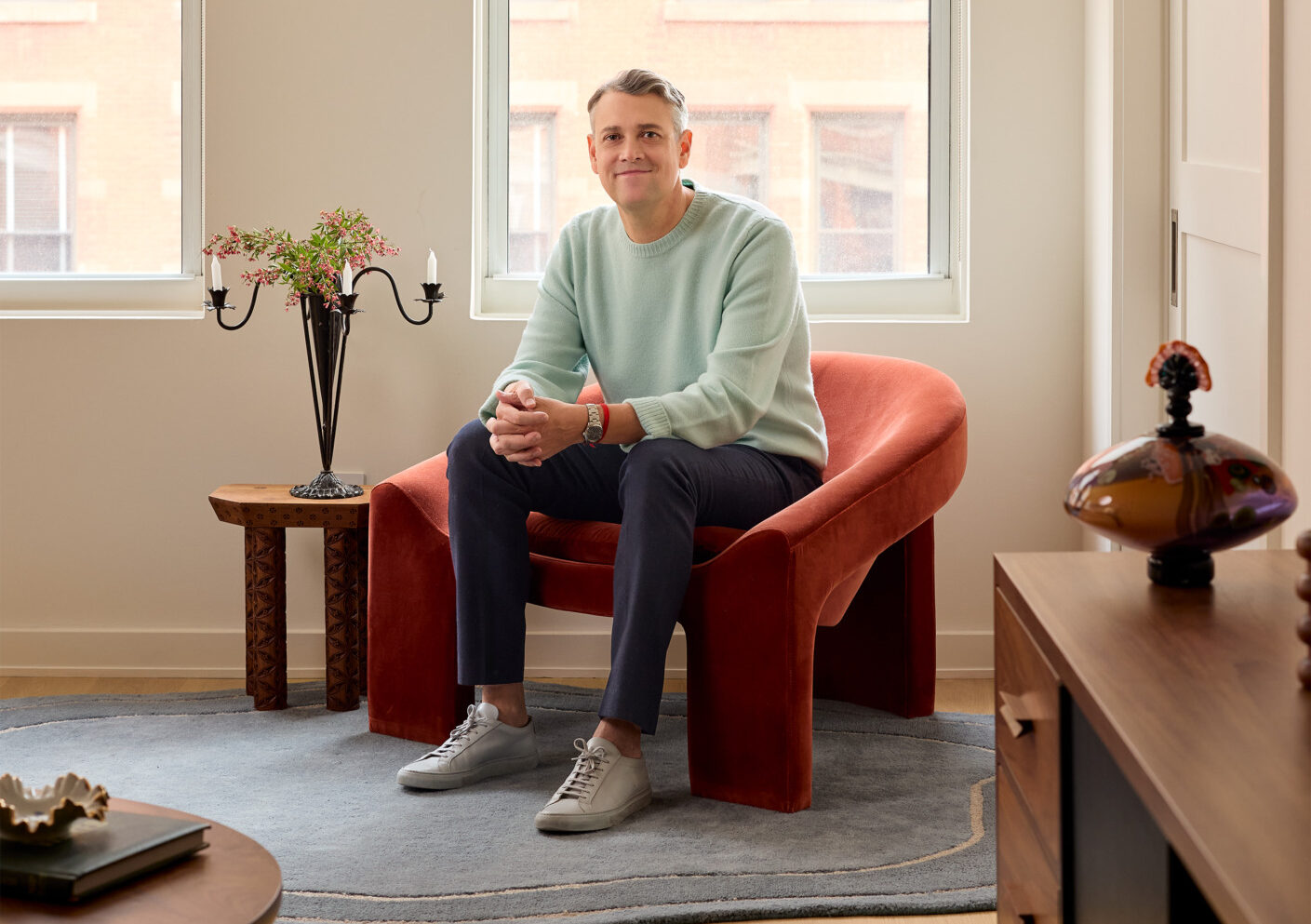
Bryan Young, the founder of the New York-based architecture and design studio Young Projects, has cultivated a career defined by a rigorous exploration of materiality, experimental fabrication, and the intersection of memory and built form. Since founding his firm in 2010, Young has positioned himself at the forefront of a movement that prioritizes the tactile and the artisanal within the framework of contemporary architectural practice. His work, which spans from residential lofts in Manhattan to sprawling retreats in the Dominican Republic, reflects a deep-seated fascination with how physical substances—be they hand-pulled plaster, encaustic tiles, or specialized ceramic glazes—can evoke psychological responses and define spatial experiences.
Formative Influences and Educational Background
Young’s architectural sensibilities were shaped early by the coastal landscapes of Southern California. Growing up in Los Angeles and spending his teenage years surfing at Black’s Beach in San Diego, he was frequently exposed to the Salk Institute for Biological Studies. Designed by Louis Kahn and completed in 1965, the Salk Institute is widely regarded as a masterpiece of modern architecture, known for its austere use of concrete, teak, and lead, and its profound relationship with the horizon of the Pacific Ocean. Young has cited the building as a primary catalyst for his interest in architecture, noting its "clarity and authenticity" as qualities that continue to inform his own design philosophy.
To formalize this interest, Young pursued a Bachelor of Architecture at the University of California, Berkeley, an institution known for its emphasis on social responsibility and environmental context in design. He later completed his graduate studies at the Harvard Graduate School of Design (GSD), where he refined his technical skills and began to experiment with the complex geometries and fabrication techniques that would become hallmarks of his professional studio.
The Founding of Young Projects and VERSO
In 2010, Young established Young Projects in New York City. The studio was built on the premise that architecture should not merely be a container for activity but an exploration of the physical processes of making. This approach often involves collaborating with artisans and craftsmen to push the boundaries of traditional materials. The studio’s portfolio is characterized by "glitches," "bleeds," and "oscillations"—terms Young uses to describe the intentional subversion of standard patterns and textures to create a sense of depth and vibration.
In addition to his architectural work, Young has maintained a significant presence in the world of interior design and collectible furniture. In 2002, he co-founded VERSO with Amauri Aguiar. Located in the Tribeca neighborhood of Manhattan, VERSO serves as a curated design gallery that bridges the gap between art and functional objects. The gallery represents a diverse roster of international designers and emphasizes bespoke pieces that challenge conventional notions of form and finish. This dual role as both architect and gallerist allows Young to engage with design at multiple scales, from the structural integrity of a building to the chemical composition of a chair’s glaze.
Architectural Case Studies: Materiality in Practice
The work of Young Projects is perhaps best exemplified by several key projects that demonstrate the firm’s ability to integrate complex fabrication with local context.
Casa Las Olas and the Glitch House, Dominican Republic
Located on a pristine, previously undeveloped site at Playa Grande, Casa Las Olas is a multi-structure retreat that balances the expansive views of the Atlantic Ocean with the density of the Dominican jungle. The primary residence, known as the Retreat House, features a roof composed of 160 unique scissor trusses. These trusses shift and rotate, mimicking the undulating geometry of the jungle canopy. This structural complexity allows the building to navigate the site’s topography without disrupting the existing vegetation.
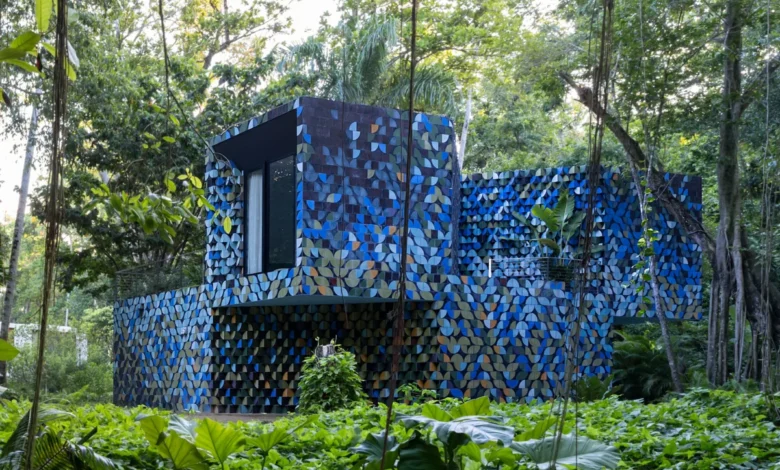
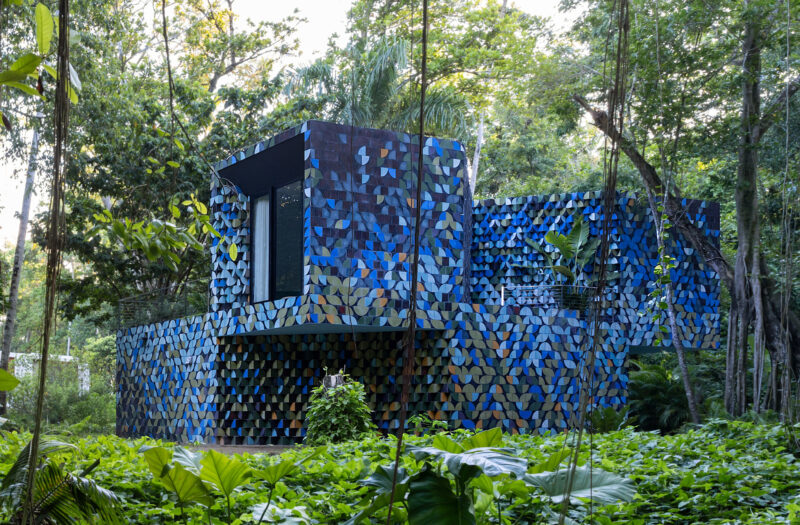
Nearby, the Glitch House serves as a guest accommodation and workspace. The exterior is clad in handmade encaustic cement tiles, a traditional material in the Dominican Republic. However, Young Projects applied these tiles in a staggered, quarter-arc pattern that interferes with the graphic legibility of the walls. The resulting "glitch" effect creates a visual vibration that helps the building recede into the foliage, challenging the viewer’s perception of solid mass.
French Quarter Cottage, New Orleans
In a starkly different context, Young Projects undertook the renovation of an 1820s Creole cottage in New Orleans. The project required a sensitive balance between historic preservation and contemporary intervention. The firm utilized a "four-square" plan, treating each room as a distinct atmospheric environment through variations in color, material, and finish. A signature element of this project is the series of "portals"—custom ombre-patinated gold-leafed doorways that serve as thresholds between the distinct rooms, creating a sense of transition that is both physical and visual.
Soho Loft, New York City
The firm’s work in Manhattan often involves the transformation of industrial spaces into refined residential environments. In a Soho warehouse conversion, Young Projects utilized a "plaster mob" foyer and a Scagliola archway to define the entry sequence. Scagliola, a 17th-century technique used to imitate marble through a mixture of plaster, glue, and pigments, is a recurring interest for Young. By applying this ancient technique to modern forms, the studio creates a dialogue between historical craft and contemporary luxury.
The "Friday Five": Personal Inspirations and Design Philosophy
A recent introspection by Bryan Young highlights five specific objects and experiences that have influenced his trajectory. These items serve as a microcosm of his broader design ethos.
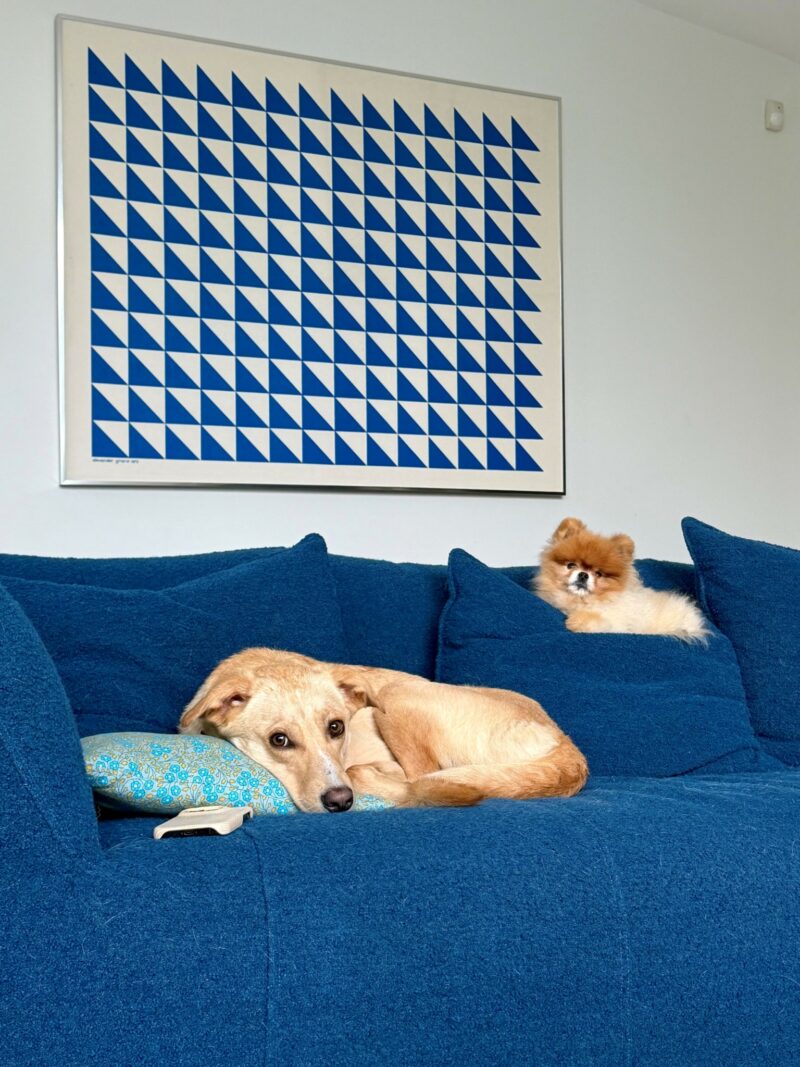
- The Geometry of Alexander Girard: Young’s fascination with the "Blue Triangles" (1972) silkscreen by Alexander Girard illustrates his interest in optical effects. He observes how simple geometric repetitions can create a "vibrating" surface where figure and ground become indistinguishable. This specific fascination directly informed the tiling strategies used in the Glitch House project.
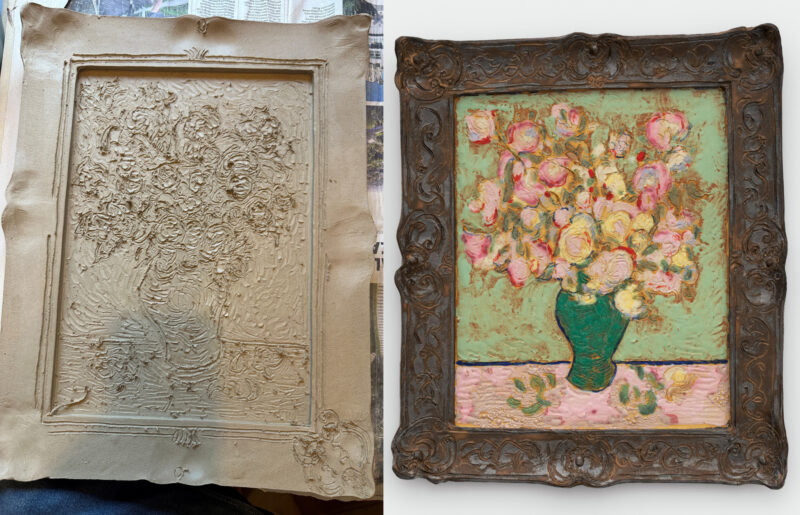
- The Chemistry of Raina Lee’s Ceramics: Young points to a ceramic replica of Van Gogh’s Roses by artist Raina Lee as an example of how craft emerges through trial and error. The pink glaze, a result of a specific chemical reaction between chrome and tin, restores the original vibrancy of Van Gogh’s faded pigments. This focus on the "actual making" of an object is central to Young’s architectural approach.
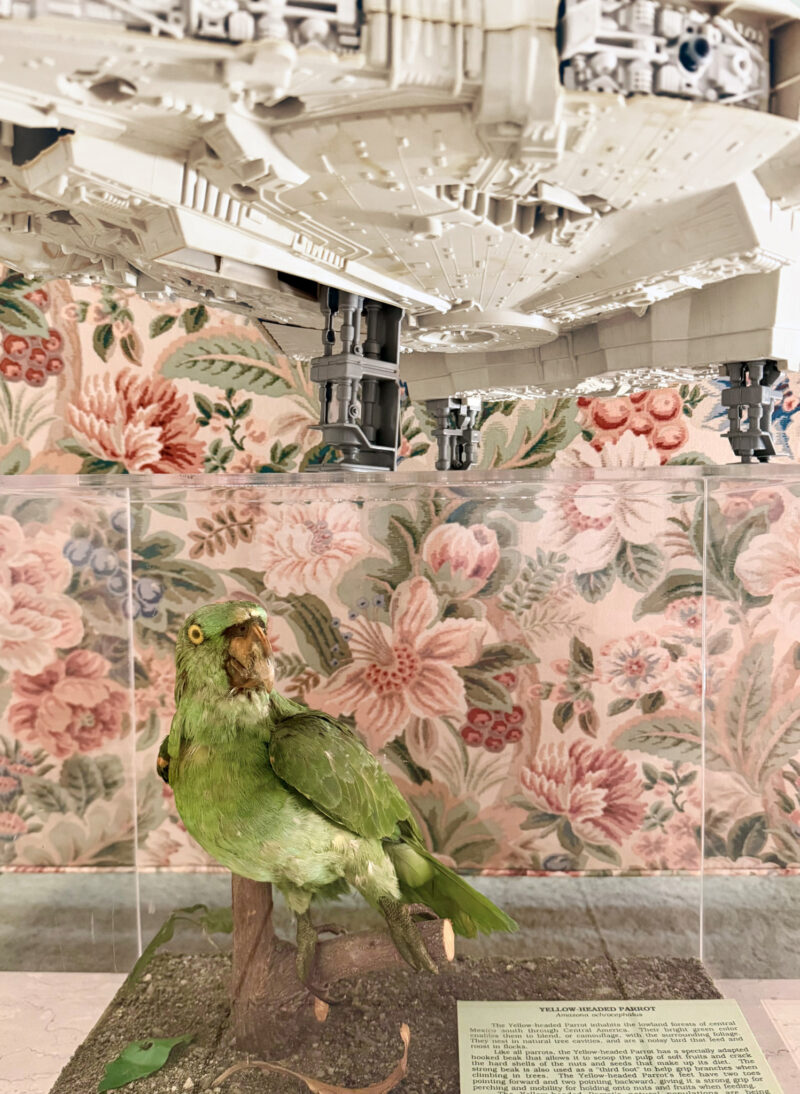
- The Intersection of Nostalgia and Pop Culture: Using a taxidermy parrot and a 1979 Kenner Millennium Falcon as examples, Young explains how the proximity of disparate objects can provoke "otherworldly qualities." This collage-based thinking suggests that architecture can be a vessel for fictional narratives and personal memories.
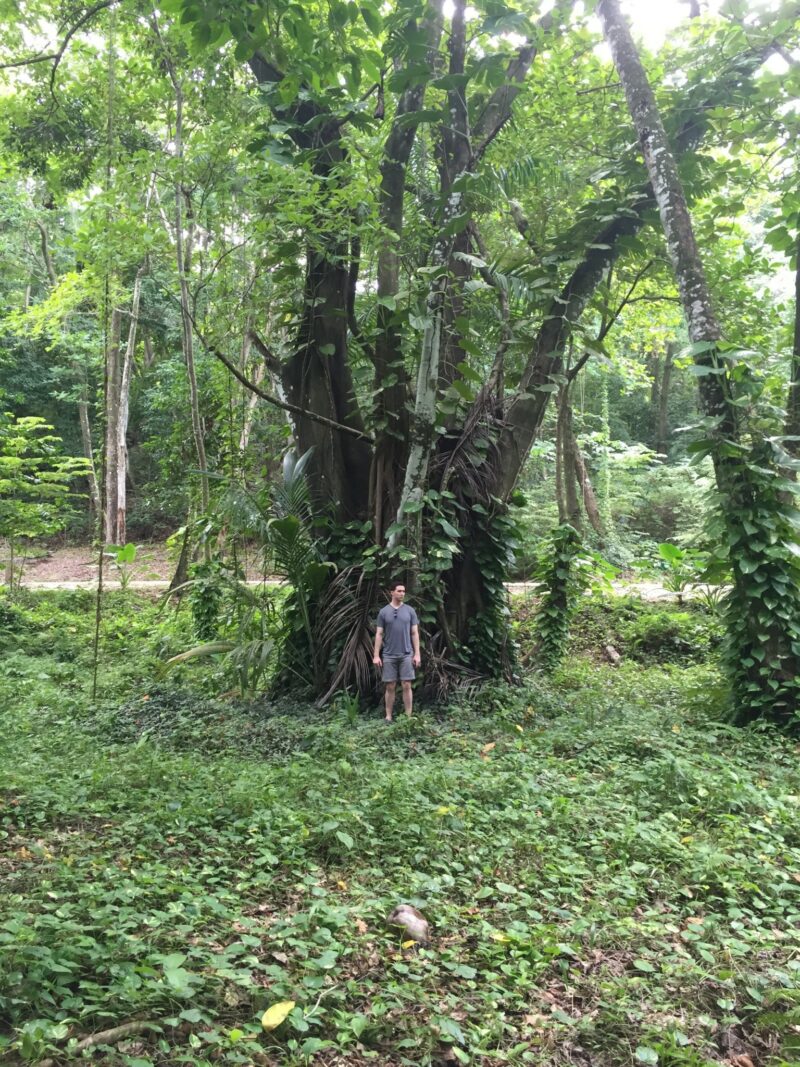
- The Landscape of Playa Grande: For Young, the Dominican Republic is a place that must be "felt before it can be understood." The thick air and the way light filters through the canopy are not just environmental factors but active participants in the design process, leading to the "restless, fluid geometry" of his tropical projects.
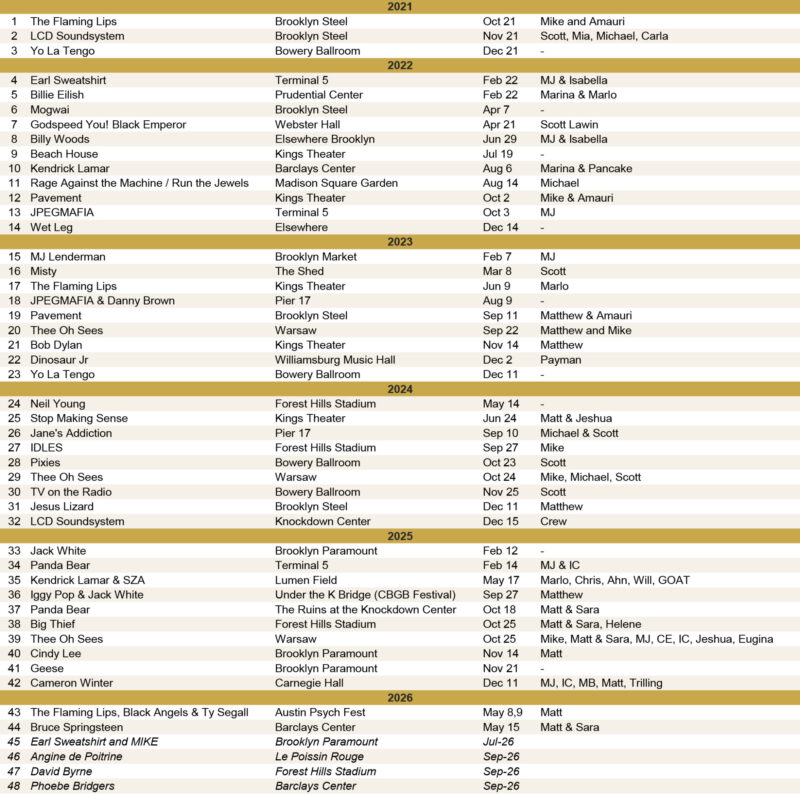
- The Collective Energy of Live Performance: Reflecting on the post-lockdown return to live music, Young emphasizes the importance of human connection and "special electricity." He views the venues of New York City—from the Bowery Ballroom to Carnegie Hall—as a map of shared experiences, suggesting that the ultimate goal of design is to facilitate these moments of being "fully in it."
Technical Analysis and Broader Implications
The methodology of Young Projects represents a shift away from the "starchitecture" of the early 2000s, which often prioritized iconic form over material substance. Instead, Young’s work aligns with a contemporary movement toward "neo-materialism," where the digital tools of the architect are used to enhance, rather than replace, the hand of the craftsman.
By utilizing 3D modeling to design 160 unique trusses or to calculate the precise overlap of handmade tiles, Young Projects demonstrates how technology can be used to achieve a higher degree of artisanal irregularity. This approach has significant implications for the industry, as it suggests a path forward where local building traditions and high-tech design are not mutually exclusive.
Furthermore, Young’s work with Scagliola and hand-pulled plaster addresses a growing desire for "haptic" architecture—spaces that appeal to the sense of touch in an increasingly digital world. The "Upside Down Chair," co-designed with Art in Construction, epitomizes this. By combining a refined sitting surface with a rough, geological exterior, the piece challenges the user to engage with the material transition, much like Young’s buildings challenge the occupant to engage with the landscape.
Conclusion
Bryan Young’s contribution to contemporary architecture lies in his ability to weave together disparate threads: the rigorous geometry of Harvard, the brutalist authenticity of Louis Kahn, the vibrant folk-art influence of Alexander Girard, and the raw, unyielding nature of the tropical jungle. As Young Projects continues to expand its reach, the firm remains committed to the idea that architecture is a process of discovery—one where the "glitch" is not an error, but a window into a more profound and authentic experience of the built environment. Through his studio and the VERSO gallery, Young continues to advocate for a design culture that values the slow, the tactile, and the deeply personal.