Lightcraft Unveils Spark Story at SIGGRAPH 2026 to Revolutionize Virtual Pre-Visualization and Independent Filmmaking

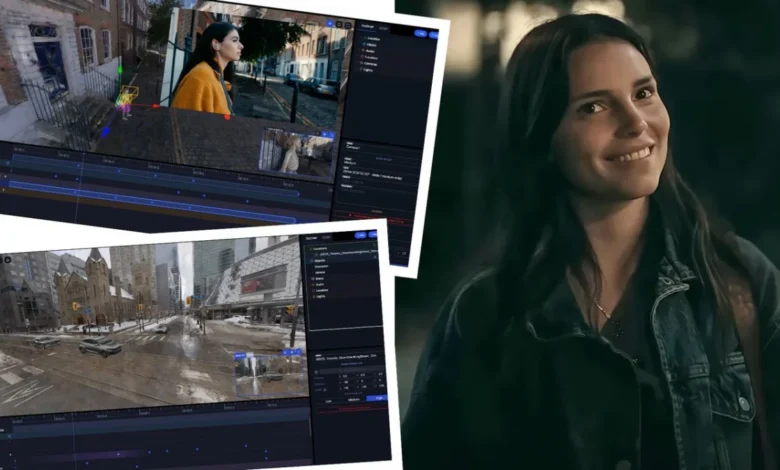
The global film industry is currently navigating a pivotal transition as audiences increasingly pivot away from traditional studio-driven formulas in favor of original, avant-garde storytelling. This shift is exemplified by the meteoric rise of independent projects such as Backrooms and Obsession, which have captured massive digital audiences by offering a sense of creative unpredictability that many feel is missing from big-budget, committee-designed cinema. In response to this evolving landscape, Lightcraft has officially announced the launch of Spark Story, an interactive pre-visualization (previs) platform designed to bridge the gap between a writer’s script and a director’s visual execution. Debuting in beta at SIGGRAPH 2026, the tool aims to democratize high-end virtual production techniques, making them accessible to a new generation of creators who are transitioning from short-form social media content to long-form narrative filmmaking.
The Evolution of Pre-Visualization: From Blockbusters to Bedrooms
Pre-visualization has long been a staple of high-budget Hollywood productions. Historically, previs involved creating rudimentary 3D animations to map out complex action sequences, camera movements, and visual effects before a single frame of film was shot. This process allowed directors like George Lucas and Peter Jackson to mitigate financial risks by identifying logistical hurdles early. However, the barrier to entry for professional-grade previs has remained prohibitively high for independent filmmakers, requiring expensive software suites, specialized workstations, and dedicated teams of technical artists.
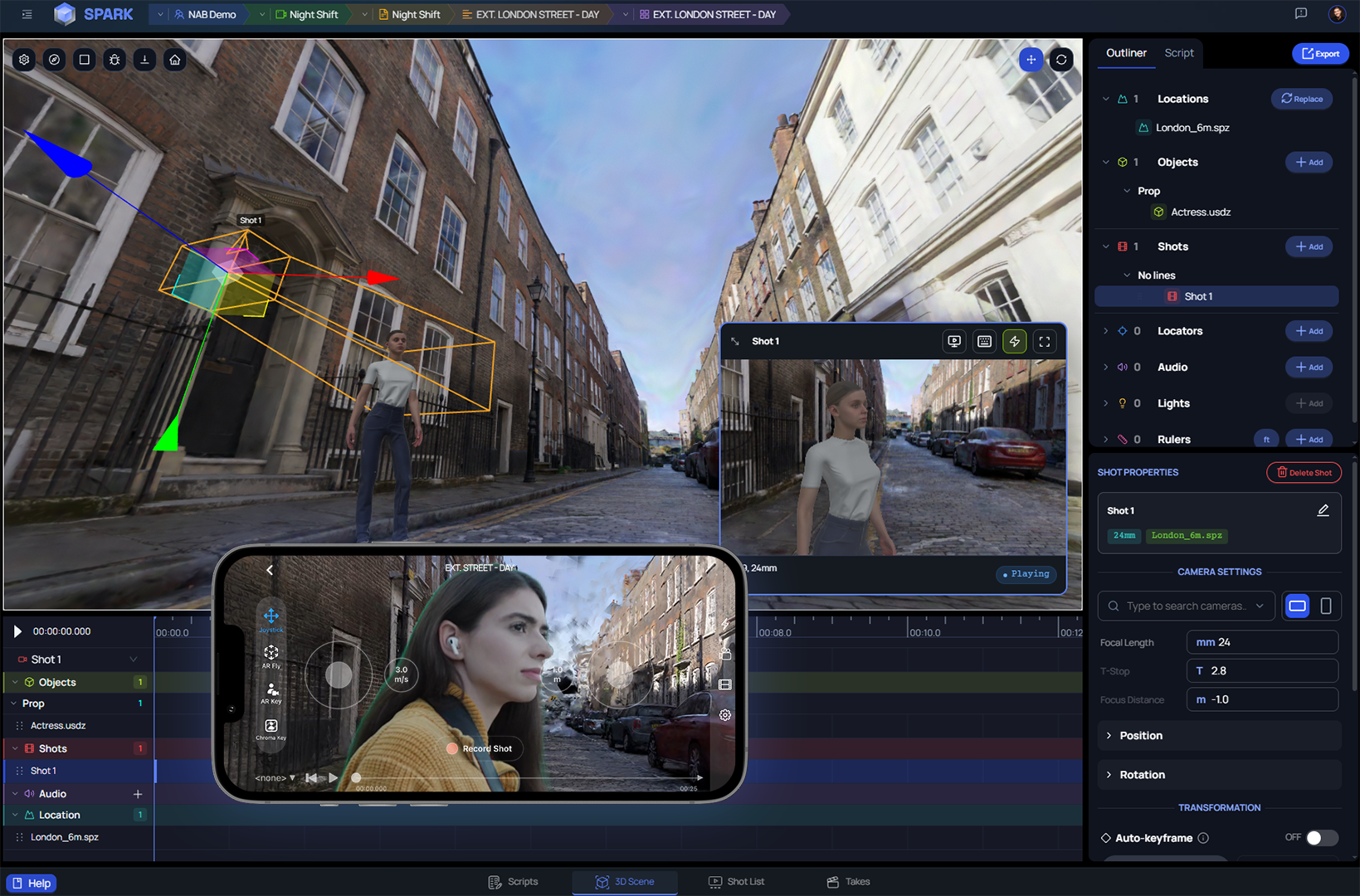
The introduction of Spark Story represents a significant disruption to this status quo. By leveraging the processing power of modern mobile devices and the flexibility of augmented reality (AR), Lightcraft is moving the previs stage from the studio backlot to the palm of the hand. During a recent demonstration, Lightcraft co-founder and president Elijah Welch showcased the platform’s agility by using an iPhone to set up virtual shots in real-time. This capability allows filmmakers to physically move through a digital environment, testing drone angles or complex tracking shots without the need for physical equipment or a large crew.
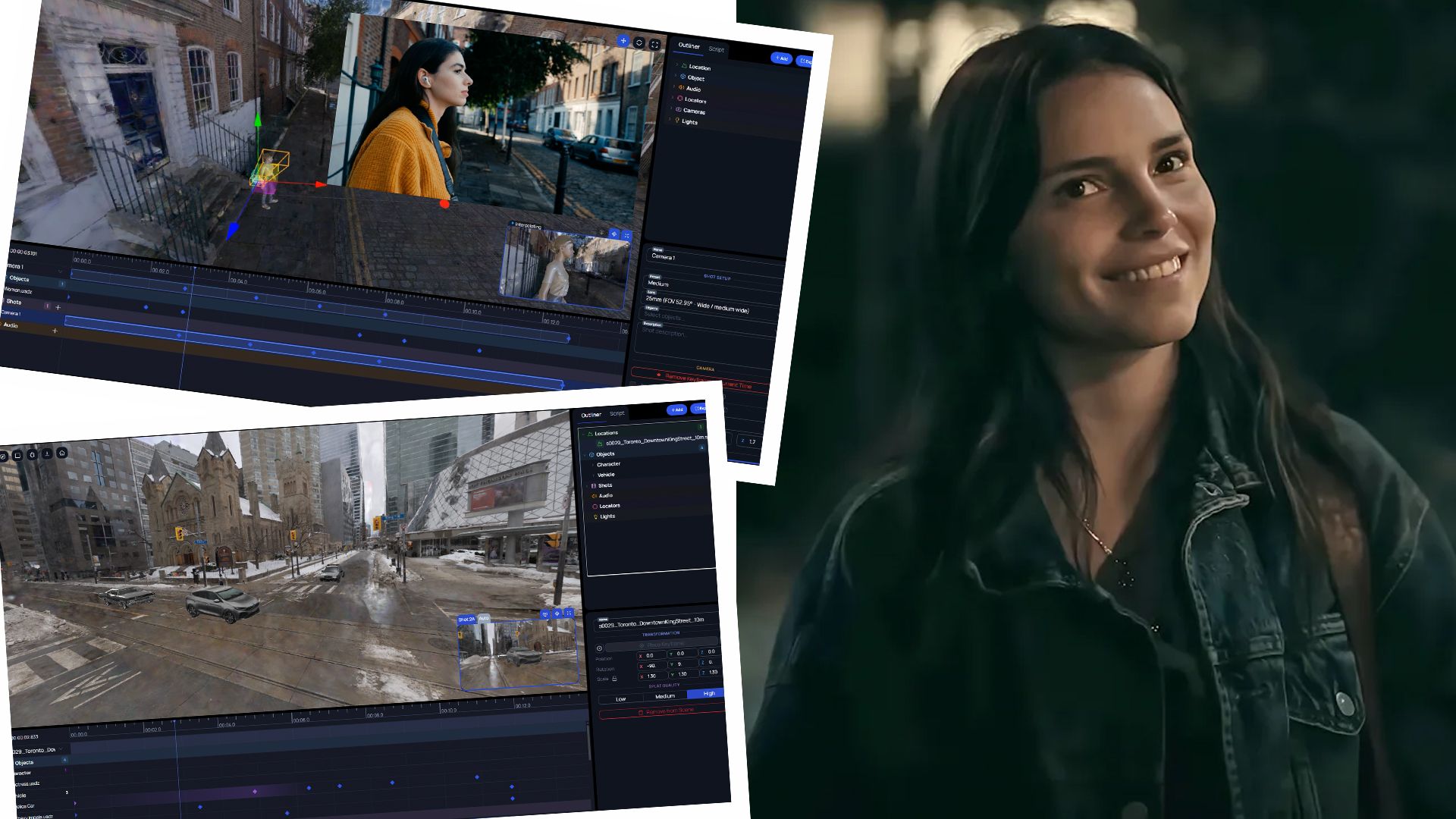
"People look online, and you just see a lot of people going, ‘Where’s an original story? Where’s something I haven’t seen? Where’s something that feels fresh?’" Welch observed. He noted that the primary obstacle for many aspiring filmmakers is not a lack of imagination, but the inability to translate that imagination into a tangible visual plan that can be shared with collaborators. Spark Story is positioned as the solution to this "translation gap," providing a sandbox where experimentation carries no financial penalty.
Technical Architecture: A Script-Centric Ecosystem
Unlike traditional 3D software that prioritizes geometric modeling or rendering, Spark Story is built around the narrative structure. Welch describes the screenplay as the "central nervous system" of the platform. In this ecosystem, every digital asset, camera coordinate, and lighting setup is tethered to specific lines of dialogue or scene headings within the script. This integration ensures that the creative vision remains grounded in the story, preventing the technical spectacle from overshadowing the narrative.
The platform introduces several key features designed to streamline the production pipeline:
- The Spark Atlas Metadata System: This feature serves as a digital ledger, connecting captured footage and virtual rehearsals to the corresponding sections of the script. As a production evolves, Spark Atlas tracks changes, ensuring that the editorial and VFX teams remain aligned with the director’s latest iterations.
- Real-Time Compositing and AR Integration: By using AR, filmmakers can overlay 3D environments onto real-world locations. This allows for a "hybrid" previs experience where a director can stand in a park and see a digital fortress rendered through their viewfinder, adjusting the scale and lighting to match the physical sun position.
- Cross-Platform Interoperability: Recognizing that many creators already use industry-standard tools, Lightcraft has ensured that Spark Story supports direct imports from Blender, Unreal Engine, and Maya. This allows artists to build high-fidelity assets in their preferred software and then bring them into Spark Story for staging and blocking.
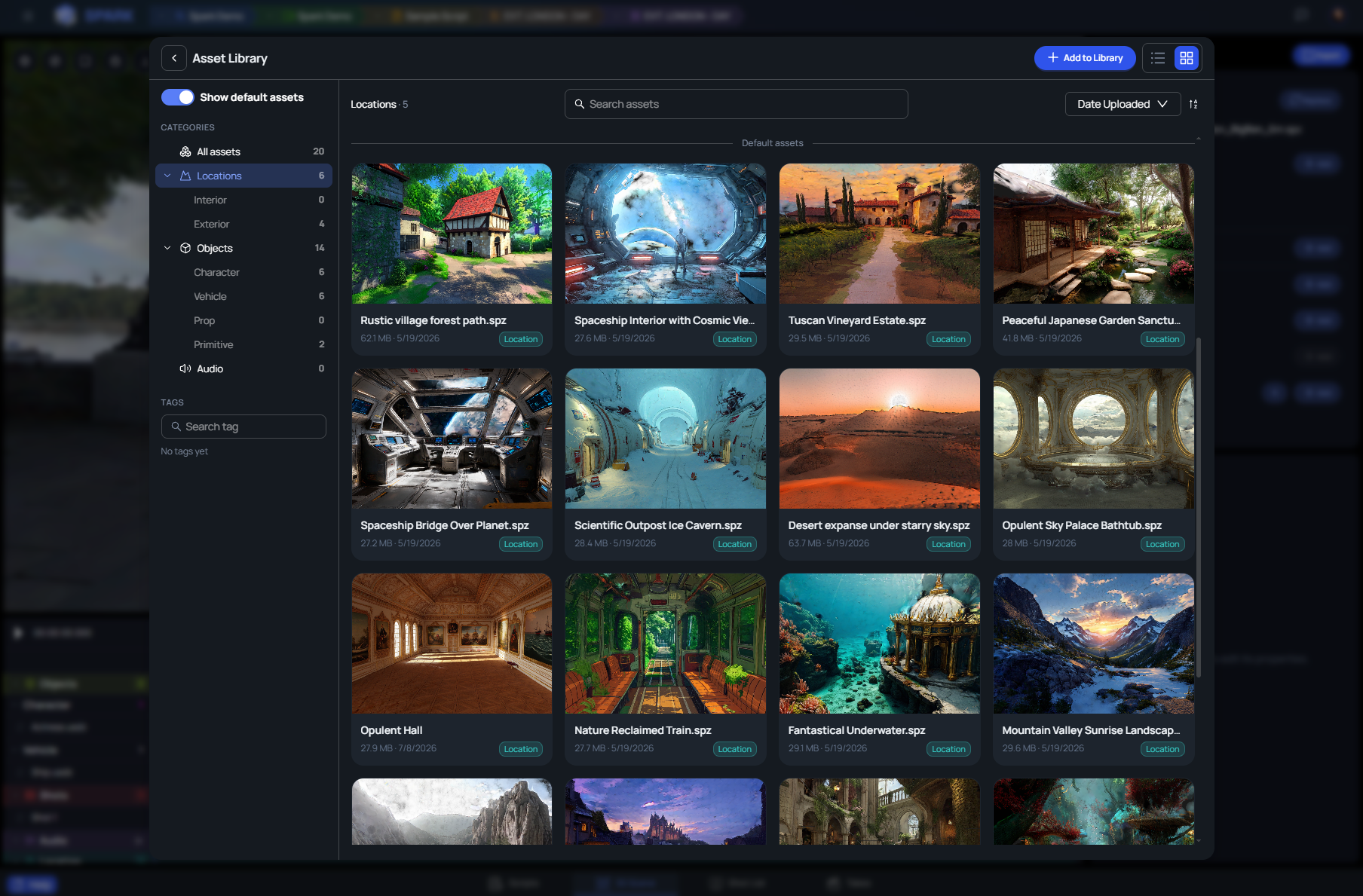
- Asset Library Access: For creators who may not have 3D modeling skills, the platform includes a comprehensive library of pre-built assets, including characters, vehicles, and environments, allowing for rapid prototyping of scenes.
Chronology of Development and the SIGGRAPH 2026 Milestone
The development of Spark Story follows a multi-year effort by Lightcraft to simplify virtual production. The company first gained attention with "Spark," a tool often described as the "Google Docs of 3D," which focused on collaborative world-building. The evolution into Spark Story marks a shift toward the specific logistical needs of cinematography and directing.
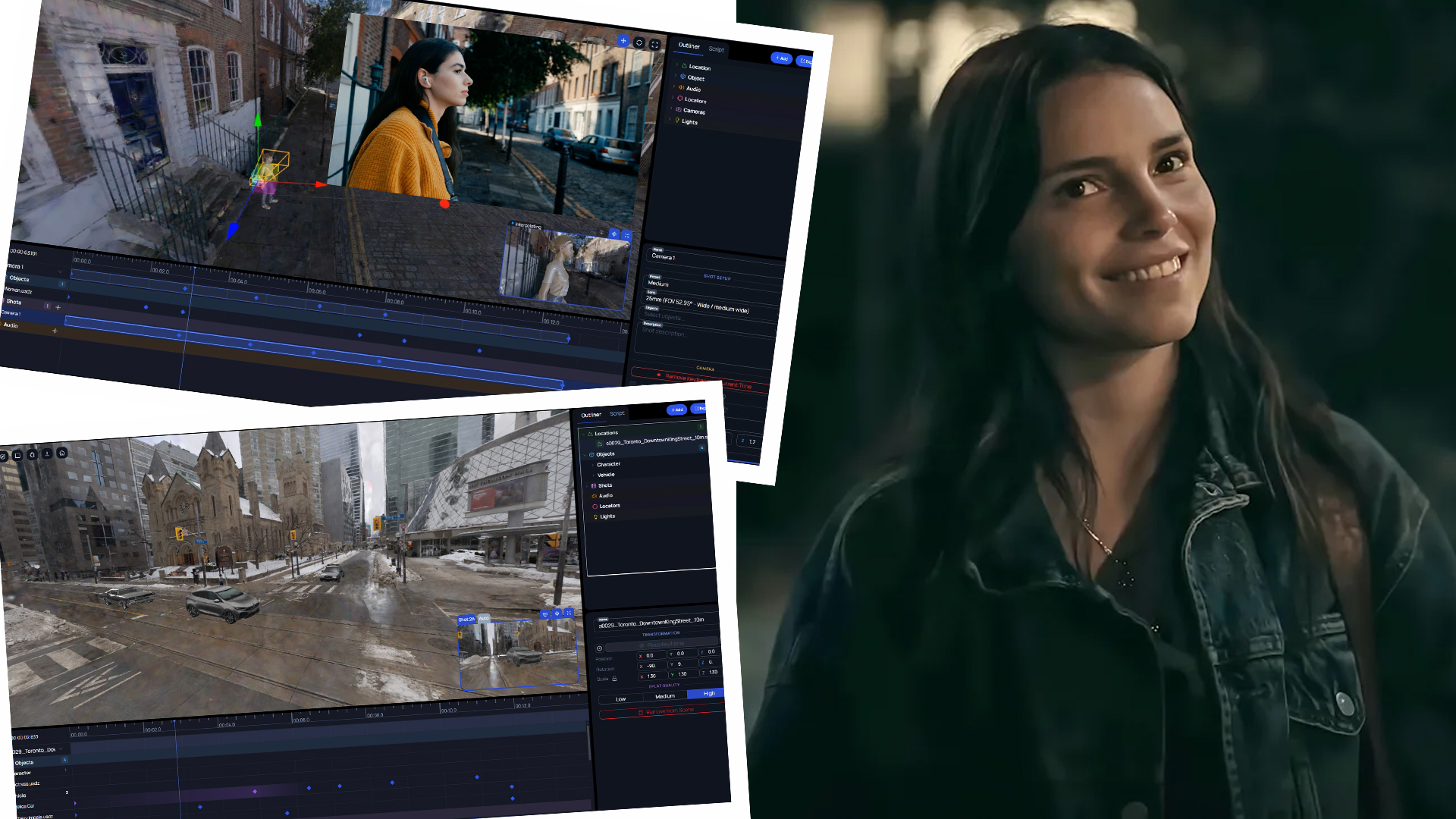
The timeline for the platform’s rollout is strategic:
- 2023-2024: Development of the core AR tracking engine and script-parsing algorithms.
- 2025: Closed alpha testing with a select group of independent VFX houses and YouTube content creators.
- August 2026: Official beta launch at SIGGRAPH, the premier international conference on computer graphics and interactive techniques.
The choice of SIGGRAPH for the launch is significant. As the hub for innovations in CGI and real-time rendering, the conference provides a platform for Lightcraft to engage with both the technical elite and the independent developers who are redefining visual media. The beta phase is expected to focus on refining the user interface and expanding the metadata tracking capabilities of Spark Atlas.
Supporting Data: The Rise of the Creator Economy in Film
The necessity for tools like Spark Story is backed by broader trends in the media landscape. According to industry reports on the creator economy, the distinction between "content creator" and "filmmaker" is rapidly blurring. Platforms like TikTok, YouTube, and Instagram have created a massive pool of talent proficient in editing and visual storytelling. However, a significant percentage of these creators report that "technical complexity" and "production costs" are the primary barriers to producing longer-form, narrative-driven content.
Data suggests that virtual production can reduce on-set time by up to 30-50% if the pre-visualization stage is handled effectively. By moving the "trial and error" phase to a digital environment, filmmakers can arrive on set with a definitive "shot list" that has already been tested for feasibility. For independent productions with limited budgets, this efficiency is not just a luxury; it is the difference between completing a project or running out of funds mid-shoot.
Industry Reactions and Broader Implications
The announcement of Spark Story has sparked a range of reactions from industry veterans and newcomers alike. Established cinematographers have noted that while previs tools have existed for years, the "mobile-first" approach of Lightcraft could fundamentally change the "scouting" phase of production. Instead of taking still photos of a location, a director of photography can now build a virtual version of the scene on-site, testing how different lens choices will interact with the environment.
From the perspective of film education, Spark Story offers a low-cost entry point for students to learn the mechanics of blocking and staging. Welch emphasizes that the tool is built for teams, regardless of their size. "Whether you’re working on lighting, cinematography, script writing, directing, or producing, there is massive value for every member of the team," he stated.
The broader implications for the film industry are profound. By lowering the cost of failure, Spark Story encourages the kind of creative risk-taking that led to the "New Hollywood" era of the 1970s. When experimentation is expensive, studios gravitate toward safe bets—sequels, reboots, and established franchises. When experimentation is digital and nearly free, creators are empowered to explore "strange, ambitious" ideas that don’t fit the traditional studio mold.
Analysis: A New Era of "Democratized Ambition"
The history of cinema is punctuated by technological shifts that democratized the medium. In the 1990s, the drop in the cost of 16mm and digital video enabled filmmakers like Sam Raimi, Peter Jackson, and the creators of The Blair Witch Project to achieve global success with minimal budgets. Spark Story represents the next phase of this democratization, focusing on the "visual planning" rather than just the "image capture."
As the industry moves toward 2027 and beyond, the success of platforms like Spark Story will likely be measured by the diversity of the stories that emerge. If the tool succeeds in its mission, the next "big thing" in Hollywood may not come from a studio boardroom, but from a creator who used their phone to turn a script into a fully realized visual world before ever hiring a crew. By prioritizing the script and the spirit of experimentation, Lightcraft is betting on a future where the only limit to filmmaking is the strength of the idea itself.