From the Texas Panhandle to Alkemis Paint Price Latimer and the Evolution of Mineral-Based Sustainable Design


The intersection of fine art, industrial design, and environmental stewardship has found a prominent contemporary voice in Price Latimer, the co-founder and Chief Creative Officer of Alkemis Paint. Since its inception in 2021, Alkemis Paint has positioned itself as a disruptor in the architectural coatings industry, moving away from traditional petrochemical-based products toward a proprietary formulation rooted in clear quartz and earth-derived minerals. Latimer’s career trajectory—spanning from the Texas Panhandle to the Rhode Island School of Design (RISD) and eventually to the forefront of the sustainable design movement—illustrates a lifelong commitment to the "aesthetic sensibility" shaped by both natural landscapes and high-concept art.
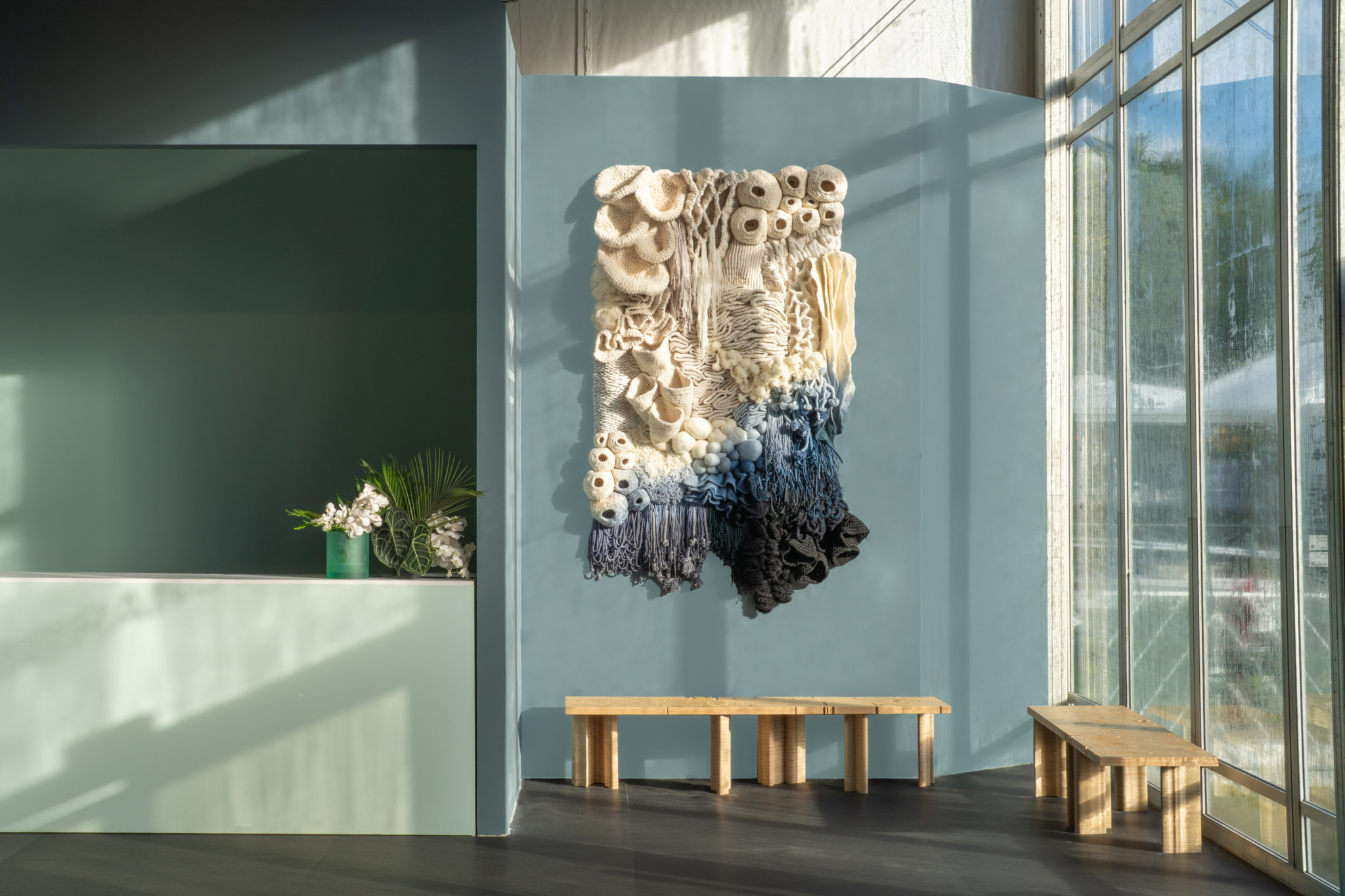
The Foundation of Alkemis Paint and Technical Innovation
Alkemis Paint, co-founded by Latimer and Maya Crowne, represents a significant shift in the interior design market. While the global paint industry has historically relied on synthetic binders and volatile organic compounds (VOCs), Alkemis utilizes a mineral-based approach. The company’s products are formulated with clear quartz, a mineral known for its durability and light-refractive properties, paired with a curated palette of pigments.
The technical advantage of mineral paint lies in its "breathability." Unlike plastic-based acrylic paints that form a film over walls, mineral paints bond molecularly with the substrate. This allows moisture to pass through the surface, preventing the growth of mold and mildew—a critical factor in healthy building initiatives. By removing harmful chemicals from the manufacturing process, Latimer and Crowne have aligned their business with the broader goals of ocean conservation, ensuring that no microplastics or toxic runoff enter the water cycle through their production or application processes.

A Chronology of Artistic and Professional Development
The professional identity of Price Latimer was forged through a series of distinct cultural environments. Growing up in Amarillo, Texas, she lived in close proximity to the Amarillo Museum of Art (AMOA). This early exposure to the works of Georgia O’Keeffe, Larry Bell, and Louise Nevelson provided a foundational education in form, light, and space. O’Keeffe’s connection to the region is particularly significant; the artist taught at West Texas State Normal College in nearby Canyon from 1916 to 1918, during which time she produced a series of watercolors inspired by the local landscape.
Latimer pursued formal training at the Rhode Island School of Design, earning a bachelor’s degree that served as a springboard into the New York City art scene. During her tenure in New York, she worked for Peter Halley, a central figure in the Neo-Conceptualist movement known for his "cells" and "conduits" paintings. Latimer also contributed to Index magazine, a publication founded by Halley that became a touchstone for 1990s and early 2000s independent culture.

Upon relocating to Los Angeles, Latimer expanded her expertise into the realms of hospitality and industrial design. She served as the Chief Creative Officer for a co-founded pizza venture, bridging the gap between branding and physical space. Later, her work with the Italian furniture manufacturer Kartell allowed her to consult with leading architects and interior designers on large-scale commercial and hospitality projects. This diverse background—ranging from editorial work to high-end furniture consulting—informed the 2021 launch of Alkemis Paint, which Latimer views as the culmination of her multi-disciplinary experiences.
Geographic and Cultural Catalysts of Inspiration
Latimer’s design philosophy is heavily influenced by specific geographic sites and artistic movements that challenge conventional boundaries. These influences serve as the "raw materials" for the colors and textures developed at Alkemis.

Palo Duro Canyon: The Geology of Color
Located in the Texas Panhandle, Palo Duro Canyon is the second-largest canyon in the United States. Its geological history, spanning millions of years, features striking striations of oxidized red, maroon, grey, and lavender. These colors are the result of layers of siltstone, shale, gypsum, and sandstone. For Latimer, the canyon is more than a landmark; it is a source of specific pigmentation. Alkemis Paint’s color "Hoodoo 53" is a direct homage to the canyon’s unique rock formations. The site also carries deep historical significance as the ancestral stronghold of the Quahadi band of the Comanches.
Land Art and Environmental Scale
Latimer cites Walter de Maria’s The Lightning Field (1977) as a transformative influence. Commissioned by the Dia Art Foundation, the work consists of 400 stainless steel poles arranged in a grid in the high desert of New Mexico. The piece emphasizes the relationship between man-made structures and the vastness of the natural environment. Latimer’s experience at the site—characterized by meditative silence and the shifting light of the desert—parallels the "visual innuendo" she seeks to create with Alkemis Paint’s light-refractive mineral surfaces.

Radical Aesthetics: Leigh Bowery and Yoko Ono
Beyond the natural world, Latimer draws from the transgressive energy of performance art. She highlights the work of Leigh Bowery, whose 1980s London career blurred the lines between sculpture and the human body. Bowery’s use of clothing and makeup as a "weaponized" form of art mirrors Latimer’s interest in how color can transform a space. Similarly, the conceptual work of Yoko Ono, specifically Cleaning Piece III from the book Acorn, informs Latimer’s approach to compassionate design. Ono’s focus on introspection and the removal of "negativity" resonates with Alkemis’s mission to remove toxins from the domestic environment.
Strategic Collaborations and Institutional Impact
Since its launch, Alkemis Paint has moved beyond the residential market into high-profile institutional and gallery collaborations. These projects serve as a proof-of-concept for how mineral paint can enhance the curatorial narrative of fine art.

- RISD Museum: Latimer returned to her alma mater to collaborate on the palette for the Liz Collins: Motherlode exhibition. Collins, a queer feminist artist, utilizes bold abstract patterns and fiber-based materials. The use of Alkemis Paint in this setting highlighted the product’s ability to complement complex, multi-textured artworks without the "flatness" associated with traditional latex paints.
- Design Miami: For three consecutive years, Alkemis has been a presence at Design Miami, developing custom palettes that harmonize with the fair’s curatorial themes. This partnership has solidified the brand’s standing among the international design elite.
- Objects USA and R & Company: In a 2024 collaboration with the gallery R & Company and muralist Nick Kuszyk, Alkemis Paint was used to create a large-scale gradient wall for the Objects USA exhibition. This project demonstrated the technical versatility of the paint, using meticulous decorative techniques to move away from the "white box" gallery standard toward a more immersive, atmospheric environment.
- Collaborations with Artists: The brand has also been utilized by ceramicist and activist Roberto Lugo. By providing the backdrop for Lugo’s reimagined classical porcelain works, Alkemis Paint participates in a dialogue about social justice and the reimagining of traditional crafts.
Market Analysis and Future Implications
The rise of Alkemis Paint coincides with a broader shift in the "wellness" economy. Consumers are increasingly aware of the health implications of the materials used in their homes, leading to a surge in demand for non-toxic, sustainable alternatives. According to industry reports, the global green coatings market is projected to grow significantly as regulations regarding VOC emissions become stricter in both North America and Europe.
Alkemis is uniquely positioned to capitalize on this trend by offering a product that does not sacrifice aesthetic quality for environmental safety. The use of clear quartz as a base allows for a depth of color that synthetic paints often struggle to achieve, as the mineral particles reflect light rather than absorbing it.

Furthermore, Latimer’s background in scuba diving and her advocacy for ocean conservation provide a narrative that resonates with the modern "conscious consumer." By focusing on the removal of petrochemicals, Alkemis addresses the entire lifecycle of the product—from the minerals extracted from the earth to the air quality inside the home and the water quality of the planet.
Conclusion
Price Latimer’s journey from the vast landscapes of the Texas Panhandle to the leadership of a pioneering paint company reflects a synthesis of artistic passion and entrepreneurial rigour. Through Alkemis Paint, she has successfully translated the "weird hidden gems" of her global travels and the technical lessons of her design career into a tangible product that challenges industry norms. As the design world continues to prioritize sustainability, Latimer’s mineral-based approach offers a blueprint for how businesses can integrate historical artistic influences with modern environmental requirements. Her work suggests that the future of interior design lies not in synthetic innovation, but in a sophisticated return to the earth’s natural minerals.