Alpine Innovation Hotel Hubertus Redefines Wellness Architecture in the Heart of the Dolomites

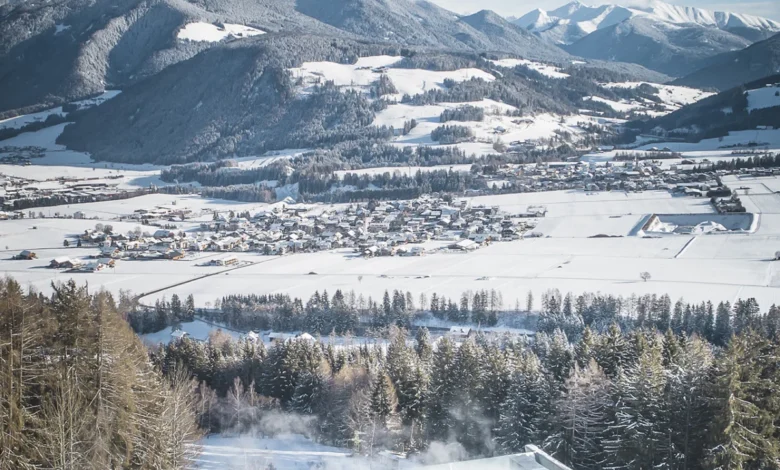
The architectural landscape of the Italian Alps has undergone a significant transformation over the last decade, led in large part by the ambitious vision of Hotel Hubertus, a 75-key luxury resort situated in the Puster Valley. In its latest phase of development, the resort has unveiled a comprehensive reimagining of its primary social and wellness spaces, including a redesigned lobby, an elevated bar area, and a state-of-the-art panoramic sauna. This newest iteration continues a decade-long tradition of "architecturally adventurous" amenities that have consistently challenged the conventions of alpine hospitality. By integrating modern minimalist design with the rugged topography of South Tyrol, the resort has effectively shifted the focus of wellness from secluded, basement-level facilities to cantilevered, vista-centric structures that celebrate the surrounding UNESCO World Heritage site.
A Decade of Architectural Evolution
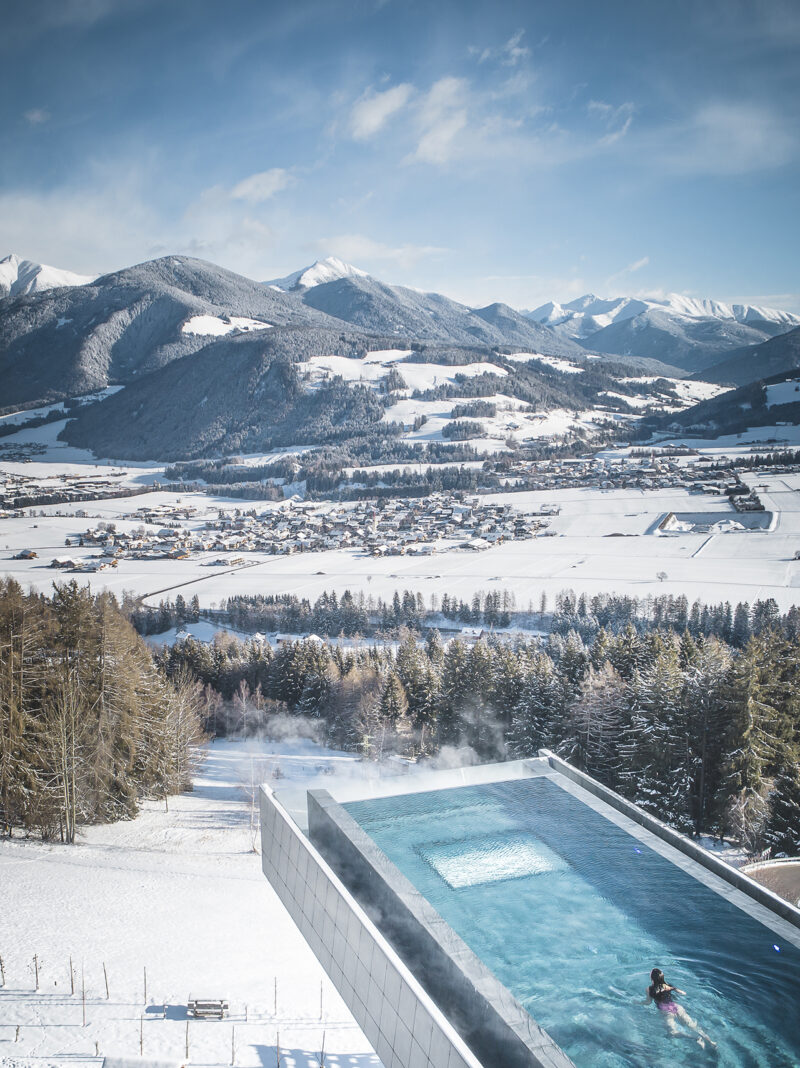
The trajectory of Hotel Hubertus from a traditional mountainside retreat to a global icon of contemporary architecture is defined by three major milestones. The first occurred in 2016 with the introduction of the Sky Pool, an 82-foot-long (25-meter) cantilevered infinity pool that juts out over the valley. Suspended 12 meters above the ground and supported by massive larch tree trunks sourced from local forests, the pool features a transparent glass bottom, offering swimmers the sensation of floating between the earth and the sky. This structure set a new precedent for the resort, signaling a departure from traditional chalet motifs toward a more radical, site-responsive aesthetic.
In 2022, the resort expanded its wellness portfolio further with the "Heaven & Hell" facility. This two-story suspended structure is perhaps the most visually striking addition to the property. It features a series of gabled-roof cabins, some of which are oriented upright while others are positioned upside down on the lower level. This "diabolical" design choice was not merely for aesthetic shock value; it served a functional purpose, housing saunas in the upper "heaven" section and cold plunge pools in the inverted "hell" section. The structure utilizes the same pared-back aesthetic as the Sky Pool, ensuring a cohesive architectural language across the property.

The most recent 2024 expansion focuses on the heart of the hotel. The reimagined lobby and bar serve as the new gravitational center for guests, while the addition of a panoramic sauna completes the resort’s transition into a fully integrated wellness sanctuary. Unlike previous expansions that stood as independent monuments, the new spaces are tucked beneath a green roof that extends from a sprawling grass terrace, effectively blending the man-made structure into the natural slope of the mountainside.
The Design Language of the New Wellness Spaces
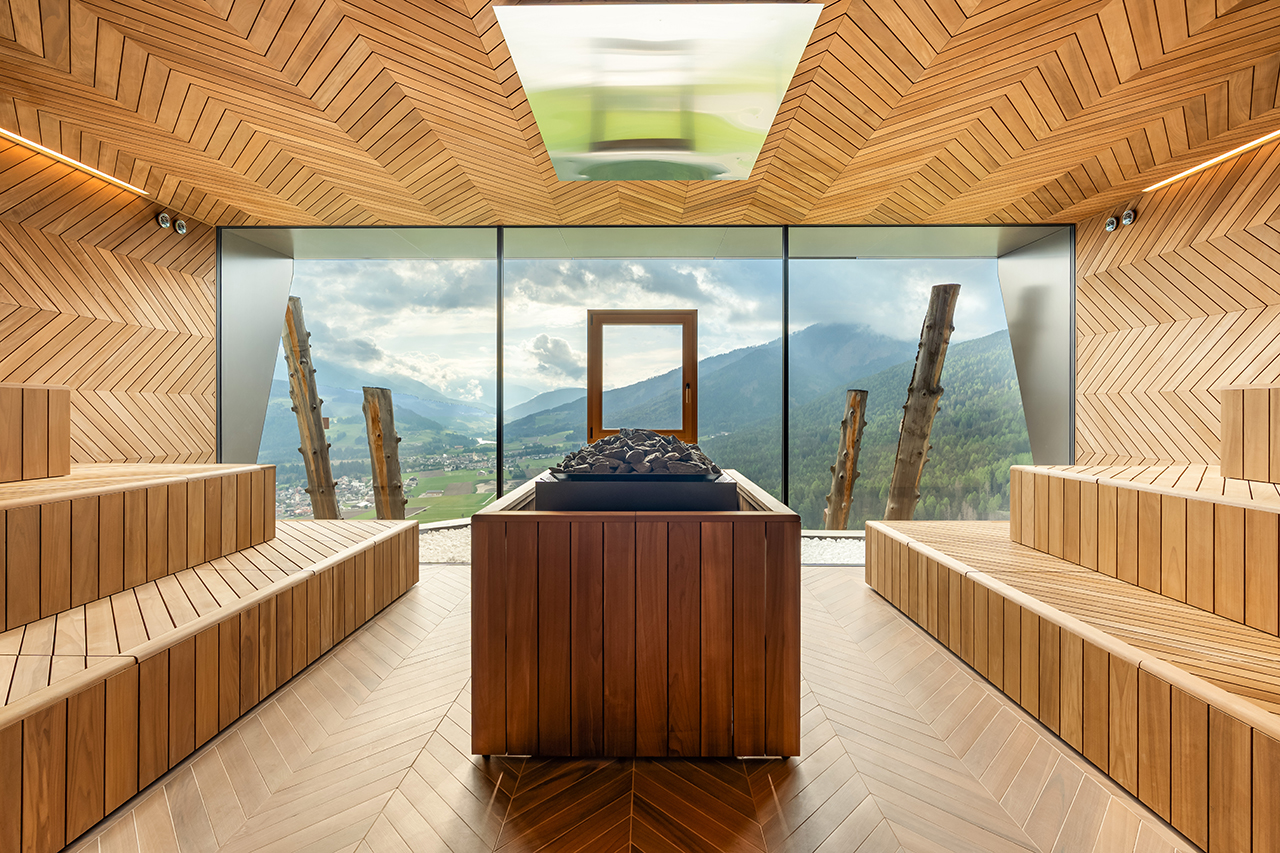
The centerpiece of the latest expansion is the new panoramic sauna, which replaces a series of smaller, outdated cabins. The exterior is wrapped in a striking herringbone-patterned wood paneling, a sophisticated nod to traditional woodworking techniques of the region reimagined through a modern lens. Internally, the sauna is designed to provide an immersive experience, with floor-to-ceiling glass windows that frame the jagged limestone peaks of the Dolomites.

The wellness program within the new sauna is tiered to accommodate various levels of heat tolerance and therapeutic goals. The facility hosts guided infusion rituals at a high-intensity 180 degrees Fahrenheit (82 degrees Celsius), bio-based treatments at a more restorative 131 degrees Fahrenheit (55 degrees Celsius), and steam baths at 112 degrees Fahrenheit (44 degrees Celsius). By utilizing locally sourced timber and minimalist interior finishes, the design ensures that the focus remains on the "sweeping vistas" of the valley, a stark contrast to the insular, windowless designs of traditional spas.
Geographic and Cultural Context: The South Tyrolean Backdrop
The success of Hotel Hubertus is inextricably linked to its location in northeastern Italy. South Tyrol is a region defined by its dual identity, blending Austrian alpine traditions with Italian Mediterranean influences. The resort is perched on an eastern-facing mountainside overlooking the Puster Valley, with the Kronplatz ski mountain rising directly behind it. During the winter months, Kronplatz is a premier destination for skiers, boasting over 100 kilometers of runs. In the summer, the landscape transforms into a network of hiking and mountain biking trails, making the resort a year-round destination.

The Dolomites, characterized by their "jagged limestone peaks and clear blue lakes," provide more than just a backdrop; they are the primary inspiration for the hotel’s material palette. The use of native larch and spruce timber, alongside stone accents, allows the bold geometric forms of the hotel to feel grounded in the environment. This "distilled site-responsivity" is a hallmark of the resort’s philosophy, which seeks to integrate architecture into the natural setting rather than imposing upon it.
The Family Legacy and Business Model
At the core of Hotel Hubertus is a family-run operation that spans three generations. Markus Gasser, the resort’s second-generation co-proprietor, attributes the hotel’s ability to take architectural risks to its independent ownership structure. "Hotel Hubertus began as a place for my grandfather to gather with friends after a day of hunting," Gasser explains. "Over the past five decades, we’ve slowly but surely expanded it into what it is now."

Unlike large international hotel chains governed by supervisory boards and outside investors, the Gasser family maintains total creative control. This has allowed them to prioritize long-term brand identity and guest experience over immediate profit margins. By keeping the room count below 75, the resort maintains an intimate atmosphere despite its grand architectural gestures. Gasser notes that the goal is to provide loyal customers with "something new for them to discover each time" they return, fostering a sense of evolution rather than stagnation.
Technical Data and Sustainability Initiatives
The expansion of Hotel Hubertus is not only a feat of design but also an exercise in sustainable construction. The resort has prioritized the following technical and ecological standards:

- Local Material Sourcing: Over 90% of the timber used in the recent expansions was sourced from regional forests, reducing the carbon footprint associated with transportation.
- Thermal Efficiency: The "Heaven & Hell" and panoramic sauna structures utilize high-performance glazing and advanced insulation to maintain extreme temperatures in an alpine climate without excessive energy consumption.
- Green Infrastructure: The integration of green roofs on the new lobby and sauna areas provides natural insulation and aids in stormwater management, while also preserving the visual continuity of the mountain meadows.
- Water Management: The Sky Pool utilizes a sophisticated filtration and heating system that recirculates water efficiently, maintaining a constant temperature even when outdoor temperatures drop well below freezing.
Broader Implications for Alpine Tourism
The architectural shifts at Hotel Hubertus reflect a broader trend in global luxury tourism, often referred to as "Architectural Tourism." In this model, the design of the hotel itself becomes as much of a draw as the destination’s natural beauty. By moving wellness facilities out of the "basement" and into prominent, cantilevered structures, Hubertus has redefined the luxury spa experience as one of transparency and connection to nature.
This approach has significant economic implications for the region. As travelers increasingly seek out "Instagrammable" and unique experiences, the bold visuals of the Sky Pool and the inverted cabins of Heaven & Hell have garnered international media attention, driving tourism to the Puster Valley. Furthermore, the focus on local craftsmanship and materials supports the regional economy, ensuring that the wealth generated by luxury tourism stays within the South Tyrolean community.
Conclusion: A Unified Vision of Modernity
With the completion of the latest expansion, Markus Gasser believes the property has finally achieved a sense of architectural wholeness. "It looks like one piece of architecture now," he states. The transition from a series of disparate "headlines" to a unified, contemporary resort marks a new chapter for Hotel Hubertus. By eschewing traditional chalet clichés in favor of a minimalist design language that honors the landscape, the resort has set a new standard for how architecture can enhance the human connection to the natural world.
As the hospitality industry continues to grapple with the demands of sustainability and the desire for novelty, the model provided by Hotel Hubertus offers a compelling path forward: one where family-led vision, local heritage, and daring modern design coexist to create a destination that is as much a work of art as it is a place of rest. The Dolomites have long been a place of pilgrimage for those seeking the sublime; through its recent transformations, Hotel Hubertus ensures that the architecture of the human hand is worthy of the mountains that surround it.