Nintendo Launches Massive Customer Appreciation Sale Following Landmark $300 Million Tariff Refund

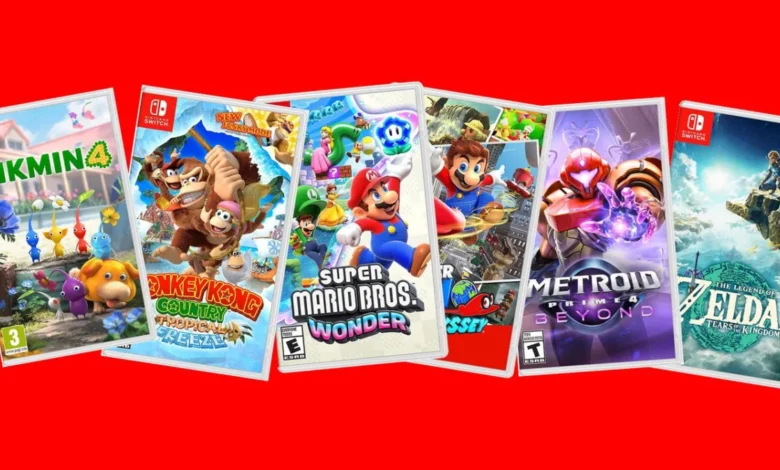
Nintendo of America has officially initiated its “Customer Appreciation Sale,” a significant promotional event offering substantial discounts across its catalog of software, hardware accessories, and merchandise. This retail initiative arrives in the wake of a complex legal and financial victory for the Japanese gaming giant, which successfully secured a $300 million refund from the United States government following a Supreme Court ruling that deemed specific trade tariffs implemented during the Trump administration to be improperly applied. While the company initially opted not to pass these savings directly to consumers when the refund was first realized, the current two-week sale serves as a formalized acknowledgment of the economic burden placed on the gaming community during the height of the trade dispute.
The Chronology of the Trade Dispute and Legal Resolution
The origins of this financial windfall date back to the 2018-2019 period, during which the United States imposed significant tariffs on goods imported from China. As a major player in the global hardware market, Nintendo utilized Chinese manufacturing facilities to produce the Nintendo Switch console, as well as various peripherals and components. Consequently, these products became subject to Section 301 tariffs, which increased the landed cost of goods significantly.
For several years, Nintendo and other technology firms argued that these levies were inconsistent with international trade law and unfairly penalized companies whose supply chains were deeply integrated with Chinese manufacturing. In early 2024, the legal landscape shifted when the Supreme Court declined to overturn lower court rulings that favored importers in certain tariff-related challenges. The resulting legal environment allowed Nintendo to recoup approximately $300 million in overpaid duties.
Following the initial receipt of these funds, Nintendo faced public and investor scrutiny regarding the allocation of the capital. Critics argued that since consumers had absorbed the increased retail prices during the tariff implementation period, the refund should have been treated as a retroactive price adjustment. Nintendo, however, maintained a cautious fiscal stance, citing market volatility and the potential for future geopolitical trade disruptions as reasons to retain the liquidity. The decision to now launch a comprehensive sale represents a strategic pivot, balancing the need for corporate reserves with the desire to improve brand sentiment among its North American user base.
Understanding the Scale of the Customer Appreciation Sale
Running through September 26, the Nintendo Customer Appreciation Sale is being marketed as one of the largest promotional events in the company’s recent history. The discounts, which reach up to 30% on a wide array of software titles, are specifically designed to stimulate sales volume in the final quarter of the fiscal year.
According to official disclosures, the sale encompasses:
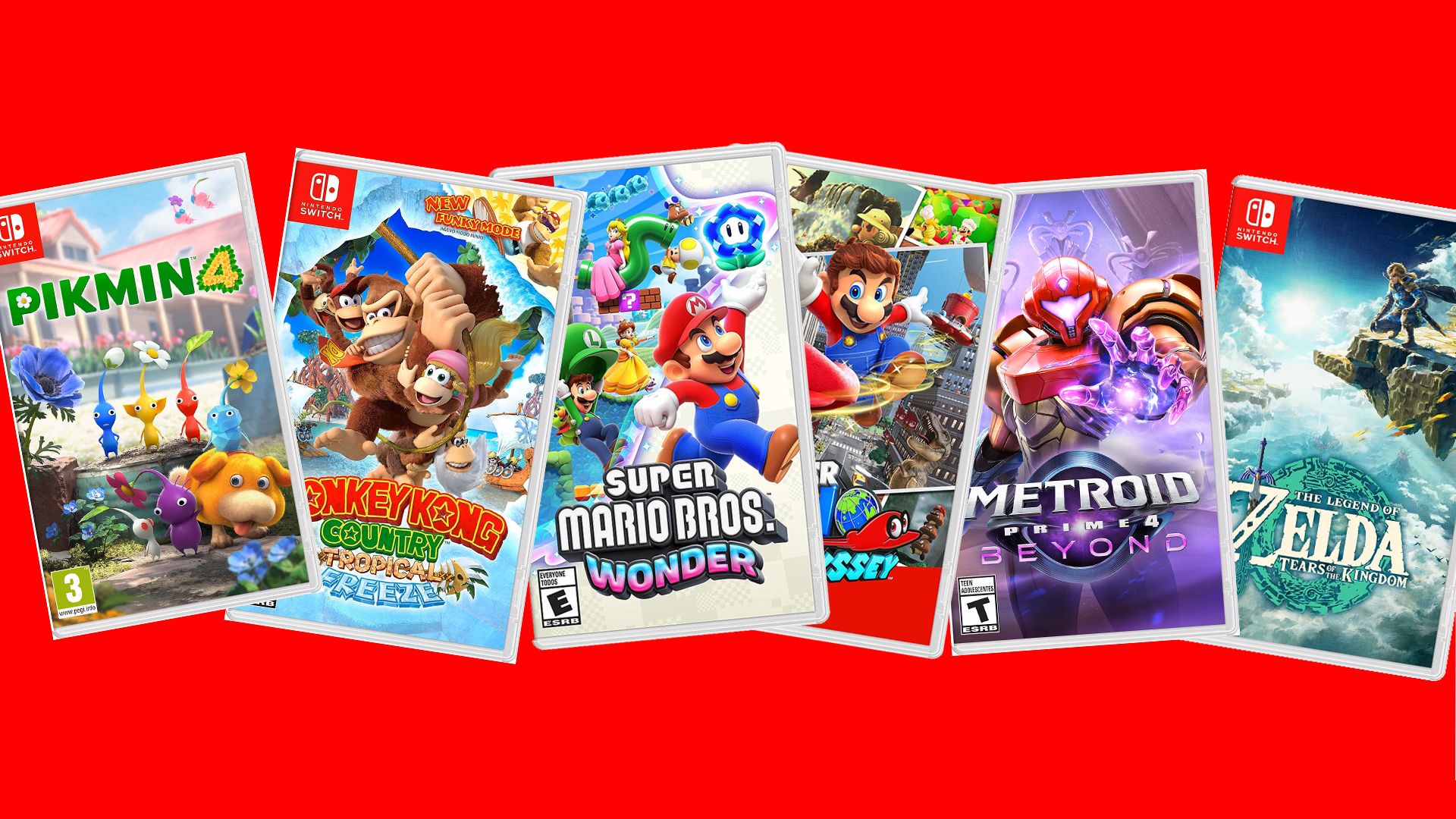
- Software: A broad selection of first-party and third-party titles compatible with the current Nintendo Switch ecosystem.
- Accessories: Discounts on Pro Controllers, Joy-Con charging grips, and carrying cases.
- Amiibo: Reduced pricing on the company’s line of interactive figures.
- Apparel: Reductions on official Nintendo-branded clothing and merchandise.
While the promotion is extensive, Nintendo has clarified that it does not currently extend to the next-generation hardware—often colloquially referred to as the "Switch 2"—or specific new release exclusives slated for the upcoming holiday season. By focusing the discounts on the existing library, Nintendo is likely aiming to maximize the install base of the current Switch, which has already surpassed 140 million units sold globally, ensuring that the legacy hardware remains attractive to price-sensitive consumers as the company prepares for its next console launch.
Market Implications and Economic Context
The implications of this refund and subsequent sale extend beyond simple consumer savings. The $300 million figure is notable not just for its size, but for what it represents in the context of global supply chain management. By successfully challenging these tariffs, Nintendo has signaled to the tech industry that legal recourse against government trade policy is a viable, albeit protracted, strategy for multinational corporations.
From an economic perspective, the sale functions as a form of "stealth" price correction. During the tariff era, retail prices for Nintendo hardware and software remained relatively stable, but the company’s margins were severely compressed. By now discounting the products, Nintendo is essentially utilizing the returned capital to subsidize demand, potentially clearing out inventory ahead of the eventual transition to its next-generation console.
Furthermore, the timing of this sale—coinciding with the lead-up to the holiday shopping season—serves as a critical competitive move. With rivals like Sony and Microsoft also vying for consumer attention, a major promotional event helps keep the Nintendo ecosystem at the forefront of the retail market.
Official Statements and Industry Reactions
In a formal statement regarding the launch of the event, a representative for Nintendo of America noted: "This sale is our way of saying thank you to Nintendo players for their continued support, and it is made possible in part by the tariff-related refunds we have recently received. We recognize the loyalty of our fans and are pleased to provide this opportunity for them to expand their collections."
Industry analysts have reacted to the news with a mix of pragmatism and observation. While some have praised the company for finally acknowledging the consumer’s role in the tariff-era price structure, others suggest that the delay in providing these discounts indicates a company-wide prioritization of fiscal stability over consumer outreach. Nevertheless, the consensus remains that the move will likely yield positive quarterly results, as the reduced pricing is expected to drive high-volume sales of legacy software that would otherwise see declining interest.
Broader Impact on the Gaming Landscape
The Nintendo case study serves as a bellwether for how large-scale electronics manufacturers might handle future trade disputes. As the global economy faces ongoing challenges regarding supply chain diversification and trade protectionism, the ability of a corporation to successfully claw back tax and tariff payments will likely remain a topic of interest for stakeholders.
For the average consumer, the immediate impact is the increased accessibility of the Nintendo library. With many titles reaching their lowest price points in recent years, the sale provides a window of opportunity for those who have been hesitant to commit to full-price purchases.
As of late September, the sale remains active across digital storefronts and participating major retailers. While the specific impact on Nintendo’s long-term stock performance remains to be seen, the immediate impact is a visible, direct benefit to the gaming community, effectively closing a controversial chapter in the company’s recent history with the US government. The event stands as a reminder of the intricate link between international geopolitical trade policies and the individual consumer experience in the digital age. As the industry looks toward the next generation of hardware, the lessons learned from this $300 million refund—and the subsequent decision to share the wealth—will undoubtedly influence how companies approach similar fiscal dilemmas in the years to come.