From Dining Room to Digital Showcase: Culinary Brand Leverages Creative Talent for Product Video Launch

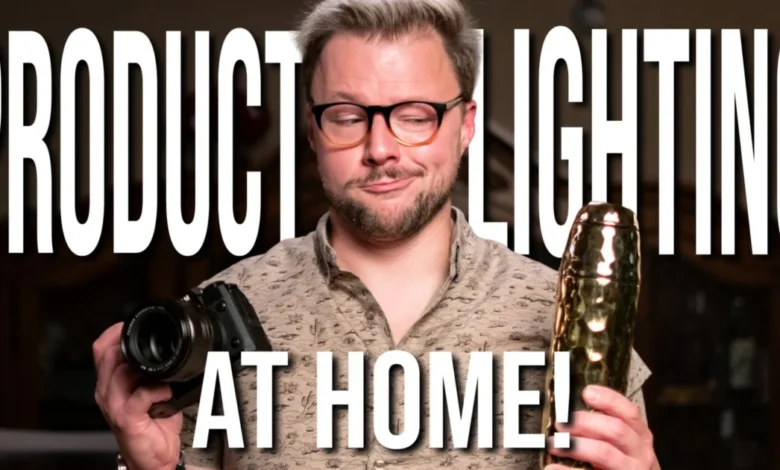
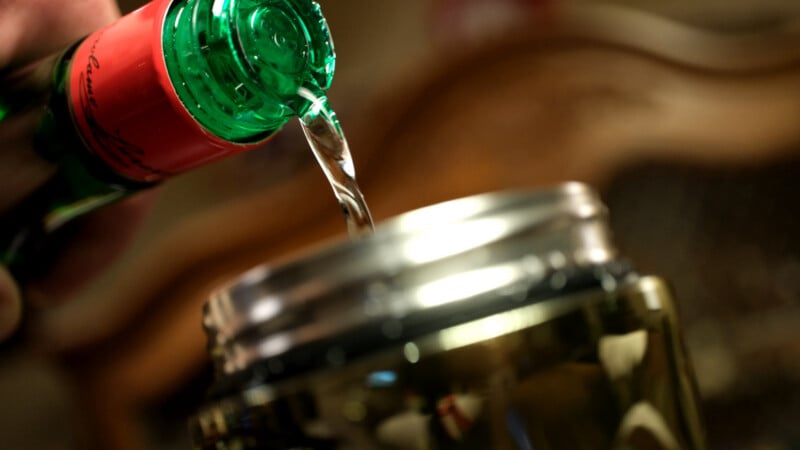
Recently, a prominent culinary brand, known for its high-quality kitchenware, approached a content creator to provide feedback on an unreleased product: a sophisticated cocktail shaker. Instead of merely completing a survey, the creator proposed an ambitious alternative: producing a comprehensive promotional product video directly from their home. This initiative highlights a growing trend among brands to collaborate with creative individuals who can deliver compelling visual content without the need for traditional studio setups, demonstrating the power of ingenuity and accessible technology in modern marketing.
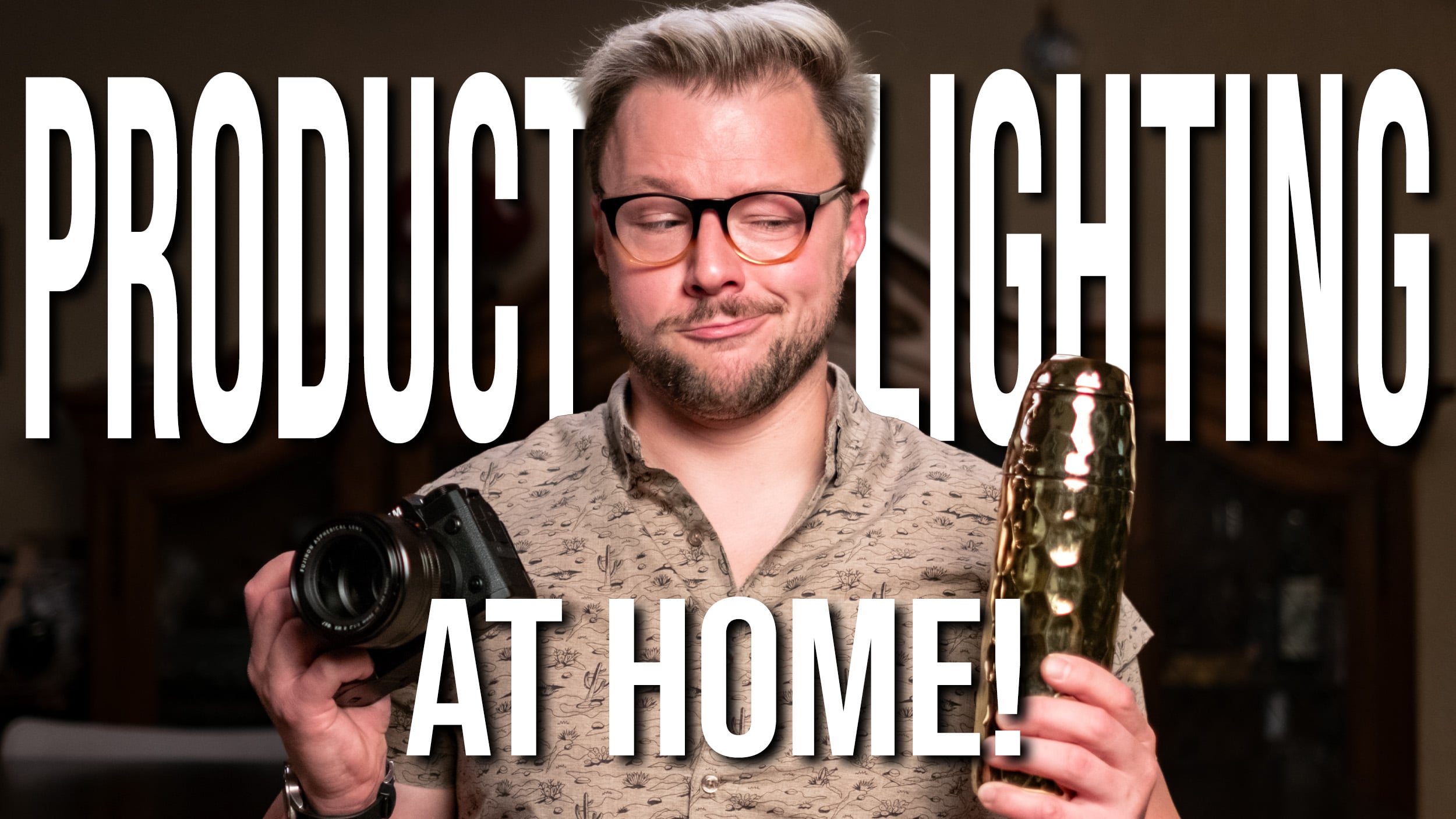
The project began with the brand sending the prototype shaker to the creator, requesting a hands-on evaluation through cocktail preparation and subsequent survey completion. However, the creator, recognizing a more dynamic opportunity, opted to transform the feedback process into a full-fledged video production. This decision not only fulfilled the brand’s initial request for product testing but also generated valuable marketing assets, showcasing the shaker’s functionality and aesthetic appeal in a realistic, relatable environment. The creator’s background, while not strictly in product photography, encompassed a strong understanding of visual storytelling and the technical aspects of capturing appealing product imagery, setting the stage for a successful outcome.
Mastering Light: The Foundation of Reflective Product Videography
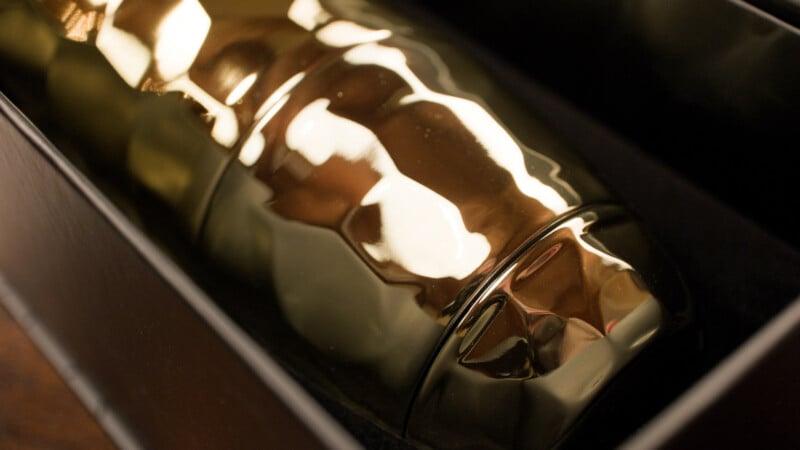
The cocktail shaker in question was described as a visually striking piece, boasting a sleek design characterized by numerous faceted gold elements. This inherent reflectivity, while contributing to its luxurious appearance, presented a significant challenge for the creator: controlling and shaping the light. Effective lighting is paramount in product videography, especially for metallic and reflective surfaces, as it dictates how textures, contours, and finishes are perceived by the viewer.
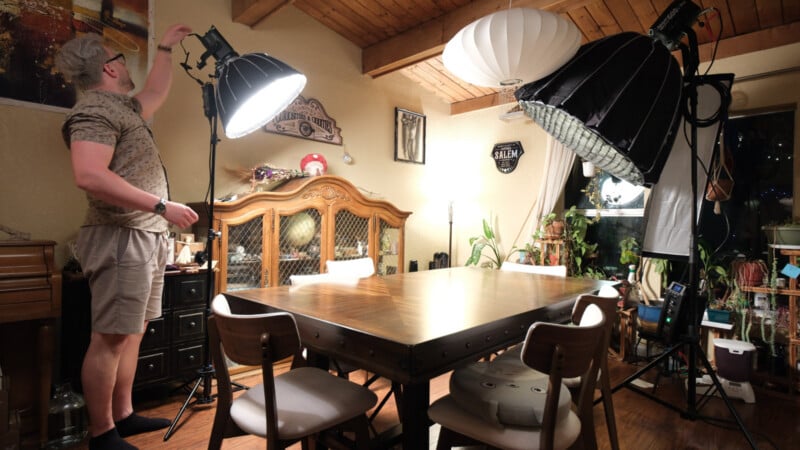
To overcome the inherent challenges of ambient light interference, the creator implemented a strategic approach to create a controlled shooting environment. While ideally, a nighttime shoot would offer complete darkness, the creator’s personal time constraints as a parent of a young child necessitated an alternative. The chosen solution involved meticulously blacking out the primary window in the dining room and drawing the curtains on a secondary window, effectively approximating a full blackout. This meticulous control over the light source allowed for precise manipulation of color temperature, a crucial element in achieving a desired mood and accurately representing the product’s materials. The creator opted to balance the color temperature around 2,700 to 2,900 Kelvin, a range that typically produces warm, inviting tones, complementing the golden hues of the shaker and the overall dining room ambiance.
The lighting setup itself was carefully orchestrated. A primary key light, an Aputure 600 Bicolor LED, was fitted with a medium dome softbox and directed towards the cocktail preparation area. To further refine the light’s behavior and prevent unwanted spill, a grid was attached to the softbox. This accessory is instrumental in narrowing the beam of light and focusing it precisely where needed, minimizing light scattering onto unintended surfaces. Complementing the key light, two Nanlite 150 units served as edge lights, designed to create separation between the product and its background, thereby enhancing its three-dimensional appearance. One Nanlite 150 was equipped with a small circular dome softbox, while the other utilized a narrow Godox softbox, a choice often made for its efficacy in confined spaces. Grids were also applied to these edge lights to maintain precise control over light spill, ensuring a clean and professional look. This multi-point lighting strategy is a standard practice in high-end product videography, aimed at sculpting the product and highlighting its finest details.
Injecting Dynamism: The Art of Movement in Product Videography
Beyond static shots, the creator understood that modern product videography thrives on movement. While tripods provide stability for detailed close-ups and controlled framing, the essence of dynamic product visuals often lies in camera or subject motion. The creator employed a combination of established techniques and innovative solutions to imbue the video with a sense of fluidity and visual interest.
A motorized 30-inch slider was utilized for smooth, controlled push-in shots, a technique that draws the viewer’s attention progressively closer to the product. However, for cylindrical items like the cocktail shaker and glass, a more immersive perspective was desired. To achieve this, the creator incorporated a small turntable. This device enabled the camera to maintain a fixed focus on the product while the product itself rotated, allowing for a 360-degree view and capturing the interplay of light reflecting off the shaker’s facets from every angle. This method is particularly effective for showcasing intricate designs and lustrous finishes.
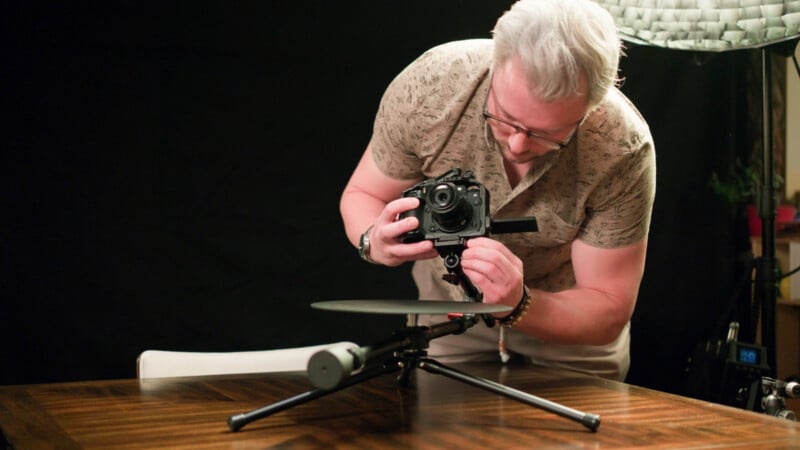
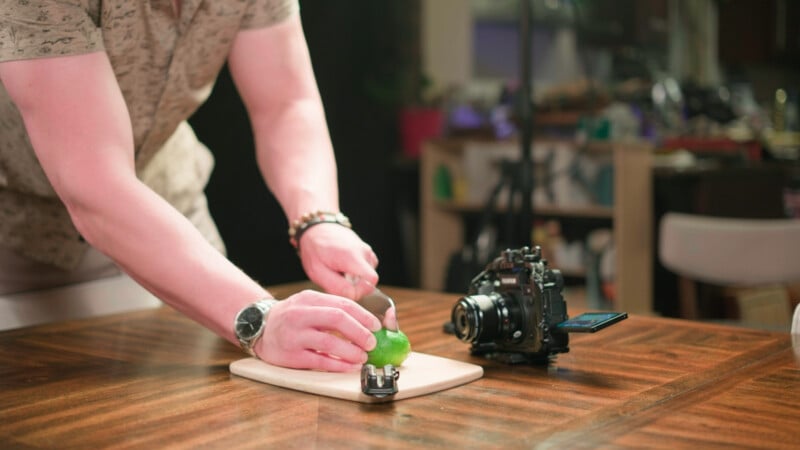
Tripod shots were instrumental in capturing a variety of essential details. This included macro shots of ingredients being prepared, such as a lemon being squeezed into a cocktail, and close-ups of the meticulous process of citrus slicing. The creator emphasized the importance of finding the right manual focus and orchestrating all on-screen action within that specific focal plane, a technique that demands precision and patience. Additionally, overhead shots were captured by positioning the tripod on the dining table and directing the camera downwards, again relying on manual focus to maintain sharpness.
With the static shots completed, the turntable became the centerpiece for more dynamic sequences. The shaker was placed on the turntable, focus was meticulously set, and multiple takes were executed to capture various movement patterns. The creator also opted to shoot these sequences at 120 frames per second. This higher frame rate is a common technique in videography, offering the flexibility to create smooth slow-motion effects during the editing process, adding a layer of visual sophistication and impact.
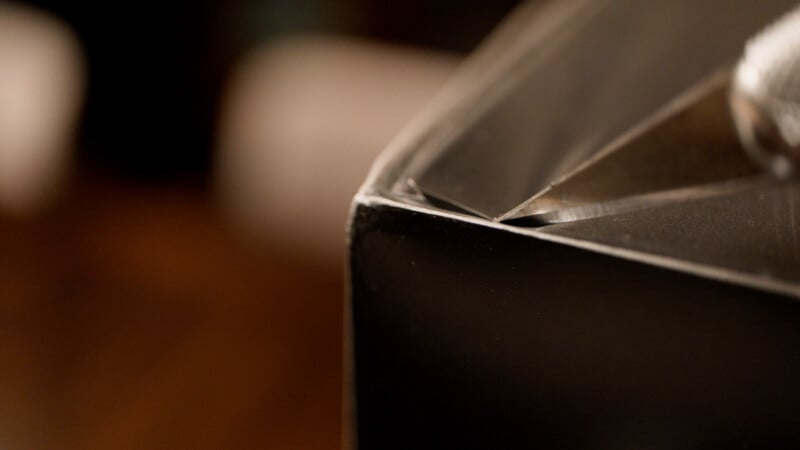
The slider was employed for a particularly inventive shot, designed to push the tool’s capabilities. The objective was to simulate a razor blade gliding across the product’s plastic packaging. Instead of moving the camera, the creator kept the camera stationary and placed the packaging on the slider. This clever reversal of the typical setup created the illusion that the camera was tracking the blade’s movement, when in reality, it was the packaging that was in motion. This technique is a testament to the creator’s ability to think outside the box and achieve sophisticated visual effects with limited equipment.
Strategic Execution and Broader Implications
The creator’s decision to forgo a traditional survey in favor of a video production demonstrates a strategic understanding of modern marketing demands. In an era where visual content reigns supreme, particularly on social media and e-commerce platforms, a well-produced video can be significantly more impactful than a written report. The brand, by embracing this creative approach, not only received valuable product feedback but also acquired high-quality promotional material that can be used across various marketing channels.
The success of this project underscores several key trends in content creation and brand partnerships. Firstly, it highlights the increasing reliance on independent creators and influencers who possess specialized skills and unique perspectives. Brands are recognizing the value of tapping into these networks to generate authentic and engaging content that resonates with specific target audiences. Secondly, it emphasizes the democratization of high-quality production. With advancements in camera technology, lighting equipment, and editing software, professional-grade content can now be produced outside of expensive studio environments. This allows smaller businesses and even individual creators to compete with larger entities in terms of visual appeal.
The creator’s own reflection on the project – that one does not need a dedicated studio to shoot compelling product work – serves as a powerful message. The core principles of effective product videography, as demonstrated in this case, revolve around controlling light, introducing motion, and innovating with available resources. The ability to adapt and create within constraints, such as limited space and time, is a hallmark of resourceful content creation. The implication for brands is that they can foster collaborations that are both cost-effective and creatively potent, by empowering creators to leverage their existing environments and skill sets.
This initiative by the culinary brand and the creator serves as a case study in adaptive marketing strategies. It suggests that by embracing unconventional approaches and collaborating with talented individuals, brands can generate impactful marketing assets that are both visually stunning and strategically aligned with contemporary consumer engagement. The "moral of the story," as the creator articulated, is to continuously create and challenge oneself, avoiding self-imposed limitations based on equipment or location. This mindset is crucial for anyone looking to produce high-quality visual content in today’s dynamic digital landscape.