The historical consensus in professional photography has long categorized direct, on-camera flash as a technical error—a practice to be avoided due to its tendency to produce harsh shadows, red-eye, and unflattering, "flat" lighting. However, a significant paradigm shift in commercial, fashion, and event photography has reclaimed this aesthetic. Once considered a hallmark of amateurism, the deliberate use of direct flash has evolved into a sophisticated stylistic choice favored by high-fashion editorials and commercial campaigns. Photographers such as Terry Richardson notably institutionalized the look, transforming the harsh, high-contrast aesthetic into a coveted editorial signature. Today, understanding the precise application of direct flash is not merely a backup plan for low-light scenarios; it is a specialized skill set required for modern visual storytelling.

The Evolution of the Direct Flash Aesthetic
The rise of the direct flash aesthetic can be traced back to the late 20th century, when fashion photographers began to move away from the highly polished, soft-box-dominated imagery of the studio. By utilizing direct, on-camera lighting, photographers were able to create an "edgy," raw, and spontaneous look that resonated with youth culture and street-style media. This shift was largely driven by a desire for authenticity. Unlike the soft, directional light of a studio setup, which emphasizes idealized forms, direct flash produces high-contrast, "crunchy" shadows that cling to the contours of the subject.
Commercial entities, including major apparel brands and lifestyle publications, quickly adopted this style to differentiate their imagery in an increasingly saturated digital marketplace. The aesthetic implies a sense of immediacy—the feeling that the photograph was captured in the moment, without the intervention of complex lighting rigs or long preparation times.

Technical Parameters and Hardware Considerations
Achieving a professional-grade direct flash image requires more than simply mounting a speedlight to a hot shoe. The primary technical challenge lies in managing the harshness of the light and the placement of shadows. When a flash is mounted directly above the lens, it tends to create a halo-like shadow behind the subject, which can look jarring if not controlled.
To mitigate these issues, professional photographers utilize specific hardware configurations. Camera brackets, such as the Vello Speedy series, are essential tools for vertical orientation. By keeping the flash positioned above the lens axis regardless of whether the camera is held in landscape or portrait mode, photographers ensure that shadows remain consistent behind the subject rather than shifting to the side, which can create an unnatural and sloppy appearance.

Furthermore, the choice of light source—whether a standard speedlight like the Profoto A1 or a specialized ring light—significantly impacts the final image. A ring light provides a unique wrap-around light quality that is nearly shadowless, whereas a standard speedlight offers a more directional, punchy result. Data from recent industry workshops suggests that photographers who master the balance between ambient light and artificial fill are the most successful at avoiding the "point-and-shoot" stigma associated with the technique.
Implementation in Event and Wedding Photography
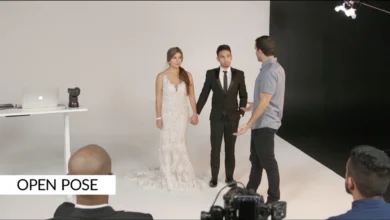
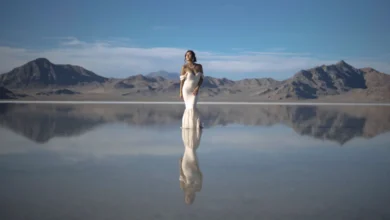
While fashion photography uses direct flash as a stylistic choice, wedding and event photographers often rely on it as a critical necessity. The unpredictability of wedding receptions, particularly in venues with high, dark ceilings or outdoor settings where bounce surfaces are unavailable, makes traditional lighting techniques difficult to execute.

In these environments, the objective is to use the flash to supplement the ambient light without overpowering it. Professional standards dictate that the ambient exposure should be established first. By setting the camera to capture the mood of the room—often through a slightly slower shutter speed or higher ISO—the flash serves only to illuminate the subjects. If the flash power is too high, the resulting image looks "cut out" from the background, a common sign of amateur intervention. When properly executed, the flash should feel integrated, providing just enough detail to the subjects while maintaining the atmospheric integrity of the venue.
Data-Driven Approaches to Light Management
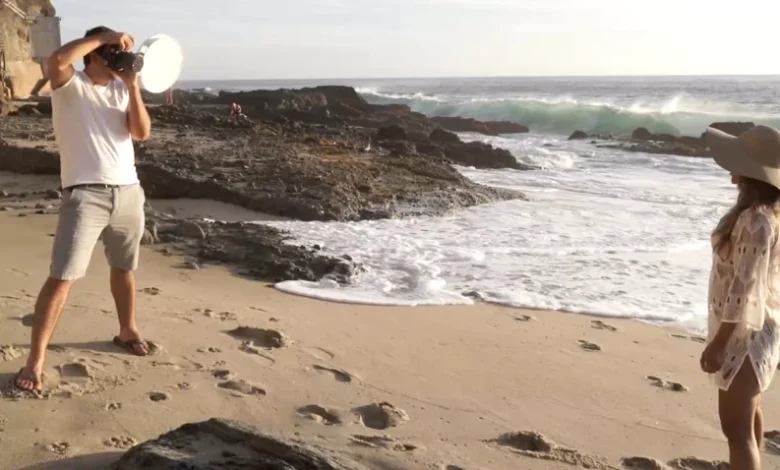
Analysis of lighting techniques reveals that the most effective way to improve direct flash imagery is through subtle modification. Even a simple, improvised diffuser can significantly reduce the "hot spots" caused by the raw flash head. The physics of light dictates that increasing the surface area of the light source results in softer transitions. Therefore, utilizing any available material to diffuse or bounce the light—even in a makeshift manner—is a standard practice among seasoned professionals.

Key metrics for success in direct flash include:
- Flash-to-Subject Distance: Maintaining a consistent distance is paramount. Due to the inverse square law, small changes in distance result in dramatic changes in light intensity.
- Ambient-to-Flash Ratio: The most professional results occur when the flash is utilized at the lowest possible power setting, acting as a secondary fill rather than the primary light source.
- Background Proximity: The distance between the subject and the background determines the intensity of the shadows. Moving subjects closer to a wall creates more defined, prominent shadows, while increasing the distance allows the shadows to dissipate, creating a cleaner look.
The Impact of Direct Flash on Modern Visual Culture
The implication of the "direct flash revival" is that professional photography is moving toward a more versatile, less rigid methodology. In an era where mobile photography dominates social media, the "direct flash" look—which was once the natural result of limited phone camera hardware—has been elevated to a high-art status. By applying professional lighting principles to this formerly "cheap" aesthetic, photographers have created a bridge between the high-production studio environment and the reality of the field.

Industry analysts note that this trend is likely to persist as long as there is a demand for imagery that feels unfiltered and authentic. The transition from "unprofessional" to "editorial" represents a wider trend in visual arts where technical imperfections are recontextualized as artistic choices.
Strategic Recommendations for Photographers
To integrate direct flash into a professional workflow, practitioners should adhere to a disciplined process:

- Expose for the Environment: Never allow the flash to be the primary driver of the image’s overall exposure. Use manual camera settings to ensure the background is properly captured before introducing the flash.
- Bracket for Consistency: Invest in quality mounting equipment to maintain light positioning. Consistency in shadow placement is what separates a professional shot from a casual snapshot.
- Exercise Restraint: The temptation to over-illuminate is high. Using the lowest power setting that provides adequate subject definition will always yield a more natural and sophisticated result.
- Consider the Context: Use direct flash as a stylistic tool for editorial work and as a functional necessity for event work. Understanding the "why" behind the technique ensures that it is applied appropriately to the specific requirements of the assignment.
In conclusion, direct, on-camera flash remains one of the most misunderstood and underutilized tools in the photographer’s kit. When managed with technical precision and an eye for the desired aesthetic, it becomes a powerful instrument for creating bold, high-contrast, and visually arresting imagery that stands out in a competitive, content-heavy world. By moving beyond the archaic rule that "direct flash is bad," photographers can expand their creative horizons and offer clients a unique, editorial style that defines the contemporary visual landscape.