Cricut Revolutionizes Desktop Customization with the Launch of the StickerPix Print and StickerPix Print Plus Cut Systems

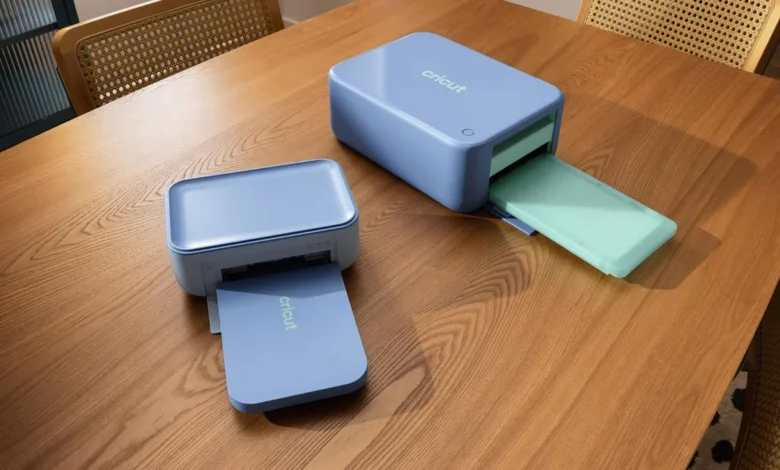
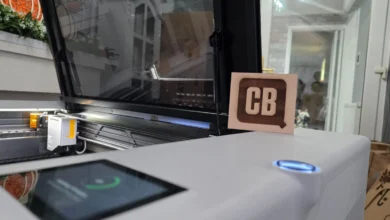
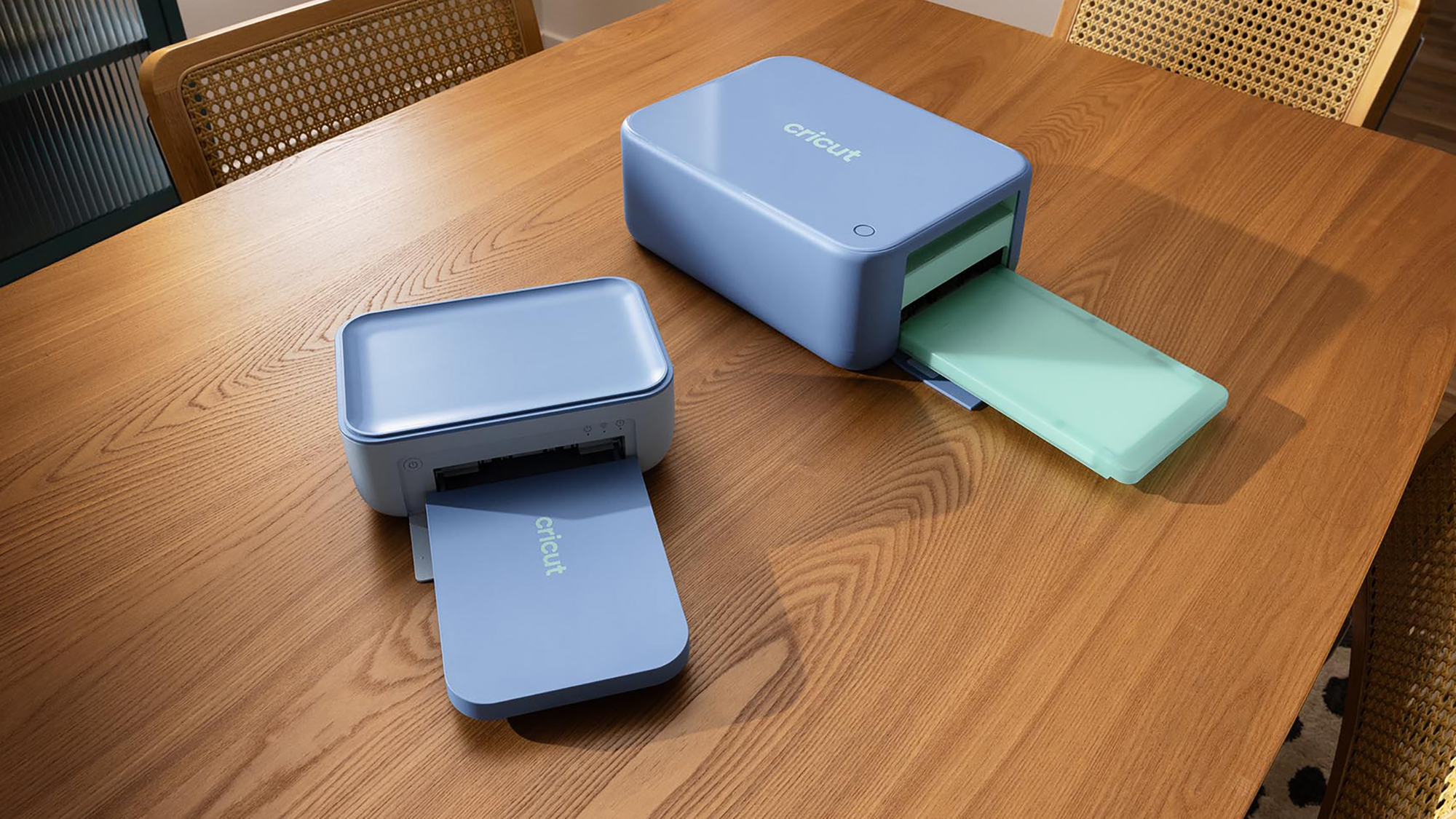
The craft technology sector has entered a new phase of professional-grade desktop manufacturing with the official release of the Cricut StickerPix Print and the Cricut StickerPix Print + Cut. These two devices, engineered to bring high-resolution, durable sticker production into the home and small business environment, represent a significant expansion of the Cricut ecosystem. By leveraging advanced dye-sublimation technology, these machines aim to bridge the functional gap between industrial-grade printing and consumer-friendly crafting tools.
Technological Advancements in Desktop Printing
At the core of the new StickerPix lineup is 300 DPI (dots per inch) dye-sublimation technology. Unlike traditional inkjet printing, which places ink droplets on the surface of a material, dye-sublimation uses heat to transition ink into a gas, which then infuses into the specialized polymer-coated paper. This process results in images that are not only vibrant and color-accurate but also inherently resistant to moisture, smudging, and ultraviolet light degradation.
The integration of an automatic lamination process within these compact units is a critical technical achievement. By applying a protective layer during the output phase, the machines ensure that the final product is scratch-resistant and durable enough for long-term use on high-touch items such as reusable water bottles, industrial storage containers, and promotional merchandise.
Product Specifications and Model Differentiation
Cricut has structured the launch into two distinct tiers, catering to different operational needs:
- Cricut StickerPix Print: Positioned as the entry-level solution for users requiring efficiency and uniformity, this model is designed for use with pre-cut sticker sheets. Priced at £159.99 for the essential bundle, it facilitates the rapid production of logos, informational labels, and QR codes. It is optimized for environments where consistency and speed of output are prioritized over complex, irregular shapes.
- Cricut StickerPix Print + Cut: This advanced iteration, retailing at £249.99 for the essential bundle, incorporates a precision-engineered automated cutter. This feature allows the machine to perform "kiss-cuts"—a technique where the design is cut through the sticker material while leaving the protective backing sheet intact. This allows for intricate, custom-shaped stickers that can be peeled and applied with ease.
Both models are fully integrated with the Cricut Design Space software, a cloud-based application that serves as the central hub for user projects. This connectivity allows users to import high-resolution digital files, adjust layout parameters, and execute print commands directly from smartphones, tablets, or desktop computers.
Market Context and Strategic Evolution
The introduction of the StickerPix series follows a multi-year trend in the "maker movement," where small business owners and digital artists have increasingly sought professional-quality finishing capabilities without the massive capital expenditure required for commercial printing presses. Historically, the sticker market was bifurcated: users either relied on high-cost third-party print shops or struggled with the quality limitations of desktop inkjet printers that lacked integrated lamination.
Cricut’s entry into this specific niche serves as a strategic diversification. While the company is historically recognized for its vinyl-cutting machines, the StickerPix series marks a pivot toward a more holistic "print-and-manufacture" approach. By controlling the hardware, the software interface, and the proprietary media (sticker paper and laminates), Cricut is creating a "walled garden" ecosystem that prioritizes ease of use and reliability.
Economic Implications for Small Businesses
For the burgeoning creator economy, these machines offer a tangible improvement in production workflows. Etsy sellers, independent illustrators, and local market vendors often face high overheads when outsourcing small-batch production. The ability to print, laminate, and cut a custom sticker run on-demand reduces waste, eliminates minimum order quantities from external suppliers, and allows for faster iterations of product designs.
Furthermore, the durability offered by the dye-sublimation process elevates the perceived value of the stickers. For small businesses, this means the difference between a paper label that deteriorates in a refrigerator or dishwasher and a high-end, weather-resistant product that maintains its aesthetic integrity. This shift in quality is likely to influence how creators price their products and interact with their customer base.
Comparative Industry Analysis
When evaluated against existing label makers and portable printers currently on the market, the StickerPix series occupies a distinct middle ground. Traditional office label makers—often thermal-based—are limited to monochromatic, text-heavy output. Conversely, professional-grade wide-format printers are prohibitive in both cost and physical footprint.
The StickerPix range mirrors the success of the "instant print" photography market while adding the functionality of specialized die-cutting. Analysts note that by focusing on a specific, high-demand output—stickers—Cricut is successfully avoiding the complexity of a general-purpose printer while offering a level of precision that general-purpose craft cutters struggle to achieve in a single, seamless workflow.
Future Outlook and User Experience
The success of the StickerPix ecosystem will likely hinge on the availability and cost-effectiveness of the proprietary materials required to operate the machines. As with many printer manufacturers, the ongoing revenue model is tethered to the sale of consumables. For the end-user, the cost per sticker will be a primary metric for determining the long-term viability of these devices for large-scale production.
However, for the casual hobbyist and the boutique brand owner, the value proposition remains high. The reduction of the "setup time" traditionally associated with print-then-cut workflows—where users previously had to print on one machine and cut on another—represents a significant improvement in efficiency.
Official Stance and Market Reaction
While Cricut has not released specific sales figures, the early industry reaction has been characterized by interest from the digital design community. Representatives from the company have emphasized that the development of the StickerPix was a direct response to user feedback regarding the demand for a more integrated, "one-stop" solution for sticker production.
By consolidating the printing and cutting stages into a single, compact unit, Cricut is addressing the most frequent pain points reported by its user base: misaligned cuts, the need for external lamination, and the difficulty of sourcing high-quality, weather-resistant materials. As these units become available in retail channels, the primary focus for early adopters will be testing the limits of the machine’s software-to-hardware communication and the longevity of the finished products under real-world conditions.
Conclusion
The launch of the Cricut StickerPix Print and StickerPix Print + Cut is more than a simple product update; it is an acknowledgment that the boundary between professional manufacturing and creative hobbyism is increasingly blurred. As desktop technology continues to shrink in size while growing in capability, the ability to produce high-fidelity, durable graphics has moved from the factory floor to the kitchen table. Whether for the entrepreneur looking to scale a brand or the hobbyist looking to organize their space, the StickerPix series provides a sophisticated, albeit proprietary, pathway to professional results. As the product enters its first full cycle of public testing, it will be the performance and reliability of the internal lamination and cutting mechanisms that will ultimately determine its long-term impact on the craft technology landscape.