Coroner to the Stars Documentary Screening Starring Dr. Noguchi, Directed by Ben Hethcoat

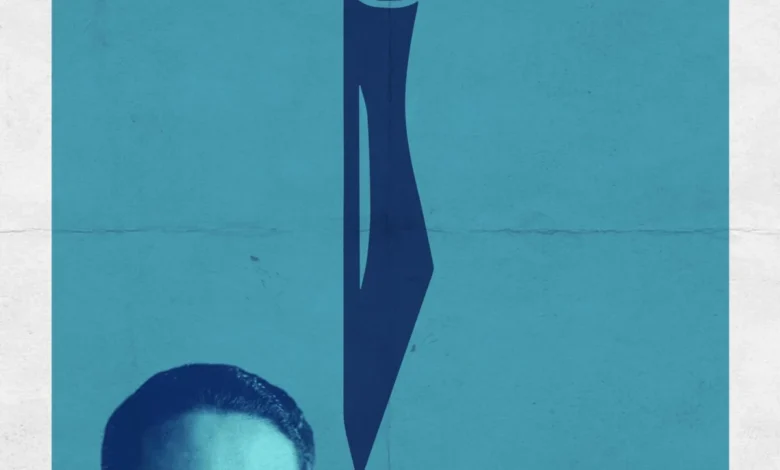
The burgeoning independent film scene in Southern California’s Coachella Valley recently served as the backdrop for a compelling cinematic event as Festival Theaters in Palm Springs hosted a special screening of the documentary Coroner to the Stars. The venue, recognized increasingly as a community-driven sanctuary for arthouse cinema, provided an intimate setting for a project that delves deeply into the complex legacy of Dr. Thomas Noguchi. Following the screening, the audience engaged in a robust discussion during a question-and-answer session led by Festival Theaters General Manager Zack Solomon and the film’s director, Ben Hethcoat.
The documentary, which examines the life and career of the legendary Los Angeles County Chief Medical Examiner-Coroner, bridges the gaps between forensic science, media sensationalism, and high-profile Hollywood history. As independent cinema continues to find resilient distribution avenues outside of traditional studio systems, Coroner to the Stars stands out as a meticulous character study of a man who irrevocably changed the practice of modern forensics.
Origins of the Project and the $1 Discovery
The journey of bringing Dr. Noguchi’s story to the screen began in an unexpected place: a bargain rack at a Los Angeles bookstore. Hethcoat revealed during the post-screening discussion that his producer stumbled upon Dr. Noguchi’s 1983 memoir, Coroner, priced at just one dollar. Struck by the narrative potential, the production team began considering how to translate the sweeping historical weight of the book into a visual medium.
For Hethcoat, taking on the project held a distinct personal resonance. Having grown up with a father who worked as a coroner, Hethcoat possessed a pre-existing familiarity with the solemnity, clinical detachment, and psychological weight inherent to the profession. This background granted the director a unique empathetic lens through which to view Dr. Noguchi’s career—one that extended far beyond the sensational tabloid headlines that frequently defined his tenure in the public eye.
Earning Trust: Overcoming Skepticism and the Shadow of the Press
Securing the participation of Dr. Noguchi was neither immediate nor straightforward. Throughout his decades in the public eye, the famed medical examiner had grown deeply wary of journalistic endeavors. Having weathered intense media scrutiny during the height of his career—where sensationalized reporting frequently overshadowed his scientific contributions—Dr. Noguchi was naturally hesitant to engage with filmmakers. He feared falling victim to another "gotcha" piece designed to exploit tragedy rather than elucidate truth.
Consequently, Hethcoat faced a significant hurdle in gaining the subject’s confidence. The director had to demonstrate patience, authenticity, and a genuine commitment to exploring the scientific and human reality of forensic pathology rather than rehashing stale gossip. Over time, that persistent dedication broke down the barriers of skepticism. Today, the professional relationship has blossomed into a personal bond; Hethcoat maintains a weekly routine of visiting the now-99-year-old Dr. Noguchi, where the two share Japanese curry and discuss the ongoing journey of the film.
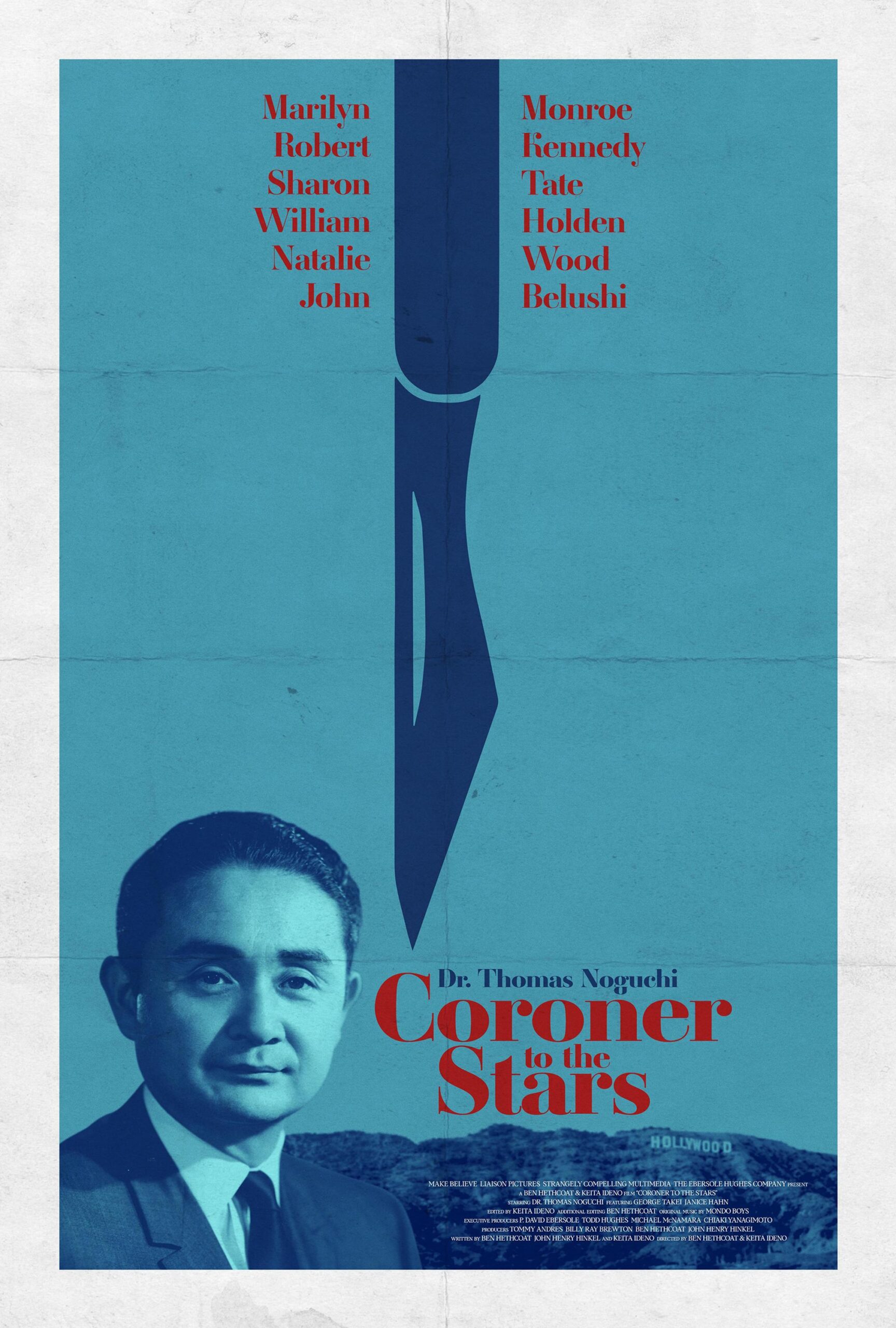
Reflecting on an early cut of the documentary, Dr. Noguchi articulated his primary motivation for participating in the project. In a statement highlighted during the production’s promotional phases, the former coroner expressed a singular hope: "I hope people will watch this film and see that I have dedicated my life to forensics."
Evolution of the Narrative: From Celebrity Tragedies to a Portrait of Science
Initially, the documentary’s conceptual framework leaned heavily into the labyrinthine mysteries of Hollywood’s most famous deceased icons. Dr. Noguchi earned his moniker, "Coroner to the Stars," by presiding over the autopsies of some of the 20th century’s most celebrated and culturally significant figures. His tenure at the Los Angeles County Coroner’s Office coincided with a volatile era of American celebrity, during which he performed or supervised post-mortem examinations on Marilyn Monroe, Natalie Wood, Robert F. Kennedy, Janis Joplin, William Holden, and Sharon Tate.
However, as Hethcoat and his editorial team progressed through the filmmaking process, the narrative naturally shifted. While the gravitational pull of Marilyn Monroe and Robert F. Kennedy remains an undeniable hook for audiences, the documentary pivots toward a deeper investigation of Dr. Noguchi himself. The film presents him not merely as a passive observer of tragedy, but as a pioneer navigating the perilous intersection of rigorous scientific methodology, intense celebrity culture, and high-stakes political pressure.
Dr. Noguchi’s career was defined by groundbreaking advancements in forensic pathology, yet it was equally punctuated by institutional friction. His proactive public communication style—at a time when coroners typically remained silent civil servants—frequently put him at odds with political leadership and law enforcement agencies. By shifting the lens inward, the documentary successfully humanizes a figure who spent decades operating under the relentless glare of public curiosity.
The Intersection of Forensics, Politics, and Public Relations
To fully understand the weight of Coroner to the Stars, one must examine the institutional landscape of the Los Angeles County Coroner’s Office during Dr. Noguchi’s tenure from 1967 to 1982. Appointed to the position after rising through the ranks, Noguchi revolutionized the office by transforming it from a traditional morgue into a modern medical-legal investigative agency. He advocated for the establishment of the forensic science center that would later bear his name, emphasizing toxicology, neuropathology, and meticulous scene investigation.
Yet, these scientific advancements occurred within a pressure cooker of media attention and political scrutiny. The autopsy reports he authored or defended—particularly regarding Marilyn Monroe (ruled a probable suicide, though frequently scrutinized by conspiracy theorists) and Robert F. Kennedy (where he challenged aspects of the official ballistics consensus)—thrust him into international headlines. His willingness to publicly debate findings and testify before the media broke long-standing bureaucratic taboos.
This transparency, while hailed by open-government advocates, drew the ire of local politicians and peers who believed a coroner should maintain strict operational discretion. In 1982, amid political friction and administrative controversies, Dr. Noguchi was demoted from his position as department head, though he remained a prominent physician and professor of forensic pathology, training a new generation of medical examiners. Hethcoat’s documentary captures this tumultuous tightrope walk, illustrating the personal cost of modernizing a public institution under the watchful eye of a sensationalist press.
Distribution Status and Future Outlook
As independent documentaries navigate an increasingly complex distribution landscape, Coroner to the Stars is carefully carving out its path to global and domestic audiences. During the Palm Springs screening, Hethcoat provided updates regarding the film’s commercial trajectory, noting that an initial international version has already been successfully acquired for distribution in the Czech Republic.
However, a definitive release date or platform for widespread availability within the United States remains to be officially determined. Industry analysts suggest that niche documentaries of this caliber frequently rely on a robust festival circuit run to build organic momentum, secure critical reviews, and attract major streaming or theatrical distributors.
For attendees at Festival Theaters, the opportunity to experience the film in a community-centric environment offered a rare glimpse into a work-in-progress that honors a monumental figure in American history. Zack Solomon, General Manager of Festival Theaters, emphasized during the post-screening discussion the importance of hosting such regional premieres, noting that independent cinemas serve as vital incubators for challenging, non-fiction storytelling.
Broader Impact and Implications for the True Crime Genre
In an era dominated by hyper-commercialized true-crime television series, podcasts, and streaming docudramas that frequently prioritize shock value over empirical accuracy, Coroner to the Stars offers a necessary corrective. By centering its narrative on the actual mechanics of forensic science and the psychological endurance required of those who practice it, the film elevates the discourse surrounding death investigation.
Dr. Noguchi’s legacy, as examined through Hethcoat’s directorial vision, underscores the evolution of forensic pathology from a rudimentary investigative tool into an exact science capable of shaping civil rights, legal precedents, and public health policies. The documentary does not shy away from the controversies that marked his career; instead, it contextualizes them within the broader framework of an imperfect system striving for objective truth amid the chaotic backdrop of mid-century celebrity culture.
For cinephiles, history enthusiasts, and professionals within the medical and legal communities, Coroner to the Stars promises to be a landmark exploration of a remarkable life. As the film continues its journey toward broader domestic distribution, it serves as a timely reminder that behind every historic headline lies the meticulous, often grueling labor of science—and the dedicated individuals who spent their lives in pursuit of answers.