Beyond the Surface: Addressing Systemic Barriers to Diversity in the British Animation Industry

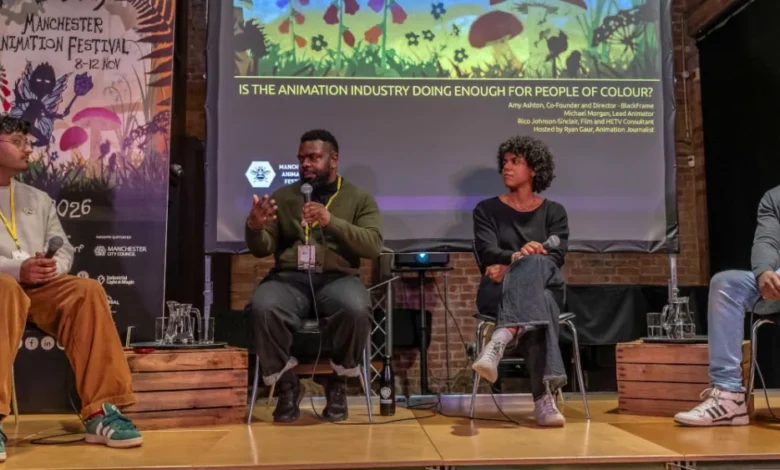
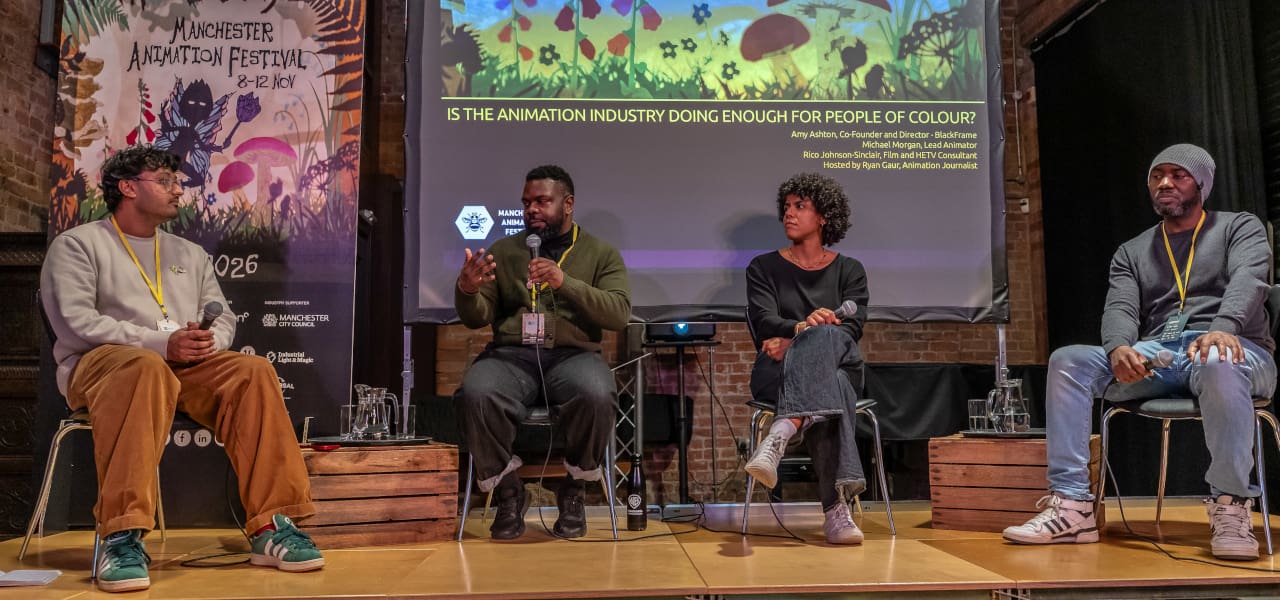
The question of whether the animation industry is doing enough to support and elevate people of color is no longer a matter of mere debate; it is a critical assessment of the sector’s operational ethics and long-term sustainability. At the 2026 Manchester Animation Festival, a panel of industry experts convened to dissect the pervasive lack of diversity in leadership roles within the British animation sector. Moderated by writer Ryan Gaur, the 80-minute session—titled "Representation and Power in Animation"—featured insights from inclusion strategist Rico Johnson-Sinclair, BlackFrame co-founder Amy Ashton, and senior animator Michael Morgan. The consensus among the speakers was that while diversity rhetoric has increased, substantive structural change remains elusive, often hindered by entrenched hiring biases and a lack of investment in mid-to-senior level talent.
Historical Context and the Post-2020 Pivot
To understand the current state of representation in animation, one must look back to the 2020 global surge in social justice activism following the death of George Floyd. During this period, major animation studios and production houses publicly pledged to diversify their workforces and leadership pipelines. For a brief window, there was an uptick in initiatives aimed at recruitment and inclusive storytelling. However, the panelists noted a distinct shift in the years since, with many organizations retreating from these commitments as economic pressures mounted and the political climate shifted.
Michael Morgan, a senior animator with nearly two decades of experience, observed that the initial momentum has largely dissipated. He noted that even in large-scale productions with crews numbering in the hundreds, the presence of Black animators remains starkly low, particularly in supervisory and decision-making roles. This creates a cycle where junior talent is recruited but lacks the mentorship or upward mobility necessary to reach positions of influence, ultimately leading to a "leaky pipeline" where diverse talent exits the industry in favor of more inclusive sectors.
The Myth of Talent Scarcity
One of the most persistent barriers to diversity is the unfounded narrative that diverse talent is difficult to source. This misconception serves as a convenient justification for maintaining the status quo. Amy Ashton, who co-founded the organization BlackFrame to combat this very issue, emphasized that the talent is not missing; rather, the mechanisms used to find it are fundamentally flawed.
"Our very first event was sold out, and it became immediately clear that the community is not only present but highly skilled," Ashton stated during the panel. The challenge lies in the fact that many established studios rely on insular networks—hiring through referrals rather than open, transparent processes—which naturally excludes those outside the traditional majority demographic. By building a dedicated database, BlackFrame aims to remove the "I couldn’t find anyone" excuse, forcing a reckoning with the real barrier: a lack of intentionality in outreach and hiring.
Data and Structural Bias in Hiring
The systemic nature of this issue is supported by broader labor statistics in the creative industries. According to data from the British Film Institute (BFI) and various arts councils, while entry-level positions in UK creative sectors show moderate ethnic diversity, the "diversity gap" widens exponentially as one moves up the organizational chart. Research suggests that employees from marginalized backgrounds are significantly less likely to receive the sponsorship and promotion opportunities afforded to their counterparts, often due to a "proximity bias," where leaders mentor those who mirror their own backgrounds.
Rico Johnson-Sinclair highlighted that this is not merely a failure of human resources departments but an endemic structural issue. "The hiring bias is endemic," he argued. "Organizations are under pressure to hire, but they lack the infrastructure to foster growth. You end up with people stuck in entry-level roles because there is no investment in their career trajectory." When studios fail to provide clear pathways to supervisory roles, they inadvertently signal that the organization is not designed to support the long-term success of people of color.
Political Climate and Corporate Cautiousness
The panel also addressed the impact of the current political environment on corporate diversity initiatives. Johnson-Sinclair noted that some organizations have explicitly pivoted away from visible diversity programs out of fear of political backlash or shifts in U.S. administration policies, which often influence the broader global media landscape. In the UK, where international co-productions and funding streams are heavily reliant on the US market, this "wait and see" approach has led to a noticeable silencing of diversity advocacy.
This cautious stance is not without consequence. When companies silence their support for inclusion, they alienate their current workforce and discourage new talent from entering the fold. The result is a stagnant creative culture that struggles to resonate with an increasingly diverse global audience, potentially impacting the commercial viability of future projects.
Towards a New Model: Autonomy and Grassroots Solidarity
A significant portion of the discussion focused on the necessity of "building around" the existing studio system. If mainstream institutions are unwilling or unable to reform, the panel suggested that creatives must increasingly look to independent models. By cultivating their own audiences and leveraging digital platforms, artists of color are finding ways to bypass traditional gatekeepers.
"It is down to us to topple the system and build around it," Johnson-Sinclair asserted. "Once you have your audience, you can go out there and build something for yourself." This shift toward independence is supported by the rise of grassroots collectives and mentorship programs that operate outside the purview of major studios.
For many, the solution lies in a hybrid approach: building strong internal networks for mutual support while simultaneously pressuring institutions to improve. Ashton emphasized the role of mentorship as a vital lifeline. "Finding your people, whether that’s a collective of writers or a group of animators, is essential. It provides the validation and strategic advice that you aren’t getting from your employer."
The Future of Industry Accountability
The implications for the animation industry are clear: without active, structural intervention, the gap in representation will continue to hinder the medium’s creative evolution. The panelists concluded that the responsibility for change does not rest solely on the shoulders of underrepresented talent. Rather, the onus is on the organizations themselves to move beyond performative gestures.
Meaningful progress requires a shift in focus from mere hiring numbers to retention and promotion. It necessitates transparency in pay, promotion criteria, and the allocation of resources. As the industry faces increased competition from independent creators and alternative media formats, those studios that fail to adapt their internal culture risk becoming obsolete. The path forward involves a departure from the "good intentions" model toward one of true investment—partnering with organizations that have the expertise to foster inclusive environments and prioritizing the voices of those who have been historically sidelined.
Ultimately, the Manchester Animation Festival panel served as a sobering reminder that the "barrier" is not a lack of talent, but a failure of imagination and commitment on the part of those currently holding the keys to the industry. The future of animation depends on its ability to reflect the world it creates, and that starts behind the scenes.