Behringer Announces Open-Source Kick Hardware Sampler Leveraging AI-Driven Firmware Development

The landscape of electronic music production hardware is undergoing a profound paradigm shift, highlighted by Behringer’s recent announcement of its forthcoming hardware sampler, titled "Kick." While the device immediately drew comparisons to industry standards due to its aesthetic and functional resemblance to Akai’s popular MPC One workflow, the underlying strategy behind its release marks a departure from traditional manufacturing models. Rather than relying solely on closed, proprietary software ecosystems, Behringer has proactively published the resources for its open-source firmware on GitHub prior to the hardware’s official launch. This move invites producers, software developers, and hobbyists alike to participate directly in shaping the device’s code base, a strategy that underscores a growing intersection between affordable music hardware and artificial intelligence-assisted software development.
Main Facts and Product Overview
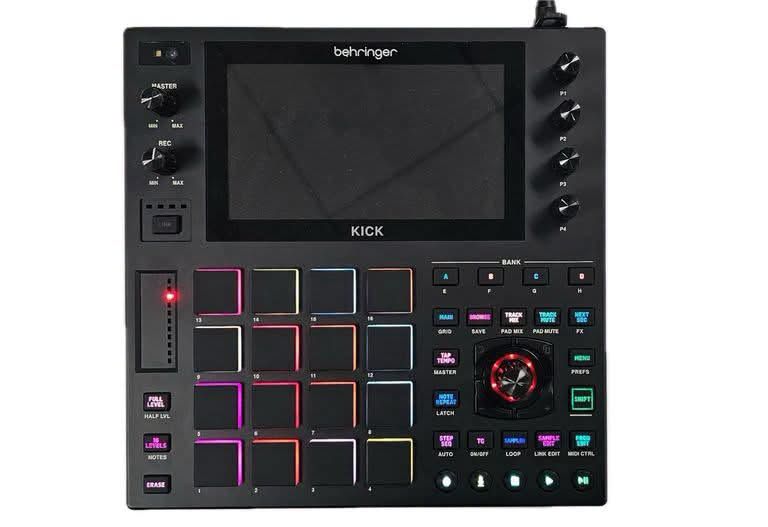
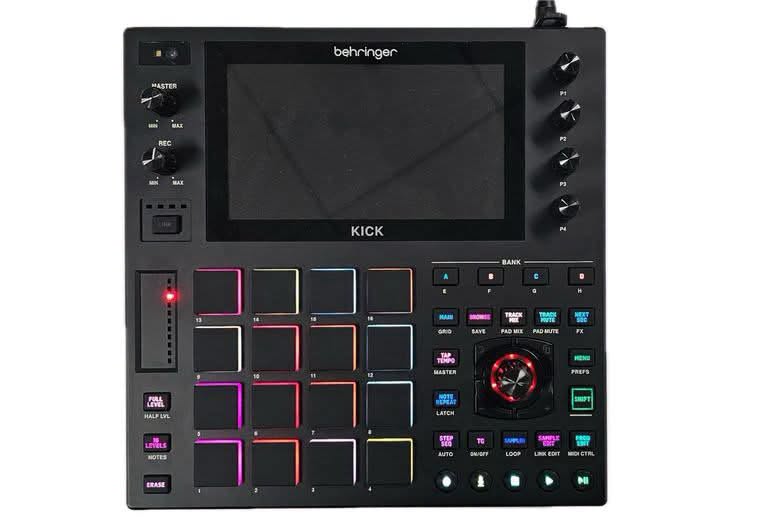
Priced at an aggressive target of $150, the Behringer Kick is designed to drastically lower the financial barrier to entry for hardware-based music production. The physical layout of the unit mirrors the familiar grid-based workflow popularized by modern production centers, featuring 16 velocity-sensitive pads, four assignable rotary encoders, a central touchscreen interface, and comprehensive audio, MIDI, and CV connectivity options.
However, the hardware specification sheet reveals several distinctive inclusions that distinguish it from similarly budgeted alternatives. Notably, the Kick incorporates an integrated optical "AI camera" designed to facilitate gesture-based control parameters during live performances or studio sessions. Additionally, the unit features a precision touchstrip—a performance control traditionally reserved for higher-end, premium workstation models rather than entry-level desktop boxes. According to early documentation hosted on GitHub, the native firmware architecture is built around an environment tentatively referred to as "JAM DAW," suggesting that the device will ship with a robust suite of out-of-the-box functions including sample editing, step sequencing, and looping capabilities.
Chronology and Corporate Context
The announcement of the Kick arrived via a targeted social media campaign that invoked the personal history of company founder Uli Behringer. In an official statement published to corporate channels, the company drew a direct line from Behringer’s early experiences as a young, budget-constrained musician in retail spaces to the enterprise’s overarching corporate mission: the democratization of music technology.
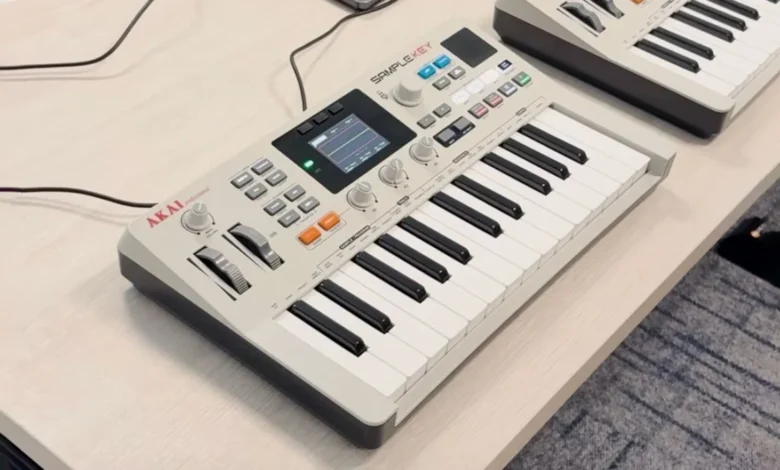
This philosophy has guided Behringer’s market trajectory over the past four decades, frequently disrupting legacy pricing models through mass-production efficiencies. The decision to open-source the Kick’s firmware, however, represents a new tactical phase in this mission. By releasing development resources concurrently with the hardware announcement, Behringer is aligning itself with an industry-wide trend toward community-driven firmware ecosystems. This movement has been paralleled by other manufacturers; competitor Akai Professional recently teased its own open-source-leaning hardware device, the MPC Sample Key, just days after the Behringer reveal, signaling a broader competitive race toward community-extensible production tools.
The Role of Artificial Intelligence in Firmware Creation
The timing of Behringer’s open-source initiative coincides with a broader technological discussion surrounding AI-assisted programming, sometimes colloquially referred to in software engineering circles as "vibe coding." In accompanying statements, Behringer explicitly highlighted the role that generative artificial intelligence can play in lowering the technical hurdles of hardware modification.
Historically, developing custom firmware or writing patches for digital signal processors (DSPs) required advanced proficiency in languages such as C or C++, effectively restricting hardware hacking to specialized engineers. By integrating AI tools into the development pipeline, Behringer posits that users with little to no traditional programming background can translate musical ideas into functional firmware features, custom effects algorithms, and unique interface behaviors. This mirrors the trajectory seen in the modular synthesizer and boutique pedal markets, where devices like M-Wave’s FM-1 digital synthesizer have successfully leveraged open software development kits (SDKs) to foster vibrant, user-generated ecosystems.
Industry Implications and Divergent Perspectives
The mainstream embrace of open-source, AI-accessible hardware introduces both significant opportunities and notable operational risks for the music technology sector. On one hand, community-driven development has a proven history of extending the lifecycle and expanding the creative potential of electronic instruments. Open ecosystems—such as those surrounding Mutable Instruments’ discontinued Eurorack modules or software platforms like VCV Rack and Surge XT—demonstrate that collaborative coding can yield resilient, highly innovative communities of practice.
Conversely, industry analysts and consumer advocates have raised questions regarding the shifting responsibilities of product maintenance. Over the past several decades, hardware manufacturers have maintained a standard obligation to issue post-release firmware updates primarily aimed at bug remediation, stability enhancements, and lifecycle extension. A model that relies heavily on a community-driven, AI-assisted user base to refine or expand device features risks blurring the lines between finished consumer electronics and minimum viable products that require external labor to reach their full potential.
This tension is already visible across the wider market. While some brands actively embrace community modifications, others have pushed back against unofficial software alterations. For instance, electronic instrument manufacturer Elektron recently banned the sharing of modified and third-party firmware on its community forums, citing hardware safety concerns and the risks associated with "bricked" devices resulting from untested code modifications.
Outlook and Market Trajectory
As the Behringer Kick moves closer to its commercial release, industry observers will be watching closely to evaluate how the native "JAM DAW" firmware performs independently of community intervention. For the end consumer, the most favorable outcome remains a device that functions as a fully realized, stable production tool out of the box, with user-generated and AI-assisted modifications serving as an optional, creative bonus rather than a mandatory requirement for basic usability.
Whether the Kick heralds a golden age of democratized, highly adaptable hardware workflows or initiates a trend where consumers shoulder the burden of product testing and software refinement remains to be seen. What is clear, however, is that the convergence of accessible artificial intelligence tools and open-source hardware is fundamentally altering the expectations of modern musicians and the strategies of the companies that build their gear.