Apple iPhone 18 Pro Rumored to Feature Real Mechanical Aperture Blades Mark Major Shift in Smartphone Optics

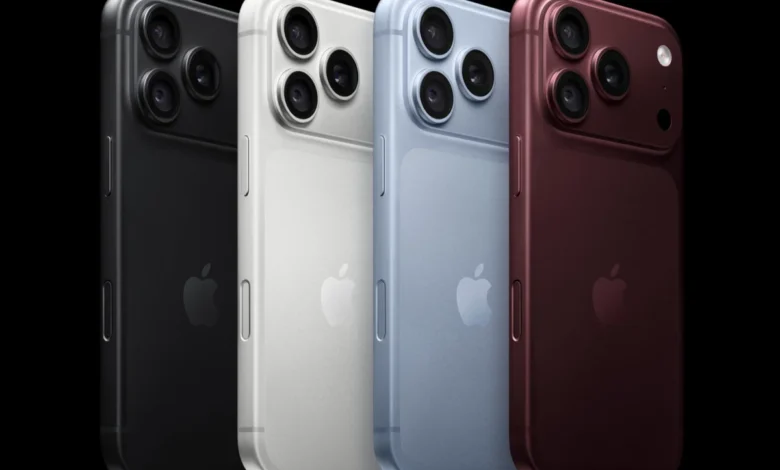
Apple’s upcoming smartphone lineup continues to generate significant industry discussion following emerging supply chain reports indicating that the forthcoming iPhone 18 Pro models may introduce a radical physical evolution in mobile photography: actual mechanical aperture blades. For over a decade, computational photography has reigned supreme in the smartphone market, relying on multi-frame processing, software-based depth mapping, and artificial intelligence to simulate bokeh and manage exposure constraints. However, if these leaks prove accurate, Apple is preparing to bridge the gap between traditional professional camera engineering and pocket-sized mobile devices by reintroducing physical optics control.
The rumor mill surrounding future Apple devices frequently cycles through iterative hardware bumps, but reports pointing toward variable physical aperture mechanics on the iPhone 18 Pro carry substantial technical weight. Industry analysts and supply chain monitors suggest that Apple’s engineering teams have been working to miniaturize physical shutter and aperture mechanisms without compromising the ultra-thin form factors consumers expect from flagship smartphones. While traditional DSLRs and mirrorless cameras have long utilized physical blades to control light intake and depth of field, bringing this mechanical complexity to a mass-produced consumer smartphone represents a monumental manufacturing challenge.
Main Facts and Technological Breakdown
At the core of this anticipated hardware shift is the desire to move beyond the optical limitations inherent in fixed-aperture mobile camera lenses. Currently, almost all smartphones rely on a single, unchanging physical aperture—often around f/1.7 or f/1.8—forcing the sensor to rely on neutral density filters, shutter speed adjustments, and software algorithms to handle bright lighting conditions. Furthermore, achieving a natural, optical depth of field has historically required larger sensors and wider physical openings, which software portrait modes attempt to replicate artificially with varying degrees of success.

By integrating real mechanical aperture blades into the iPhone 18 Pro, Apple would allow the camera module to physically restrict or expand the opening through which light passes onto the sensor. This capability would offer two primary optical benefits: true optical control over exposure in high-intensity lighting environments and genuine mechanical command over depth of field. Photographers shooting in harsh sunlight would no longer need to rely purely on digital shutter speeds or clipping highlights via software; instead, the physical blades could close down, sharpening the overall image fidelity and reducing optical diffraction artifacts.
Moreover, a variable physical aperture fundamentally alters how the camera handles sharpness across different focal planes. While computational blur can occasionally produce edge-detection errors around hair, clothing, and complex backgrounds, a physical aperture creates authentic optical fall-off. This development would align the iPhone 18 Pro more closely with dedicated professional imaging gear, offering creators tangible tools that extend far beyond algorithmic enhancements.
Chronology of Mobile Imaging Evolution
To understand the magnitude of a move toward mechanical aperture blades, it is helpful to examine the historical trajectory of smartphone photography over the past fifteen years.
In the early 2010s, smartphones relied on basic fixed-focus, single-lens modules with minimal low-light capabilities. The primary competition among manufacturers centered on megapixel counts rather than optical quality. By the mid-2010s, companies began introducing larger sensors, optical image stabilization (OIS), and multi-lens arrays. During this era, dual-camera setups became standard, paving the way for software-driven portrait modes that calculated depth maps to artificially blur backgrounds.

Between 2018 and 2022, computational photography dominated the industry narrative. Manufacturers invested heavily in neural engines, machine learning pipelines, and multi-frame stacking techniques like Apple’s Deep Fusion and Smart HDR. Physical hardware changes took a backseat to software supremacy, as companies proved they could pull astonishing dynamic range and detail out of miniature sensors through sheer processing power.
However, the limits of pure computation began to show around 2023 and 2024. As sensor sizes grew to capture more natural light, the physical thickness of camera bumps increased dramatically, and optical artifacts like lens flare and unnatural edge blurring became common points of criticism among professional photographers. This prompted a pivot back toward hardware innovation, highlighted by experiments with variable optical zoom periscope lenses and, eventually, rumors of mechanical shutter and aperture implementations for upcoming generations like the iPhone 18 Pro series.
Supporting Data and Market Implications
The mobile photography market represents a multi-billion-dollar battleground where camera capability is frequently cited as the primary driver for device upgrades. According to recent market research data from global technology intelligence firms, over 75 percent of consumers rank camera quality as a top-three factor when purchasing a premium smartphone.
Apple’s potential investment in mechanical aperture blades underscores a broader industry realization: software alone cannot completely bypass the laws of physics. While neural engines and generative AI continue to improve image processing speeds, professional-grade optical rendering still demands superior physical light manipulation. By introducing a physical aperture mechanism, Apple could capture a larger share of the professional content creator and mobile videographer demographic—users who have traditionally viewed smartphones as compromise devices rather than primary production tools.
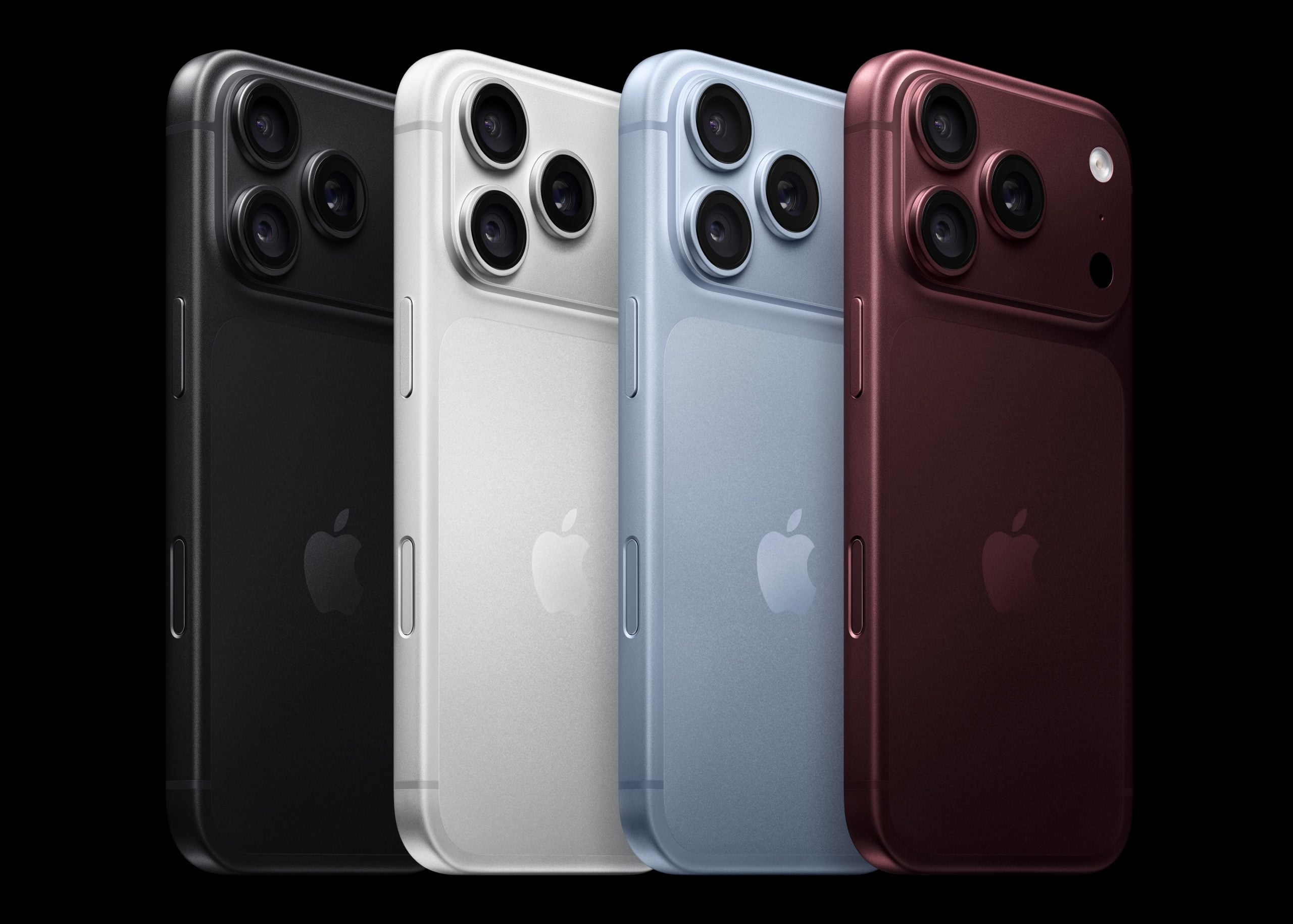
Competitors in the Android ecosystem have occasionally experimented with physical aperture systems in the past—most notably Samsung with the Galaxy S9 and S10 series, which featured a dual-step mechanical aperture (f/1.5 and f/2.4). However, those early implementations were limited to just two fixed settings and were eventually phased out in favor of larger sensors and software solutions. If Apple successfully deploys a fluid, multi-step or continuously variable mechanical blade system across the iPhone 18 Pro camera array, it could reignite a hardware-driven race for optical supremacy across the entire mobile industry.
Industry Reactions and Expert Analysis
Imaging professionals and tech analysts have responded to the iPhone 18 Pro rumors with a mixture of cautious optimism and engineering skepticism. Traditional photographers point out that moving parts within a sealed, pocket-sized mobile device introduce significant durability and reliability concerns. Miniature motors and delicate mechanical blades must withstand thousands of actuation cycles, drops, dust, and moisture exposure without failing.
On the other hand, engineering experts note that advancements in micro-electromechanical systems (MEMS) have accelerated dramatically over recent years. MEMS technology has already been successfully utilized for optical image stabilization and autofocus mechanisms, proving that microscopic mechanical components can achieve high durability in consumer electronics.
"The integration of a physical aperture is the logical next step for mobile imaging," notes a prominent consumer electronics supply chain analyst who spoke on condition of anonymity. "For years, the industry has pushed sensors as large as they can possibly get within a chassis. Once you hit that physical ceiling, the only way to gain better optical control is to revisit the lens assembly itself. If Apple pulls this off, it changes the conversation from what software can fake to what hardware can actually capture."
Broader Impact on the Photography Landscape
The potential arrival of the iPhone 18 Pro with mechanical aperture blades extends well beyond a single product launch; it signals a philosophical shift in how high-end mobile devices are designed and marketed. As the boundary between standalone cameras and smartphones continues to blur, features once reserved for professional cinema rigs and DSLR bodies are rapidly trickling down into consumer electronics.
For independent filmmakers, journalists, and content creators, a smartphone equipped with genuine optical depth and exposure control offers unprecedented workflow flexibility. It reduces the need to carry bulky auxiliary gear for run-and-gun shooting scenarios while maintaining the cinematic authenticity that only real glass and physical light management can provide.
As development continues ahead of the anticipated release cycle, all eyes will remain on Apple’s supply chain partners and patent filings for further confirmation. Should these mechanical lens innovations materialize as rumored, the iPhone 18 Pro may well redefine the standard for mobile imaging, proving that the future of photography relies not just on artificial intelligence, but on the timeless mechanics of optical engineering.