How I created a sense of scale, weight and halted motion in this epic serpent scene using Blender

The Genesis of the God of Bones Concept
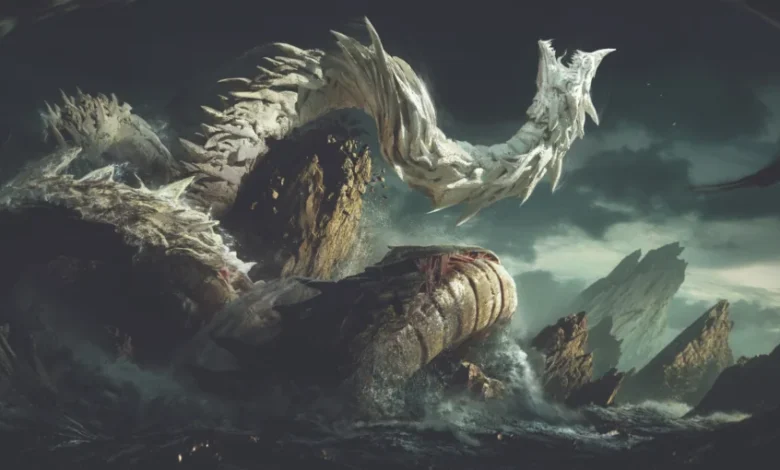
The narrative foundation for the God of Bones project relies heavily on its visual identity. In filmmaking, the "vista shot"—a wide-angle, expansive view designed to establish setting and tone—serves as the anchor for the audience’s immersion. For this production, the primary challenge was to capture the kinetic energy of a massive creature transitioning into a static, geological monument. The initial conceptual phase was tasked with translating the director’s vision of "halted motion" into a visual language that felt both violent and permanent.
Paul Coulthard’s initial sketches provided the blueprint for this transformation. These early renderings focused on the rhythm of the serpent’s body and the specific geometry of its collapse. By analyzing the way mass interacts with environment, the team sought to avoid the common pitfalls of digital creature design, where large-scale models often appear to lack weight or "groundedness." The goal was to establish a sense of geological time—the idea that this creature had been dying for centuries, slowly turning to stone as it succumbed to its environment.
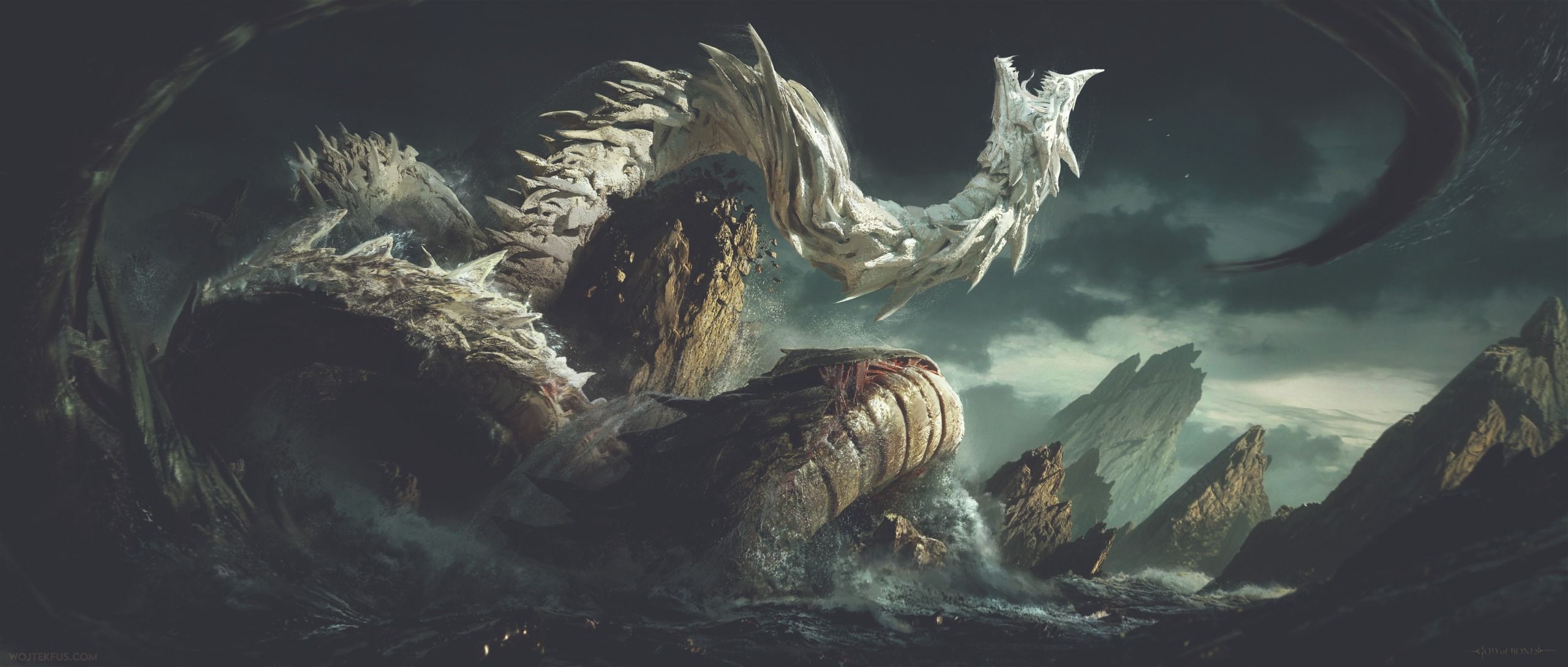
Chronology of the Production Pipeline
The development of the serpent scene followed a structured three-phase pipeline: conceptualization, 3D structural layout, and final atmospheric integration.
- Conceptualization (Weeks 1-2): The creative team established the mood and violence of the scene through hand-drawn sketches. These drawings were essential for determining the creature’s silhouette and the specific topography of the rocky environment that would frame it.
- 3D Blocking and Layout (Weeks 3-5): Utilizing Blender, the team moved into the spatial development phase. This stage involved placing the serpent within a complex rock formation. The focus here was on "readability"—ensuring the audience could instantly comprehend the scale of the serpent relative to its surroundings. This required multiple iterations of camera positioning and lighting to maintain a cinematic, albeit intentionally unstable, composition.
- Rendering and Final Compositing (Weeks 6-8): The final phase involved high-fidelity rendering, followed by an extensive "paintover" process. This stage was critical for adding textural realism, such as ocean spray, weathered rock surfaces, and the specific aesthetic of calcification. The final creative decision to flip the entire composition served to invert the viewer’s perspective, lending the image a more jarring, unconventional dynamic.
Technical Collaboration and Asset Management
The complexity of the serpent design necessitated a specialized division of labor. While the overarching composition was refined through close cooperation between the creative lead and the director, the creature design itself was managed by Christian Bull. The heavy lifting of the 3D modeling was executed by Laurens Rasti and Wilmar Ballespi of Shoot First.
This collaborative structure reflects a growing trend in independent filmmaking where specialized teams are brought in to execute high-impact assets that elevate the production value of the final project. By separating the conceptual framing from the granular asset modeling, the production was able to maintain a consistent aesthetic vision while leveraging the specific technical expertise of the modeling team. The resulting serpent is not merely a static model but a complex piece of environmental storytelling, featuring intricate details of decay and fossilization that serve to sell the audience on the film’s central mythos.
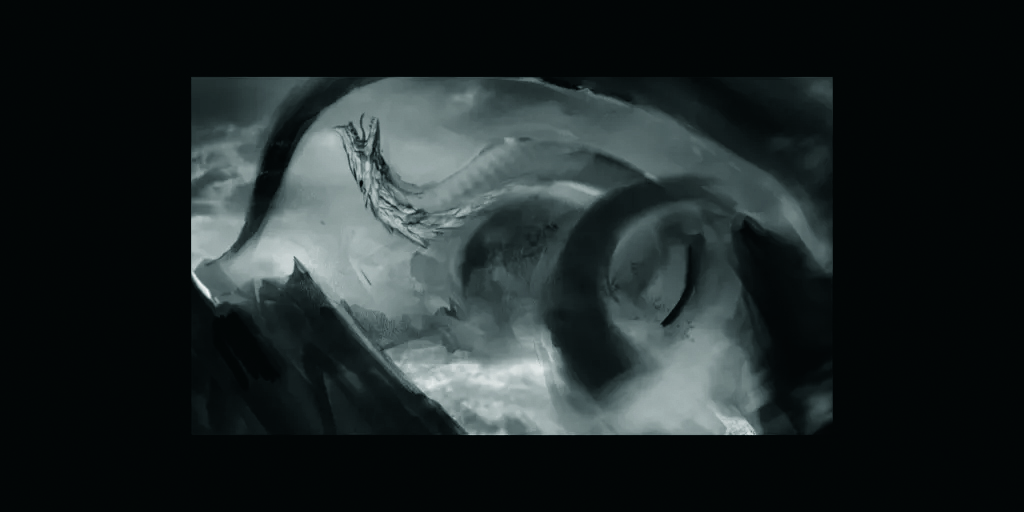
Analyzing the Impact of Large-Scale Digital Environments
The technical success of the God of Bones vista shot offers insight into the evolving requirements of modern film production. As audience expectations for visual fidelity increase, even independent productions must now adopt workflows previously reserved for major studio features. The use of industry-standard tools like Blender demonstrates a shift toward more accessible, high-performance software that allows smaller teams to achieve massive-scale results.
From a production standpoint, the key takeaway is the necessity of "compositional rhythm." When dealing with massive creatures in a landscape, the danger is often visual clutter. By keeping the composition lean and focusing on the tension between the fluid, serpentine shape and the rigid, rocky environment, the creators achieved a heightened sense of scale. The decision to finalize the image with a post-process "flip" underscores a deliberate effort to subvert traditional visual expectations, ensuring the image remains memorable and distinct from standard genre tropes.
Future Implications for Independent Filmmaking
The God of Bones project serves as a relevant case study for the integration of digital artistry into the pre-production and post-production phases of short-form cinema. The ability to iterate on a vista shot within a 3D environment before committing to a final render allows for a level of precision that traditional storyboarding cannot match.
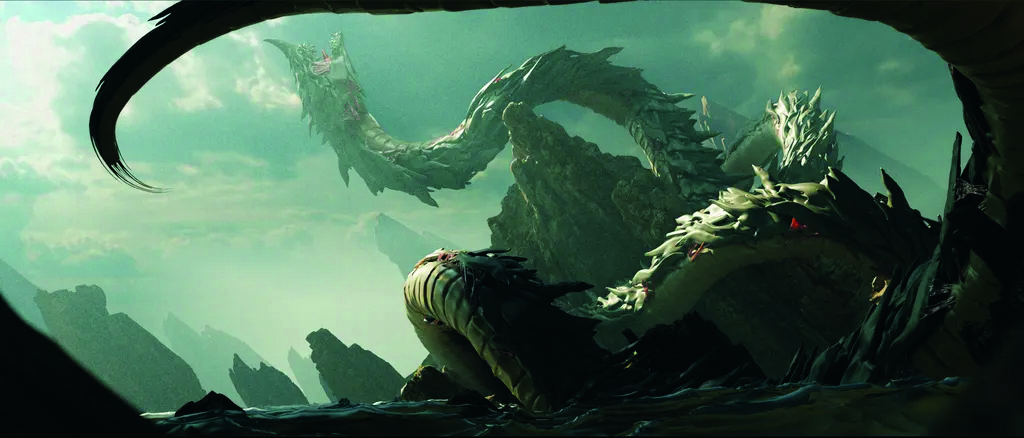
Furthermore, the integration of photography and digital painting during the final stages of the process highlights the hybrid nature of modern digital art. It is rarely the case that a 3D render is "finished" upon output; rather, the render serves as a base layer upon which atmospheric and textural details are layered. This approach not only enhances the realism of the scene but also allows for a greater degree of artistic control, enabling the creators to adjust lighting and environmental effects in real-time.
As the industry moves toward more collaborative and remote-first workflows, projects like God of Bones demonstrate that high-impact visual storytelling is increasingly reliant on the synergy between directors and digital artists. The successful realization of the calcified serpent stands as a testament to the importance of iterative design and the technical capabilities of modern 3D modeling suites. For emerging filmmakers, the project underscores that scale is not merely a matter of asset size, but a result of careful, intentional framing and the successful marriage of digital and traditional art techniques.
Conclusion
The God of Bones production pipeline highlights a significant intersection of technical expertise and creative vision. By prioritizing a clear, impactful narrative moment—the frozen, calcified death of a gargantuan serpent—the team was able to create a visual anchor that defines the project’s aesthetic identity. Through the methodical application of 3D layout, environmental integration, and final digital refinement, the creators have provided a roadmap for how independent productions can navigate the complexities of large-scale visual design. As the film progresses toward completion, the vista shot remains its most powerful asset, serving as a reminder of the transformative power of digital artistry in contemporary cinema.