The Anatomy of the Device
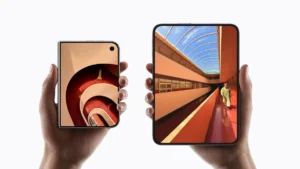
The iPhone Duo features a 7.6-inch primary display that utilizes a proprietary flexible OLED panel. Unlike early-generation foldables that suffered from brittle hinge mechanisms, the Duo employs a multi-link "fluid hinge" designed to distribute physical tension across the device’s center. In practice, this allows for a notably thin profile when closed, rivaling the thickness of standard flagship iPhones.
When unfolded, the device offers a tablet-like canvas. During initial testing, the software interface demonstrated remarkable agility, with iOS 20 automatically reconfiguring apps to take advantage of the expanded aspect ratio. When in a half-folded, or "clamshell," state, the device shifts into a split-screen productivity mode, allowing for multitasking—such as drafting emails on the bottom half while referencing documents on the top—with minimal latency.

Chronology of the Development
The path to the iPhone Duo was marked by years of intense R&D speculation. Following the rise of foldable devices from competitors like Samsung and Google, Apple’s silence on the matter led to widespread market skepticism.
- 2023–2024: Patents surfaced detailing various hinge designs and under-display camera technology, though Apple remained non-committal.
- 2025: Supply chain reports indicated that Apple had begun sourcing ultra-thin glass (UTG) in significant volumes, fueling rumors of a 2026 launch.
- Early 2026: Leaks confirmed the "Duo" branding, with analysts predicting a premium price point to account for the specialized display manufacturing process.
- September 9, 2026: The official announcement confirms the $1,999 MSRP, with a market release date set for October 23, 2026.
Early Feedback and Peer Reactions
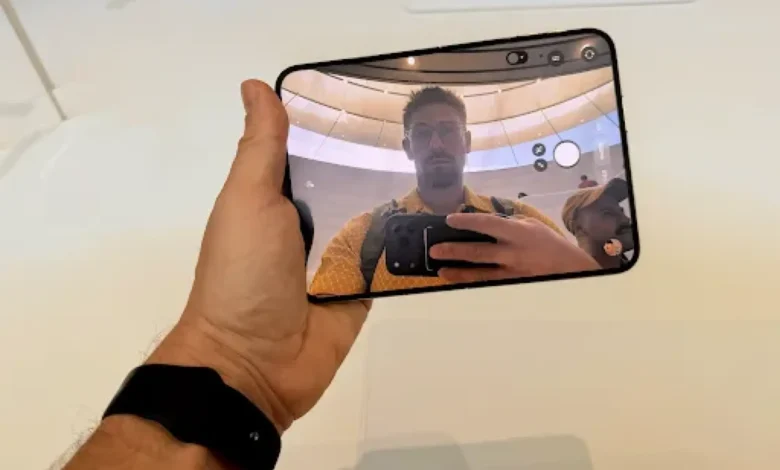
The device has drawn a polarized yet generally enthusiastic response from tech influencers and journalists. Max Weinbach, a noted tech analyst, highlighted the under-display camera as a standout feature, describing its integration as "wild" and significantly more refined than current industry standards.
Content creator Justine Ezarik, known as iJustine, provided a series of demonstrations showing the device in practical scenarios, such as consuming vertical video content and utilizing the camera’s flexible framing capabilities. These demonstrations suggest that the "Duo" is being positioned not merely as a novelty, but as a productivity tool for creators who require both a compact form factor for travel and an expansive screen for editing.

Conversely, the physical reality of the crease has sparked debate. Gizmodo’s Ray Wong documented the device under various lighting conditions, noting that while the screen appears continuous when viewed head-on, a subtle vertical crease is discernible when the device is tilted against overhead light. This observation aligns with the current technological limitations of folding display materials. While Apple has clearly made strides, the laws of physics—specifically the requirement for a flexible substrate—ensure that some physical indentation remains inevitable at this stage of the technology’s lifecycle.
Market Implications and Competitive Landscape
The introduction of the iPhone Duo represents a strategic pivot for Apple. By entering the $2,000 price bracket, the company is targeting power users and enterprise clients who view mobile devices as primary computing platforms. This move challenges the dominance of the Samsung Galaxy Z Fold series, which has enjoyed a near-monopoly on the premium foldable market for years.
Industry analysts suggest that the iPhone Duo will not replace the standard iPhone 18 lineup, but rather act as a "halo product." The success of the device will likely hinge on the "hand-off" software experience—how seamlessly iOS transitions tasks from the outer screen to the inner display. If the software experience remains as fluid as early hands-on sessions suggest, Apple may succeed in legitimizing the foldable form factor for a broader, less niche audience.

The Role of Software and Ecosystem Integration
The "Duo" is powered by the A20 Pro Bionic chip, which includes a dedicated neural engine optimized for the unique multi-window environment of the folding display. During live tests by streamers like IShowSpeed, the device’s ability to handle high-frame-rate gaming while transitioning between folded and unfolded states was a primary point of interest. Observers noted that the device maintained consistent performance without the stuttering often associated with hardware transitions on earlier-generation foldables.
Furthermore, the integration with the wider Apple ecosystem remains a critical selling point. Features such as "Continuity Camera" and "Sidecar" appear to have been updated to recognize the Duo’s unique orientation, allowing the device to serve as a secondary display for Macs or as a dedicated control interface for creative software.
Looking Toward the Release
As the October 23 launch date approaches, the technology community is turning its focus toward battery longevity and long-term durability. Folding mechanisms are historically prone to mechanical fatigue; Apple’s promise of "hundreds of thousands of folds" will be put to the test once units reach the hands of consumers.

The aesthetic comparisons to the Nintendo DS or the Microsoft Surface Duo are frequent in online discourse, yet the consensus among those who have spent time with the device is that it possesses a uniquely "Apple" polish. The build quality, characterized by its weight distribution and the tactile response of the hinge, appears designed to mitigate the perception of the device as an experimental prototype.
Ultimately, the iPhone Duo is a statement of intent. Whether it will become a mainstream standard or remain a high-end luxury item for early adopters remains to be seen. However, the initial reception suggests that Apple has successfully avoided the "first-generation" pitfalls that plagued its competitors. By focusing on software stability and a refined, if not entirely invisible, hinge design, the company has set a new bar for the foldable category. As users begin to integrate the Duo into their daily routines in late October, the focus will shift from the novelty of its folding screen to the practical utility it offers in a modern, mobile-first world. For now, the verdict from those at Apple Park is clear: the iPhone Duo is a sophisticated piece of engineering that, despite the presence of a crease, manages to make the futuristic act of folding a phone feel like a standard, everyday experience.