14 NKS instruments that will change the way you create music | Native Instruments Blog

The Evolution of Native Kontrol Standard (NKS)
To understand the significance of the Big Partner Sale, one must look at the history and technical architecture of NKS. Launched in 2015 by the Berlin-based Native Instruments, NKS was developed to solve a persistent problem in digital music creation: the "menu-diving" fatigue that occurs when producers must constantly switch between their hardware controllers and their computer screens to adjust software parameters.
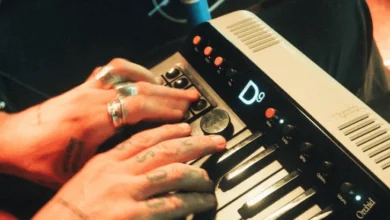
NKS provides a unified workflow for virtual instruments and effects. When a developer makes their plugin NKS-compatible, they are essentially "mapping" the most important parameters—such as filter cutoffs, envelope settings, and effect levels—to the physical knobs and buttons of Native Instruments’ hardware, such as the Kontrol S-Series keyboards and Maschine production systems. This integration includes high-resolution visuals on hardware screens, allowing users to browse presets by category (e.g., "dark," "percussive," "cinematic") and hear instant audio previews without loading the entire instrument. Today, the ecosystem encompasses hundreds of manufacturers and thousands of individual plugins, creating a seamless "hands-on" experience that mimics the tactile nature of traditional analog hardware.
Detailed Analysis of Featured NKS Instruments
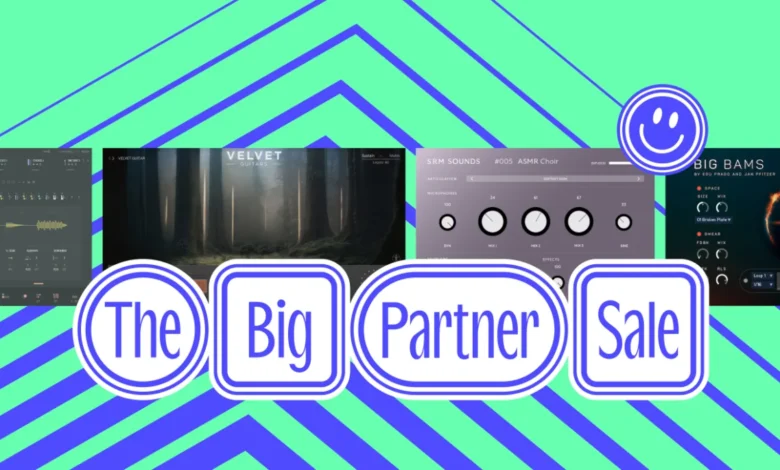
The Big Partner Sale highlights 14 specific instruments that exemplify the breadth of the NKS catalog. These tools are categorized by their utility in contemporary genres, ranging from organic folk textures to industrial cinematic sound design.
1. BioSoul Digital – EEYORE
EEYORE is an emotive sound engine that focuses on the "imperfection" of sound. In a market often saturated with clean, sterile digital synthesizers, BioSoul Digital has carved a niche by blending organic layers with shifting synthesis. The instrument is specifically designed for "weeping" cinematic pads and tension risers. Through NKS, the complex modulation of these shifting layers is mapped to hardware, allowing composers to perform the "emotion" of the sound in real-time.
2. e-instruments – Velvet Guitars
The challenge of replicating a guitar on a keyboard is legendary in the VST world. Velvet Guitars addresses this through a sophisticated "smart chord" engine. Instead of simply playing back samples, the engine interprets keyboard input and translates it into realistic guitar voicings. This tool is particularly valuable for producers who lack guitar skills but require the warm, intimate textures of high-end acoustic recordings for soul, R&B, or pop tracks.
3. blecksaudio – Distinction
Distinction represents the avant-garde side of the NKS catalog. It utilizes unconventional sound sources, such as feedback loops and frame drums processed through high-end analog gear. The result is a library that provides "gritty" and "raw" digital intensity. For thriller and horror film scoring, the NKS integration allows for the manipulation of these feedback loops with tactile precision, creating a sense of unpredictability that is difficult to achieve with a mouse.
4. Edu Prado – Zither
Edu Prado’s Zither brings a traditional, shimmering stringed instrument into the modern era. With four dynamic layers and three round-robins, it offers a high degree of realism. The inclusion of "modern sound-design" patches allows the user to morph a traditional folk melody into a massive ambient soundscape, a process made intuitive through pre-mapped NKS parameters.
5. Fallout Music Group – Desecrator
Desecrator is an industrial-focused tool built for trailers and dark synthwave. It features a reactive distortion engine that mangles sounds into apocalyptic textures. The NKS integration is vital here, as it allows the user to control the "grit" and "distortion" levels physically, making the sound design process feel more like playing an instrument than programming a computer.
6. ProjectSAM – Symphobia 1 & 2 Bundle
ProjectSAM’s Symphobia series is a legendary name in film scoring. Unlike traditional libraries that record individual sections (violins, violas, etc.), Symphobia focuses on ensemble recordings. This "blockbuster" sound is instantly accessible. For professionals working on tight deadlines, the NKS compatibility means they can browse these massive orchestral palettes and adjust mic positions directly from their keyboard.
7. Sonokinetic – Grosso
Sonokinetic is known for phrase-based sampling, and Grosso is their high-energy orchestral offering. It features a rhythmic voice-leading engine that syncs brass and woodwinds to the tempo of the project. This saves hours of MIDI programming, as the NKS hardware can trigger complex symphonic movements with a single key press.
8. Sonuscore – Fragments: Modern Percussion
Fragments deconstructs traditional percussion into microscopic granular bits. It is an essential tool for "hybrid" scoring, where acoustic sounds are blended with electronic pulses. The NKS mapping allows producers to "tweak" the granularity and rhythm density of these fragments on the fly.
9. SRM Sounds – ASMR Choir
Recorded at Studio Richter Mahr and conceived by renowned composer Max Richter, the ASMR Choir is a unique vocal instrument. It focuses on the quietest, most intimate articulations of the human voice. The inclusion of a fourth instrument processed through vintage vocoders provides a haunting texture that is currently trending in contemporary "ambient" and "minimalist" compositions.
10. Soundiron – Vintage Keys Collection
This collection moves beyond the standard Fender Rhodes and Wurlitzer sounds to include rare, obscure, and toy-like keyboards. For indie-pop and hip-hop producers, the "mechanical noise" controls are mapped to NKS knobs, allowing them to dial in the perfect amount of "vintage character" and hiss.
11. The Phonoloop – tapes 01
Capitalizing on the "lo-fi" movement, tapes 01 simulates the character of cassette tape degradation. It features controls for "wow and flutter" and "tape saturation." The NKS integration allows artists to perform these degradations, making the "drift" of the sound feel organic and human.
12. 10 Phantom Rooms – MR Bundle
The MR Bundle is a historical journey through electronic percussion. It includes MR1 (analog tube beats), MR2 (8-bit digital), and MR3 (modular synthesis). This bundle is highly tactile, designed for beatmakers who want to "perform" their drums rather than draw them in a piano roll.
13. DO Studios – Guitarocracy
Designed for the "drop-ready" needs of trap and modern pop, Guitarocracy provides stylized, heavily processed guitar hooks. It bypasses the need for external pedals and amps, offering a streamlined workflow where the most important "tone" parameters are pre-mapped for hardware control.
14. Filipe Leitao – Forge Trumpet
The Forge Trumpet features a responsive legato engine, allowing for fluid solo performances. In the context of jazz or cinematic leads, the ability to control the "expression" and "vibrato" through an NKS-compatible keyboard’s mod wheel and velocity settings is what makes the virtual instrument sound indistinguishable from a live recording.
Chronology of the Big Partner Sale and Market Impact
The Big Partner Sale typically occurs during the mid-year "Summer of Sound" period, a strategic window for Native Instruments to engage its user base before the busy autumn release cycle. This year’s sale is notable for its emphasis on "indie" developers. By featuring smaller brands alongside giants like ProjectSAM, Native Instruments is fostering a more diverse ecosystem.
Industry analysts suggest that the proliferation of NKS is a direct response to the democratization of music production. As more creators enter the market, the demand for "intelligent" tools that simplify the technical process increases. The NKS standard has become a "seal of quality" for third-party developers; being NKS-compatible often leads to higher sales figures because users know the product will work effortlessly with their existing hardware.
Broader Implications for the Industry
The success of the NKS ecosystem and the Big Partner Sale highlights a broader shift toward "tactile digitalism." While the 2000s and 2010s were defined by the move from hardware studios to "in-the-box" software production, the 2020s are seeing a return to physical interaction.
For the developer, NKS offers a standardized way to reach a global audience. For the musician, it provides a distraction-free environment that prioritizes the "flow state"—the psychological state where creativity is at its peak. The integration of these 14 instruments into the NKS framework ensures that as the technology evolves, the human element of performance remains central to the music-making process. As Native Instruments continues to expand its partner network, the line between software and hardware will likely continue to blur, offering producers an ever-widening palette of sounds that are as easy to play as they are to hear.
Related posts: