‘Ray Gunn’ Art Of; Richard Williams’ Final Film; Festivals Debate AI

The Return of Animation Titans: Williams, Bird, and Bluth
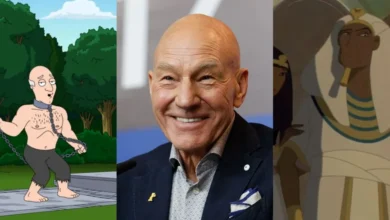
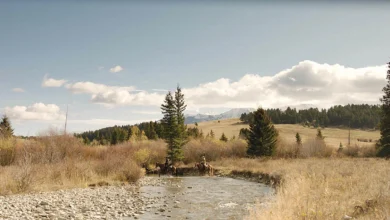
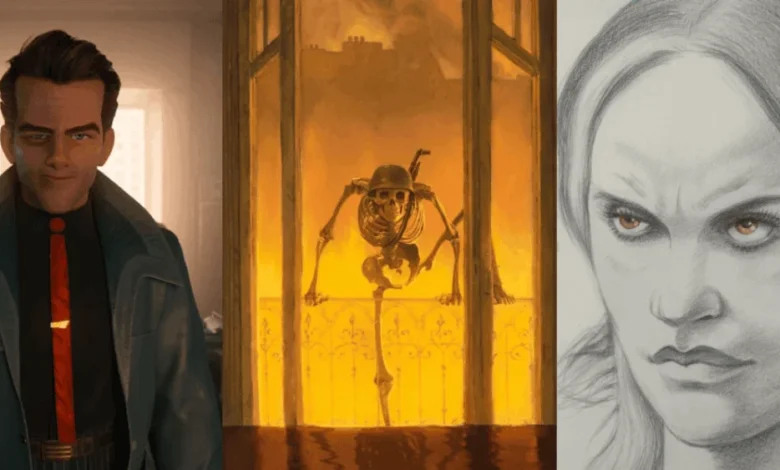
The animation community has been treated to a rare confluence of legacy projects this week, led by the premiere of the trailer for Lysistrata, the final film project from the late, legendary Richard Williams. Known for his uncompromising pursuit of perfection in The Thief and the Cobbler, Williams’ posthumous release represents the culmination of a career defined by artistic rigor and hand-drawn technical mastery. The trailer offers a glimpse into his distinct visual language, reigniting discussions about the viability of classical animation techniques in an era increasingly dominated by procedural generation.
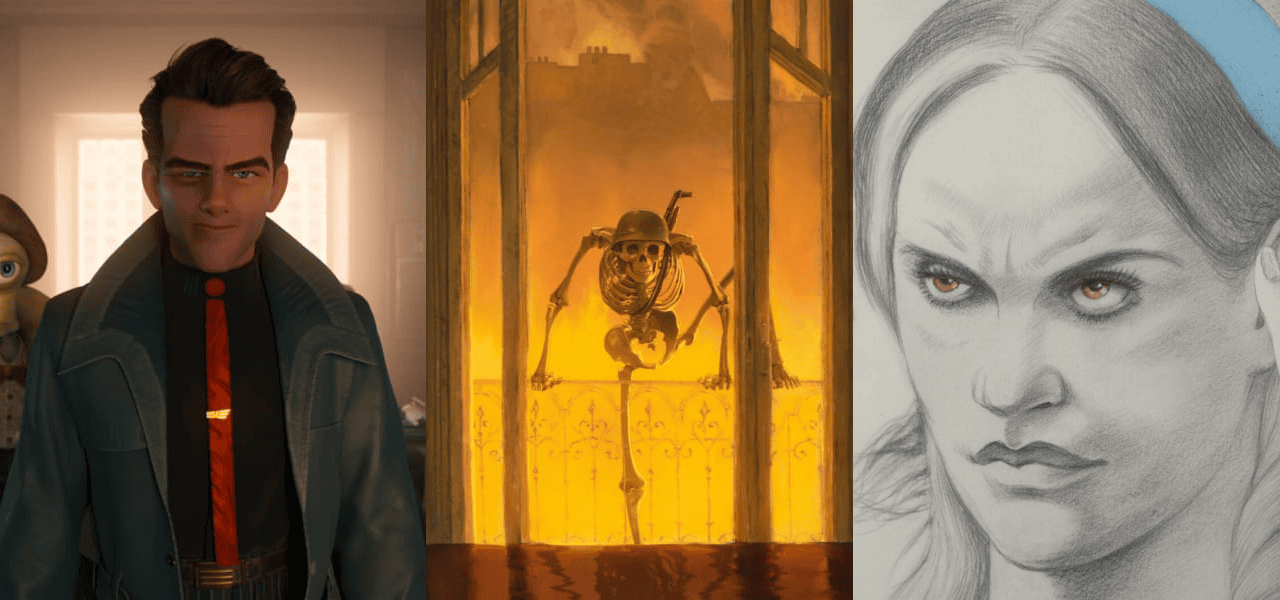
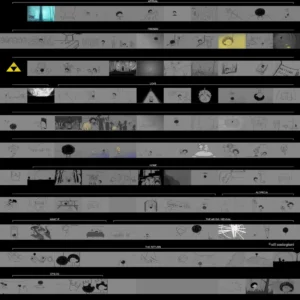
Parallel to the excitement surrounding Williams’ final work, the release of the digital Art of Ray Gunn book provides an intimate look at the development process behind Brad Bird’s long-gestating feature. Bird, whose career has spanned some of the most influential works in the medium, including The Iron Giant and The Incredibles, has kept the Ray Gunn project in a state of development for decades. The supplemental material released this week serves as an essential case study in visual storytelling, showcasing the evolution of character design and world-building that precedes the film’s eventual realization.
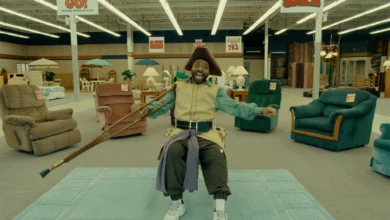
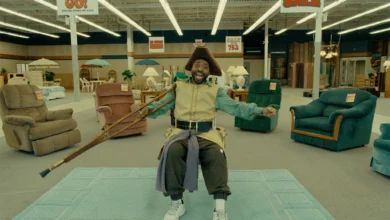
Furthermore, the clip released from Don Bluth: Somewhere Out There offers a retrospective look at the director’s contribution to the medium. Bluth, a pioneer who challenged the Disney monopoly in the 1980s, remains a polarizing but essential figure in animation history. The inclusion of extensive interviews with the film’s directors underscores a growing trend of institutionalizing the history of animation through documentaries that analyze the creative struggle behind the finished product.

The Generative AI Debate in the Festival Circuit
While legacy projects celebrate the past, a survey of programmers from major animation festivals—specifically Annecy, Ottawa, and Manchester—highlights the industry’s immediate existential conflict: the role of generative artificial intelligence. For festival directors, the task is no longer just about artistic merit, but about establishing ethical boundaries.
The responses from these institutions suggest a fragmented approach to the issue. Some festivals are moving toward strict disclosure requirements, mandating that creators specify the extent of AI involvement in their production pipelines. Others are taking a more cautious stance, fearing that exclusionary policies might alienate a new generation of creators who view AI tools as a legitimate extension of the creative suite. This divide reflects the broader tension between traditional animation guilds—who fear the devaluation of human labor—and independent studios seeking to reduce the prohibitive costs of independent production.
The implications of these policies are significant. By setting standards for festival entry, these institutions act as gatekeepers for what is culturally recognized as "animation." If the industry establishes a hard line against generative tools, it risks creating a two-tiered system where "pure" animation is defined by its manual labor, potentially alienating creators who utilize machine learning for rendering, compositing, or asset generation.
Creative Innovations: From Snoopy to Cinderella
Beyond the high-level policy debates, the industry continues to push forward with creative reinterpretations of established intellectual property. The production of 12 Days of Snoopy, detailed this week by executive producer Mark Evestaff and director Rob "Boots" Boutilier, offers a technical look at how to maintain the spirit of a classic franchise while navigating modern distribution pipelines. Their insights into the collaborative process reveal the logistical challenges of animating iconic characters like the Peanuts gang, ensuring that the legacy of Charles Schulz remains intact while meeting the rapid-turnaround demands of streaming services.
Similarly, the dialogue surrounding Steps, directed by Alyce Tzue and John Ripa, illustrates a contemporary trend in animation: the deconstruction of fairy tales. By integrating elements of Rococo design and thematic subversion—such as the inclusion of "biker trolls"—the filmmakers are attempting to bridge the gap between classical animation aesthetics and modern, irreverent storytelling. The project serves as an example of how studios are looking to reinvent "Cinderella" for an audience that is increasingly accustomed to genre-blending and visual eclecticism.
Corporate Shifts and the Blue Sky Legacy
The business side of the industry saw significant movement this week, headlined by the honoring of animation legend Floyd Norman with an honorary Oscar. Norman, a trailblazer whose work with Disney and later independent ventures has been a cornerstone of the industry for decades, received recognition that underscores the growing push to celebrate the human pioneers of the medium.

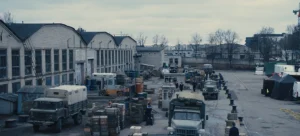
However, not all industry news was positive. The release of the first trailer for Ice Age: Boiling Point from Disney has generated substantial criticism. As the first theatrical entry in the franchise since the closure of the beloved Blue Sky Studios, many fans and industry observers have noted a perceived drop in the quality of animation compared to the studio’s earlier work. This backlash is significant; it highlights the challenges Disney faces when attempting to maintain the equity of acquired franchises after dismantling the original creative teams. The sentiment suggests that audiences are increasingly sensitive to the "soul" of a production, and that technical quality remains a primary factor in the brand loyalty of long-standing franchises.
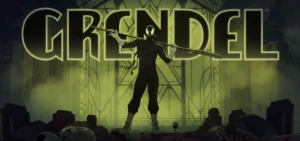
Additionally, the news that Netflix is reviving Grendel as an animated series signals the streamer’s ongoing strategy of aggressive IP acquisition and adaptation. As platforms compete for subscribers, the appetite for mature, graphic-novel-inspired animation continues to grow, providing a lifeline for creators whose projects might have previously been deemed too risky for mainstream theatrical release.
Analysis: A Crossroads for the Medium
The developments of November 2026 present a clear picture of an industry at a crossroads. On one hand, there is a fervent effort to archive, study, and respect the "old guard" of animation, as evidenced by the focus on Williams, Bluth, and Norman. This is a necessary phase for an industry that has historically struggled with the preservation of its own history.
On the other hand, the industry is struggling to define its future. The debate over AI is not merely technical; it is a battle over the definition of the artist. As production costs rise and the demand for high-frequency content increases, the pressure to adopt automation will only intensify. Festivals and professional guilds will likely be the primary battlegrounds for these regulations over the next decade.

Finally, the reaction to Ice Age: Boiling Point serves as a warning to major studios: brand equity is fragile. When a studio closes a creative engine like Blue Sky, it risks losing the specific "visual signature" that audiences associate with a franchise. The success or failure of Boiling Point will likely influence future corporate decisions regarding the stewardship of legacy IPs. As the year draws to a close, these stories collectively underscore a year defined by the tension between preserving the heritage of hand-crafted artistry and embracing the inevitable, if sometimes chaotic, evolution of digital production.